How to Adjust Carburetor Idle
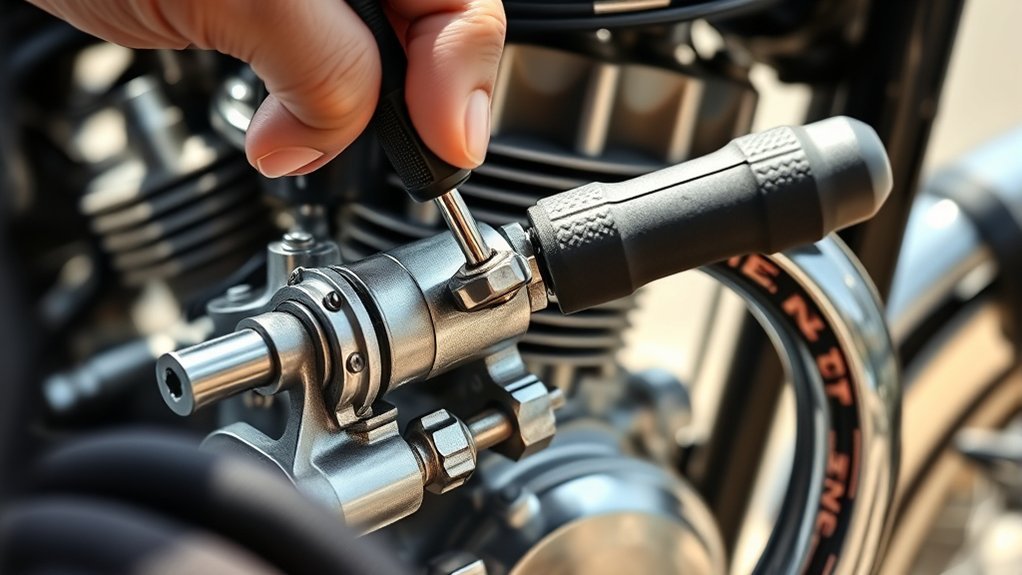
To adjust your carburetor idle, first warm up the engine fully and locate the idle screw near the throttle linkage. Use a matching flathead screwdriver and a tachometer to monitor RPMs. Turn the idle screw clockwise to increase RPM or counterclockwise to decrease, aiming for 600-800 RPM.
Then, fine-tune the idle mixture screw by small increments to balance fuel flow and ensure smooth idle without hesitation. Following these steps sets a solid foundation for optimizing engine performance.
How to Identify When Your Carburetor Idle Needs Adjustment
How can you tell when your carburetor idle needs adjustment? Start by observing engine behavior at idle; rough or fluctuating RPMs often signal improper carburetor settings.
If you notice engine stalling or hesitation during idle, it’s a clear indication to check the idle. Additionally, inspect spark plugs for fouling or uneven wear, as these can result from incorrect air-fuel mixture caused by idle issues.
Low or inconsistent transmission fluid levels might exacerbate idle problems by affecting engine load, so ensure fluid is within specifications. Also, verify battery health, since weak voltage can cause unstable idle speeds.
Regularly checking engine oil quality and level is essential, as poor lubrication affects engine performance and can mimic idle adjustment symptoms. Address these factors systematically to accurately identify carburetor idle adjustment needs.
What Tools You’ll Need and Where to Find the Idle Screw
Once you’ve confirmed that your carburetor idle requires adjustment, gathering the right tools and locating the idle screw are the next steps. For precise carburetor calibration, you’ll need a flathead screwdriver matching the idle screw slot, a tachometer to monitor RPM, and optionally, a flashlight for visibility.
The idle screw is typically found on the carburetor body, near the throttle linkage or butterfly valve. It often protrudes slightly and may be labeled or distinguishable by its small spring or stop arrangement.
Identifying this screw is essential since it directly controls idle stability by regulating airflow at low engine speeds. Before proceeding, ensure the engine is off and cool to prevent injury during inspection.
Having the correct tools ready will streamline the calibration process and improve accuracy in idle speed adjustments.
Step-by-Step Guide to Adjusting Carburetor Idle Speed
First, locate the idle adjustment screw on your carburetor, as this controls the idle speed. Make certain the engine is fully warmed up before making any adjustments to ensure accuracy.
Then, turn the screw slowly to fine-tune the idle speed until the engine runs smoothly at the recommended RPM.
Locate Idle Adjustment Screw
Where exactly is the idle adjustment screw located on your carburetor? Typically, it’s found on the carburetor body near the throttle linkage. This screw controls the idle speed by regulating the amount of air-fuel mixture entering the engine at idle.
Before you start adjusting, ensure your carburetor cleaning is thorough; dirt and grime can obstruct the screw’s function. Look for a small, slotted or Phillips-head screw, often labeled or positioned near the throttle butterfly valve.
On some models, there may be two screws—one for idle speed and another for idle mixture—so double-check which one adjusts the idle speed specifically. Identifying this screw accurately is essential for precise idle adjustment, preventing engine stalling or rough idling.
Warm Engine Before Adjusting
Why is it important to warm your engine before adjusting the carburetor idle? A warm engine ensures accurate idle settings by stabilizing operating conditions. Cold engine oil is thicker, and unheated spark plugs don’t function optimally, which can cause misleading idle speed readings.
Follow these steps to warm your engine properly:
- Start the engine and let it run at a low idle.
- Monitor engine temperature gauge until it reaches normal operating range.
- Avoid revving the engine during warm-up to prevent erratic idle.
- Confirm engine oil has reached its optimal viscosity and spark plugs are firing consistently.
Only after the engine is fully warmed should you proceed to adjust the carburetor idle for precise and reliable tuning.
Fine-Tune Idle Speed
How can you achieve a stable and optimal idle speed after warming your engine? First, locate the idle speed screw on your carburetor. Turn it slowly clockwise to increase RPM or counterclockwise to decrease RPM. Use a tachometer to monitor engine speed closely.
Adjust until the idle speed matches the manufacturer’s specifications, typically around 600-800 RPM. Next, fine-tune the idle timing by slightly advancing or retarding it to ensure smooth engine operation and prevent stalling.
Proper idle timing improves fuel economy by optimizing combustion efficiency at low speeds. After adjustments, allow the engine to stabilize for a few minutes, then recheck the idle speed and timing.
Repeat the process if necessary, ensuring your carburetor maintains consistent idle performance without sacrificing fuel economy.
How to Fine-Tune the Carburetor Idle Mixture for Better Performance
Although adjusting the idle mixture requires patience, it’s essential for optimizing engine performance and fuel efficiency. The idle air and fuel ratio must be precisely balanced to ensure smooth engine operation at low speeds.
To fine-tune the mixture:
- Warm up the engine to normal operating temperature.
- Locate the idle mixture screw on the carburetor.
- Slowly turn the screw clockwise to lean the mixture or counterclockwise to enrich it.
- Monitor engine RPM and listen for a steady, smooth idle without hesitation or stalling.
Adjustments affect the combustion process directly, so small increments are crucial. Achieving the correct idle air to fuel ratio improves throttle response and reduces emissions.
Use a tachometer or vacuum gauge for more accurate tuning, ensuring your engine runs efficiently and reliably at idle.
How to Avoid Common Mistakes When Adjusting Carburetor Idle
Make sure you use the correct screwdriver or tool to prevent damaging the adjustment screws. Don’t force the screws beyond their limits, as overadjusting can cause engine performance issues.
Always turn the screws slowly and in small increments to maintain precise control.
Correct Tool Usage
Selecting the right tool for adjusting your carburetor idle is essential to avoid damaging delicate components or producing inaccurate settings. Using improper tools can strip the idle screw or alter the fuel mixture unintentionally, leading to poor engine performance.
To ensure precise adjustments:
- Use a properly sized screwdriver, typically flathead or Phillips, matching the idle screw to prevent slippage.
- Employ a small, calibrated tachometer to monitor RPM changes accurately during adjustments.
- Avoid using pliers or makeshift tools that can deform screws or housing.
- Utilize a fuel pressure gauge if adjusting fuel mixture screws to verify correct fuel flow.
Avoid Overadjusting Screws
Using the correct tools lays the foundation for accurate carburetor idle adjustments, but careful control during the process is equally important to prevent overadjusting screws. When you turn the idle screws, make small, incremental changes, usually no more than a quarter turn at a time.
Overadjusting can quickly disrupt the air-fuel mixture, causing excessive fuel richness or lean conditions that affect engine performance. After each adjustment, allow the engine to stabilize before evaluating the effect.
If you notice the engine sputtering or stalling, you’ve likely gone too far. Revert to the previous setting and proceed more cautiously. Remember, precise, measured movements on the idle screws ensure a balanced mixture and stable idle speed, reducing the risk of poor fuel economy and engine damage due to incorrect fuel richness.
How to Test Your Engine After Adjusting Carburetor Idle
How can you determine if your carburetor idle adjustments have been successful? Testing your engine carefully is crucial to avoid irreversible damage and ensure optimal fuel economy. Follow these steps:
- Observe Idle Stability: The engine should maintain a steady idle speed without fluctuating or stalling.
- Check Engine Response: Gradually increase throttle; the engine should respond smoothly without hesitation or bogging.
- Listen for Abnormal Sounds: Pay attention to any knocking, backfiring, or unusual noises indicating improper mixture.
- Monitor Exhaust Emissions: Reduced smoke or smell signifies a balanced air-fuel ratio, promoting better fuel economy.
Perform these tests in a safe, controlled environment. If your engine meets these criteria, your carburetor idle adjustment is effective, preventing damage and improving performance.
How to Troubleshoot Carburetor Idle Adjustment Problems
Why might your carburetor idle adjustments not produce the desired results? Begin troubleshooting by verifying the basic settings; improper screw turns can cause idle instability.
Carburetor idle issues often stem from incorrect settings or improper screw adjustments causing unstable idling.
If you’re engaged in novice maintenance, ensure the choke is fully open during adjustments. Perform engine diagnostics by checking for vacuum leaks, as these can disrupt air-fuel mixture balance, leading to erratic idle.
Inspect throttle linkage for binding or wear, which can prevent accurate adjustment. Additionally, confirm that the idle speed screw is correctly positioned and that the carburetor is clean. Dirt can impede fuel flow.
Use a tachometer to monitor RPM changes precisely while adjusting. If issues persist, refer to the vehicle’s service manual for model-specific diagnostic procedures before considering further mechanical interventions.
Tips for Maintaining a Smooth Carburetor Idle
When should you perform routine carburetor maintenance to ensure a smooth idle? Regular upkeep is essential for idle troubleshooting and maintaining optimal fuel efficiency. Follow these tips to keep your carburetor running smoothly:
1. Clean the Carburetor Thoroughly
Remove deposits and varnish that disrupt fuel flow and idle stability.
2. Inspect and Replace Worn Components
Check gaskets, diaphragms, and needles to prevent air leaks impacting idle quality.
3. Adjust Idle Mixture and Speed Screws Precisely
Use a tachometer and vacuum gauge to fine-tune settings for consistent idle RPM.
4. Use Quality Fuel and Additives
Prevent clogging and improve combustion efficiency, enhancing idle smoothness.
Consistent application of these steps will reduce idle troubleshooting frequency and improve overall fuel efficiency.
Frequently Asked Questions
What Type of Fuel Is Best for Carbureted Engines?
You should use gasoline with high fuel compatibility, typically regular unleaded. Avoid ethanol blends above 10%.
If needed, add fuel additives designed for carbureted engines to prevent varnish buildup and ensure smooth operation.
Can a Dirty Air Filter Affect Carburetor Idle?
Yes, a dirty air filter restricts airflow, disrupting the air-fuel mixture and affecting carburetor idle. Maintaining fuel purity and ensuring clean air improves combustion efficiency and stabilizes idle performance.
Replace filters regularly.
How Often Should Carburetor Idle Be Adjusted?
You should adjust idle speed and idle mixture every 12,000 miles or annually, as 70% of carburetor issues stem from improper settings.
Regular tuning ensures optimal performance, fuel efficiency, and prevents engine stalling or rough idling.
Does Altitude Affect Carburetor Idle Settings?
Yes, altitude affects carburetor idle settings because thinner air requires adjustments to the idle mixture. You’ll need to perform altitude compensation to maintain optimal air-fuel ratio and engine performance at different elevations.
Are There Differences in Carburetor Adjustment for 2-Stroke Vs 4-Stroke Engines?
You might be surprised, but yes, there are idle screw differences between 2-stroke and 4-stroke carbs.
You’ll need to follow specific fuel mixture guidelines carefully to optimize combustion and engine performance for each type.