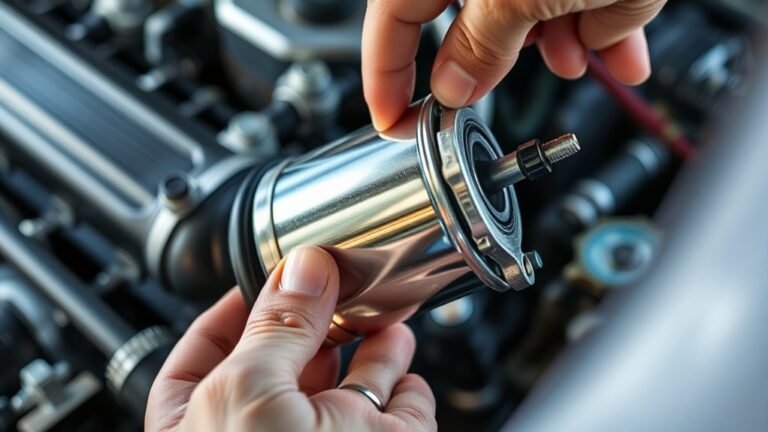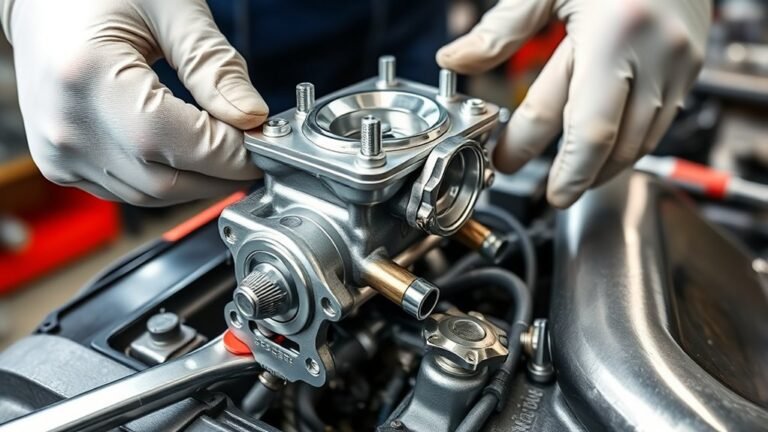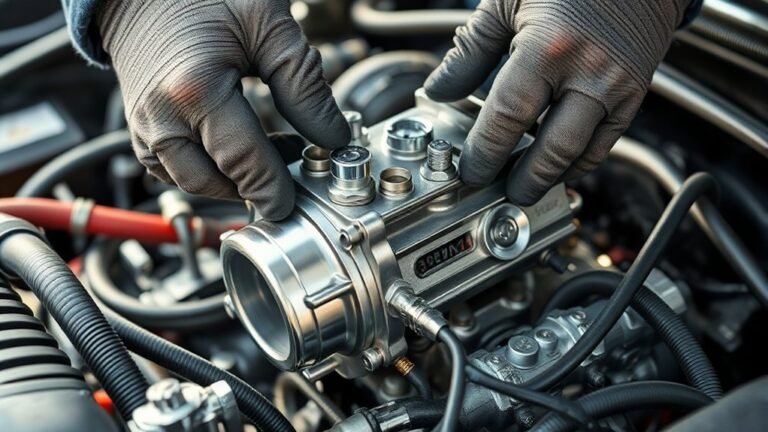
How to Clean Snow Thrower Carburetor
To clean your snow thrower carburetor, first ensure the engine is off and cool. Disconnect the spark plug and drain the fuel to avoid any hazards before starting the process.
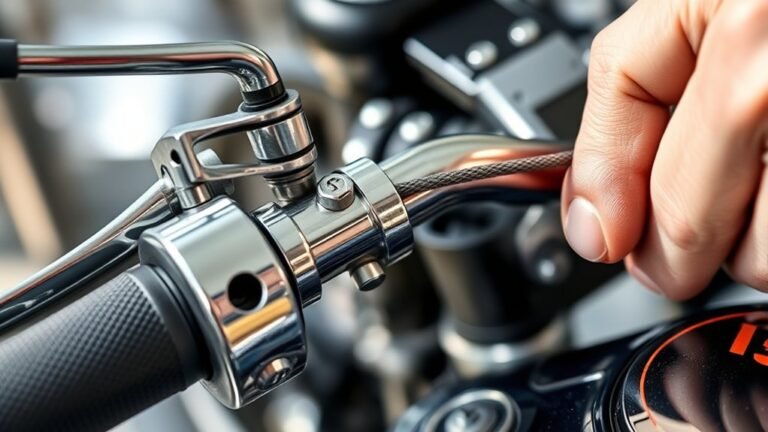
Next, remove the carburetor by detaching the throttle and choke linkages. Unscrew the mounting bolts carefully to avoid damage.
Use carburetor cleaner, a small brush, and compressed air to clear the jets and passages of dirt and old fuel residue. This will help restore proper fuel flow.
Reassemble the carburetor carefully, checking all gaskets and seals for wear or damage. Finally, recalibrate the carburetor to optimize performance.
Keep following for detailed steps to maintain smooth operation.
How to Know When Your Snow Thrower Carburetor Needs Cleaning
How do you determine if your snow thrower’s carburetor needs cleaning? Start by observing engine performance. If your snow blower struggles to start, runs roughly, or stalls frequently, the carburetor is likely clogged with debris or varnish buildup.
Poor acceleration or inconsistent idling also signal carburetor issues. Regular maintenance checks should include inspecting fuel flow and looking for signs of fuel leakage around the carburetor. If fuel smells stale or the engine sputters under load, it’s time for a cleanup.
Dirt, old fuel residues, and moisture accumulation can restrict carburetor jets, affecting air-fuel mixture and engine efficiency. Addressing these symptoms promptly helps avoid extensive engine damage and ensures your snow blower operates reliably throughout winter.
Tools and Supplies for Cleaning Your Snow Thrower Carburetor
To clean your snow thrower carburetor effectively, you’ll need specific tools like screwdrivers, a small wire brush, and compressed air. Choose cleaning solutions designed for carburetors to break down deposits without damaging components.
Don’t forget safety gear. Gloves and eye protection are essential to prevent injury from chemicals and debris.
Essential Cleaning Tools
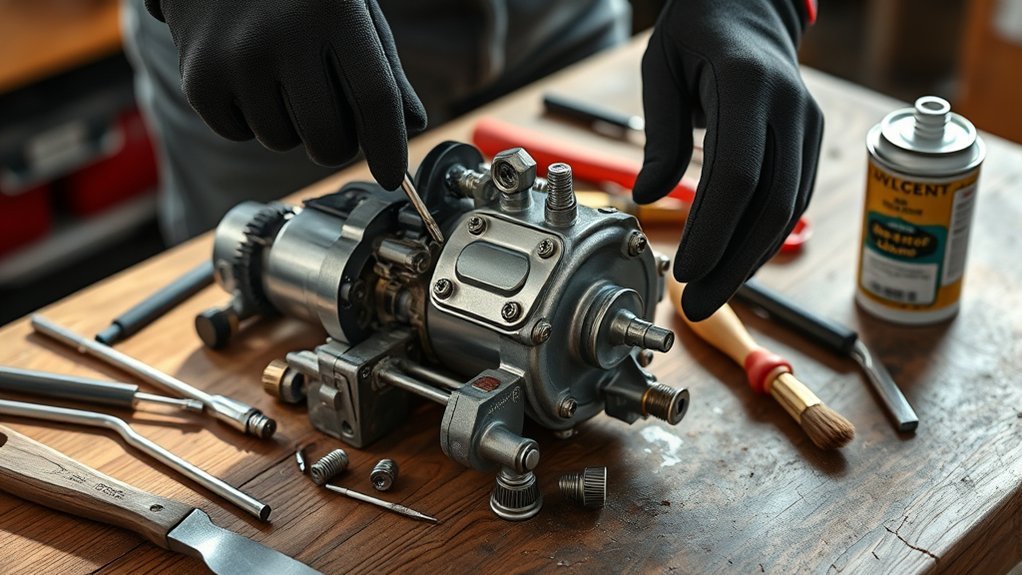
A well-prepared toolkit is essential when cleaning your snow thrower carburetor. You’ll need a set of precision screwdrivers to remove screws without damaging them. A small wire brush helps eliminate dirt and debris from tight spots within the carburetor.
Needle-nose pliers are vital for handling small components and fuel system linkages. Additionally, a clean, lint-free cloth is necessary to wipe down parts during disassembly. A compressed air canister or air compressor allows you to blow out clogged jets and passages effectively.
Don’t forget a small container to hold screws and parts, preventing loss. These tools ensure you can access, clean, and reassemble your snow blower’s carburetor efficiently, maintaining optimal fuel system performance and prolonging your equipment’s lifespan.
Recommended Cleaning Solutions
Once you’ve gathered the right tools for disassembling and handling your snow thrower carburetor, selecting appropriate cleaning solutions becomes the next priority. Use a carburetor-specific cleaner, typically available in spray form, designed to dissolve varnish, gum, and debris without damaging metal or rubber components.
Avoid solvents unrelated to carburetor maintenance, as they can cause corrosion or residue buildup. Additionally, a small container of carburetor soak solution is helpful for submerging parts requiring deep cleaning.
Avoid discussion ideas or unrelated topics like general household cleaners—they’re ineffective here. Using the correct cleaning agents ensures thorough removal of deposits, restoring proper fuel flow and engine performance.
Stick to recommended products for efficiency and to prevent damage, keeping your snow thrower running smoothly throughout the winter season.
Safety Gear Requirements
Why should you prioritize safety gear when cleaning your snow thrower carburetor? Because the process involves handling flammable solvents and small debris that can cause injury. Always wear protective eyewear to shield your eyes from splashes of cleaning solutions and airborne particles.
In addition to eyewear, use nitrile gloves to prevent skin contact with harmful chemicals and wear a long-sleeve shirt to protect your arms. Ensure you work in a well-ventilated area to avoid inhaling fumes.
Safety gear isn’t optional; it’s essential for preventing accidents and chemical exposure. By equipping yourself properly, you minimize risks while maintaining focus on the carburetor cleaning task. Prioritizing safety gear ensures an efficient, injury-free cleaning process.
Preparing Your Snow Thrower for Carburetor Cleaning
Before you start cleaning, ensure your snow thrower is turned off and cooled down to prevent accidents. Gather all necessary tools and materials, including wrenches, carburetor cleaner, and safety gloves.
Following a safety checklist will help you work efficiently and avoid potential hazards.
Safety Precautions Checklist
How should you prepare your snow thrower to guarantee safety during carburetor cleaning? Prioritizing safety protocols and adopting a maintenance mindset are essential before starting. Follow this checklist to minimize risks and ensure effective cleaning:
- Disconnect the spark plug wire to prevent accidental starts.
- Work in a well-ventilated area to avoid inhaling fuel vapors.
- Allow the engine to cool completely before handling components.
- Empty the fuel tank or drain fuel to reduce fire hazards.
- Wear protective gloves and safety glasses for personal protection.
Adhering to these steps helps you maintain control and safety throughout the process. Remember, a disciplined approach reduces injury risk and prevents equipment damage, ensuring your snow thrower operates reliably after cleaning.
Tools And Materials Needed
What tools and materials will you need to efficiently clean your snow thrower’s carburetor? Start with a basic toolkit: screwdrivers, wrenches, and pliers for disassembly.
You’ll also need carburetor cleaner spray, a small wire brush, and compressed air to remove debris using effective cleaning methods. Have a clean container for soaking parts if necessary.
Additionally, a replacement gasket set is essential to prevent leaks after reassembly. Use gloves and safety glasses for protection.
Since fuel types affect carburetor buildup, ensure your snow thrower uses fresh gasoline with appropriate ethanol content to minimize residue.
Finally, a service manual for your model helps identify components and specifications, streamlining the cleaning process and ensuring thorough maintenance.
How to Remove the Snow Thrower Carburetor Safely
When removing the carburetor from your snow thrower, you’ll need to guarantee the engine is completely cool to prevent burns or other injuries. Following your maintenance schedule ensures the engine and carburetor remain in good condition. Always check the fuel quality before starting to avoid contamination during removal.
To safely remove the carburetor:
Disconnect the spark plug to prevent accidental starts.
Turn off the fuel valve and drain fuel from the carburetor.
Label and carefully detach throttle and choke linkages.
Unscrew mounting bolts using the proper tools.
Handle the carburetor gently to avoid damaging gaskets or seals.
These steps protect both you and your snow thrower during carburetor removal.
How to Clean Your Snow Thrower Carburetor
Once the carburetor is safely removed, the next step is to thoroughly clean it to ensure optimal engine performance. Use carburetor cleaner spray to remove varnish and debris from jets and passages.
Pay attention to small parts and avoid damaging gaskets. Wearing gloves and using hand warmers can keep your hands steady in cold conditions, aligning with proper snow shoveling etiquette by preventing rushed, sloppy work.
| Step | Tool Needed | Key Tip |
|---|---|---|
| Spray cleaner | Carburetor spray | Target jets and float bowl |
| Scrub | Soft brush | Avoid scratching metal surfaces |
| Inspect | Magnifying glass | Check for clogs and damage |
| Dry | Compressed air | Ensure all passages are clear |
Proper cleaning ensures efficiency and prevents future carburetor issues.
How to Reassemble and Reattach Your Carburetor
How should you approach reassembling and reattaching your carburetor to guarantee a proper fit and optimal engine function? Precise carburetor maintenance is crucial to avoid fuel system issues after cleaning. Follow these steps to ensure a seamless process:
Align all components exactly as they were before disassembly, checking gaskets for damage. Reinstall the float, needle valve, and jets carefully to prevent misalignment. Securely tighten screws and bolts without over-torquing to avoid stripping threads.
Reattach the carburetor to the intake manifold, ensuring a snug seal with no air leaks. Reconnect fuel lines and throttle linkages, verifying smooth operation without binding.
These steps minimize leaks and improper fuel flow, sustaining reliable snow thrower performance.
Adjusting Your Carburetor for Best Snow Thrower Performance
Why does adjusting your carburetor matter for your snow thrower’s performance? Proper carburetor calibration ensures the optimal air-fuel mixture, directly affecting engine efficiency and power output.
Start by warming up the engine to normal operating temperature. Then, adjust the idle screw to maintain a steady idle speed. Next, fine-tune the mixture screws to balance fuel viscosity and airflow, preventing flooding or lean running conditions.
Pay attention to the fuel viscosity, as thicker fuel may require richer settings for smooth operation. Use a tachometer if available to monitor RPMs during adjustments. Avoid over-tightening screws, which can damage components or cause poor performance.
Regular carburetor calibration after cleaning guarantees reliable starts, consistent power, and efficient fuel consumption, especially in cold weather where fuel viscosity varies.
Troubleshooting Common Snow Thrower Carburetor Issues
When your snow thrower struggles to start or runs unevenly, the carburetor is often the culprit. Common issues usually stem from fuel-related problems or improper maintenance during seasonal storage.
To troubleshoot, check these critical areas:
- Inspect for stale fuel; old gas can clog jets. Drain and replace if necessary.
- Verify the use of fuel additives to prevent varnish buildup during storage.
- Examine the choke and throttle linkages for proper movement.
- Check for dirt or debris blocking the carburetor passages.
- Ensure the float bowl isn’t leaking or damaged, causing fuel overflow.
Addressing these points helps isolate problems quickly. If you’ve maintained your snow thrower properly with fuel additives before seasonal storage, you’ll reduce carburetor troubles and improve reliability.
Preventing Snow Thrower Carburetor Clogs for Smooth Operation
Where should you focus your efforts to prevent carburetor clogs in your snow thrower? Prioritize crafting snow removal routines that include regular carburetor inspections, fuel stabilization, and cleaning.
Proper storage and maintenance are crucial to avoid fuel residue buildup. Use fresh fuel and add a stabilizer before storage to prevent varnish formation in the carburetor.
| Task | Frequency | Key Tip |
|---|---|---|
| Inspect carburetor | Before each season | Check for debris and buildup |
| Use fresh fuel | Every use | Avoid old or contaminated fuel |
| Add fuel stabilizer | Before storage | Prevents varnish and clogs |
| Clean carburetor | Annually | Follow manufacturer’s guide |
Consistent adherence to these steps ensures smooth operation and extends your snow thrower’s lifespan.
Frequently Asked Questions
What Type of Fuel Is Best for My Snow Thrower?
You should use fresh, unleaded gasoline with an octane rating of 87 or higher for prime fuel maintenance and engine performance.
Avoid old or ethanol-blended fuels, as they can cause clogging and reduce your snow thrower’s efficiency.
How Often Should I Service My Snow Thrower Carburetor?
You’ll want to honor your snow thrower’s maintenance schedule by servicing the carburetor at least once a season to avoid common mistakes like fuel buildup and poor performance.
Regular checks guarantee smooth, reliable operation in cold conditions.
Can I Use Carburetor Cleaner Spray Without Removing the Carburetor?
You can use carburetor cleaner spray without removing the carburetor for minor carburetor maintenance. However, thorough cleaning often requires removal.
Always combine this with proper fuel stabilization to prevent future buildup and ensure optimal performance.
What Are the Signs of a Faulty Carburetor Gasket?
You’ll notice a faulty gasket by signs of wear like fuel leaks, engine misfires, rough idling, or difficulty starting. These symptoms indicate the gasket isn’t sealing properly, compromising carburetor performance and causing operational issues.
Is It Safe to Store Fuel in the Snow Thrower During Summer?
Storing fuel in your snow thrower over summer is like leaving milk out in the sun. It degrades, causing gumming and clogs. Avoid this irrelevant topic by draining fuel to prevent stray maintenance and ensure optimal performance.