Can Fuel Injectors Be Cleaned
Yes, you can clean fuel injectors to restore your engine’s performance and improve fuel efficiency. Fuel injectors can become clogged over time due to dirt, varnish, and carbon deposits. This buildup can cause rough idling, poor acceleration, or misfires.
You can perform basic cleaning yourself using a kit or fuel additives. However, professionals use advanced methods for deeper restoration.
Keeping injectors clean helps prevent costly repairs and ensures your engine runs smoothly. Learn how to spot issues and maintain injector health for the best results.
Key Takeaways
- Fuel injectors can be cleaned using DIY kits or professional services to remove dirt, varnish, and carbon deposits.
- Cleaning restores proper fuel flow, improves engine performance, and boosts fuel efficiency.
- DIY cleaning involves injector cleaning kits and solvents but offers limited depth compared to professional ultrasonic cleaning.
- Professional cleaning provides thorough deposit removal, precise flow testing, and injector calibration.
- Regular cleaning prevents costly repairs, rough idling, poor acceleration, and extends engine life.
How Fuel Injectors Get Dirty
How do fuel injectors get dirty in the first place? When you run your engine, fuel travels through injectors that spray a fine mist into the combustion chamber. Over time, impurities in the fuel, like dirt, varnish, and carbon deposits, build up inside these tiny nozzles.
You might not realize it, but the quality of fuel you use plays a big role. Low-grade or contaminated fuel accelerates deposit buildup. Also, short trips that don’t let the engine reach peak temperature can cause incomplete combustion, leading to more residue forming.
As these deposits accumulate, they restrict fuel flow and affect spray patterns. Knowing how injectors get dirty helps you understand why regular maintenance is important to keep your engine running smoothly.
Signs Fuel Injectors Need Cleaning
Although fuel injectors work silently, you’ll notice signs when they need cleaning. Your engine might start misfiring or running roughly because clogged injectors disrupt the fuel flow.
You could also experience reduced fuel efficiency, meaning you’ll find yourself stopping at the pump more often. Another sign is poor acceleration; your vehicle might hesitate or struggle to respond when you press the gas pedal.
Additionally, you might smell fuel odors or see black smoke from the exhaust, indicating incomplete combustion. If your check engine light comes on, it could be linked to injector issues too.
Paying attention to these signs helps you address injector problems early, preventing further engine damage and maintaining smooth vehicle performance.
Benefits of Fuel Injector Cleaning
Why should you consider cleaning your fuel injectors regularly? Cleaning helps restore proper fuel flow, which improves engine performance and responsiveness. You’ll notice smoother acceleration and fewer misfires.
It also boosts fuel efficiency by ensuring the right fuel-air mixture, saving you money at the pump. Additionally, clean injectors reduce harmful emissions, making your vehicle more environmentally friendly.
Over time, deposits can cause rough idling and engine hesitation; cleaning prevents these issues and extends your engine’s lifespan. By maintaining clean fuel injectors, you avoid costly repairs linked to clogged or malfunctioning parts.
Ultimately, regular cleaning keeps your vehicle running reliably and efficiently, giving you peace of mind and better driving enjoyment.
DIY Fuel Injector Cleaning Essentials
To clean your fuel injectors yourself, you’ll need a few essential tools and supplies. I’ll guide you through the step-by-step process to make it straightforward and effective.
With the right approach, you can restore your injectors’ performance without a mechanic.
Necessary Tools Overview
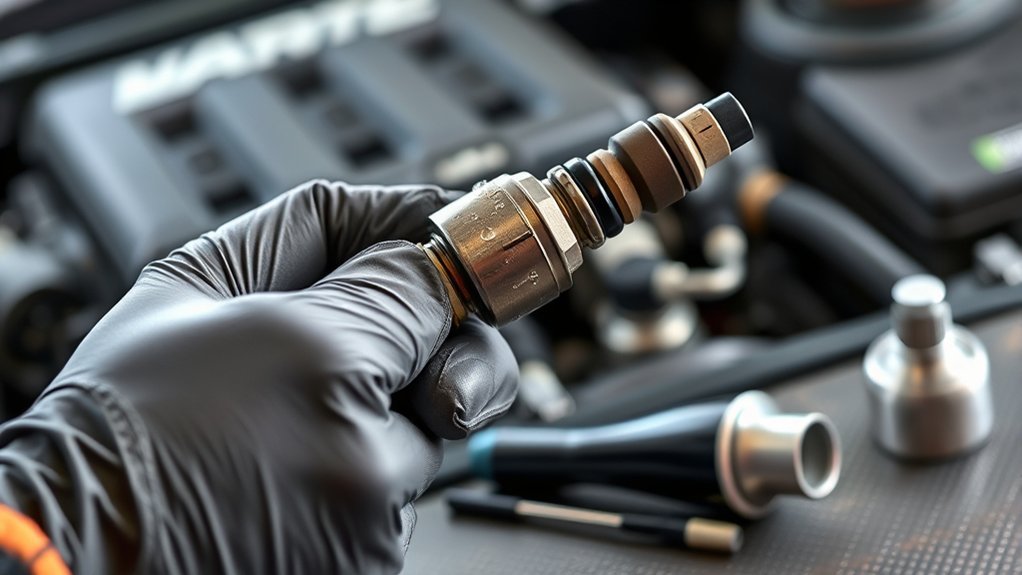
Several essential tools will help you effectively clean your fuel injectors at home. First, you’ll need a fuel injector cleaning kit, which usually includes adapters to connect the injectors to a cleaning solution canister.
A can of specialized fuel injector cleaner or a concentrated cleaning solvent is necessary to remove deposits. Have a set of basic hand tools like screwdrivers and wrenches ready to remove the injectors safely.
Protective gloves and safety glasses are a must to keep you safe from chemicals. Additionally, a multimeter can help check the injector’s electrical resistance before and after cleaning.
Finally, keep a clean workspace with rags or paper towels to catch spills and wipe components. These tools will make the process smoother and more effective.
Step-by-Step Cleaning Process
How do you tackle cleaning your fuel injectors effectively at home? Start by gathering all necessary tools and safety gear. Then, follow these clear steps to ensure a thorough clean:
- Disconnect the fuel injectors carefully from the fuel rail.
- Attach a fuel injector cleaning kit to the injector port.
- Run the cleaning solvent through the injector using a pressurized canister or pump.
- Reinstall the injectors securely after the cleaning is complete.
- Test your vehicle by starting the engine and checking for smoother operation.
Step-by-Step Fuel Injector Cleaning Guide
Wondering where to begin with cleaning your fuel injectors? First, gather the necessary tools: safety glasses, gloves, a fuel injector cleaning kit, and a can of fuel injector cleaner.
Start by relieving the fuel system pressure to avoid spills. Next, disconnect the fuel injectors carefully from the fuel rail and electrical connectors.
Attach the cleaning kit to the fuel rail, ensuring a secure fit. Turn on the cleaning kit, allowing the pressurized cleaner to flow through the injectors, removing deposits.
Run the engine for a few minutes if required by your kit instructions. After cleaning, reconnect the injectors and electrical connectors, then restore the fuel system pressure.
Finally, start your engine to check for smoother performance and improved fuel efficiency.
Comparing DIY and Professional Cleaning Methods
Although cleaning your fuel injectors yourself can save money, professional services offer specialized equipment and expertise that often ensure a more thorough job. When you do it yourself, you’ll rely on fuel additives and simple tools, which might not remove all deposits.
Pros use ultrasonic cleaning and precise flow testing to restore injectors perfectly.
Here’s a quick comparison:
- DIY: Affordable, convenient, uses fuel additives
- DIY: Limited cleaning depth, risk of incomplete results
- Professional: Uses ultrasonic baths, flow rate calibration
- Professional: Identifies underlying injector issues
- Professional: More expensive but ensures long-term performance
You can handle basic cleaning on your own, but professionals provide a deeper, more reliable injector restoration.
When to Choose Professional Fuel Injector Cleaning
You should consider professional fuel injector cleaning if your engine is misfiring, idling roughly, or showing reduced fuel efficiency.
Professionals have the tools and expertise to thoroughly clean injectors and restore optimal performance. Choosing them can save you time and prevent further damage to your vehicle.
Signs You Need
How do you know when your fuel injectors need professional cleaning? If you notice your car’s performance dipping or unusual behavior, it might be time to act. Professional cleaning can restore efficiency and prevent costly repairs.
Watch for these signs:
- Rough idling or engine misfires
- Decreased fuel efficiency despite normal driving habits
- Difficulty starting the engine or frequent stalling
- Loss of power during acceleration
- Unusual engine noises or hesitation when pressing the gas pedal
If you experience any of these symptoms, don’t wait. Getting your fuel injectors professionally cleaned can improve your vehicle’s performance and save you money in the long run.
Benefits Of Professionals
When should you choose professional fuel injector cleaning over a DIY approach? If you notice persistent engine issues after trying basic cleaning, it’s time to call in the pros.
Professionals use specialized equipment that delivers a deeper, more thorough clean than typical at-home kits. They can identify and fix underlying problems, like clogged injectors or fuel system damage, that you might miss.
Plus, they ensure your fuel injectors are calibrated correctly, optimizing your engine’s performance and fuel efficiency. Choosing a professional service saves you time and reduces the risk of costly mistakes.
Fuel Injector Cleaning Frequency
Wondering how often fuel injectors need cleaning? It generally depends on your vehicle’s make, driving habits, and fuel quality. Most experts recommend cleaning fuel injectors every 30,000 to 50,000 miles to maintain optimal performance.
Fuel injector cleaning typically ranges from every 30,000 to 50,000 miles, depending on your vehicle and driving habits.
However, you might need to clean them sooner if you notice symptoms like rough idling or poor acceleration. Here are key factors influencing cleaning frequency:
- Type and quality of fuel used
- Driving conditions (city vs. highway)
- Manufacturer’s maintenance guidelines
- Signs of engine performance issues
- Use of fuel additives or treatments
Tips to Prevent Fuel Injector Clogs
Keeping your fuel injectors clean can save you from costly repairs and performance issues down the road. To prevent clogs, use high-quality fuel that contains detergents to reduce deposits. Avoid letting your fuel tank run too low, as sediment can get sucked into the injectors.
Regularly add fuel injector cleaner additives to your tank, especially if you drive frequently in stop-and-go traffic or dusty conditions. Change your fuel filter as recommended to block contaminants before they reach the injectors.
Also, keep your engine properly tuned; misfires and poor combustion can increase deposits. By following these simple steps, you’ll keep your fuel injectors functioning smoothly, improve fuel efficiency, and extend the life of your engine without needing frequent professional cleaning.
Frequently Asked Questions
What Types of Fuel Injectors Are Best for High-Performance Engines?
You’ll want high-flow, multi-hole fuel injectors for high-performance engines. They deliver fuel more efficiently, improving power and throttle response.
Brands like Bosch or DeatschWerks offer reliable options that handle increased fuel demands without hesitation.
Can Using Premium Fuel Affect Fuel Injector Longevity?
Using premium fuel can protect your injectors like a shield, reducing deposits and wear. You’ll notice smoother performance and longer injector life because premium’s cleaner additives prevent buildup that usually clogs and damages injectors over time.
How Do Fuel Injector Designs Differ Between Gasoline and Diesel Engines?
You’ll find gasoline injectors spray fuel directly into the combustion chamber, designed for precise atomization. Diesel injectors operate under high pressure to inject fuel directly into compressed air, ensuring efficient combustion and power delivery.
Are Fuel Injector Cleaners Safe for All Vehicle Warranties?
You’ll want to tread carefully. Fuel injector cleaners might not always play nicely with your vehicle’s warranty.
It’s wise to check your manual or ask your dealer before using them, ensuring you keep everything in perfect harmony.
What Role Do Fuel Injectors Play in Emissions Control Systems?
Fuel injectors control fuel delivery, ensuring precise combustion that reduces harmful emissions. When you keep them clean, your engine runs efficiently, cutting pollutants and helping your emissions control system work properly to meet environmental standards.
Conclusion
Keeping your fuel injectors clean is essential for your vehicle’s performance. Did you know that clogged injectors can reduce fuel efficiency by up to 10%? By regularly cleaning them yourself or opting for professional service, you’ll save money and boost engine health.
Remember, spotting signs early and maintaining a cleaning routine prevents costly repairs down the road. Taking action now helps keep your ride smooth and efficient for miles to come.
In conclusion, yes, fuel injectors can be cleaned, and doing so is key to maintaining your vehicle’s optimal performance.