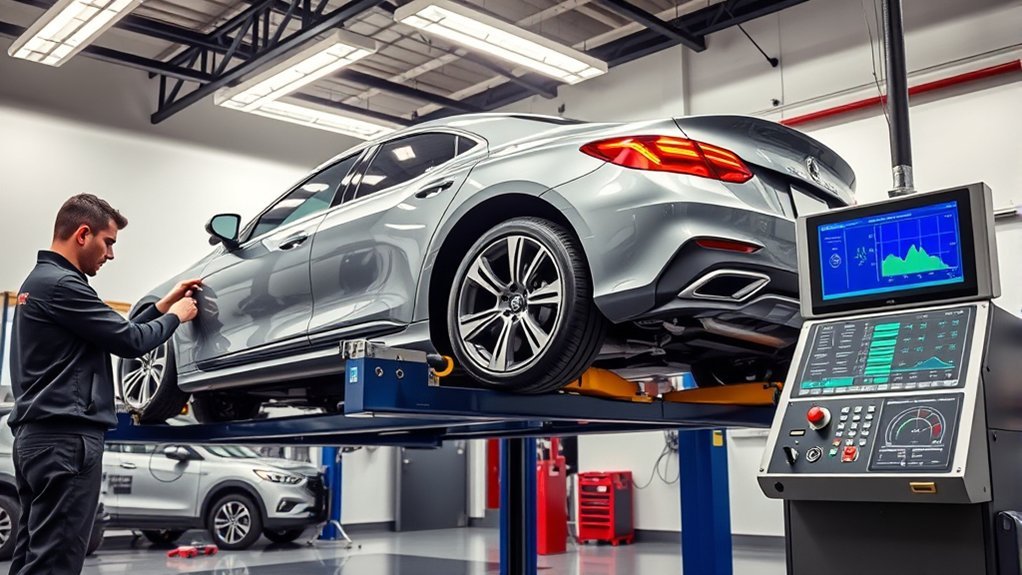
How Long Does a Wheel Alignment Take
A wheel alignment typically takes you between 30 minutes and an hour, depending on your vehicle type and condition.
If your car is standard with no issues, the process moves faster.
Larger vehicles or those with worn parts might take longer.
Using modern equipment and skilled technicians can speed things up.
Pre-checks and scheduling during off-peak times also help reduce your wait.
Keep going to uncover what else affects how long your alignment might take.
Key Takeaways
- A typical wheel alignment takes between 30 minutes and 1 hour, depending on vehicle type and alignment complexity.
- Pre-alignment inspections and any necessary repairs can extend the total service time significantly.
- Advanced equipment and skilled technicians can speed up the alignment process with precise, automated adjustments.
- Larger vehicles like trucks and SUVs generally require more time due to complex suspensions and recalibrations.
- Scheduling alignments during off-peak weekday mornings helps minimize wait times and overall service duration.
How Long Does a Typical Wheel Alignment Take?
How long does a typical wheel alignment take? Usually, you can expect the process to last between 30 minutes to an hour. This depends on the type of alignment your vehicle needs, whether it’s a two-wheel or four-wheel alignment, and the equipment the shop uses.
If your car has standard suspension and no complications, the job moves faster. During the alignment, technicians adjust the angles of your wheels to match the manufacturer’s specifications, ensuring proper handling and tire wear.
You won’t need to wait long once the actual alignment starts because experienced mechanics use precise tools to quickly measure and correct your wheel positions. Just remember, this timeframe only covers the alignment itself, not any additional checks or repairs.
How Pre-Alignment Checks Affect Your Wait Time
While the actual wheel alignment usually takes 30 minutes to an hour, the total time you spend at the shop can be longer due to pre-alignment checks. These checks are essential because they ensure the alignment process goes smoothly and safely.
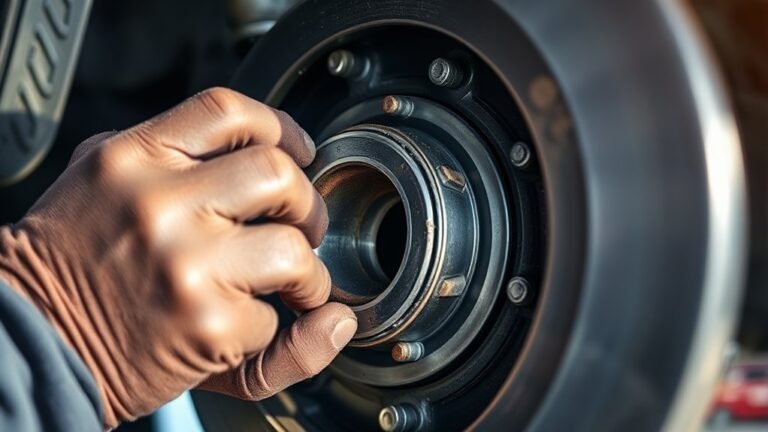
For example, the technician will inspect your tires for wear and proper inflation, as uneven tires can affect alignment results. They’ll also check suspension components and steering systems to identify any damage or wear that might need fixing before alignment.
If any issues come up during these checks, the mechanic may recommend repairs first, which adds to your wait time. By understanding this, you’ll be better prepared for a potentially longer visit, knowing the shop is prioritizing accurate and safe alignment.
How Vehicle Type Affects Wheel Alignment Duration
Your vehicle type plays a big role in how long a wheel alignment takes. Passenger cars usually require less time than trucks because of their smaller size and simpler suspension systems.
When you bring in a larger vehicle, expect a bit more time due to the extra adjustments needed.
Passenger Cars vs. Trucks
What makes wheel alignment times vary between passenger cars and trucks? When you bring in a passenger car, the process tends to be quicker because these vehicles typically have simpler suspension systems and easier access to alignment points.
Trucks, on the other hand, often come with more complex suspension setups designed for heavy-duty use, which means the technician has to spend extra time adjusting multiple components. Also, trucks may require specialized equipment or additional calibration steps that you wouldn’t encounter with a standard car.
While both types need precise alignment for safe driving, expect the service for trucks to take longer due to these factors. Knowing this helps you plan better, whether you drive a compact sedan or a full-size pickup.
Impact of Vehicle Size
When it comes to wheel alignment, the size of your vehicle plays a significant role in how long the process takes. Larger vehicles like SUVs, trucks, and vans often require more time for alignment than smaller passenger cars. This is because bigger vehicles have more complex suspension systems and heavier components, making adjustments more involved.
Plus, the alignment equipment might need recalibration to handle the vehicle’s size.
Here’s why vehicle size impacts alignment time:
- Larger suspension and steering components take longer to measure and adjust.
- Heavier vehicles may require lifts or special equipment, adding setup time.
- More extensive calibration ensures precise alignment for safety and tire longevity.
Why Shop Equipment Speeds Up Wheel Alignments
How exactly does shop equipment speed up wheel alignments? When you bring your car in, specialized machines quickly measure your wheels’ angles with precision. This cuts down on guesswork and manual adjustments, saving you time.
The equipment also provides instant feedback, so the technician knows right away if further tweaks are needed.
| Equipment Feature | Benefit |
|---|---|
| Laser Sensors | Accurate, fast measurements |
| Computer Software | Instant data analysis |
| Adjustable Racks | Secure, quick positioning |
| Digital Displays | Clear alignment info |
With these tools, the entire process becomes much more efficient, letting you get back on the road faster without compromising quality or safety.
What to Expect During a Wheel Alignment
Curious about the steps involved in a wheel alignment? When you bring your vehicle in, the technician will first inspect your tires and suspension for any damage or wear. Then, they’ll mount sensors on the wheels to measure your car’s alignment angles precisely. Finally, they’ll adjust the angles to match the manufacturer’s specifications.
Here’s what you can expect during the process:
- Initial inspection of tires and suspension components.
- Attaching alignment sensors and running diagnostic checks.
- Adjusting camber, caster, and toe angles to optimal settings.
You’ll usually wait in the lounge, as the entire process takes about 30 to 60 minutes. By the end, your vehicle should handle better, and your tires will wear more evenly.
How Advanced Wheel Alignments Affect Time and Process
When you opt for advanced wheel alignments, precision technology plays a big role in speeding up the process. These systems improve accuracy, so adjustments happen faster and with fewer errors.
You’ll notice the overall alignment takes less time while delivering better results.
Precision Technology Impact
Why does precision technology matter in wheel alignments? It ensures your vehicle’s alignment is exact, improving safety, tire longevity, and fuel efficiency. With advanced systems, technicians use laser or camera-based tools that measure angles with incredible accuracy, reducing guesswork.
Here’s how precision technology impacts your alignment:
- Accuracy – Measurements are pinpoint, minimizing errors that cause uneven tire wear.
- Consistency – Repeatable results ensure your alignment stays true over time.
- Diagnostic Capability – The technology detects subtle issues beyond basic alignment, catching problems early.
Process Efficiency Improvements
How quickly can you expect a wheel alignment to be completed with today’s advanced technology? Modern alignment systems streamline the entire process, markedly cutting down the time you spend in the shop.
Automated sensors and computerized measurements deliver accurate readings instantly, so technicians don’t have to perform manual checks or guesswork. This efficiency means adjustments happen faster and with greater precision.
Additionally, integrated software guides the technician step-by-step, reducing errors and eliminating unnecessary rechecks. You’ll notice that what once took an hour or more now often wraps up in less than 30 minutes.
These process improvements not only save you time but also enhance the quality of the alignment, ensuring your vehicle handles better and your tires last longer.
How to Prepare Your Car for a Faster Wheel Alignment
Wondering what you can do to speed up your wheel alignment? Preparing your car beforehand helps the technician work efficiently and cuts down your wait time. Here’s how to get ready:
- Check Tire Pressure: Ensure all tires are inflated to the recommended levels. Uneven pressure can affect alignment accuracy and add extra adjustment time.
- Clear the Vehicle: Remove heavy items, especially from the trunk. A lighter car allows easier movement on alignment racks.
- Fix Obvious Issues: Address any suspension or tire damage beforehand. Technicians can’t perform a proper alignment if critical components need repair.
When to Schedule Your Alignment to Avoid Waits
When should you schedule your wheel alignment to skip long wait times? Aim for early weekdays, especially Tuesday or Wednesday mornings when shops tend to be less busy. Avoid weekends and late afternoons, as these are peak times for service centers.
Booking your appointment in advance can also save you time, letting the shop plan your visit efficiently. If you notice uneven tire wear or your vehicle pulling to one side, don’t delay. Schedule promptly to prevent further issues.
Seasonal changes can increase demand, so try to book before winter or after heavy road salt use. By choosing off-peak hours and planning ahead, you’ll get your wheel alignment done faster without unnecessary waits.
Key Factors That Affect Wheel Alignment Duration
What influences the time it takes to complete a wheel alignment? Several key factors come into play that can either speed up or slow down the process. Understanding these will help you set realistic expectations when scheduling your service.
1. Vehicle Type and Condition
Different vehicles have varying suspension setups, and worn or damaged parts can require extra attention, extending the alignment time.
2. Alignment Equipment and Technology
Modern, computerized alignment machines perform adjustments faster and more accurately than older tools.
3. Technician Experience
Skilled technicians can diagnose and correct alignment issues more efficiently, reducing the overall time.
Frequently Asked Questions
How Often Should I Get a Wheel Alignment?
You should get a wheel alignment every 6,000 to 10,000 miles or at least once a year.
If you notice uneven tire wear or your car pulling to one side, don’t wait. Get it checked right away.
Can a Misaligned Wheel Affect Fuel Efficiency?
Yes, a misaligned wheel can reduce your fuel efficiency by up to 10%. When your wheels aren’t aligned, your engine works harder, wasting fuel.
Keeping them properly aligned helps you save money and drive smoother.
Is Wheel Alignment Covered by Car Insurance?
You usually won’t find wheel alignment covered by car insurance since it’s considered maintenance. However, if an accident causes misalignment, your insurer might cover the repair.
Check your policy for specific details and exclusions.
Can I Drive Immediately After a Wheel Alignment?
You can drive right away, feeling your car glide smoothly like a skater on ice. Just guarantee your technician finished the job properly, so every turn feels balanced and precise, keeping your journey safe and steady.
How Much Does a Wheel Alignment Typically Cost?
You’ll typically pay between $75 and $150 for a standard wheel alignment. Prices can vary based on your vehicle type and location, so it’s smart to call around or check online for the best deal near you.
Conclusion
Getting your wheel alignment done doesn’t have to feel like a chore. Like a well-tuned orchestra, every step—from pre-alignment checks to advanced adjustments—works together to get you back on the road smoothly and quickly.
By understanding the factors that affect timing and preparing your car ahead of time, you’ll save yourself from unnecessary waits.
Schedule smartly, and you’ll be driving straight and true before you know it. Knowing how long does a wheel alignment take can help you plan your day better and ensure a hassle-free experience.