What Tire Pressure Is Too Low
You’ve got dangerously low tire pressure when it falls well below your car’s recommended PSI, usually found on the driver’s door jamb or owner’s manual.
Knowing what tire pressure is too low is crucial for maintaining vehicle safety and performance.
Low pressure can make your car feel sluggish, reduce grip, and cause uneven tire wear. It also increases the risk of tire blowouts and lowers fuel efficiency.
If you want to avoid safety risks and costly tire damage, it’s important to understand the signs and how to maintain proper pressure.
Regularly checking your tire pressure helps ensure a safer and smoother driving experience.
Key Takeaways
- Tire pressure is too low when it falls below the manufacturer’s recommended PSI found on the driver’s door jamb or owner’s manual.
- A tire is considered dangerously low if it causes the TPMS warning light to illuminate.
- Pressure significantly below the recommended level causes sluggish steering and reduced road grip.
- Tires below recommended pressure wear unevenly and increase the risk of overheating and blowouts.
- Driving on low tire pressure reduces fuel efficiency and compromises overall vehicle safety.
How to Spot Low Tire Pressure Signs
How can you tell if your tire pressure is too low? One clear sign is if your car feels sluggish or less responsive when you steer. Low pressure makes tires softer, reducing their grip and increasing rolling resistance.
You might also notice uneven tire wear, especially on the outer edges, because underinflated tires don’t distribute weight evenly. Another indicator is a noticeable drop in fuel efficiency. Your engine has to work harder to move the car.
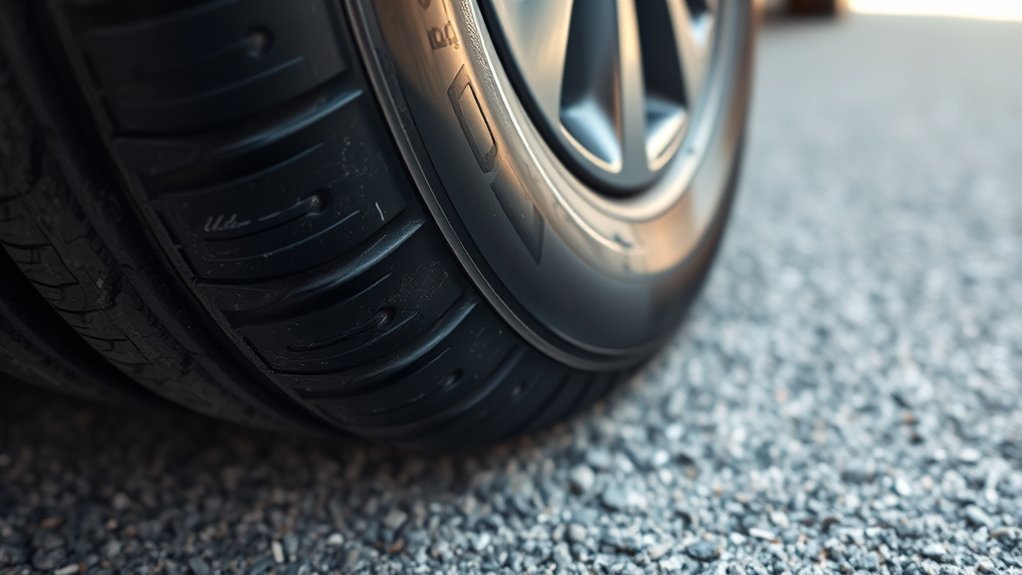
Visually, your tires may look flatter than usual, especially if they’ve lost a significant amount of air. Finally, your tire pressure monitoring system (TPMS) might alert you with a warning light. Paying attention to these signs helps you catch low pressure early and avoid potential safety risks.
What Is the Recommended Tire Pressure for Your Vehicle?
Where can you find the ideal tire pressure for your vehicle? Check the sticker located on the driver’s side door jamb or the inside of the fuel door. This sticker lists the manufacturer’s recommended tire pressure, usually measured in PSI (pounds per square inch).
You can also find this information in your vehicle’s owner’s manual. Avoid relying on the number printed on the tire itself; that’s the maximum pressure, not the recommended one. Maintaining this specified pressure ensures optimal performance, safety, and fuel efficiency.
Why Driving on Low Tire Pressure Is Dangerous
Why does driving on low tire pressure put you at risk? When your tires aren’t properly inflated, they don’t grip the road as well, which can reduce your control, especially in wet or slippery conditions.
Low pressure also makes your tires more prone to overheating, increasing the chance of a blowout while you’re driving. This sudden failure can cause you to lose control, leading to dangerous accidents.
Additionally, underinflated tires respond slower to steering inputs, making it harder to maneuver quickly in emergencies. You might not notice these issues until it’s too late, so regularly checking and maintaining the right tire pressure is essential for your safety on the road.
Don’t let low pressure put you or others in harm’s way.
How Low Tire Pressure Hurts Fuel Efficiency and Tire Life
Ever wondered how your tire pressure affects your wallet? When your tires are underinflated, they create more rolling resistance, forcing your engine to work harder and burn extra fuel. This means you’ll fill up the tank more often, spending more money on gas.
Plus, low tire pressure causes uneven tire wear, especially on the edges, which shortens your tires’ lifespan. You end up replacing them sooner than you should.
Driving on underinflated tires also makes them heat up excessively, increasing the risk of blowouts and further damaging the rubber. Keeping your tires properly inflated helps you save money on fuel and tire replacements, so don’t ignore those pressure warnings. They directly impact your vehicle’s efficiency and your budget.
How to Check and Maintain Proper Tire Pressure
How often do you check your tire pressure? Keeping it at the right level is essential for safety and efficiency. Here’s how you can check and maintain proper tire pressure:
- Use a reliable tire pressure gauge. Digital or dial gauges offer accurate readings. Check when tires are cold, ideally before driving.
- Know the recommended pressure. Find this info on your vehicle’s door jamb or owner’s manual. Don’t guess; over- or under-inflation affects performance.
- Adjust pressure as needed. Add air if below the recommended level, or release air if it’s too high. Regularly inspect tires for leaks or damage.
What to Do When Your Tire Pressure Is Too Low
If you notice your tire pressure is too low, start by checking it regularly to catch any drops early. Then, inflate your tires to the recommended level to guarantee safe driving.
Finally, inspect your tires for any damage that might be causing the problem.
Check Tire Pressure Regularly
Why should you check your tire pressure regularly? Because maintaining the correct pressure keeps your vehicle safe, efficient, and extends tire life. Underinflated tires can cause poor handling, increased wear, and higher fuel consumption.
Checking tires often lets you catch problems early before they lead to costly repairs or accidents.
Here are three key reasons to check tire pressure regularly:
- Safety: Properly inflated tires improve traction, braking, and overall control.
- Cost savings: Correct pressure reduces uneven tire wear and boosts fuel efficiency.
- Performance: Well-inflated tires ensure a smoother ride and optimal vehicle handling.
Make it a habit to check your tire pressure at least once a month and before long trips to keep your tires in top shape.
Inflate Tires To Recommended
Wondering what to do when your tire pressure dips below the recommended level? The first step is to inflate your tires to the proper pressure listed in your vehicle’s manual or on the sticker inside the driver’s door.
Use a reliable tire pressure gauge to check current pressure, then add air gradually. Avoid overinflating, as too much pressure can cause uneven wear and reduce traction. Inflate your tires when they’re cold for the most accurate reading.
If you don’t have an air compressor at home, most gas stations have air pumps you can use. Keeping your tires inflated to the recommended pressure improves fuel efficiency, handling, and safety, so make it a habit to top them up regularly.
Inspect Tires For Damage
After inflating your tires to the recommended pressure, take a moment to inspect them for any signs of damage. Low tire pressure can sometimes hide underlying problems that could compromise your safety on the road.
Here’s what you should look for:
- Cracks or Cuts: Check the sidewalls and tread for any visible cracks or cuts that might lead to blowouts.
- Bulges or Blisters: These are signs of internal damage and indicate that the tire needs immediate replacement.
- Foreign Objects: Remove nails, glass, or debris embedded in the tire to prevent slow leaks.
Frequently Asked Questions
Can Low Tire Pressure Cause Uneven Tire Wear?
Yes, low tire pressure can cause uneven tire wear because it makes your tires flex more, increasing wear on the edges.
You should check and maintain proper pressure regularly to extend your tires’ life and improve safety.
Does Tire Pressure Affect Braking Distance?
Yes, tire pressure affects braking distance. When your tires are underinflated, they don’t grip the road properly, increasing stopping time and distance.
Keeping your tire pressure correct helps you brake safely and avoid accidents.
How Does Temperature Change Impact Tire Pressure?
You’ll notice tire pressure drops when temperatures fall because air contracts, and it rises when it’s warm since air expands.
Are Run-Flat Tires Affected Differently by Low Pressure?
Like a knight’s armor, run-flat tires protect you when pressure drops. Yes, they handle low pressure better, letting you drive safely for a short distance, but you still shouldn’t ignore the warning or delay repairs.
Can Low Tire Pressure Trigger Dashboard Warning Lights?
Yes, low tire pressure can trigger your dashboard warning lights, especially the Tire Pressure Monitoring System (TPMS). It alerts you to unsafe pressure levels, so you should check and inflate your tires promptly to avoid damage or accidents.
Conclusion
If you let your tire pressure drop too low, it’s like driving on pillows made of jelly—unstable, risky, and a total nightmare for your car’s health. Don’t let your tires turn into flat, fuel-guzzling disasters.
Keep them properly inflated, or you might as well be inviting expensive repairs, poor gas mileage, and a bumpy, unsafe ride. Check your pressure often—you’re literally steering your safety and savings with every mile!
Knowing what tire pressure is too low is essential to avoid these problems and keep your vehicle running smoothly.