What Is Wheel Bearings on a Car
Wheel bearings on a car are small, tough components located inside the wheel hub that allow your wheels to spin smoothly with minimal friction while supporting your vehicle’s weight. They play a crucial role in ensuring a safe and comfortable driving experience.
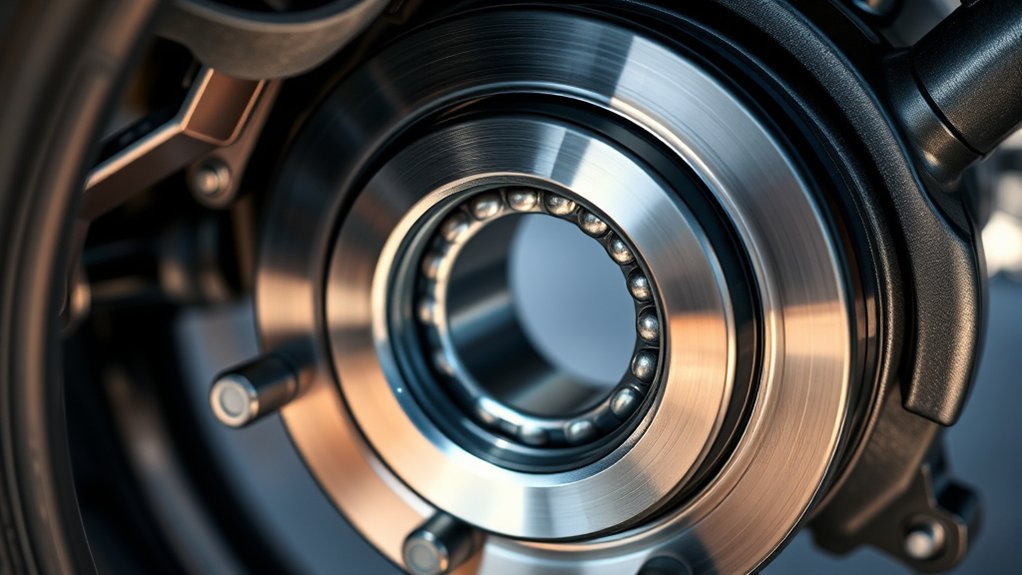
These bearings consist of steel balls or rollers placed between metal races, which help reduce wear and heat buildup. This design keeps the wheels turning efficiently and prevents damage from friction.
If you notice your wheels humming, vibrating, or wearing unevenly, it could be a sign that the wheel bearings are failing. Understanding how they work, recognizing signs of problems, and knowing how to maintain or replace them is essential for keeping your drive safe and smooth.
Key Takeaways
- Wheel bearings are small, durable components that enable wheels to spin smoothly with minimal friction.
- They are located inside the wheel hub and support the vehicle’s weight while allowing wheel rotation.
- Bearings consist of steel balls or rollers between two metal races to reduce friction and wear.
- Properly functioning wheel bearings maintain wheel alignment, balance, and ensure safe driving performance.
- They rely on grease lubrication to minimize heat buildup and extend their lifespan.
What Are Wheel Bearings and Why Do They Matter?
What exactly are wheel bearings, and why should you care about them? Wheel bearings are small, durable components that let your car’s wheels spin smoothly with minimal friction. They’re located inside the wheel hub, supporting the weight of your vehicle while allowing the wheels to rotate freely.
If you don’t pay attention to your wheel bearings, you might face serious problems like uneven tire wear, poor handling, or even wheel failure. You rely on them every time you drive, so keeping them in good shape is essential for safety and performance.
Ignoring worn or damaged wheel bearings can lead to costly repairs or accidents. Understanding their role helps you recognize symptoms early and take action before things get worse.
How Do Wheel Bearings Work?
How exactly do wheel bearings enable your car’s wheels to turn so smoothly? Inside each wheel hub, wheel bearings consist of small steel balls or rollers that sit between two metal rings called races. These balls reduce friction by allowing the wheel to rotate freely around the axle with minimal resistance.
When you drive, the bearing supports the vehicle’s weight while letting the wheel spin effortlessly. The balls roll smoothly inside the races, which keeps everything aligned and balanced. This design minimizes heat buildup and wear, ensuring consistent performance.
What Are the Signs of Failing Wheel Bearings?
You’ll notice signs like unusual noise while driving, uneven tire wear, or vibration in the steering wheel when your wheel bearings start failing. These symptoms mean it’s time to check your bearings before they cause bigger problems.
Paying attention now can save you from costly repairs later.
Noise While Driving
When does that strange humming or grinding noise start while you’re driving? It usually begins as a low hum that gets louder as your speed increases. You might notice it changing when you turn, especially if it’s a worn wheel bearing.
This noise often signals the bearing’s internal components are wearing out or damaged. Ignoring it can lead to more serious issues, like a failed bearing that affects your vehicle’s handling.
Pay attention if the noise intensifies or shifts when you steer, as this often pinpoints the problem side. Catching this early lets you replace the bearing before it causes further damage or safety risks.
Don’t wait. Addressing the noise promptly keeps your car running smoothly and safely.
Uneven Tire Wear
Why do your tires wear unevenly, and could it be a sign your wheel bearings are failing? When a wheel bearing starts to go bad, it causes the wheel to wobble or misalign slightly. This uneven rotation puts unusual pressure on certain parts of your tire, leading to uneven wear.
If you ignore this, it can quickly damage your tires and affect your car’s handling.
Watch out for these signs that point to failing wheel bearings causing uneven tire wear:
- One tire wears down faster than others, especially on the inside or outside edges.
- You notice a rough or bumpy feeling while driving, indicating the wheel isn’t rotating smoothly.
- Tire tread patterns look irregular, signaling misalignment linked to the bearing issue.
Catch it early to save money and stay safe on the road.
Steering Wheel Vibration
How can you tell if your wheel bearings are failing just by holding the steering wheel? One clear sign is noticeable vibration or shaking while driving, especially at higher speeds.
If you feel a consistent wobble or pulse through the wheel, it often points to worn or damaged wheel bearings. This happens because the bearings no longer allow the wheel to rotate smoothly, causing uneven movement.
You might also notice the vibration intensifies when turning, as the load on the bearings changes. Ignoring this can lead to more severe issues, like steering problems or even wheel detachment.
Why Do Wheel Bearings Fail?
Although wheel bearings are built to last, they can fail if you don’t maintain them properly or if they’re exposed to harsh conditions. When wheel bearings fail, it often feels sudden and can leave you stranded or facing costly repairs. Understanding why they fail helps you realize the importance of attention.
Here are three common reasons wheel bearings give out:
1. Lack of lubrication
Without enough grease, friction wears down the bearings quickly, causing noise and heat buildup.
2. Water and dirt intrusion
Contaminants get inside the bearing, leading to corrosion and damage.
3. Excessive impact or heavy loads
Hitting potholes or carrying heavy weight stresses the bearings beyond their limits.
Recognizing these causes can help you avoid serious problems down the road.
How to Keep Your Wheel Bearings in Good Shape
To keep your wheel bearings in good shape, you’ll want to follow regular maintenance tips and watch for early signs of wear. Proper lubrication is key, so make sure you use the right methods to keep them running smoothly.
Paying attention now can save you from costly repairs later.
Regular Maintenance Tips
Keeping your wheel bearings in good shape means staying on top of regular maintenance tasks. You don’t want unexpected repairs or safety hazards, so make these habits part of your routine:
- Inspect and clean: Regularly check your wheel bearings for dirt, grime, or damage. Clean them carefully to prevent corrosion and buildup that can wear them down prematurely.
- Lubricate properly: Use the right grease to keep your bearings running smoothly. Proper lubrication reduces friction and heat, extending their lifespan.
- Check tightness: Ensure wheel bearings are properly tightened during tire changes or maintenance. Loose bearings can cause wobbling and serious damage.
Signs of Wear
Regular maintenance helps prolong your wheel bearings’ life, but it’s just as important to recognize when they start showing signs of wear. You might notice a humming or grinding noise coming from your wheels, especially as you turn.
If your steering feels loose or less responsive, that’s another red flag. Vibrations or wobbling in the wheel can also signal worn bearings. Sometimes, you may feel unusual resistance when turning the steering wheel.
Ignoring these signs can lead to serious damage or even unsafe driving conditions. By paying close attention to these symptoms, you can address issues early and keep your wheel bearings in good shape, ensuring smooth and safe rides every time you hit the road.
Proper Lubrication Methods
Although wheel bearings are designed to withstand heavy use, they still need proper lubrication to function smoothly and last longer. Neglecting this can lead to overheating, noise, and premature failure. To keep your wheel bearings in good shape, follow these essential lubrication methods:
1. Use the Right Grease
Always choose high-quality, wheel bearing-specific grease to ensure proper protection under extreme pressure and heat.
2. Clean Before Lubricating
Remove old grease and debris thoroughly before applying fresh grease to avoid contamination that can damage bearings.
3. Apply Adequate Amount
Don’t skimp on grease; pack the bearing fully but avoid overfilling, which can cause excess heat buildup.
When and How Should You Replace Wheel Bearings?
How do you know when it’s time to replace your wheel bearings? Listen for humming or grinding noises coming from your wheels, especially when turning. You might also feel vibrations or looseness in the steering wheel.
If you notice uneven tire wear or your ABS warning light turns on, it’s wise to check your bearings. To replace them, first lift the vehicle safely and remove the wheel and brake components.
Then, take off the hub assembly to access the bearings. Clean the area, inspect for damage, and install new bearings, making sure to pack them with fresh grease.
Finally, reassemble everything securely and test-drive your car to confirm the repair. If you’re unsure, always consult a professional mechanic.
Frequently Asked Questions
Can Wheel Bearings Affect Fuel Efficiency?
Yes, worn wheel bearings can reduce fuel efficiency. They create extra friction, making your engine work harder.
If you want to save gas and avoid damage, you should get them checked and replaced when needed.
Are Wheel Bearings Covered Under Car Warranty?
Yes, wheel bearings are often covered under your car’s warranty, especially if they fail due to defects.
However, coverage varies by manufacturer and warranty type, so you should check your specific warranty details to be sure.
How Much Does Wheel Bearing Replacement Typically Cost?
Replacing wheel bearings typically costs between $150 and $400, like fixing a watch’s delicate gears.
You’ll pay for parts and labor, but prices vary depending on your car model and mechanic’s rates.
Can I Drive Safely With a Bad Wheel Bearing?
You shouldn’t drive with a bad wheel bearing because it can cause noise, vibration, and even wheel detachment.
Get it checked and replaced promptly to stay safe and avoid costly damage to your car.
Do All Cars Use the Same Type of Wheel Bearings?
No, you won’t find the same wheel bearings in every car. Different vehicles use various types based on design, weight, and performance needs.
Always check your car’s manual to get the right bearing type for your ride.
Conclusion
Think of your wheel bearings as the quiet heroes beneath your car, the wheels’ trusted allies keeping every journey smooth and steady. When they falter, your ride feels shaky, like a ship losing its compass.
By paying attention to their signs and caring for them regularly, you keep your car’s heart beating strong. Replace worn bearings promptly, and you’ll ensure your wheels keep spinning true, guiding you safely down every road ahead.
Taking care of wheel bearings is essential for maintaining a safe and comfortable drive.