What Does Lt Mean on a Tire
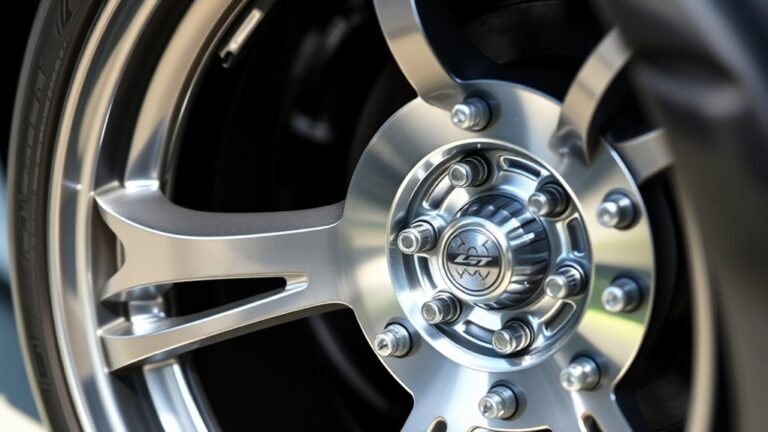
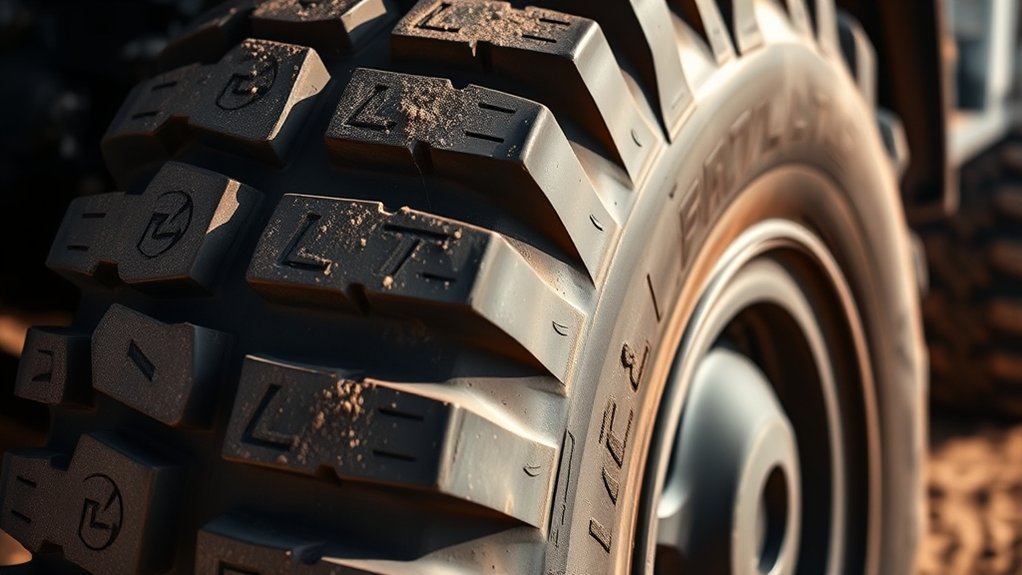
When you see “LT” on a tire, it means that the tire is made for light trucks, SUVs, and vans. LT stands for Light Truck, indicating these tires are designed specifically for heavier-duty use compared to regular passenger tires.
These tires are built tougher, with reinforced sidewalls and stronger materials. This construction allows them to handle heavier loads and rougher conditions better than standard tires.
LT tires also offer better grip off-road and have a higher load capacity. If your vehicle hauls cargo often or tackles rugged terrain, LT tires might be a smart choice.
Keep exploring how they impact your ride and maintenance. Understanding the benefits can help you choose the best tire for your needs.
Key Takeaways
- LT stands for “Light Truck,” indicating tires designed for light trucks, SUVs, and vans.
- LT tires feature reinforced sidewalls and stronger materials for heavier loads and rough conditions.
- They offer higher load capacity and durability compared to standard passenger tires.
- LT tires have aggressive tread patterns suited for both on-road and off-road use.
- These tires typically require higher inflation pressure and regular maintenance for safety and performance.
What Does “LT” Mean on a Tire Sidewall?
What does the “LT” on your tire sidewall actually stand for? It means “Light Truck.” When you see LT, the tire is designed specifically for light trucks, SUVs, and vans.
These tires are built tougher to handle heavier loads and rougher conditions compared to passenger tires. If you drive a vehicle that regularly hauls cargo or goes off-road, LT tires provide the durability and strength you need.
They typically have reinforced sidewalls and stronger materials to resist punctures and wear. Knowing that LT stands for Light Truck helps you understand why these tires perform differently and why they’re recommended for certain vehicles.
How to Read LT Tire Size and Ratings
Wondering how to decode the numbers and letters on your LT tire? Start with the size code, like LT265/75R16. “LT” means it’s for light trucks. The first number (265) shows the tire’s width in millimeters. The next number (75) is the aspect ratio, tire height as a percentage of width.
“R” stands for radial construction, and the last number (16) is the wheel diameter in inches. You’ll also see load range ratings, such as C, D, or E, indicating the tire’s load-carrying capacity. Higher letters mean stronger tires with higher ply ratings.
Don’t overlook the speed rating at the end, which tells you the maximum safe speed. Understanding these details helps you pick the right LT tire for your vehicle’s needs.
How Do LT Tires Differ From Regular Tires?
You’ll notice LT tires have a higher load capacity compared to regular tires, making them better for heavy-duty use. Their tread designs are also more aggressive to handle rough terrains and provide better traction.
Understanding these differences helps you choose the right tire for your needs.
Load Capacity Differences
How much more weight can LT tires handle compared to regular tires? LT tires, designed for light trucks, generally support significantly higher loads than passenger tires. While a typical passenger tire might handle around 1,200 pounds, LT tires often carry 2,500 pounds or more per tire.
This difference comes from their reinforced sidewalls and stronger construction, which help you haul heavier cargo or tow trailers safely. When you choose LT tires, you’re opting for durability and strength, especially if your vehicle regularly faces demanding conditions or carries substantial weight.
Tread Design Variations
Why do LT tires look and perform differently on the road? It’s all about their tread design. LT tires are built for tougher conditions, so their tread patterns are more aggressive and durable compared to regular tires.
Here’s how they differ:
- Deeper grooves for better mud and snow traction
- Larger, more spaced-out tread blocks to self-clean debris
- Reinforced sidewalls with tread extending onto them for extra grip
- Stiffer tread compounds that resist cuts and punctures
- Tread patterns designed to handle heavy loads without excessive wear
When you choose LT tires, you’re picking a tread that’s ready for rugged terrain and heavy-duty use, unlike regular tires that focus more on comfort and fuel efficiency.
Why Load Capacity Is Key for LT Tires
Load capacity plays a pivotal role when choosing LT tires because these tires are designed to carry heavier loads than standard passenger tires. When you pick LT tires, you’re ensuring your vehicle can handle increased weight safely, whether you’re hauling gear or towing.
This added strength comes from reinforced sidewalls and tougher construction, which helps prevent tire failure under stress. If you underestimate load capacity, you risk compromising your safety and tire performance.
Knowing the exact load rating helps you match tires to your vehicle’s demands, so you avoid overloading. In short, understanding load capacity lets you make smarter tire choices that protect your vehicle, improve durability, and maintain control, especially when carrying heavy loads or navigating tough terrains.
When Should You Choose LT Tires for Your Vehicle?
When do you actually need LT tires on your vehicle? You should consider LT tires if your driving or work conditions demand extra strength and durability. These tires are designed to handle heavier loads and tougher terrains, making them ideal for specific situations.
Choose LT tires when:
- You frequently tow trailers or haul heavy loads
- You drive on rugged off-road trails or uneven terrain
- Your vehicle is a pickup or heavy-duty truck used for work
- You need increased tire durability to prevent punctures and damage
- You require better traction in mud, snow, or loose gravel
If your daily driving involves any of these, LT tires will provide the reliability and performance you need.
How LT Tires Affect Your Ride and Handling
When you switch to LT tires, you’ll notice they handle heavier loads better than regular tires. This added strength can make your ride feel firmer, changing your overall comfort.
Plus, the way they grip and respond on different surfaces might feel different than what you’re used to.
Load Capacity Differences
How much weight can your tires handle before it affects your vehicle’s performance? LT tires, designed for heavier loads, offer a higher load capacity than standard passenger tires. This difference means you can carry more weight safely, which is essential if you haul heavy gear or tow trailers.
Here’s how LT tires impact load capacity:
- Support heavier payloads without compromising tire integrity
- Reduce the risk of tire blowouts under heavy loads
- Enhance durability on rough terrains and demanding conditions
- Maintain stability when your vehicle is fully loaded
- Require proper inflation to maximize load capacity and safety
Understanding these load capacity differences helps you choose the right tires for your needs and preserves your vehicle’s performance under stress.
Impact on Ride Comfort
Wondering how LT tires change the way your vehicle feels on the road? LT tires, built for heavier loads, usually have stiffer sidewalls and thicker treads. This design helps support extra weight but can make your ride feel firmer or rougher compared to regular passenger tires.
You might notice more road noise and less cushioning over bumps. If you’re used to a smooth ride, the tougher construction of LT tires can feel less comfortable, especially on city streets or highways. However, this trade-off is necessary for durability and load-bearing strength.
Understanding this impact helps you decide if the added toughness suits your driving needs without compromising too much on comfort.
Handling and Traction Changes
Tire performance plays a vital role in your vehicle’s handling and traction, and LT tires bring distinct changes to this dynamic. When you switch to LT tires, you’ll notice how they influence your ride, especially if you often navigate rough terrains or carry heavy loads.
Here’s what you can expect:
- Improved grip on off-road and rugged surfaces
- Slightly stiffer sidewalls, enhancing cornering stability
- Increased resistance to punctures and cuts
- Potentially reduced responsiveness on smooth pavement
- Better traction in mud, snow, and loose gravel
Are LT Tires Better for Off-Road Driving?
Why choose LT tires for off-road driving? LT tires are designed with tougher sidewalls and deeper tread patterns, giving you better durability and grip on rough terrain. When you’re navigating mud, rocks, or uneven trails, these tires handle the stress better than standard passenger tires.
They resist punctures and damage, so you can push your vehicle further without worrying about flats. Plus, their reinforced construction helps maintain stability when carrying heavy loads, which is common during off-road adventures.
However, keep in mind LT tires may feel stiffer on regular roads, but that’s a trade-off for improved off-road performance. If you spend a lot of time exploring trails or hauling gear, LT tires offer the reliability and toughness you need.
Comparing LT Tires to All-Terrain and Heavy-Duty Tires
How do LT tires stack up against all-terrain and heavy-duty tires? LT tires are designed for light trucks and provide extra durability and load capacity compared to standard tires.
When compared to all-terrain tires, LT tires typically offer higher load ratings for heavier vehicles, tread patterns focused on durability over mixed terrain, better resistance to punctures and damage, less emphasis on comfort and noise reduction, and suitability for both on-road and off-road use, but more rugged than all-terrain.
Heavy-duty tires, on the other hand, prioritize maximum load and strength but may sacrifice ride comfort and fuel efficiency. If you need toughness for demanding tasks, LT tires strike a balance between all-terrain versatility and heavy-duty strength, making them a solid choice for many truck owners.
Maintaining and Replacing LT Tires
Choosing LT tires means you’re prioritizing durability and load capacity, but keeping them in top shape requires regular care. You should check tire pressure often since LT tires typically need higher inflation than passenger tires. Inspect the tread for uneven wear or damage, and rotate your tires every 5,000 to 7,000 miles to promote even wear.
Because LT tires handle heavier loads, keeping them balanced and aligned is crucial for safety and longevity.
When it’s time to replace LT tires, don’t compromise on quality. Choose tires that match your vehicle’s load rating and intended use. Also, replace all four tires if possible to maintain consistent traction and handling.
Proper maintenance and timely replacement ensure your LT tires deliver the performance and safety you expect.
Frequently Asked Questions
Can LT Tires Be Used in Winter Conditions Safely?
Yes, you can use LT tires in winter conditions safely if they have the proper tread and rubber compound for cold weather. Just make sure they’re rated for snow and ice to maintain traction and control.
Do LT Tires Impact Fuel Economy Significantly?
You might notice a slight whisper of extra fuel consumption with LT tires since they’re built tougher and heavier. While they offer strength, your fuel economy could gently take a minor hit on your journey.
Are LT Tires Noisier Than Regular Tires?
Yes, LT tires are usually noisier than regular tires because they have deeper treads designed for heavy loads and off-road use. You’ll notice more road noise, especially on smooth pavement, compared to standard passenger tires.
Can LT Tires Fit on All Truck Models?
No, LT tires won’t fit all truck models since they’re designed for heavier loads and off-road use. You’ll need to check your truck’s specifications and tire size compatibility before choosing LT tires to guarantee proper fit and safety.
How Do LT Tires Affect Tire Rotation Schedules?
You’d think LT tires demand a tire rotation ritual every hour, but they actually just need you to rotate them more frequently than regular tires, usually every 5,000 to 7,000 miles, to keep them balanced and lasting longer.
Conclusion
Choosing LT tires is like picking a sturdy pair of boots for a tough hike—they’re built to carry heavy loads and handle rough terrain. When you opt for LT tires, you’re gearing up for strength and durability, ready to take on challenges that regular tires might shy away from.
Just like those reliable boots, LT tires keep you steady and secure, no matter where the road—or off-road—leads you. In short, understanding what LT means on a tire helps you choose the right tire for tough conditions and heavy-duty performance.