How Often to Change Fuel Filter
You should change your fuel filter every 20,000 to 60,000 miles, depending on your vehicle type, engine, and driving conditions. Fuel filter replacement is essential to maintain your engine’s performance and fuel efficiency. Standard cars generally need replacement every 20,000–40,000 miles, but dusty environments or diesel engines require more frequent changes.
Ignoring recommended intervals risks clogs that cause power loss, poor fuel economy, and engine issues. Always follow your manufacturer’s recommendations and inspect for clogging signs regularly. Continuing with this will reveal detailed steps and considerations for optimal fuel filter maintenance.
Key Signs Your Fuel Filter Needs Changing
How can you tell when your fuel filter needs changing? One key sign is a noticeable drop in fuel economy, as a clogged filter restricts fuel flow, causing your engine to work harder.
You might also experience engine misfires, hesitation during acceleration, or difficulty starting the vehicle. Two word ideas like “power loss” and “fuel starvation” describe the symptoms caused by insufficient fuel delivery.
Additionally, if your vehicle stalls frequently or the check engine light illuminates, these are indicators pointing to a compromised fuel filter. Regularly monitoring these signs helps maintain optimal engine performance and prevents damage to fuel injectors.
When to Change Your Fuel Filter for Different Vehicles
You should follow the manufacturer’s recommended intervals for changing your fuel filter, as they vary by vehicle type and engine design. Pay close attention to signs of clogging, like reduced engine performance or stalling, which may require earlier replacement.
Different vehicles, such as diesel trucks versus gasoline cars, have distinct fuel filter maintenance needs you need to consider.
Manufacturer Recommended Intervals
When should you replace your fuel filter to maintain optimal engine performance? The most reliable guidance comes from your vehicle’s manufacturer, who provides recommended intervals based on extensive testing. These intervals typically range from 20,000 to 60,000 miles but vary widely depending on engine type, fuel system design, and operating conditions.
Ignoring these recommendations or consulting an irrelevant topic, such as unrelated concept discussions on unrelated car parts, won’t ensure proper maintenance. Instead, always refer to your owner’s manual or official service bulletins for precise replacement schedules.
Adhering to manufacturer intervals prevents fuel delivery issues and protects the fuel pump from premature wear. Skipping or delaying this maintenance step could reduce efficiency or lead to costly repairs. Following official guidance keeps your vehicle running smoothly and reliably.
Signs of Fuel Filter Clogging
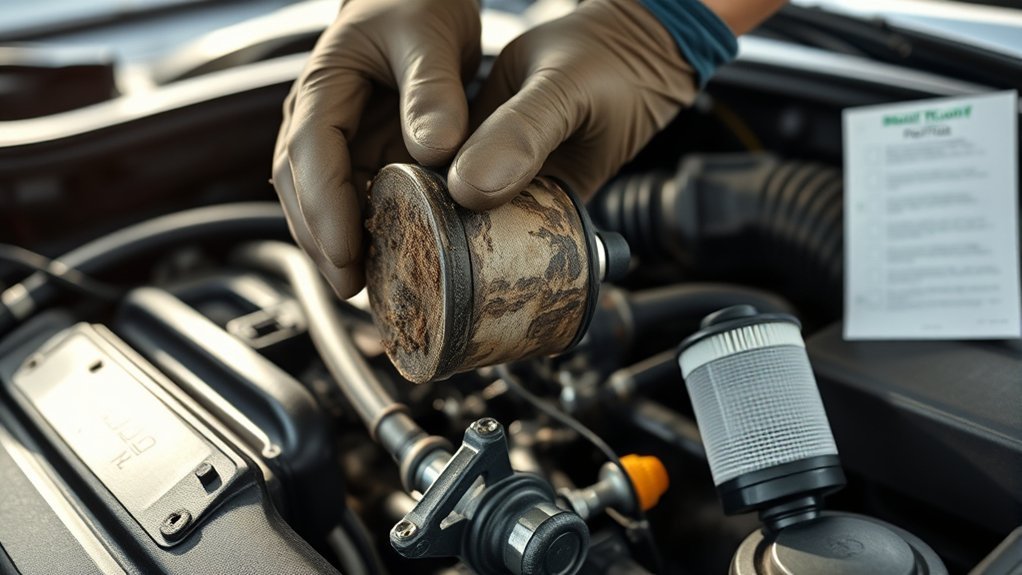
Why does your vehicle hesitate, stall, or lose power unexpectedly? These symptoms often indicate a clogged fuel filter restricting fuel flow. When contaminants accumulate due to poor fuel quality or inconsistent gas stations, the filter’s efficiency drops.
You might notice difficulty starting, engine misfires, or reduced acceleration. A clogged filter increases strain on the fuel pump, risking further damage. Since fuel quality varies between gas stations, frequent refueling at unreliable sources accelerates clogging.
Monitoring these signs helps you determine when to replace the fuel filter before performance deteriorates significantly. Regular inspection is crucial, especially if you experience intermittent power loss or rough idling. Addressing filter clogging promptly ensures optimal fuel delivery and protects your engine’s longevity.
Vehicle Type Considerations
How often should you change your fuel filter depends largely on the type of vehicle you drive. For standard passenger cars used primarily on paved roads, manufacturers typically recommend replacing the fuel filter every 20,000 to 40,000 miles.
However, if you drive a vehicle frequently exposed to dusty environments or engage in off road driving, your fuel filter will accumulate contaminants faster. In such cases, it’s advisable to shorten the replacement interval to 15,000 to 20,000 miles to prevent clogging and maintain optimal fuel flow.
Diesel engines, in particular, require more frequent fuel filter changes due to their sensitivity to fuel impurities. Always consult your vehicle’s service manual for specific guidance based on make, model, and operating conditions to ensure proper maintenance.
How Driving Conditions Impact Your Fuel Filter
If you often drive in dusty environments, your fuel filter will trap more contaminants and clog faster.
Stop-and-go traffic increases fuel system strain, accelerating filter wear.
Off-road driving exposes your filter to additional debris, requiring more frequent replacement.
Dusty Environments Effects
When driving through dusty environments, what impact does this have on your fuel filter’s performance? Dusty environments introduce increased particulate matter into the air, which can infiltrate fuel storage and delivery systems.
Although fuel tanks are sealed, contaminants can still enter during refueling or due to degraded seals. This elevated exposure accelerates clogging of the fuel filter media, reducing its ability to maintain fuel system cleanliness.
As a result, your fuel filter must work harder to trap fine dust particles, preventing them from reaching sensitive engine components. Prolonged operation in such conditions shortens the effective lifespan of the filter, increasing the risk of flow restriction and fuel starvation.
To protect engine performance and longevity, you should monitor and replace the fuel filter more frequently when regularly operating in dusty environments.
Stop-And-Go Traffic
Operating in dusty environments places extra strain on your fuel filter, but frequent stop-and-go traffic presents a different set of challenges that can equally impact filter performance. During short drive cycles typical of urban traffic, your fuel system doesn’t reach optimal operating temperatures, which can cause contaminants to accumulate faster. Additionally, inconsistent fuel flow stresses the filter.
Factors affecting your fuel filter in stop-and-go traffic include:
- Increased exposure to fuel impurities due to incomplete combustion
- Frequent engine starts leading to fluctuating fuel pressure
- Lower fuel quality impact magnified by short drive cycles
- Accelerated filter clogging from intermittent fuel flow
- Higher risk of fuel system deposits forming in low-speed conditions
Monitoring these conditions helps determine when to change your fuel filter to maintain optimal engine performance.
Off-Road Driving Impact
Off-road driving frequently exposes your fuel filter to harsher conditions than typical road use, considerably increasing the risk of contamination and wear. Off-road challenges like dust, mud, and water intrusion accelerate clogging, reducing fuel flow and engine performance.
You might have heard fuel filtration myths suggesting that filters don’t need frequent changes. Off-road conditions prove otherwise. Regular inspection and replacement ensure optimal filtration and prevent costly damage.
| Off Road Challenges | Fuel Filter Impact |
|---|---|
| Dust & Dirt | Rapid clogging |
| Water Intrusion | Corrosion, filter damage |
| Mud & Debris | Reduced fuel efficiency |
Understanding these effects helps you maintain your vehicle’s fuel system integrity under demanding conditions.
Signs Your Fuel Filter Is Clogged
How can you tell if your fuel filter is clogged before it causes serious engine problems? Recognizing the early signs is crucial to prevent damage and maintain optimal performance. While unrelated topic discussions like irrelevant keyword research won’t help here, focusing on specific symptoms will.
Look out for these signs indicating a clogged fuel filter:
- Engine sputtering or hesitation during acceleration
- Difficulty starting the engine or frequent stalling
- Noticeable drop in fuel efficiency
- Engine misfires or rough idling
- Reduced engine power, especially under load
These symptoms suggest restricted fuel flow due to filter blockage. Addressing them promptly helps avoid further engine complications and ensures reliable vehicle operation.
Step-by-Step Guide to Replacing a Fuel Filter Yourself
Identifying a clogged fuel filter is only the first step; replacing it promptly can restore your engine’s performance and prevent further damage. Begin by relieving fuel system pressure and disconnecting the battery.
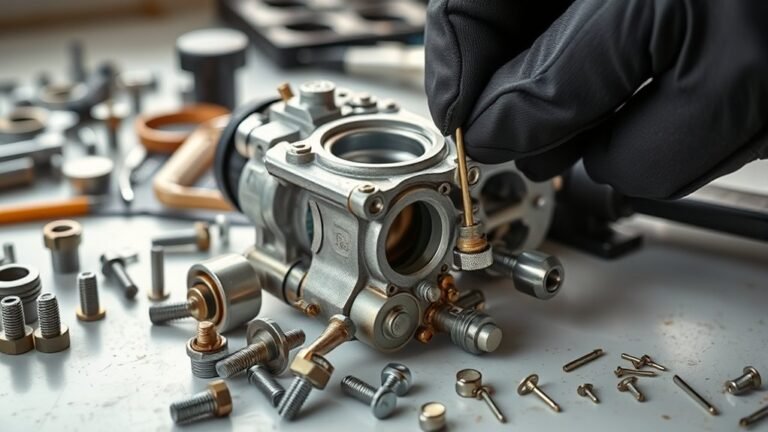
Then, locate the fuel filter, usually near the fuel tank or engine. Use appropriate tools to disconnect fuel lines carefully. Remove the old filter and install the new one, ensuring correct flow direction.
Finally, reconnect lines, battery, and check for leaks. Regular fuel filter replacement complements scheduled oil changes to maintain overall engine health.
| Step | Tool Needed | Safety Tip |
|---|---|---|
| Relieve pressure | Fuel pressure gauge | Wear safety goggles |
| Disconnect battery | Wrench | Avoid sparks |
| Remove filter | Line wrenches | Catch fuel spillage |
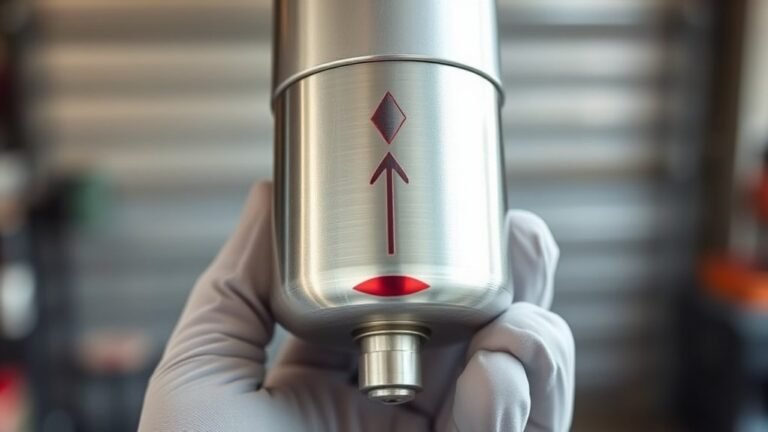
| Install new filter | Replacement filter | Confirm flow direction |
| Reconnect & test | None | Check for leaks before drive |
What Happens If You Ignore Your Fuel Filter
What happens when you neglect your fuel filter? Ignoring maintenance schedules can lead to significant engine performance issues. The fuel filter’s role is to trap contaminants before they reach the engine, and failing to replace it allows debris to accumulate, impeding fuel flow.
Using fuel additives won’t compensate for a clogged filter. Here’s what you risk if you ignore your fuel filter:
Fuel additives can’t fix a clogged filter; ignoring it risks serious engine problems and costly repairs.
- Reduced engine power due to restricted fuel delivery
- Increased fuel consumption as the engine struggles to compensate
- Engine misfires and rough idling from inconsistent fuel flow
- Potential damage to the fuel injectors from unfiltered contaminants
- Difficulty starting the engine or complete engine failure
Ignoring maintenance schedules for your fuel filter can cause costly repairs and decreased vehicle reliability.
How to Choose the Right Fuel Filter for Your Car
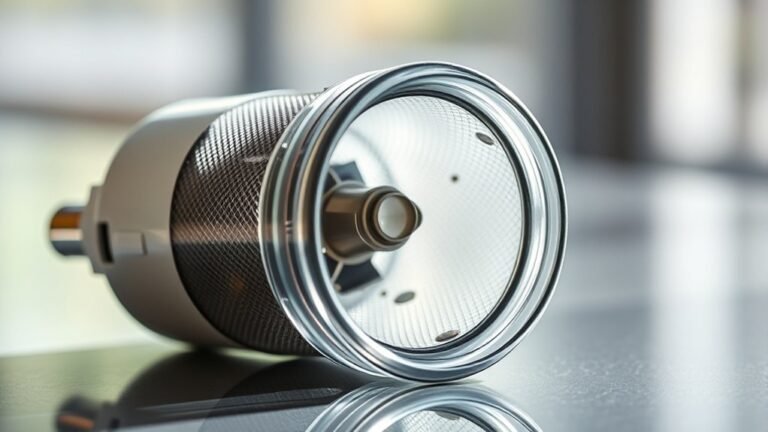
Neglecting your fuel filter can lead to serious engine problems, so selecting the correct replacement is essential to maintain optimum performance. When choosing a fuel filter, consider the filter materials used. Most filters utilize either mineral-based or synthetic fibers.
Mineral filters are cost-effective but less efficient at trapping fine contaminants. Synthetic filters offer superior filtration and durability, enhancing fuel system protection. Additionally, verify compatibility with your car’s make and model, as pressure ratings and connection types vary.
Check manufacturer specifications to ensure proper flow rate and filtration efficiency. Opt for a filter designed to handle your vehicle’s fuel type, gasoline or diesel. By prioritizing quality materials and exact specifications, you’ll safeguard your engine from debris and maintain reliable performance.
How Regular Fuel Filter Changes Improve Engine Performance
How frequently you change your fuel filter directly impacts your engine’s efficiency and longevity. A clogged filter restricts fuel flow, reducing combustion quality and causing performance issues. This is especially critical if you often drive in dusty environments or engage in off road driving, where contaminants accumulate faster.
Regular replacements help maintain optimal fuel pressure and engine responsiveness.
Benefits of timely fuel filter changes include:
- Preventing injector clogging and uneven fuel spray
- Maintaining consistent fuel pressure for smooth acceleration
- Enhancing fuel efficiency by ensuring complete combustion
- Reducing engine wear from contaminated fuel
- Avoiding costly repairs linked to prolonged filter neglect
Frequently Asked Questions
Can a Dirty Fuel Filter Affect Fuel Efficiency?
Yes, a dirty fuel filter can reduce fuel efficiency by restricting fuel flow, causing your engine to work harder.
Though it might seem unrelated, maintaining it enhances performance and boosts reader engagement with your vehicle’s health knowledge.
Is It Safe to Drive With a Partially Clogged Fuel Filter?
It’s not safe to drive with a partially clogged fuel filter since clog progression can worsen unexpectedly, compromising fuel flow and causing engine performance issues.
Prioritize driving safety by addressing filter problems promptly to avoid breakdowns or damage.
Do Fuel Filters Differ Between Gasoline and Diesel Engines?
Think of fuel filters as tailored suits; you’ll find fuel system differences mean gasoline and diesel filters use different filtration materials designed specifically to handle their unique contaminants, pressure demands, and particle sizes for optimal engine protection.
Can Fuel Additives Help Extend Fuel Filter Life?
Yes, fuel additives can help extend fuel filter life by cleaning fuel system deposits and preventing contaminants from clogging the filter.
However, their effectiveness depends on the additive’s formulation and the fuel quality you use regularly.
How Much Does Professional Fuel Filter Replacement Typically Cost?
Imagine your engine’s heart pumping smoothly. Professional replacement of a fuel filter typically costs between $50 and $150, depending on your vehicle and labor rates. This precise service ensures optimal fuel flow and engine performance.