How Long Can a Clutch Last
You can expect your clutch to last between 50,000 and 100,000 miles under normal driving conditions, but this depends largely on your driving habits and vehicle use.
Riding the clutch, aggressive shifting, or towing heavy loads can significantly reduce its lifespan.
Material type also matters—organic clutches wear faster than ceramic or metallic ones.
Paying attention to signs like slipping or burning smells helps you time replacements properly.
Understanding these factors will give you greater control over your clutch’s durability.
How Long Does a Clutch Usually Last?
How long can you expect a clutch to last under normal driving conditions? Typically, a clutch will endure between 50,000 to 100,000 miles before requiring replacement. The durability largely depends on the clutch material, which influences wear resistance and heat tolerance.
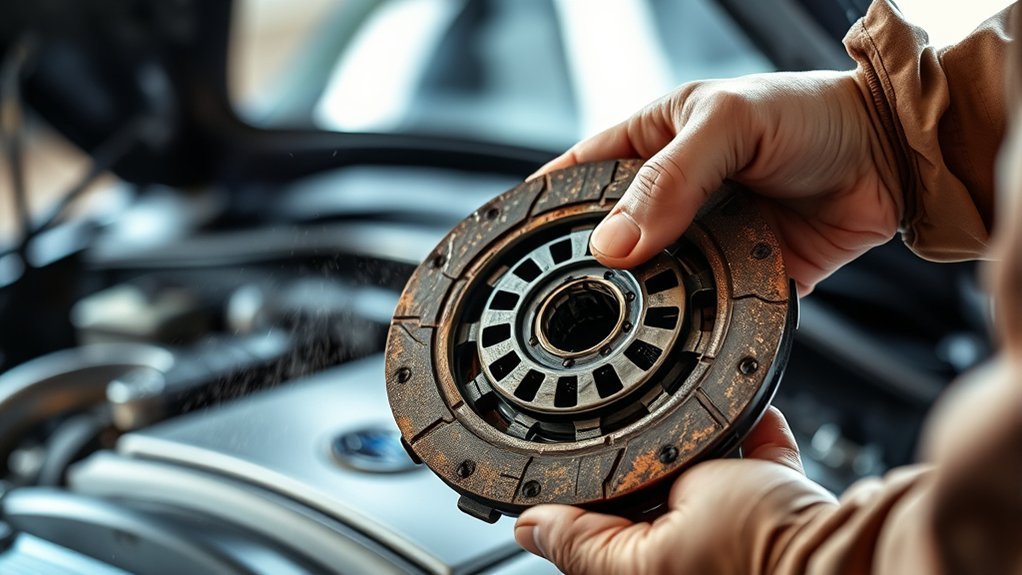
Organic materials offer smooth engagement feel but wear faster, while ceramic or metallic materials provide longer life at the cost of a harsher engagement feel. During normal use, clutch plates gradually thin, and the engagement feel may become spongy or inconsistent, signaling wear.
Monitoring these tactile changes helps anticipate clutch lifespan. While the average range is broad, maintaining smooth gear shifts and avoiding excessive slipping can optimize the clutch’s longevity within this expected mileage bracket.
Factors That Affect Clutch Lifespan
Your driving habits substantially influence clutch wear, especially frequent slipping or riding the pedal. Additionally, carrying heavy loads or towing increases stress on the clutch system, accelerating degradation.
Understanding these factors helps you manage clutch lifespan more effectively.
Driving Habits Impact
Why does driving style play a pivotal role in clutch longevity? Your driving discipline directly influences clutch wear. Aggressive gear changes or riding the clutch accelerate friction surface degradation.
Proper clutch lubrication also reduces heat buildup and wear. Maintaining smooth engagement and disengagement preserves clutch components.
| Driving Habit | Impact on Clutch | Recommended Action |
|---|---|---|
| Riding Clutch | Excessive wear | Avoid; use neutral when stopped |
| Aggressive Shifts | Increased friction | Shift smoothly |
| Clutch Slippage | Overheating | Address promptly |
| Resting Foot on Pedal | Continuous pressure | Keep foot off pedal |
| Engine Braking | Moderate wear | Use sparingly |
Vehicle Load Conditions
Driving habits certainly influence clutch wear, but the conditions under which your vehicle operates play an equally significant role. Vehicle load conditions directly affect the clutch’s lifespan by increasing friction and heat generation.
For example, frequent city stop and go traffic demands more clutch engagement cycles, accelerating wear. Conversely, consistent highway driving typically reduces clutch stress due to steady speeds and less frequent shifting. Consider these factors:
- Carrying heavy cargo regularly increases clutch load.
- Towing trailers adds substantial strain.
- Driving on steep inclines requires more clutch slip.
- Prolonged idling with the clutch engaged causes overheating.
- Frequent stop and go in urban environments intensifies wear.
Understanding these conditions helps you adapt your driving to extend your clutch’s service life effectively.
How Driving Habits Affect Clutch Lifespan
How notably do your driving habits influence the lifespan of a clutch? Proper technique directly affects clutch durability. If you frequently ride the clutch or rest your foot on the pedal, you increase friction, accelerating wear.
Paying close attention to clutch feedback helps you engage and disengage smoothly, reducing unnecessary strain. Avoiding abrupt releases and minimizing slipping during gear changes preserves the clutch lining.
Additionally, driving fatigue can impair your precision, causing inconsistent clutch control that shortens its service life. Maintaining focus and adopting deliberate, controlled movements when using the clutch are essential.
Signs Your Clutch Is Wearing Out
Adjusting your driving habits can considerably prolong clutch life, but even with careful use, wear is inevitable over time. Recognizing early signs of clutch wear is essential to prevent damage to the clutch material and maintain optimal pedal feel.
Watch for these indicators:
- A spongy or inconsistent pedal feel, signaling worn clutch material.
- Difficulty engaging gears or grinding noises during shifts.
- Noticeable slippage when accelerating, indicating clutch material degradation.
- Increased pedal travel before the clutch engages.
- Burning smell after heavy use, suggesting overheating and clutch wear.
If you detect these symptoms, inspect your clutch system soon. Early detection helps avoid costly repairs and ensures your vehicle maintains smooth operation.
When to Replace Your Clutch
When should you replace your clutch to avoid further damage and ensure reliable performance? Typically, clutch replacement depends on clutch material quality and any manufacturer issues affecting durability.
If you notice slipping, difficulty shifting, or unusual noises, it’s time to evaluate replacement. Below is a practical guide to help you decide:
| Symptom | Action |
|---|---|
| Slipping clutch | Replace immediately |
| Hard shifting | Inspect for wear |
| Burning smell | Inspect clutch material |
| Vibrations | Check for manufacturer issues |
| Excessive pedal play | Replace if adjustment fails |
Ignoring these signs can lead to transmission damage. Always consider the clutch material and known manufacturer issues when planning replacement to maintain peak vehicle performance.
Tips to Extend Your Clutch’s Life
To extend your clutch’s life, you need to focus on proper clutch usage, such as avoiding riding the pedal and minimizing abrupt engagements.
Regular maintenance checks are essential to identify wear or hydraulic issues early. Following these practices will help maintain optimal performance and delay costly replacements.
Proper Clutch Usage
How can you maximize the lifespan of your clutch with proper usage? Understanding the interaction between clutch materials and pedal tuning is key. Proper clutch engagement reduces wear on friction surfaces and prevents premature failure.
Avoid resting your foot on the clutch pedal to prevent constant partial engagement.
Use smooth, deliberate pedal application to minimize abrupt friction that degrades clutch materials.
Shift gears only when the clutch is fully disengaged to avoid slippage.
Adjust pedal free play for optimal pedal tuning, ensuring full clutch release and engagement.
Avoid excessive slipping during starts or hill holds to reduce overheating of clutch components.
Regular Maintenance Checks
Regular inspections play a vital role in extending your clutch’s lifespan. By performing regular maintenance, you can identify early signs of wear, such as slipping or unusual noises, which prevents costly repairs.
Start by checking the clutch pedal free play; improper adjustment can cause premature wear. Ensure the clutch linkage is clean and properly lubricated to reduce friction and improve responsiveness.
Clutch lubrication is critical. Apply it to pivot points and cable mechanisms to maintain smooth operation. Additionally, inspect hydraulic systems for leaks and fluid levels to avoid clutch engagement issues.
Following a consistent maintenance schedule based on your vehicle’s service manual helps maintain optimal performance and longevity. Staying proactive with these checks will keep your clutch functioning efficiently and prolong its durability.
Frequently Asked Questions
What Type of Clutch Fluid Should I Use?
You should use DOT 3 or DOT 4 brake fluid for your clutch, as these clutch fluid types ensure proper transmission lubrication and hydraulic performance.
Always check your vehicle’s manual for the specific recommended fluid to avoid damage.
Can a Worn Clutch Cause Transmission Damage?
Yes, a worn clutch can cause transmission damage by slipping or failing to disengage properly, leading to increased wear on gears and synchronizers.
You shouldn’t ignore symptoms to avoid costly transmission repairs.
How Much Does Clutch Replacement Typically Cost?
You can expect clutch replacement costs to range from $500 to $1,500, depending on your vehicle and labor rates.
Clutch lifespan varies, but timely replacement helps avoid transmission damage and maintains optimum performance.
Are Clutch Repairs Covered Under Vehicle Warranty?
Clutch warranty and repair coverage vary by manufacturer and warranty terms. Typically, clutch repairs aren’t covered under basic warranties due to wear, but extended or powertrain warranties might include clutch repair coverage. Always review your specific policy.
Can a Faulty Clutch Affect Fuel Efficiency?
A faulty clutch can slam your fuel economy impact through the roof! If you want to maintain clutch longevity and optimal fuel efficiency, don’t ignore slipping or grinding. These issues force your engine to work harder, wasting fuel.