How to Get Gum off Car Seat
To get gum off your car seat, start by cleaning the area and wearing gloves to protect your hands. For fabric seats, chill the gum with ice placed in a sealed bag. This hardens the gum, making it easier to remove.
Once the gum is hardened, gently chip it off using a plastic scraper. Avoid using heat, as it can make the gum stickier and harder to remove.
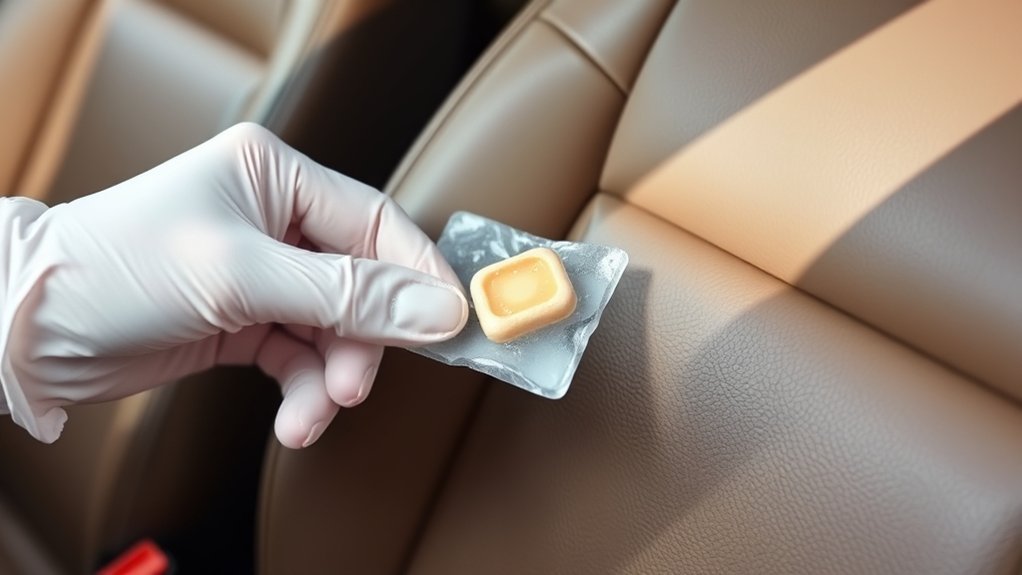
For leather seats, use the same ice method and carefully pry the gum off with a plastic card. Be sure to avoid metal tools to prevent damaging the leather.
After you have removed the gum, clean and condition the seat to restore the material’s condition. For detailed steps and prevention tips, keep exploring effective methods.
Prepare Your Car Seat for Gum Removal
Before you begin removing gum from your car seat, ensure the area is clean and dry to prevent further staining or damage. Start with a preparation checklist: gather gloves, a plastic scraper, cleaning cloths, and appropriate solvents or ice packs.
Begin gum removal by cleaning the area and assembling gloves, scraper, cloths, and solvents or ice packs.
Wear protective gloves to prioritize gum removal safety, avoiding skin contact with chemicals or sharp tools. Clear the surrounding area of loose debris to maintain cleanliness.
Inspect the seat fabric for any pre-existing damage that could worsen during removal. Position adequate lighting to identify gum edges clearly.
Test any solvent on a hidden fabric spot to prevent discoloration. Having these items and steps ready streamlines the process, reducing the risk of accidental stains or fabric damage.
Following this preparation checklist ensures you approach gum removal systematically and safely.
Easy Ways to Soften and Remove Gum From Fabric Seats
Even though gum can cling stubbornly to fabric seats, several effective methods exist to soften and remove it without damaging the material. Contrary to common gum removal myths, applying heat often makes gum stickier, so avoid using hot water or hairdryers.
Instead, use ice cubes in a sealed plastic bag to harden the gum, making it brittle and easier to chip off with a blunt tool. Alternatively, apply a small amount of fabric-safe solvent or vinegar to soften the gum gently.
Always test any substance on an inconspicuous area first. After removal, use a mild detergent to clean residue, following stain prevention facts by acting promptly to avoid permanent marks. These approaches ensure efficient gum removal while preserving your fabric seat’s integrity.
Safe Gum Removal Techniques for Leather Seats
How do you safely remove gum from leather seats without causing damage? Start by chilling the gum with a plastic bag filled with ice cubes for about 10 minutes. This hardens the gum, making it easier to lift.
Use a plastic scraper or a credit card to gently pry the gum off, avoiding metal tools that can scratch the leather. For residual stickiness, apply a small amount of leather cleaner or rubbing alcohol on a soft cloth and dab carefully, testing first in an inconspicuous area.
Always follow with a leather conditioner to maintain leather care, preventing drying or cracking. Avoid harsh chemicals or excessive moisture. This precise method ensures effective gum removal while preserving your leather seat’s integrity and appearance.
Clean and Restore Your Car Seat After Gum Removal
Once you’ve carefully removed the gum and treated any sticky residue on your leather seat, the next step is to thoroughly clean and restore the area to its original condition. Start by using a leather-safe cleaner applied with a soft microfiber cloth to avoid compromising gum safety and prevent further damage.
Gently work the cleaner into the surface, focusing on areas where gum was present to ensure complete stain prevention. After cleaning, apply a leather conditioner to replenish moisture and maintain flexibility, which helps avoid cracking or discoloration. Allow the seat to dry naturally away from direct heat sources.
Tips to Prevent Gum Stains and Sticky Messes in Your Car
Why does gum often become such a stubborn problem in your car? Its sticky nature and exposure to heat cause it to adhere firmly to upholstery, complicating stain avoidance and upholstery care. To ensure effective gum prevention and maintain interior cleanliness, follow these practical tips:
- Always avoid chewing gum while driving to eliminate accidental drops.
- Use designated containers for gum disposal instead of temporarily sticking it on surfaces.
- Regularly vacuum and clean your car seats to remove residues that can attract gum.
Implementing these steps minimizes sticky messes and supports stain avoidance by reducing gum contact with fabric fibers. Prioritizing consistent upholstery care maintains your car’s interior cleanliness and prevents long-term damage caused by gum stains.
Frequently Asked Questions
Can Chewing Gum Damage Car Seat Heating Elements?
Yes, gum damage can occur if you’re not careful. Heating elements beneath car seats are delicate, so avoid using excessive heat to remove gum.
Prioritize heat safety to prevent damaging these components while cleaning.
Is It Safe to Use Ice Cubes on All Car Seat Materials?
You can use ice cubes safely on most car seat materials, but be cautious with delicate fabrics or leather. Always test a small area first to avoid damage from moisture or temperature shock before treating the entire seat.
How Long Does Gum Typically Stay Sticky on Car Seats?
Gum duration on car seats often behaves like a stubborn shadow, sticking for days to weeks, depending on temperature and seat material. Its sticky duration shortens with heat or cleaning, but cold preserves its cling, making removal tricky.
Can Professional Cleaning Remove Gum Stains Better Than DIY Methods?
Yes, professional cleaning often achieves superior gum removal vs cleaning DIY methods due to specialized solvents and equipment. While DIY versus professional options can work, experts provide more thorough stain extraction and fabric preservation.
Are There Specific Gum Brands That Are Easier to Remove?
Yes, certain gum brands with softer, less adhesive formulas are easier for stain removal. You’ll find sugar-free gums often leave less residue, simplifying extraction from car seats and reducing the need for aggressive cleaning agents and prolonged treatment.
Conclusion
Now that you’ve tackled gum removal like a pro, your car seat’s clean slate is ready to shine. By preparing properly, using the right softening methods, and applying safe removal techniques, you’ve avoided a sticky situation.
Remember to clean and restore your seat thoroughly afterward to keep it looking sharp. With these steps, preventing future gum mishaps is a breeze—your car stays gum-free, like a well-oiled machine running smoothly every time.
Following these tips ensures your car seat remains pristine and gum-free for the long haul.