What Happens When a Wheel Bearing Goes Out
When your wheel bearing goes out, you’ll notice vibrations, noise, and a wobbly steering wheel. This problem directly affects your vehicle’s stability and causes uneven tire wear.
It also reduces steering precision, making your drive unsafe. Ignoring a failing wheel bearing can lead to wheel damage or even detachment, putting you and passengers at risk.
Additionally, it strains suspension parts, leading to costly repairs. If you want to understand how to spot, diagnose, and fix this issue, keep exploring.
Key Takeaways
- A failing wheel bearing causes wheel wobble, reducing vehicle stability and increasing the risk of accidents.
- Worn bearings create grinding, humming, or growling noises that worsen with speed or when turning.
- Steering becomes loose, less responsive, and may vibrate, compromising handling and road grip.
- Uneven tire wear and strain on suspension components result from a bad wheel bearing.
- Ignoring bearing failure can lead to wheel detachment, severe damage, and costly repairs.
What Is a Wheel Bearing and Why It Matters
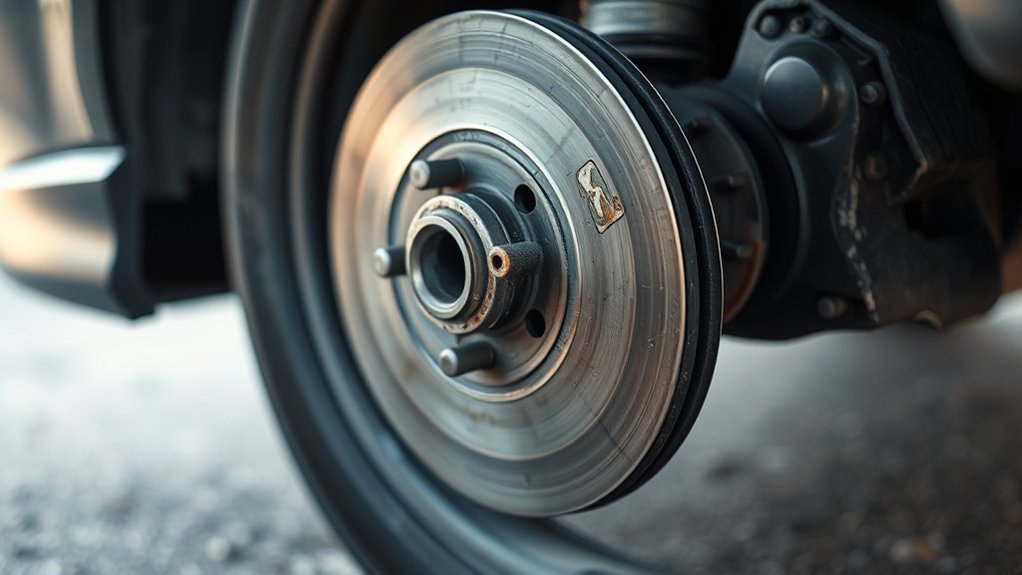
A wheel bearing is an essential component that allows your vehicle’s wheels to spin smoothly with minimal friction. It’s a set of steel balls or rollers enclosed within a metal ring, called a race, that supports the wheel and enables it to rotate freely around the axle.
Without it, your wheels wouldn’t turn properly, causing excessive wear and tear on other parts. You rely on wheel bearings every time you drive, as they help reduce friction between moving parts, improving fuel efficiency and ensuring a quieter ride.
Properly functioning wheel bearings also maintain your vehicle’s alignment and handling, so you can steer confidently. In short, wheel bearings play a crucial role in your car’s overall performance and longevity.
What a Bad Wheel Bearing Means for Your Safety
How can a failing wheel bearing put your safety at risk? When a wheel bearing goes bad, it compromises the stability of your vehicle. You might experience uneven tire wear and reduced handling, making it harder to control your car, especially during turns or sudden stops.
A damaged wheel bearing can cause the wheel to wobble or even detach in extreme cases, leading to dangerous accidents. It also puts extra strain on other suspension components, increasing the risk of mechanical failure.
Ignoring a bad wheel bearing doesn’t just affect your ride quality; it directly threatens your safety and that of your passengers. Addressing wheel bearing issues promptly ensures your vehicle remains stable, responsive, and safe on the road.
Signs Your Wheel Bearing Is Failing
Your vehicle’s wheel bearings show clear signs when they’re starting to fail, and recognizing these early can save you from costly repairs. Here are four key signs to watch for:
1. Uneven tire wear
If your tires wear out unevenly, your wheel bearing might be causing misalignment.
2. Vibration or wobbling
Feeling a wobble or vibration in the steering wheel can signal a loose or damaged bearing.
3. Steering wheel looseness
If your steering wheel feels less responsive or loose, a failing bearing could be to blame.
4. ABS system issues
Wheel bearings often affect the ABS sensor, so warning lights might appear on your dashboard.
Spotting these signs early helps you address the problem before it gets worse or affects your safety.
Strange Noises Indicating a Bad Wheel Bearing
Noticing unusual sounds from your wheels can be just as telling as physical signs like vibration or looseness. When a wheel bearing starts failing, you might hear a grinding, humming, or growling noise that changes with your speed. These noises often get louder when turning or shifting weight to one side.
Here’s a quick guide to what those sounds might mean:
| Noise Type | Possible Cause |
|---|---|
| Grinding | Bearing wear or damage |
| Humming | Worn bearing races |
| Growling | Contaminated or dry bearing |
| Clicking | Loose or damaged bearing parts |
If you catch these noises early, you can avoid more serious damage and costly repairs.
How Wheel Bearings Affect Steering and Handling
When a wheel bearing starts to fail, you’ll notice a drop in steering precision that can make controlling your vehicle tougher. It also affects your car’s stability, especially during turns or at higher speeds. These changes in handling response can compromise your safety if you don’t address them promptly.
Impact on Steering Precision
How exactly do wheel bearings influence your vehicle’s steering precision? When a wheel bearing starts to fail, it directly impacts how responsive and smooth your steering feels. Here’s how:
- Increased play: Worn bearings create extra looseness in the wheel hub, causing your steering to feel less tight and precise.
- Steering wobble: You might notice your steering wheel shaking or vibrating, especially at higher speeds.
- Delayed response: Faulty bearings can cause a lag between your steering input and the wheel’s reaction.
- Uneven tire wear: This affects traction and grip, making it harder to maintain precise control.
If you experience these symptoms, addressing wheel bearing issues promptly is key to keeping your steering sharp and safe.
Effects on Vehicle Stability
Worn wheel bearings cause your wheels to wobble or shift slightly, making it harder for your car to maintain a steady path. This subtle movement puts extra stress on suspension components, reducing overall stability.
You might notice your car drifting or pulling to one side, especially at higher speeds. Because the wheel’s alignment isn’t consistent, your tires won’t grip the road evenly, which compromises traction and balance.
These issues make your vehicle feel unpredictable, especially on turns or uneven surfaces. Addressing worn wheel bearings promptly helps you keep control and ensures your ride stays smooth and secure, protecting both your safety and your car’s performance.
Changes in Handling Response
As your vehicle struggles to maintain stability due to worn wheel bearings, you’ll also notice a direct impact on steering and handling. The bearings play a crucial role in keeping your wheels spinning smoothly, so when they fail, your control suffers. Here’s how:
- Steering feels loose or vague, making it harder to keep your vehicle on course.
- You might sense vibrations through the steering wheel, especially at higher speeds.
- Cornering becomes unpredictable, as the wheel’s grip diminishes and response delays.
- You could experience pulling to one side, indicating uneven bearing wear or damage.
Pay close attention to these signs, as ignoring them can lead to dangerous handling issues and costly repairs down the road.
Why You Shouldn’T Drive With a Worn-Out Wheel Bearing
You shouldn’t drive with a worn-out wheel bearing because it puts your safety at serious risk. The damaged bearing can cause your wheel to wobble or even lock up, leading to accidents.
Plus, continuing to drive can cause major damage to your vehicle, resulting in costly repairs.
Safety Risks Involved
How dangerous can a worn-out wheel bearing be? Quite dangerous, actually. You might think it’s a minor issue, but ignoring it puts you at serious risk on the road. Here’s why you shouldn’t drive with a bad wheel bearing:
- Loss of Wheel Control – A failing bearing can cause the wheel to wobble or even detach.
- Reduced Steering Stability – You’ll struggle to keep your vehicle steady, especially at higher speeds.
- Increased Accident Risk – Sudden bearing failure can lead to unexpected loss of control, causing crashes.
- Brake System Compromise – A damaged bearing affects braking efficiency, making it harder to stop safely.
Don’t gamble with your safety. Get a worn-out wheel bearing fixed immediately.
Vehicle Damage Potential
Ignoring the safety risks of a worn-out wheel bearing doesn’t just put you in danger. It can also cause serious damage to your vehicle. When you continue driving with this issue, the damage can escalate quickly, leading to costly repairs beyond just replacing the bearing.
| Vehicle Part | Potential Damage |
|---|---|
| Wheel Hub | Excessive wear, possible failure |
| Brake System | Uneven wear, reduced efficiency |
| Suspension | Increased stress, premature wear |
| Tires | Uneven tire wear, vibrations |
| Axle | Misalignment, potential breakage |
How Mechanics Diagnose Faulty Wheel Bearings: Tests and Tools
Mechanics frequently rely on a combination of physical inspections and diagnostic tools to pinpoint faulty wheel bearings. When you bring your vehicle in, they’ll first perform a visual check for signs like grease leaks or damaged seals.
Then, they’ll move on to specific tests to confirm the issue:
- Wheel Wiggle Test: They’ll try to move the wheel back and forth to feel for looseness.
- Spin Test: Mechanics spin the wheel to listen for grinding or humming noises.
- Road Test: Driving the vehicle helps detect any unusual noises or vibrations.
- Use of a Stethoscope: This tool amplifies sounds to isolate the bearing noise.
These steps help ensure an accurate diagnosis before any repairs begin.
What Repairing or Replacing a Wheel Bearing Involves
Once a faulty wheel bearing is identified through careful inspection and testing, the next step is to repair or replace it to restore your vehicle’s safety and performance. You’ll either press out the old bearing or replace the entire hub assembly, depending on your car’s design.
The process involves lifting the vehicle, removing the wheel, brake components, and sometimes the axle nut, before accessing the bearing.
| Step | Description |
|---|---|
| Lift Vehicle | Use a jack and secure with stands |
| Remove Wheel | Take off the wheel for access |
| Detach Brake Parts | Remove caliper and rotor |
| Extract Bearing | Press out old bearing or hub |
| Install New Part | Press in new bearing or hub |
This ensures smooth wheel rotation and prevents further damage.
How Much It Costs to Fix a Wheel Bearing Problem
You’ll typically spend between $150 and $400 to fix a wheel bearing issue, but costs can vary widely. The price depends on your vehicle’s make, model, and the labor rates in your area.
Knowing these factors helps you budget and avoid surprises when you get the repair done.
Average Repair Cost
How much does it cost to fix a wheel bearing problem? On average, you can expect the repair to run between $150 and $400. This range covers parts and labor, but prices may vary depending on your vehicle type and location.
Here’s a quick breakdown:
- Parts cost: Usually $50 to $150 for the bearing itself.
- Labor fees: Around $100 to $250, depending on complexity.
- Additional components: Sometimes you’ll need seals or other parts, adding $20 to $50.
- Diagnostic charges: Some shops may charge $50 to $100 to identify the issue.
Knowing these numbers helps you budget and avoid surprises when you get your wheel bearing fixed.
Factors Affecting Price
Why does the cost to fix a wheel bearing vary so much? Several factors influence the price you’ll pay. First, the make and model of your vehicle play a big role. Luxury or imported cars often have more expensive parts.
Second, labor costs differ depending on where you live and the shop’s hourly rate. Some wheel bearings are easier to access, meaning less labor, while others require more time and effort.
Third, whether the mechanic replaces just the bearing or the entire hub assembly affects the total cost. Finally, if you need additional repairs due to damage caused by a failed bearing, expect higher bills.
Understanding these factors helps you prepare for the expense and avoid surprises when you get your wheel bearing fixed.
Tips to Prevent Wheel Bearing Damage
Wondering how to keep your wheel bearings in top shape? Taking a few simple steps can help you avoid costly repairs and keep your ride smooth. Here are four tips to prevent wheel bearing damage:
- Regularly inspect your wheels for unusual noises or vibrations, especially during turns.
- Avoid driving through deep water or mud, as moisture can cause corrosion and wear.
- Keep your wheel hubs clean and properly lubricated to reduce friction and prevent overheating.
- Schedule routine maintenance with a trusted mechanic who can spot early signs of bearing wear before they worsen.
Frequently Asked Questions
Can Wheel Bearing Failure Affect Fuel Efficiency?
Yes, a failing wheel bearing can decrease your fuel efficiency because it creates extra friction and resistance. You’ll notice your engine works harder, which uses more fuel, so fixing it promptly helps you save money and drive smoother.
Are Wheel Bearings Covered Under Standard Car Warranties?
Wheel warranties wildly vary, so you’ll want to watch your warranty’s wording. Many manufacturers won’t cover wheel bearings under standard plans, but extended warranties or specific powertrains sometimes do.
Always ask and assess your coverage carefully!
How Long Do Wheel Bearings Typically Last?
You can expect wheel bearings to last between 85,000 and 100,000 miles, but it varies with driving conditions and maintenance.
If you notice noise or vibration, get them checked to avoid further damage and costly repairs.
Can I Drive on a Spare Tire With a Bad Wheel Bearing?
You can drive on a spare tire with a bad wheel bearing, but you shouldn’t. It’s risky because the bearing affects wheel stability.
Limit your driving and get the bearing fixed as soon as possible to stay safe.
Do Electric Vehicles Have Different Wheel Bearing Issues?
Think of your electric vehicle’s wheel bearings as the unsung heroes beneath a symphony; they face less stress due to lighter parts but still wear out. You’ll need to check them regularly to avoid unexpected noise or rough rides.
Conclusion
If you ignore a bad wheel bearing, you might as well be inviting chaos to take over your ride—think wobbling wheels, scary noises, and steering that feels like a wild rollercoaster.
Don’t let a tiny problem turn into a full-blown disaster on wheels. Catching it early saves you from expensive repairs and keeps you safe on the road.
So, stay alert, listen closely, and treat your wheel bearings like the unsung heroes they are! Remember, addressing a bad wheel bearing promptly is key to maintaining your vehicle’s safety and performance.