How Do You Measure a Wheel Rim
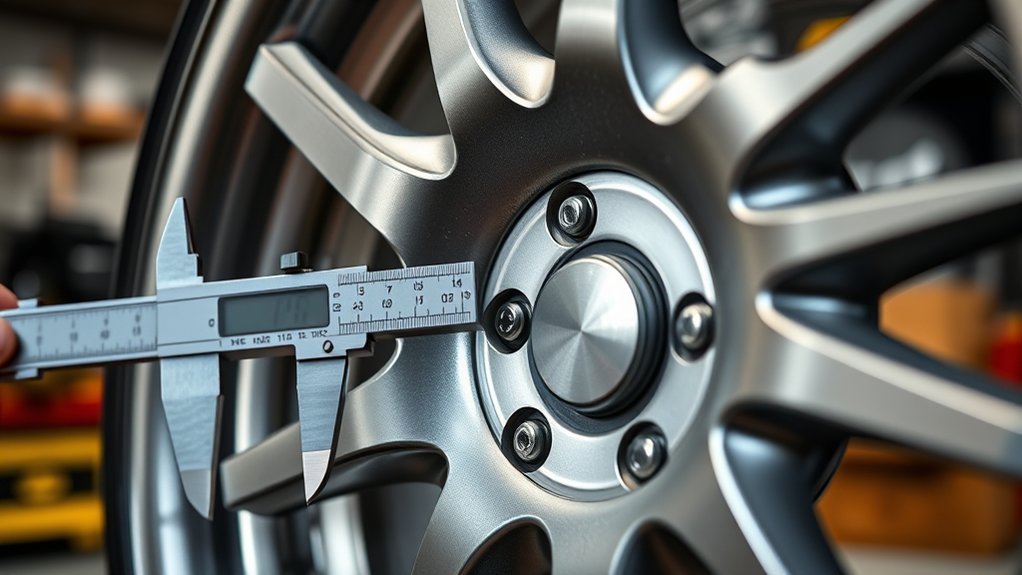
To measure a wheel rim, start by using a tape measure or digital caliper to get the diameter across the bead seats, from inner edge to opposite inner edge. This measurement is crucial for ensuring the right fit for your tires.
Next, measure the rim’s inner width between the flanges, making sure your tools stay straight and level for accuracy. This width affects tire compatibility and overall performance.
Don’t forget to note the bolt pattern by counting lug holes and measuring across them. Also, check the offset, which influences ride quality and fitment.
Keep going to understand these steps in greater detail and avoid common pitfalls when measuring your wheel rim.
Key Takeaways
- Measure rim diameter by spanning from inner bead seat edge to opposite inner bead seat edge using a tape measure or caliper.
- Use a digital caliper to accurately measure rim width between inner bead seats for precise fitment.
- Keep measuring tools straight and level to avoid skewed or inaccurate measurements.
- Record all measurements in inches or millimeters and repeat to ensure consistency.
- Check bolt pattern by counting lug holes and measuring pitch circle diameter for complete rim specifications.
Essential Tools for Measuring Wheel Rims
What tools do you need to accurately measure a wheel rim? First, grab a tape measure or a ruler with clear, precise markings. You’ll want one that measures in both inches and millimeters for flexibility.
A caliper is another essential tool, especially a digital one, since it lets you measure smaller details like the rim width and bead seat diameter accurately. A straight edge or a level can help ensure your measurements are taken correctly without any tilt.
Finally, having a notepad or a digital device to record your measurements ensures you don’t mix up numbers later. With these tools ready, you’ll be set to get accurate and reliable measurements for any wheel rim you work on.
How to Measure Wheel Rim Diameter Accurately
You’ll need the right tools, like a tape measure or caliper, to get an accurate rim diameter. Follow a clear step-by-step process to ensure you measure across the rim correctly.
Let’s walk through how to do this precisely.
Rim Diameter Measurement Tools
Measuring a wheel rim diameter accurately starts with choosing the right tools for the job. You’ll want a reliable tape measure or a caliper, as these provide precise readings. A tape measure works well for larger rims, letting you measure straight across the inside edges of the rim.
For the most accuracy, especially on smaller or intricate rims, a vernier or digital caliper is ideal since it can measure down to fractions of a millimeter. Some professionals also use specialized rim gauges designed specifically for wheel measurements, but these aren’t always necessary.
Whichever tool you pick, make sure it’s sturdy and easy to read. Avoid flexible rulers or anything that can bend, as they can give you inaccurate measurements. Using the right tool sets the foundation for precise rim diameter measurement.
Step-by-Step Measuring Process
Selecting the right tool from those mentioned earlier sets you up for accurate measurements. First, clean the wheel rim to remove dirt or debris that might interfere.
Next, position your measuring tape or caliper across the center of the rim, spanning from one inner edge to the opposite inner edge where the tire bead sits. Ensure the tool is straight and level to avoid skewed results.
If using a tape, pull it taut without bending. Note the measurement in inches or millimeters, depending on your tool. Repeat this process a couple of times to confirm consistency.
Finally, record the rim diameter carefully. It’s essential for selecting the right tire size. Following these steps helps you measure your wheel rim accurately every time.
Finding the Correct Wheel Rim Width
How do you know if a wheel rim width suits your tire and vehicle? Start by checking your tire’s recommended rim width range, usually found in the tire’s specifications or on the sidewall. Your rim width should fall within this range to ensure proper fit and performance.
If the rim is too narrow, the tire may feel tight, affecting handling and causing uneven wear. If it’s too wide, the tire could stretch too much, risking damage and poor road contact.
Also, consider your vehicle’s manufacturer recommendations since they balance safety and comfort. Remember, matching rim width to tire size isn’t just about fit; it impacts driving stability, fuel efficiency, and tire lifespan, so getting it right matters.
Finding Your Wheel Rim’s Bolt Pattern
Once you’ve matched your tire with the right rim width, the next step is to ensure your wheel rim’s bolt pattern fits your vehicle. The bolt pattern refers to the number of lug holes and the diameter of the circle they form.
For example, a 5×114.3 pattern means there are five lug holes spaced evenly around a 114.3 mm diameter circle. To find your bolt pattern, first count the number of lug holes on your existing wheel.
Then, measure the diameter between the centers of two opposite holes or use a bolt pattern gauge for accuracy. Matching this pattern is crucial because even if the rim size fits, an incorrect bolt pattern won’t securely attach to your hub, risking safety and performance issues.
What Wheel Rim Offset Means for Your Ride
Why does wheel rim offset matter for your driving experience? Offset affects how your wheels sit relative to your car’s suspension and fenders. If the offset is off, your wheels might stick out too far or sit too far inside the wheel well.
This can lead to poor handling, uneven tire wear, and even rubbing against suspension components or the body. Choosing the right offset helps maintain proper steering response, stability, and ride comfort.
It also ensures your tires clear brakes and suspension parts without interference. So, understanding offset means you can pick wheels that fit perfectly, protect your vehicle’s components, and keep your drive smooth and safe.
Getting this right improves both performance and appearance.
Step-by-Step Guide to Measuring Your Wheel Rim
Knowing your wheel rim’s offset gives you a better sense of how the wheel fits, but to get a complete picture, you’ll need to measure the rim itself accurately. Start by measuring the diameter from bead seat to bead seat across the rim.
Next, measure the width between the inner edges of the rim flanges. Finally, check the rim depth for a full profile. Use a tape measure or caliper for precision.
| Step | What to Measure | Why It Matters |
|---|---|---|
| 1 | Diameter | Ensures correct tire fit |
| 2 | Width | Affects tire profile and grip |
| 3 | Depth | Influences wheel strength |
| 4 | Double-check measurements | Avoids costly errors |
Common Wheel Rim Measurement Mistakes
How often do you double-check your wheel rim measurements before ordering tires or new rims? Skipping this step can lead to costly mistakes. One common error is measuring the rim’s diameter incorrectly. Make sure you measure from bead seat to bead seat, not from the outer edges.
Another mistake is confusing the rim width. Always measure the inside width between the flanges, not the outer width. Using a flexible tape measure instead of a rigid ruler can produce inaccurate results, so use the right tools.
Lastly, don’t overlook the importance of noting the bolt pattern and offset separately. They’re crucial but often mixed up with rim size. Avoid these pitfalls to ensure your measurements are spot on.
Using Wheel Rim Measurements to Pick Tires
Double-checking your wheel rim measurements sets a solid foundation for choosing the right tires. You need to know the rim diameter and width precisely, as tires are designed to fit specific rim sizes.
When you pick tires, look for the size markings on the sidewall, which include the rim diameter in inches. Matching this ensures a proper fit and peak performance.
Also, consider the rim width: tires have recommended width ranges to maintain safety and handling. Using the wrong size can cause issues like poor traction or uneven wear.
Frequently Asked Questions
Can You Measure Wheel Rims Without Removing the Tire?
You can measure wheel rims without removing the tire by measuring the diameter from bead seat to bead seat inside the rim. Use a tape measure or caliper carefully to get an accurate measurement while the tire stays on.
How Often Should You Measure Your Wheel Rims?
You should measure your wheel rims at least once a year or whenever you notice handling issues or tire wear. Regular checks help catch damage early, ensuring safety and ideal performance on the road.
Do Wheel Rim Measurements Affect Fuel Efficiency?
Yes, wheel rim measurements affect fuel efficiency. If your rims don’t fit properly, they can increase rolling resistance and weight, making your engine work harder.
Choosing the right size helps you save fuel and improves performance.
Are Alloy Rims Easier to Measure Than Steel Rims?
Measuring alloy rims is like handling a feather compared to steel’s weight. You’ll find them easier because they’re lighter and often have clearer markings. You’ll spend less effort and get more precise measurements with alloy rims.
Can Rim Measurements Help Diagnose Wheel Alignment Issues?
Yes, rim measurements can help you spot wheel alignment issues by revealing inconsistencies like bent or warped rims. Checking these measurements lets you address problems early, ensuring smoother driving and preventing uneven tire wear.
Conclusion
Now that you know how to measure your wheel rim, you’re basically a wheel wizard—ready to conquer any tire shop or online store with confidence! Forget guessing games; your measurements will be so precise, you might as well have a laser beam strapped to your tape measure.
With these skills, picking the perfect rim or tire is a breeze, and you’ll never face the horror of mismatched wheels again. You’ve got this!
Accurately knowing how to measure a wheel rim ensures you make the right choice every time.