How Do I Dispose of Diesel Fuel
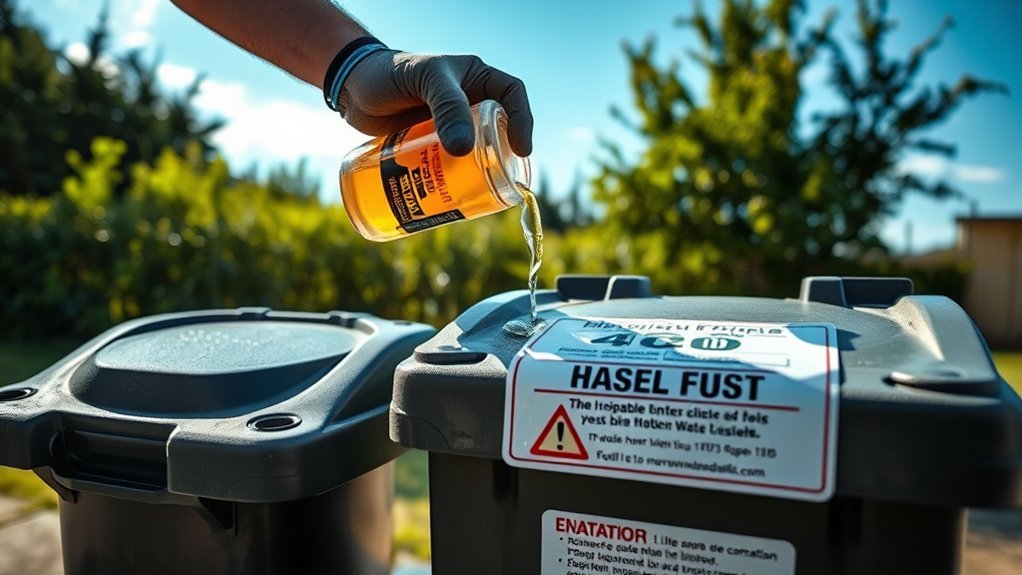
You should never pour diesel fuel down drains, on the ground, or into the trash because it’s toxic and harms the environment. Proper disposal of diesel fuel is essential to prevent contamination and protect ecosystems.
Instead, store it safely in approved containers away from sunlight until you can take it to a local hazardous waste site, recycling center, or automotive shop that accepts diesel. Always check local rules and call ahead to confirm.
Following proper disposal steps keeps you compliant and protects your community. There’s more to know about handling, storage, and spill cleanup.
Key Takeaways
- Take diesel fuel to local hazardous waste collection sites or recycling centers for proper disposal.
- Avoid pouring diesel down drains, on the ground, or disposing of it in regular trash bins.
- Contact automotive shops or community events that may accept diesel fuel for safe handling.
- Store diesel in approved containers away from sunlight and extreme temperatures until disposal.
- Follow federal, state, and local regulations to ensure legal and environmentally safe disposal practices.
Why Does Diesel Fuel Disposal Matter?
Why should you care about disposing of diesel fuel properly? Because improper disposal can seriously harm the environment and your community. Diesel is toxic and can contaminate soil and water, affecting plants, animals, and even your drinking water supply.
When you pour diesel down drains or onto the ground, it seeps into ecosystems and causes long-term damage. Plus, improper disposal can lead to fire hazards or legal trouble since many places have strict regulations on handling fuel.
How Do You Identify Old or Contaminated Diesel Fuel?
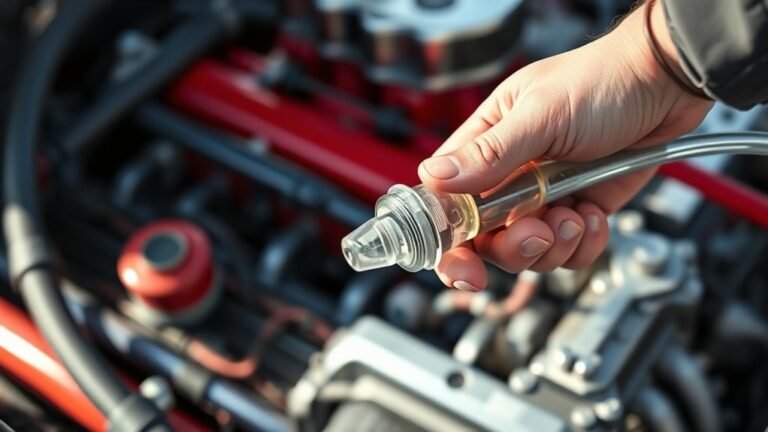
You can spot old or contaminated diesel fuel by checking for changes in color, cloudiness, or particles floating in the tank. Pay attention to any unusual smells, like a sour or rancid odor, which often signals fuel degradation.
If your engine struggles to run smoothly or starts misfiring, it’s another clear sign the diesel might be compromised.
Visual Signs of Contamination
Contaminated diesel fuel often shows clear visual signs that can help you spot problems early. When you inspect the fuel, look for cloudiness or a milky appearance, which usually indicates water contamination.
You might also notice sediment or particles settled at the bottom of the container, signaling dirt or rust presence. If the diesel has changed color, turning darker or showing unusual hues, it’s a red flag that degradation or contamination has occurred.
Additionally, a thick, gel-like consistency suggests microbial growth, which can clog filters and damage engines. Keep in mind that clean diesel should be clear and free-flowing, so any deviation from this means you should take a closer look before using or disposing of the fuel properly.
Performance and Odor Indicators
How can you tell if diesel fuel has gone bad beyond just looking at it? Pay attention to performance and odor. If your engine starts sputtering, losing power, or struggles to start, old or contaminated diesel fuel is often the cause.
Diesel that’s degraded or contains water and microbial growth won’t burn efficiently, leading to these issues. You might also notice a distinct sour or rancid smell, different from fresh diesel’s typical kerosene-like odor.
This off-putting scent signals oxidation or contamination. Trust your senses. If the fuel smells unusual or your engine behaves oddly, it’s time to test or dispose of it properly. Identifying these indicators early helps prevent equipment damage and costly repairs.
What Should You Avoid When Disposing of Diesel Fuel?
Why should you steer clear of pouring diesel fuel down drains or onto the ground? Doing so contaminates soil and water, harming plants, animals, and even humans. Diesel contains toxic chemicals that can seep into groundwater, posing serious health risks.
Avoid burning diesel fuel in open areas. It releases harmful fumes that pollute the air and endanger your health. Don’t mix diesel with regular trash or pour it into septic systems, as this can cause fires, explosions, or costly damage.
Also, never store diesel in unapproved containers; leaks and spills become harder to manage. Handling diesel improperly not only violates environmental laws but also endangers your community.
Always follow safe, legal disposal methods to protect yourself and the environment.
Can You Safely Reuse, Recycle, or Dispose of Diesel Fuel?
You might wonder if you can safely reuse or recycle diesel fuel instead of just disposing of it. Knowing the right methods helps you avoid hazards and environmental harm.
Let’s explore how to handle diesel fuel safely, whether you’re reusing, recycling, or disposing of it.
Reusing Diesel Fuel Safely
Wondering if it’s safe to reuse or recycle diesel fuel? You can safely reuse diesel fuel as long as it hasn’t been contaminated. Check for water, dirt, or sludge before reuse.
If the fuel appears cloudy or smells sour, don’t use it. Contaminants can damage your engine. Store diesel in clean, sealed containers away from sunlight and extreme temperatures to maintain quality.
When reusing old diesel, consider filtering it through a fine mesh or fuel filter to remove impurities. Avoid mixing fresh diesel with old fuel if you’re unsure about its condition.
Regularly inspect stored diesel fuel and rotate your supply to prevent degradation. By taking these precautions, you’ll keep your equipment running smoothly and reduce waste safely without risking engine problems.
Recycling And Disposal Methods
How should you handle diesel fuel that’s no longer usable? First, don’t pour it down drains, on the ground, or in trash bins. That’s harmful and illegal. Instead, check if your local waste facility accepts diesel for recycling or disposal.
Many centers safely process old fuel, preventing environmental damage. If recycling is an option, the facility might filter or blend the fuel for reuse. Otherwise, they’ll dispose of it following strict regulations.
You can also contact hazardous waste disposal services or automotive shops that handle fuel waste. Always store unusable diesel in approved containers, clearly labeled, until you can take it to a proper disposal site.
How Should You Store Diesel Fuel Before Disposal?
Although storing diesel fuel temporarily before disposal might seem straightforward, it requires careful attention to safety and environmental guidelines. You should use approved containers, keep them sealed tightly, and store them in a cool, well-ventilated area away from heat or open flames.
Label containers clearly to avoid confusion or accidents. Regularly inspect the containers for leaks or damage to prevent spills.
| Storage Tip | Reason |
|---|---|
| Use approved containers | Prevent leaks and contamination |
| Keep containers sealed | Minimize evaporation and fumes |
| Store in ventilated area | Reduce fire and health risks |
| Label containers clearly | Ensure proper handling |
| Inspect regularly | Detect damage early |
Following these guidelines helps you store diesel safely before proper disposal, protecting your health and the environment.
Where Can You Take Diesel Fuel for Safe Disposal?
Where should you take diesel fuel to ensure it’s disposed of safely? The best option is to bring it to a local hazardous waste collection site or a recycling center that accepts petroleum products.
Many communities hold special collection events for household hazardous waste, including diesel fuel. You can also check with automotive shops or service stations, as some accept small quantities for proper disposal.
Before heading out, call ahead or visit your municipality’s website to confirm they accept diesel fuel and learn about any preparation requirements. Never pour diesel down drains or on the ground.
How Do Pros Dispose of Diesel Fuel Safely?
Wondering how professionals handle diesel fuel disposal without risking safety or the environment? They start by storing diesel in approved containers designed to prevent leaks and spills. Then, they use specialized equipment to transfer the fuel safely, avoiding direct contact and minimizing fumes.
Pros always wear protective gear, like gloves and goggles, to shield themselves. Instead of disposing of diesel casually, they take it to certified hazardous waste facilities or authorized recycling centers equipped to handle it properly.
These experts also routinely inspect storage areas for contamination risks and follow strict protocols to prevent accidents. By following these steps, you ensure diesel fuel is handled responsibly, protecting yourself, others, and the environment from harm.
What Diesel Fuel Disposal Laws You Should Know
Why do diesel fuel disposal laws matter to you? These laws protect the environment and public health by regulating how you handle and get rid of diesel fuel. You must follow federal, state, and local regulations to avoid hefty fines or legal trouble.
For example, the Environmental Protection Agency (EPA) requires proper storage and disposal to prevent soil and water contamination. Many states have specific rules about transporting diesel fuel and using licensed waste disposal services.
You can’t just dump diesel fuel in drains, on the ground, or in regular trash. Understanding these laws helps you dispose of diesel safely and responsibly while staying compliant.
Always check local regulations before disposal to ensure you’re following the right procedures and protecting your community.
How Do You Clean Up Diesel Fuel Spills?
Although cleaning up diesel fuel spills can seem daunting, taking immediate and proper action is crucial to minimize environmental damage and health risks. First, contain the spill by using absorbent materials like kitty litter, sand, or commercial spill pads to prevent it from spreading. Avoid using water, as it can spread the contamination.
Next, carefully collect the soaked absorbents using gloves and place them in a heavy-duty plastic bag or container for proper disposal. Ventilate the area well to disperse harmful fumes. If the spill is large or has entered drains or soil, contact local environmental authorities or a professional cleanup service right away.
Acting quickly helps protect you, others, and the environment from diesel’s harmful effects.
Frequently Asked Questions
What Are the Environmental Impacts of Improperly Disposed Diesel Fuel?
You risk contaminating soil and water, harming plants, animals, and humans. Diesel fuel releases toxic chemicals that disrupt ecosystems and cause long-term damage.
Don’t dump it improperly; it’s hazardous and pollutes the environment seriously.
Can Diesel Fuel Pose Health Risks During Disposal?
Yes, diesel fuel can pose serious health risks during disposal. You can inhale toxic fumes or suffer skin irritation if you’re not careful.
Always use proper protective gear and follow safe disposal guidelines to protect yourself.
How Long Does Diesel Fuel Remain Usable Before It Degrades?
You can expect diesel fuel to remain usable for about 6 to 12 months if stored properly in a cool, dry place and sealed tightly.
After that, it starts degrading and losing effectiveness.
What Equipment Is Needed for Safe Diesel Fuel Handling?
You’ll need gloves, goggles, a spill-proof container, and a fuel transfer pump, like a superhero’s toolkit, to handle diesel safely.
Don’t forget absorbent pads and a fire extinguisher nearby; safety isn’t something you can ever take lightly!
Are There Alternative Fuels That Are Easier to Dispose of Safely?
Yes, you can use biodiesel or ethanol blends; they break down more easily and are less toxic.
You’ll find disposing of these alternatives safer and more eco-friendly compared to traditional diesel fuel’s strict regulations.
Conclusion
Disposing of diesel fuel isn’t just about tossing it out—it’s about protecting yourself and the environment. You might think it’s simple, but one wrong move can cause serious harm or legal trouble.
Before you act, consider every step carefully—from storage to finding the right disposal site. The choices you make now could save you from costly mistakes.
So, are you ready to handle diesel fuel responsibly and safely? Proper disposal of diesel fuel is essential to ensure safety and environmental protection.