Can You Drift With Front Wheel Drive
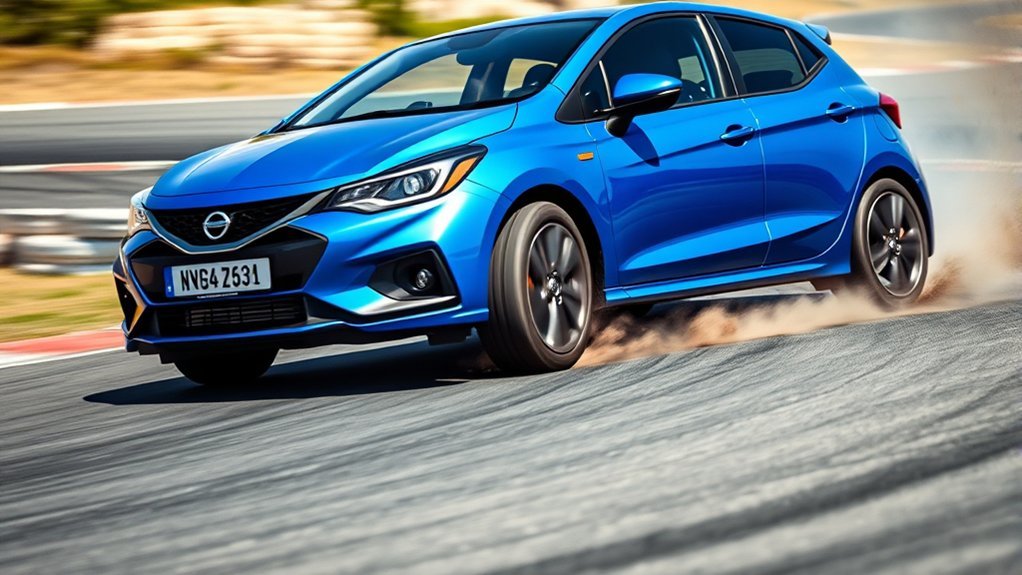
Yes, you can drift with a front-wheel-drive car by mastering throttle control, steering inputs, and weight transfer to initiate and balance slides. Unlike rear-wheel drive, your front wheels pull the car through the turn, while you use the handbrake briefly to start the slide.
Maintaining smooth throttle and steering helps keep control without spinning out. It’s a unique challenge that requires precise input, but with practice, you’ll develop confidence and techniques to handle it effectively.
Explore how to refine your skills and setup next.
Key Takeaways
- Yes, front-wheel-drive (FWD) cars can drift by using sharp steering and brief handbrake application to initiate rear slide.
- FWD drifting relies on front wheels pulling the car through the turn, unlike rear-wheel-drive drifting dynamics.
- Throttle and steering balance are essential to maintain a controlled drift without spinning out in FWD cars.
- Weight transfer techniques, such as throttle lift or light braking, help initiate and control slides in FWD drifting.
- Upgrades like limited-slip differentials and hydraulic handbrakes improve FWD drifting control and slide initiation.
Drifting Mechanics in Front-Wheel-Drive Cars
How does drifting work in front-wheel-drive (FWD) cars? Unlike rear-wheel-drive vehicles, where the rear tires break traction, in FWD cars, you control the drift primarily through the front wheels.
Drifting in front-wheel-drive cars relies on the front wheels controlling the slide, unlike rear-wheel-drive vehicles.
When you approach a corner, you initiate a drift by sharply turning the steering wheel and simultaneously applying the handbrake. This causes the rear wheels to lose grip and slide out. Meanwhile, your front wheels pull the car through the turn.
You’ll need to balance throttle and steering inputs carefully to maintain the drift without spinning out. Since the front wheels handle both steering and power delivery, you’ll feel a unique dynamic compared to other drivetrains.
Mastering this technique demands practice, but it’s definitely possible to execute controlled drifts in FWD cars.
Key Challenges of Drifting Front-Wheel-Drive Cars
When you drift a front-wheel-drive car, you’ll face limited control over the rear wheels, making it harder to maintain a smooth slide. You also have to balance steering input with power delivery carefully to keep the drift going.
These challenges require a different approach than rear-wheel-drive cars.
Limited Rear Wheel Control
Rear wheel control plays an essential role in traditional drifting, but front-wheel-drive cars limit your ability to manipulate the rear end. Since the rear wheels don’t receive power, you can’t use throttle inputs to break traction or initiate controlled slides from the back.
This means you’re relying mostly on weight transfer and braking techniques to get the rear to step out. Without direct control, the rear tends to follow the front wheels rather than swing out independently, making it harder to sustain a drift.
You’ll also find it challenging to correct or extend slides because you can’t modulate rear wheel slip with power. Ultimately, limited rear wheel control restricts your ability to execute smooth, fluid drifts and demands more precision in your inputs to compensate.
Steering and Power Balance
Since you can’t rely on the rear wheels to control the drift, steering and power balance become your main tools for managing the car’s behavior. You need to be precise with your steering inputs, using quick, controlled turns to break rear traction and maintain slide angle.
Oversteer won’t come naturally, so you must compensate by adjusting throttle and brake inputs carefully. Modulating power is critical; too much throttle can cause understeer, while too little will kill the drift.
Balancing the throttle with steering lets you control the front wheels’ grip and angle, allowing you to sustain the drift. Mastering this delicate interplay between steering and power demands practice, but it’s essential for pulling off smooth, controlled drifts in a front-wheel-drive car.
Techniques to Control Slides in Front-Wheel-Drive Cars
Mastering slides in front-wheel-drive cars requires a unique approach compared to other drivetrains. To control slides, start by managing throttle input carefully; easing off the gas helps regain rear grip. Use counter-steering effectively, turning the wheel into the slide to maintain balance.
Initiate slides by inducing weight transfer, like lifting off the throttle abruptly or braking slightly before a corner. This unsettles the rear, making it easier to slide. Modulate the throttle and steering smoothly to keep the slide controlled without overcorrecting.
Additionally, using the handbrake briefly can help break rear traction in tight corners, but don’t rely on it excessively. Practice these techniques to maintain fluid control and enjoy drifting your front-wheel-drive car with confidence.
Common Mistakes When Drifting Front-Wheel-Drive Cars
When you’re drifting a front-wheel-drive car, it’s easy to misunderstand how oversteering works and end up losing control. You might also misuse the brakes, which can kill your momentum or cause unwanted spins.
Avoiding these common mistakes will help you maintain better control during your slides.
Oversteering Misconceptions
How do you avoid the common pitfalls of oversteering in front-wheel-drive drifting? First, understand that oversteering isn’t just about the rear wheels losing grip. In FWD cars, you might mistakenly think the rear will easily swing out like in rear-wheel-drive vehicles, but that’s rarely the case.
Many drivers assume aggressive steering inputs cause oversteer, but in FWD drifting, it’s more about weight transfer and throttle control. If you turn too sharply without proper speed or balance, you’ll lose control rather than initiate a smooth drift.
Avoid jerky, exaggerated steering; instead, focus on subtle adjustments and maintaining momentum. Remember, oversteer isn’t your goal here. It’s about managing your front tires’ grip while coaxing the rear to slide just enough for a controlled drift.
Incorrect Brake Usage
Controlling your brakes correctly plays a big role in maintaining balance during front-wheel-drive drifting. One common mistake is relying too heavily on the brakes, which can upset your car’s weight distribution and kill the drift momentum.
Instead of feathering the brakes smoothly, many drivers slam them abruptly, causing a sudden weight shift that leads to understeer or a complete loss of control. Another error is braking too late or too early, which throws off your timing and makes it harder to initiate or maintain the drift.
You want to use the brakes to transfer weight to the front wheels just enough to increase traction without compromising your steering. Mastering subtle brake control helps keep your drift fluid and controlled.
Modifications to Improve Front-Wheel-Drive Drifting
Why settle for stock setup if you want to drift better with a front-wheel-drive car? You can make key modifications that enhance control and make drifting more manageable. Start by upgrading your limited-slip differential (LSD). It helps distribute power evenly to the front wheels, improving traction during slides.
Enhance control and traction in your front-wheel-drive car by upgrading to a limited-slip differential.
Next, adjust your steering angle with a quick-ratio steering rack or angle kit to gain sharper control when initiating and maintaining drifts. Finally, install a hydraulic handbrake; it offers more precise rear brake control, allowing you to break traction at the rear wheels effectively.
- Upgrade to a limited-slip differential for better power delivery
- Install a quick-ratio steering rack or angle kit for improved steering response
- Add a hydraulic handbrake to control rear wheel lockup easily
These mods will set you up for smoother, more controlled front-wheel-drive drifting.
Tire and Suspension Effects on Front-Wheel-Drive Drifting
Along with upgrading your differential, steering, and brakes, the tires and suspension play a huge role in how well you can drift a front-wheel-drive car. Your front tires need enough grip to maintain control while sliding, so choosing performance tires with good traction is key.
Meanwhile, the rear tires should have less grip to allow easier oversteer, helping you break traction when initiating a drift. Suspension setup also matters. A stiffer front suspension improves steering response, while a softer rear suspension encourages the back end to step out.
Adjusting camber and toe angles can enhance cornering stability and help maintain the drift angle. Ultimately, balancing tire grip and suspension stiffness lets you control slides more precisely and keep your front-wheel-drive car drifting smoothly.
Tips to Practice and Improve Front-Wheel-Drive Drifting
How can you sharpen your front-wheel-drive drifting skills effectively? Start by focusing on mastering weight transfer and throttle control, as these are key to initiating and maintaining a controlled drift. Practice in a safe, open space to build confidence without risk.
Here are three essential tips to improve:
- Use the Handbrake: Engage the handbrake briefly to help initiate the slide, especially in tighter corners.
- Modulate Throttle: Adjust your throttle smoothly to control the front wheels’ grip and keep the drift balanced.
- Experiment with Steering: Counter-steer precisely to maintain the drift angle and prevent spinning out.
Frequently Asked Questions
Is Drifting Safer in Front-Wheel-Drive Cars Than Rear-Wheel-Drive Cars?
Drifting isn’t necessarily safer in front-wheel-drive cars. You’ll have less control over slides compared to rear-wheel drives, making recovery harder.
Can Automatic Transmissions Affect Drifting Performance in Front-Wheel-Drive Cars?
You might picture smooth drifting, but automatic transmissions can limit your control and response time in front-wheel-drive cars. They reduce your ability to modulate power precisely, which makes maintaining consistent drifts tougher compared to manuals.
What Are the Best Front-Wheel-Drive Cars for Beginners to Learn Drifting?
You’ll want to start with affordable, lightweight FWD cars like the Honda Civic, Mazda3, or Ford Fiesta. They’re easy to handle, reliable, and have good aftermarket support. Perfect for learning drifting basics without overwhelming you.
How Does Weather Impact Front-Wheel-Drive Drifting Techniques?
Slippery surfaces send your skills spiraling. Wet weather weakens wheel grip, so you’ll want to smoothly shift speeds and steer softly.
In icy or rainy conditions, control and caution become essential for confident drifting with front-wheel drive.
Are Front-Wheel-Drive Drifting Competitions Common or Recognized Officially?
You won’t find many official front-wheel-drive drifting competitions since rear-wheel-drive dominates the sport. However, some grassroots events and fun challenges recognize front-wheel-drive drifting, letting you showcase your skills in a unique, less common style.
Conclusion
You might’ve heard drifting is only for rear-wheel-drive cars, but you can definitely drift with front-wheel drive—it just takes a different approach. Sure, it’s trickier and less predictable, but mastering those unique techniques will give you a thrilling sense of control and accomplishment.
Don’t let the challenge scare you; embrace it. When you finally slide through a corner on FWD, you’ll realize drifting isn’t about the car—it’s about your skill and passion behind the wheel.
In the end, if you want to know can you drift with front wheel drive, the answer is yes—with practice and the right technique, it’s absolutely possible.