
Is 4 Wheel Drive Good for Snow
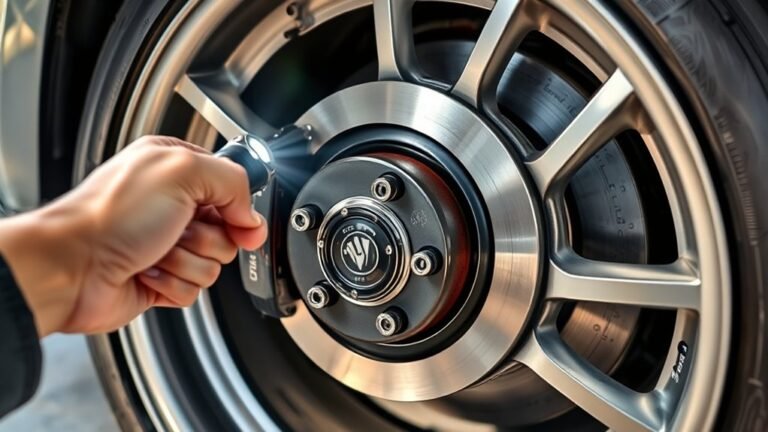
If you’re driving in deep snow or off-road winter conditions, 4-wheel drive (4WD) is good for snow because it powers all four wheels to boost traction. This feature makes starting and climbing easier, reducing the chance you’ll get stuck.
However, don’t rely on 4WD for stopping or steering control—it’s no substitute for good winter tires and cautious driving. Using 4WD with the right gear and techniques improves safety.
There’s more to know to drive smarter when snow hits, so always combine 4WD with proper preparation and careful driving habits.
Key Takeaways
- 4WD improves traction by powering all four wheels, making it effective for driving in deep snow and off-road winter conditions.
- Engaging 4WD early helps maintain control and reduces the risk of getting stuck on slippery snow-covered roads.
- 4WD does not enhance braking or steering, so cautious driving and proper winter tires remain essential for safety.
- 4WD systems often require manual activation and can cause drivetrain strain if used on dry or cleared pavement.
- For everyday winter driving and light snow, AWD or winter tires provide easier, safer handling than relying solely on 4WD.
How 4WD Works in Snowy Conditions
How does 4WD help when you’re driving in snowy conditions? It sends power to all four wheels simultaneously, improving traction on slippery surfaces. When snow covers the road, your tires can easily lose grip, but 4WD distributes torque evenly, helping you maintain control. You’ll find it easier to start moving and keep moving without getting stuck.
In snowy conditions, 4WD works best at lower speeds. It locks the front and rear axles together, so they rotate at the same speed. This prevents wheel spin and helps you navigate through deep snow or icy patches. However, it doesn’t improve braking or cornering, so you still need to drive cautiously and adjust your speed accordingly.
4WD vs. AWD: Which Is Better for Snow?
While 4WD provides solid traction by powering all four wheels equally, you might wonder how it stacks up against AWD when driving in snow. AWD systems automatically distribute power to the wheels with the most grip, giving you smoother handling on slippery roads without needing to switch modes. This makes AWD ideal for everyday winter driving and light to moderate snow.
On the other hand, 4WD shines in deeper snow and off-road conditions because it delivers consistent power to all wheels, improving your ability to push through tough terrain. However, it often requires manual activation, and using it on dry pavement can cause drivetrain strain.
Ultimately, if you want hassle-free winter driving, AWD is your go-to. But if you frequently face heavy snow or off-road challenges, 4WD might suit you better.
How 4WD Improves Traction on Snowy Roads
Ever wondered why 4WD vehicles handle snowy roads better than their 2WD counterparts? It’s all about how power gets distributed. With 4WD, power goes to all four wheels simultaneously, giving you better grip on slippery surfaces.
When snow reduces traction, your vehicle can still push forward because each wheel can provide torque independently. This balanced power delivery helps prevent wheel slip, making it easier to maintain control.
Additionally, many 4WD systems let you switch between two-wheel and four-wheel modes, so you can engage 4WD only when needed, maximizing traction without sacrificing fuel efficiency.
When driving through snow, this ability to send power to all wheels means you’re less likely to get stuck or lose control, making your journey safer and more confident.
Limits of 4WD for Snow Driving Safety
Can 4WD alone guarantee safety on snowy roads? No, it can’t. While 4WD helps with traction, it doesn’t improve braking or steering control. You still need to drive cautiously and adjust your speed to road conditions.
4WD won’t prevent you from sliding on ice or hard-packed snow. Also, 4WD systems vary, so some may not perform well in deep snow or on slippery slopes.
Remember, 4WD helps you move forward, but it doesn’t make your vehicle invincible. You should always prepare your vehicle with proper winter tires and maintain safe following distances.
Knowing these limits keeps you realistic about what 4WD can do, helping you make smarter decisions and stay safer in snowy conditions.
False Security Myths About 4WD in Snow
Why do so many drivers overestimate 4WD’s abilities in snow? It’s easy to fall for the myth that 4WD means you’re invincible on slippery roads.
You might think 4WD will help you stop faster or corner perfectly, but that’s not true. 4WD improves traction when you’re accelerating, but it doesn’t enhance braking or steering control.
If you rely solely on 4WD, you could underestimate how slippery the road is, leading to dangerous situations. Another common myth is that 4WD automatically adjusts to all conditions without any driver input, which isn’t the case.
Understanding these false beliefs helps you stay realistic about your vehicle’s limits and prioritize safe driving habits over misplaced confidence in technology.
Proper Use of 4WD on Snow and Ice
How should you use 4WD effectively when driving on snow and ice? First, engage your 4WD system before you hit slippery conditions to avoid getting stuck. Use it primarily for starting off and climbing hills, where extra traction helps most.
Once you’re moving steadily, especially on icy surfaces, avoid sudden acceleration, braking, or sharp turns to maintain control. Remember, 4WD improves traction but doesn’t enhance your ability to stop quickly, so keep a safe distance from other vehicles.
Also, switch back to 2WD on dry or cleared roads to prevent unnecessary wear. By using 4WD thoughtfully, engaging it early, driving smoothly, and disengaging when appropriate, you’ll maximize safety and control in snowy and icy conditions.
Why Snow Tires Matter More Than 4WD
You might think 4WD is enough for snowy roads, but snow tires actually give you better traction where it counts.
4WD helps with power delivery, but it doesn’t improve your grip on ice or packed snow. Putting on snow tires can make a bigger difference in your safety and control than relying on 4WD alone.
Traction Benefits of Snow Tires
When tackling snowy roads, have you ever wondered what truly keeps your vehicle gripping the pavement? It’s the snow tires that make the biggest difference. Unlike all-season or summer tires, snow tires have specialized rubber compounds that stay flexible in freezing temperatures, giving you better contact with the road.
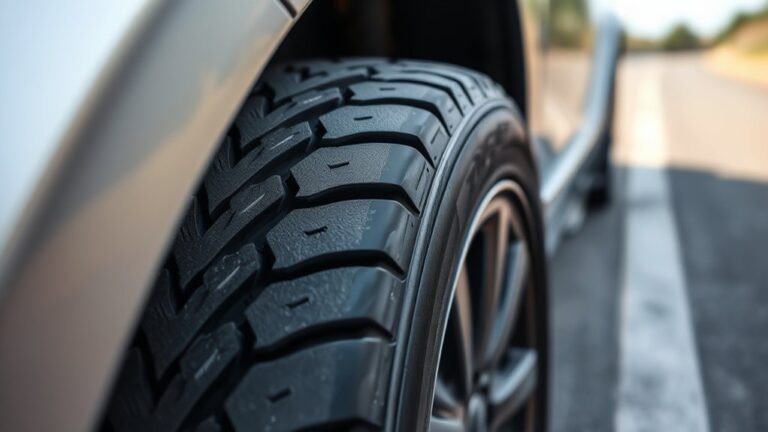
Their deep treads and unique patterns channel slush and snow away, reducing the risk of slipping. This means you get improved traction, shorter stopping distances, and better control on icy surfaces.
Even if you have 4WD, without snow tires, your vehicle can still struggle to maintain grip. So, investing in quality snow tires is your best bet for safer winter driving, helping you confidently navigate snowy and icy conditions.
Limitations of 4WD in Snow
Snow tires provide the grip your vehicle needs on icy roads, but relying solely on 4WD won’t solve all traction problems. Four-wheel drive helps distribute power to all wheels, improving traction on slippery surfaces.
However, it doesn’t enhance your tires’ ability to grip ice or packed snow. Without proper snow tires, your vehicle can still slide, especially when braking or turning. You might feel confident accelerating, but 4WD won’t help you stop any faster.
Snow tires have specialized tread patterns and rubber compounds designed to stay flexible in cold temperatures, giving you better control. So, while 4WD can assist in getting you moving, snow tires are essential for maintaining control and safety in winter conditions.
Don’t underestimate their importance just because your vehicle has 4WD.
Common 4WD Mistakes Drivers Make in Winter
How often do drivers rely too heavily on 4WD and overlook essential winter driving techniques? You might think 4WD alone guarantees safety in snow, but that’s a mistake.
One common error is accelerating or braking too quickly, assuming 4WD prevents slipping. It doesn’t; traction helps but doesn’t eliminate skidding risks. Another frequent misstep is neglecting to reduce speed; 4WD won’t shorten your stopping distance on icy roads.
You could also forget to steer smoothly. Jerky movements can cause loss of control regardless of drivetrain. Finally, many drivers fail to disengage 4WD when not needed, which can strain the system and reduce fuel efficiency.
Avoid these pitfalls by respecting winter’s challenges and using 4WD as one tool, not a cure-all.
Snow Driving Alternatives: Tires, Chains, and More
If you want better control on snowy roads, you should consider winter tires. They grip ice and snow much better than regular tires. Snow chains can also boost traction when conditions get really tough.
Let’s explore how these options can keep you safer without relying solely on 4WD.
Winter Tires Benefits
Why settle for just four-wheel drive when winter tires can dramatically improve your traction and control on icy roads? These specially designed tires offer rubber compounds that stay flexible in freezing temperatures, giving you better grip. They also feature deeper treads and unique patterns that channel slush and water away, reducing the risk of hydroplaning.
When you switch to winter tires, you’ll notice:
- Enhanced braking performance on snow and ice
- Improved handling and cornering stability
- Better acceleration without wheel spin
Using winter tires is one of the smartest steps you can take for safer winter driving. They work on all-wheel and two-wheel drive vehicles, making them a crucial upgrade, regardless of your car’s drivetrain. Don’t rely solely on four-wheel drive; equip your vehicle with winter tires for maximum safety.
Using Snow Chains
Wondering how to boost your vehicle’s grip on snowy roads beyond winter tires? Using snow chains is a reliable option that can drastically improve traction on ice and deep snow. You’ll install these chains around your tires, giving your wheels extra bite to prevent slipping.
While 4-wheel drive helps, chains offer added security when conditions worsen. Keep in mind, chains work best at lower speeds and on snowy or icy roads, not dry pavement, where they can cause damage.
Also, check local regulations, as some areas require chains during winter storms. Practice putting them on before you need them, so you’re prepared when the snow hits. Snow chains aren’t a permanent solution but an effective tool in your snow-driving arsenal.
Essential Tips for Safer Winter Driving Beyond 4WD
How can you stay safe on snowy roads even with 4WD? While four-wheel drive improves traction, it doesn’t guarantee complete safety. You still need to drive cautiously and prepare your vehicle properly. Here are essential tips to keep in mind:
- Maintain slower speeds: Snow and ice reduce your stopping power, so slow down to give yourself more time to react.
- Increase following distance: Leave extra space between you and the car ahead to avoid collisions if sudden stops are needed.
- Use winter tires: These provide better grip than all-season tires, complementing your 4WD system.
Frequently Asked Questions
Can 4WD Damage My Vehicle if Used on Dry Pavement?
Yes, using 4WD on dry pavement can damage your vehicle’s drivetrain. It causes binding and stress on components since tires can’t slip properly.
Use 4WD only on slippery or loose surfaces to avoid costly repairs.
Does 4WD Improve Fuel Efficiency in Snowy Conditions?
No, 4WD doesn’t improve fuel efficiency in snowy conditions; it actually uses more fuel because it powers all four wheels.
But it helps you maintain better control and traction, which is essential on slippery roads.
How Does 4WD Affect Towing Capacity in Winter?
You know what they say, “Better safe than sorry.” When towing in winter, 4WD boosts your vehicle’s traction and stability, helping you handle slippery roads more confidently and safely without sacrificing too much towing capacity.
Are There Specific Maintenance Needs for 4WD Vehicles in Winter?
Yes, you’ll need to check your 4WD system regularly, keep fluids topped up, inspect tires for proper winter tread, and ensure the battery’s strong.
Don’t forget to clean and lubricate moving parts to prevent freezing.
Can I Switch Between 2WD and 4WD While Driving in Snow?
You can switch between 2WD and 4WD while driving in snow, but only if your vehicle supports it.
Always check your owner’s manual to avoid damaging the drivetrain and guarantee you’re driving safely for conditions.
Conclusion
While 4WD can boost your traction in snowy conditions, it’s not a magic fix. Remember, “don’t put all your eggs in one basket”—relying solely on 4WD can give you a false sense of security. Snow tires, chains, and cautious driving are just as crucial for staying safe.
So, combine your 4WD with the right gear and smart habits to navigate winter roads with confidence and control. Ultimately, 4 Wheel Drive is good for snow, but it works best when paired with proper preparation and careful driving.