What Should Coolant Temp Be
Your car’s coolant temperature should stay between 195°F and 220°F (90°C to 105°C) to maintain optimal engine performance and prevent damage. This temperature range is crucial for ensuring the engine runs efficiently and safely. The thermostat plays a key role by opening and closing to regulate coolant flow.
Temperatures outside this range may indicate thermostat failure, coolant problems, or radiator blockages. Such issues can lead to engine overheating or reduced efficiency. Proper coolant temperature supports combustion and helps protect engine components.
Understanding coolant management allows you to identify potential problems early. This knowledge helps maintain system integrity under varying driving conditions.
What Is the Ideal Coolant Temperature for Most Cars?
What temperature should you expect your car’s coolant to maintain? Typically, the ideal temperature range for car coolant lies between 195°F and 220°F (90°C to 105°C). This range ensures optimal engine temperature regulation, preventing overheating while allowing efficient combustion and performance.
Your vehicle’s thermostat plays a crucial role in maintaining this balance by opening and closing to regulate coolant flow. Deviations outside this range can indicate issues with the cooling system, such as thermostat failures or coolant degradation.
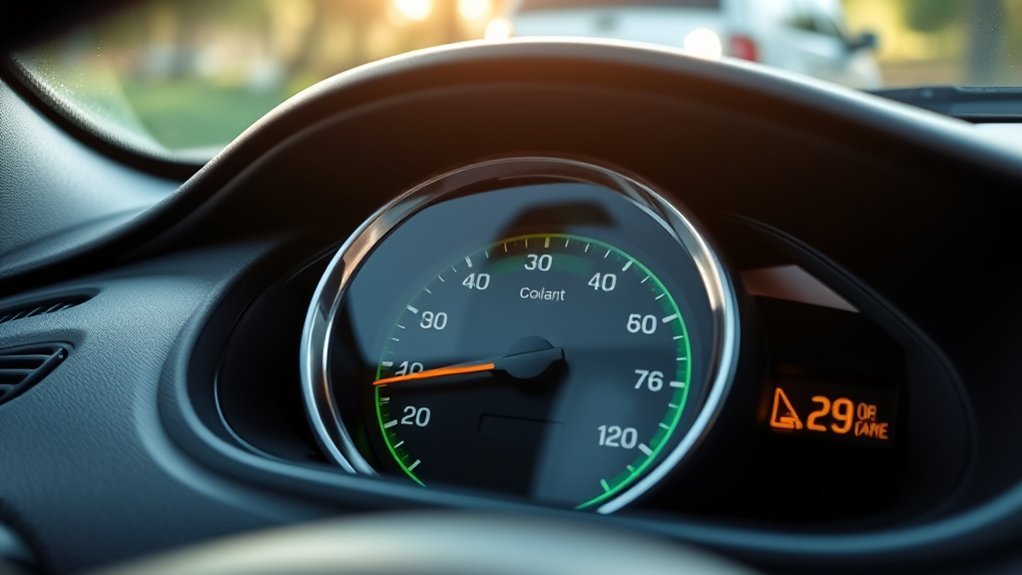
Monitoring engine temperature gauges within this specified range helps you assess if the car coolant is functioning correctly. Maintaining this precise temperature window supports the engine’s thermal efficiency and longevity without risking overheating or excessive wear due to suboptimal cooling.
Why Maintaining Proper Coolant Temperature Prevents Engine Damage
You need to keep your engine coolant within an ideal temperature range, typically between 195°F and 220°F, to guarantee efficient thermal regulation.
Exceeding this range can cause overheating, leading to critical engine components warping or failing. Maintaining proper coolant temperature prevents such damage by stabilizing internal engine conditions and avoiding thermal stress.
Optimal Temperature Range
How does maintaining the optimal coolant temperature range prevent engine damage? Keeping your engine’s coolant within the ideal range, typically between 195°F and 220°F, ensures efficient heat transfer and stable operating conditions.
Proper coolant chemistry is essential, as it maintains corrosion inhibitors and prevents scale buildup that can impede radiator flow. If the coolant temperature stays optimal, the radiator can effectively dissipate heat, preventing localized hotspots and thermal stress on engine components.
This balance minimizes the risk of metal fatigue and gasket failure. Additionally, stable coolant temperature supports consistent oil viscosity, enhancing lubrication. By controlling coolant temperature precisely, you preserve engine integrity, optimize performance, and extend component lifespan, all without risking the detrimental effects caused by temperature extremes or improper coolant properties.
Risks of Overheating
Maintaining coolant temperature within the optimal range directly reduces the risk of overheating, which can cause severe engine damage. When the cooling system fails to regulate temperature, excess heat leads to critical issues.
Overheating stresses engine components beyond design limits, compromising performance and reliability. Key risks include:
- Warped cylinder heads from uneven thermal expansion
- Blown head gaskets causing coolant leaks and pressure loss
- Degraded radiator finage reducing heat dissipation efficiency
- Oil breakdown, resulting in inadequate lubrication and increased wear
Your engine depends on precise coolant temperature control to maintain mechanical integrity. Neglecting the cooling system’s function accelerates wear and can cause catastrophic failure. Monitoring and preserving effective radiator finage and coolant flow ensures heat is efficiently managed, preventing irreversible engine damage.
How Coolant Temperature Impacts Engine Performance
Why does coolant temperature play such a critical role in engine performance? Maintaining an optimal coolant temperature ensures efficient thermal regulation, directly influencing combustion efficiency and component longevity.
If the coolant temperature is too low, combustion can be incomplete, reducing fuel efficiency and increasing emissions. Conversely, excessive temperature risks detonation and engine knock.
Coolant chemistry is integral here; additives control corrosion and boiling points, stabilizing temperature management under varying conditions. Climate impact also affects coolant temperature. Extreme cold can thicken coolant, impairing flow, while extreme heat demands enhanced heat dissipation.
Common Signs Your Coolant Temperature Is Too High or Too Low
What happens when your coolant temperature drifts outside the optimal range? You’ll notice specific symptoms indicating the engine’s thermal balance is compromised. Recognizing these signs early prevents damage and maintains performance. Avoid confusing this with an irrelevant topic or unrelated concept like fuel mixture issues.
Common signs include:
- Engine overheating warning light activation, signaling excessive coolant temperature.
- Decreased heater output inside the cabin, suggesting coolant is too cold.
- Unusual engine idling or stalling due to improper thermal regulation.
- Visible steam or coolant leaks, indicating system stress from abnormal temperatures.
Monitoring these indicators helps you identify coolant temperature problems promptly, ensuring you address them before they escalate into severe engine damage.
Common Causes of Coolant Temperature Issues
You’ll often find that coolant temperature issues stem from thermostat malfunctions, radiator blockages, or water pump failures. Each of these components plays a critical role in regulating engine temperature, and any disruption can cause abnormal readings.
Understanding how these failures impact the cooling system helps pinpoint the root cause efficiently.
Thermostat Malfunction Effects
How can a faulty thermostat impact your engine’s coolant temperature? The thermostat regulates coolant flow based on temperature, relying heavily on its design and the coolant chemistry to function accurately. When it malfunctions, it disrupts optimal engine temperature control.
Common effects include:
- Overheating: A stuck-closed thermostat prevents coolant circulation, causing rapid temperature rise.
- Underheating: A stuck-open thermostat allows continuous coolant flow, preventing the engine from reaching operating temperature.
- Fluctuating Temps: Faulty thermostat response leads to inconsistent coolant temperature readings.
- Poor Fuel Efficiency: Incorrect engine temperature impacts combustion efficiency and emissions control.
Understanding the thermostat design’s sensitivity to coolant chemistry variations helps diagnose these issues promptly, ensuring stable coolant temperature and engine performance.
Radiator Blockage Problems
Although radiator blockages might seem minor, they can considerably disrupt coolant flow and cause erratic engine temperatures. You might encounter blockage myths suggesting that only severe debris causes issues, but even fine sediment buildup or corrosion can restrict coolant passage, raising engine temperature.
It’s important to distinguish these from coolant myths, like the idea that all coolant discoloration indicates blockage. Some changes merely reflect chemical breakdown without causing flow restriction.
When blockages occur, localized overheating happens due to diminished heat exchange capacity, leading to potential engine damage. To accurately diagnose, you should inspect both internal radiator passages and external fins for obstructions.
Ultimately, understanding the nuanced impact of these blockages helps you maintain optimal coolant temperature and prevents misdiagnosis based on common misconceptions.
Water Pump Failures
Radiator blockages can restrict coolant flow, but even with clear passages, the coolant system can experience temperature issues if the water pump isn’t functioning properly. The water pump is crucial for maintaining consistent coolant flow; any failure disrupts this balance, leading to overheating or inefficient cooling.
Key indicators of water pump problems often relate to impaired pump timing and mechanical wear.
Watch for these common causes of water pump failures:
- Impaired pump timing reducing coolant circulation efficiency
- Worn bearings causing irregular pump rotation
- Leaking seals leading to coolant loss and pressure drops
- Corrosion or debris obstructing impeller operation
Addressing these issues promptly ensures optimal coolant flow and stabilizes engine temperature, preventing costly damage.
How Your Thermostat Helps Regulate Coolant Temperature
Why does your vehicle rely on a thermostat to maintain ideal coolant temperature? The thermostat anatomy consists primarily of a temperature-sensitive valve and a wax pellet that expands or contracts in response to heat. This mechanism adjusts coolant flow between the engine and radiator.
When the coolant temperature is low, the thermostat remains closed, allowing the engine to warm quickly by restricting coolant circulation. As the coolant heats and its viscosity decreases, the expanding wax pellet opens the valve, enabling coolant to flow through the radiator for heat dissipation.
This dynamic regulation ensures the coolant stays within an optimal temperature range, preventing overheating while maintaining efficient engine performance. Without this precise control, you’d risk either excessive engine wear from running too cold or damage caused by overheating.
How to Check Your Car’s Coolant Temperature Safely
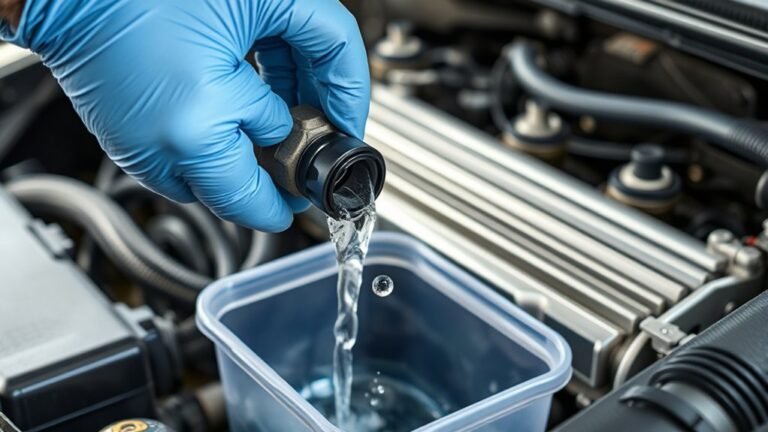
How can you accurately and safely measure your car’s coolant temperature without risking injury or equipment damage? First, ensure the engine is cool to avoid burns from hot coolant or steam. Next, choose appropriate testing methods for precise readings.
Accurately and safely measure your car’s coolant temperature by ensuring the engine is cool and using proper testing methods.
Consider the coolant color as an indicator of fluid condition. Discoloration may signal contamination affecting temperature accuracy. Use these steps:
- Wear protective gloves and eyewear to prevent injury.
- Check the coolant reservoir or radiator cap only when the engine is cold.
- Utilize a digital infrared thermometer for non-contact temperature measurement.
- Employ an OBD-II scanner for real-time, accurate coolant temperature data.
Following these technical precautions and testing methods will help you monitor your coolant temperature effectively and safely.
How to Fix Common Coolant Temperature Problems
When your vehicle’s coolant temperature deviates from the optimal range, what steps can you take to diagnose and resolve the issue efficiently? First, assess the coolant chemistry by testing pH and freeze/boil points to identify contamination or dilution problems. Incorrect coolant chemistry can impair heat transfer, causing temperature anomalies.
Next, inspect for degraded or absent coolant additives, which are crucial for corrosion inhibition and thermal stability. If additives are depleted, replace the coolant with a manufacturer-recommended mixture. Additionally, check the thermostat and radiator for mechanical failures that affect coolant flow.
Flushing the cooling system removes sediment and restores additive effectiveness. By systematically analyzing coolant chemistry and ensuring proper additive concentration, you can accurately pinpoint and fix most temperature regulation problems, improving engine performance and longevity.
Tips for Maintaining Coolant Temperature in Hot Weather
Managing coolant temperature in hot weather demands careful attention to system integrity and fluid properties. You need to optimize your vehicle’s cooling system by adhering strictly to the maintenance schedule, ensuring components function efficiently under thermal stress.
Proper coolant chemistry is critical; use the recommended antifreeze concentration to prevent boiling and corrosion.
Key tips include:
- Regularly inspect and replace coolant to maintain optimal chemical balance.
- Check radiator and hoses for leaks or blockages that impair heat dissipation.
- Ensure the thermostat and cooling fans operate correctly to regulate flow and airflow.
- Monitor coolant temperature gauges closely during extreme heat to detect anomalies early.
Frequently Asked Questions
Can Coolant Temperature Affect Fuel Efficiency?
Yes, coolant temperature directly impacts fuel efficiency by ensuring optimal temperature regulation. If your coolant efficiency drops due to improper temperature, your engine won’t run efficiently, causing increased fuel consumption and reduced overall performance.
Is It Safe to Drive With a Fluctuating Coolant Temperature Gauge?
You shouldn’t treat a fluctuating coolant gauge like boring gadgets displaying unrelated metrics. It signals potential engine issues. Ignoring it risks overheating or damage.
Precise diagnostics and timely repair ensure your engine’s reliability and safety on the road.
How Does Altitude Impact Coolant Temperature Readings?
Altitude impacts coolant readings by lowering ambient pressure, which reduces the boiling point and can cause higher temperature readings.
You’ll notice fluctuating coolant temps due to decreased cooling efficiency at higher elevations.
Can Using the Wrong Type of Coolant Cause Temperature Issues?
Imagine your engine overheating due to the wrong coolant; yes, it can cause temperature issues like a fluctuating gauge. This affects fuel efficiency, especially with altitude impact.
How Often Should Coolant Be Replaced for Optimal Temperature Control?
You should replace coolant every 2 to 5 years, depending on manufacturer guidelines, to prevent coolant aging. This ensures temperature stability by maintaining ideal heat transfer and corrosion protection.
Replacing coolant on schedule helps avoid overheating or cooling inefficiencies in your engine.