What Is a Fuel Filter
A fuel filter is a vital component that removes dirt, rust, debris, and water from the fuel before it reaches your engine. This process protects critical parts like fuel injectors from damage and wear. By ensuring clean fuel flow, the fuel filter supports prime engine performance and efficiency while extending the system’s longevity.
If your fuel filter clogs, your engine may sputter or hesitate during operation. Regular maintenance of the fuel filter helps prevent costly issues and supports reliable vehicle performance. Understanding how this essential part works, recognizing signs of failure, and providing proper care are key to keeping your engine running smoothly.
What a Fuel Filter Is and Why It Matters
What exactly does a fuel filter do, and why should you care? A fuel filter is a critical component within your vehicle’s fuel system designed to perform contaminant control. Its primary function is to remove impurities such as dirt, rust, and debris from the fuel before it reaches the engine.
By ensuring only clean fuel enters the combustion chamber, the fuel filter maintains optimal engine performance and efficiency. Without effective contaminant control, these particles can cause wear or blockages in the fuel injectors and other components.
Understanding the role of the fuel filter helps you appreciate its importance in preserving the integrity of the fuel system, preventing costly repairs, and extending your vehicle’s operational lifespan. Regular maintenance and timely replacement are essential to its continued effectiveness.
How a Fuel Filter Protects Your Engine
Your fuel filter plays a critical role by preventing contaminants from entering the engine, which reduces buildup and wear.
By maintaining clean fuel flow, it improves combustion efficiency and optimizes performance.
Ultimately, this protection helps extend your engine’s lifespan and reliability.
Prevents Contaminant Buildup
How does a fuel filter prevent contaminant buildup and protect your engine? Fuel filtration is essential to intercept particles like dirt, rust, and debris present in fuel before they reach critical engine components.
By capturing these contaminants, the fuel filter prevents them from accumulating within the fuel injectors and combustion chambers, which could otherwise impair performance or cause damage. Over time, contaminant buildup can restrict fuel flow, leading to inefficient combustion and increased wear on the engine.
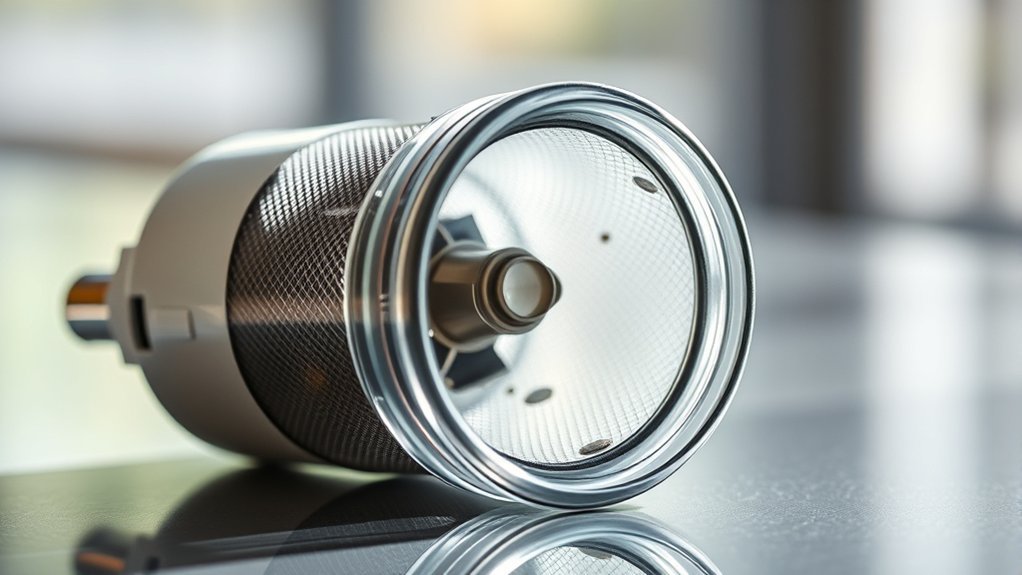
The fuel filter’s precise mesh or media design ensures effective separation of impurities while maintaining consistent fuel delivery. Regular maintenance and timely replacement of the fuel filter are crucial; neglecting it allows contaminants to bypass filtration, increasing the risk of engine malfunction and costly repairs.
Enhances Fuel Efficiency
A clean fuel filter plays a critical role in maintaining peak fuel efficiency by ensuring that only purified fuel reaches the engine. When contaminants like dirt, rust, and debris are effectively removed, your engine receives consistent, clean fuel.
This contaminant reduction prevents clogging in fuel injectors and maintains optimal combustion, which directly translates to improved fuel efficiency. If the fuel filter is dirty or clogged, fuel flow is restricted, causing the engine to work harder and consume more fuel.
Extends Engine Lifespan
Maintaining a clean fuel filter not only boosts fuel efficiency but also plays a significant role in protecting your engine’s internal components. By filtering out contaminants like dirt, rust, and water contamination, the fuel filter prevents abrasive particles from damaging the fuel injectors and combustion chamber.
This protection preserves optimal fuel economy and reduces wear on engine parts, extending your engine’s lifespan. Neglecting the fuel filter can lead to clogged injectors and corrosion, causing decreased performance and costly repairs.
| Contaminant Type | Impact on Engine | Fuel Filter Role |
|---|---|---|
| Dirt and Rust | Injector wear | Traps particles |
| Water Contamination | Corrosion | Separates and removes |
| Fuel Debris | Blockages | Prevents clogging |
Signs Your Fuel Filter Needs Replacing
You’ll notice your engine struggling with performance, such as sputtering or hesitation, when the fuel filter is clogged. Difficulty starting your vehicle can also indicate restricted fuel flow caused by a failing filter.
Additionally, reduced fuel efficiency often signals that your fuel system isn’t operating optimally due to filter blockage.
Engine Performance Issues
When your engine starts to hesitate or lose power unexpectedly, it could be a clear sign that your fuel filter is clogged and needs replacing. The fuel filter plays a critical role in the engine anatomy by ensuring clean fuel reaches the combustion chamber.
A compromised filter disrupts fuel dynamics, restricting flow and causing inconsistent fuel delivery. This results in reduced engine efficiency, misfires, or stalling under load. You might notice sluggish acceleration or difficulty maintaining high RPMs, both indicative of fuel starvation.
Since the fuel system relies on precise pressure and volume, any restriction affects overall engine performance. Regular inspection and timely replacement of the fuel filter help maintain optimal fuel dynamics, preserving engine health and preventing costly damage associated with contaminated fuel.
Difficulty Starting Vehicle
A vehicle that struggles to start or requires multiple attempts to ignite often signals a failing fuel filter. When the filter becomes clogged, it restricts fuel flow, hindering proper fuel system priming.
This inadequate priming means the fuel rail and injectors don’t receive sufficient fuel pressure, causing starting difficulties. You might notice the engine cranking longer than usual before ignition or stalling immediately after starting.
These symptoms arise because contaminants trapped in the fuel filter reduce the volume and pressure of fuel reaching the combustion chamber. If you experience consistent trouble starting your vehicle, inspecting the fuel filter is essential.
Addressing this issue promptly ensures that your fuel system operates efficiently, preventing further damage to the fuel pump or injectors due to increased strain caused by restricted fuel flow.
Reduced Fuel Efficiency
Starting issues often go hand in hand with reduced fuel efficiency, as both can stem from a clogged fuel filter restricting fuel flow. When your fuel filter is compromised, it limits the amount of clean fuel reaching the engine, directly impacting fuel economy.
You might notice:
- Decreased miles per gallon, indicating lower fuel efficiency
- Engine hesitation or stalling under load, signaling inconsistent fuel delivery
- Increased fuel consumption despite normal driving habits
A clogged fuel filter forces the fuel pump to work harder, reducing overall system performance and increasing fuel consumption. By replacing the fuel filter promptly, you ensure optimal fuel flow, maintain efficient combustion, and protect your engine components.
Monitoring these signs helps you preserve fuel economy and avoid costly repairs down the line.
How Often to Change Your Fuel Filter
How frequently you should change your fuel filter depends largely on your vehicle’s make, model, and driving conditions. Manufacturers typically recommend replacing the fuel filter every 20,000 to 40,000 miles, but this interval can vary.
If you drive in harsh environments with dusty roads or frequent stop-and-go traffic, you might need to perform filter maintenance more often. Regular replacement is essential for ensuring fuel longevity by preventing contaminants from clogging the fuel system and affecting engine performance.
Neglecting timely filter changes risks reduced fuel efficiency and potential damage to fuel injectors. Always consult your vehicle’s service manual for specific guidelines, and monitor symptoms like engine hesitation or rough idling, which can indicate a clogged filter requiring immediate attention.
How to Replace a Fuel Filter Safely
When should you replace your fuel filter to ensure safety throughout the process? It’s crucial to do it before the filtration media becomes clogged, which can cause engine performance issues.
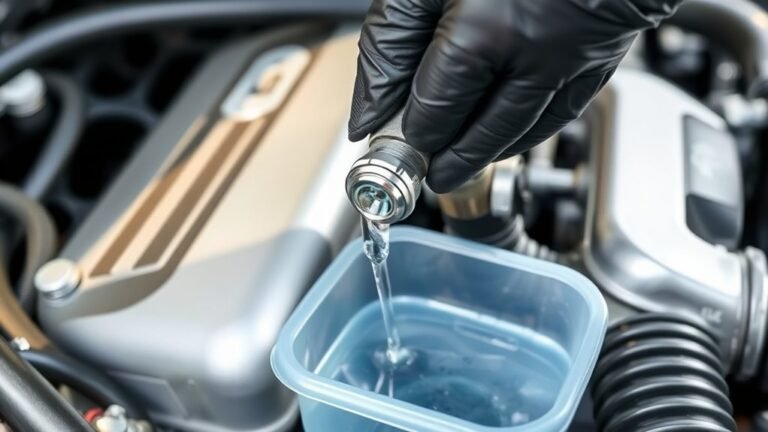
To replace the fuel filter safely, follow these steps:
- Relieve fuel system pressure: This prevents fuel spray when disconnecting the lines.
- Wear safety gear: Use gloves and eye protection to avoid contact with fuel.
- Handle the replaceable cartridge carefully: Remove the old cartridge and install the new one according to manufacturer specifications, ensuring proper sealing.
Always work in a well-ventilated area and avoid open flames. Properly disposing of the used filtration media is also important for environmental safety.
This method ensures your fuel system remains clean without risking injury or damage.
Tips to Extend Your Fuel Filter’s Life
Why should you prioritize extending the life of your fuel filter? Maintaining a clean and efficient fuel filter ensures optimal engine performance and prevents costly repairs.
To maximize its lifespan, start by carefully choosing high-quality fuel that minimizes contaminants entering the filter. Avoid fueling from unreliable sources, as poor fuel quality accelerates clogging.
Regularly inspect your fuel system for leaks or damage that could introduce debris. Also, adhere to your vehicle manufacturer’s recommended maintenance intervals, balancing budget considerations with the cost of premature filter replacements.
Using fuel additives designed to clean the system can reduce buildup, but only if compatible with your engine. By implementing these precise actions, you’ll extend your fuel filter’s service life, improve fuel efficiency, and protect your engine from potential damage.
Types of Fuel Filters
What types of fuel filters are available to suit different engine needs and fuel systems? Understanding the types of filters is essential for maintaining optimal fuel flow and engine performance. You’ll commonly encounter three main types:
- Cartridge Filters: Replaceable elements inside a housing, efficient for trapping fine particles and commonly used in modern fuel systems.
- Spin-On Filters: Self-contained units that screw onto the fuel system, offering easy replacement and effective filtration.
- In-Line Filters: Installed directly in the fuel line, ideal for small engines and providing basic filtration before fuel reaches the engine.
Each type of filter is designed to match specific fuel system requirements, ensuring contaminants like dirt, rust, and debris don’t compromise engine efficiency or longevity. Choosing the right type of filter helps maintain clean fuel flow and protects your engine’s essential components.
Frequently Asked Questions
Can a Clogged Fuel Filter Cause Poor Fuel Economy?
Yes, a clogged fuel filter reduces filtration efficiency, restricting fuel flow and causing poor fuel economy.
You’ll need fuel system diagnostics to identify this issue and restore optimal engine performance by replacing the compromised filter promptly.
Are Fuel Filters the Same for All Vehicle Makes and Models?
If you swap a Toyota fuel filter into a Ford, you’ll face issues due to different standards, ECU compatibility, fuel system differences, and filter sizing.
You’ve got to choose filters designed specifically for each make and model.
What Materials Are Fuel Filters Typically Made From?
Fuel filters typically use materials like pleated paper, synthetic fibers, or metal mesh for filtration. Their construction guarantees durability under heat and pressure, often incorporating metal or plastic housings to withstand engine environment stresses effectively.
Can Using Fuel Additives Affect the Fuel Filter’s Performance?
Yes, fuel additive effects can impact your fuel filter’s performance. You’ll need to ensure fuel filter compatibility with specific additives, as some chemicals might degrade filter media or clog it, reducing filtration efficiency and engine protection.
Is It Safe to Drive With a Damaged Fuel Filter?
You wouldn’t want to drive with a damaged fuel filter. It’s like inviting engine contaminants to throw a wild party! Poor fuel filtration risks clogging injectors and damaging your engine, so replace it promptly for safe, efficient performance.