Why Is My Carburetor Leaking Gas
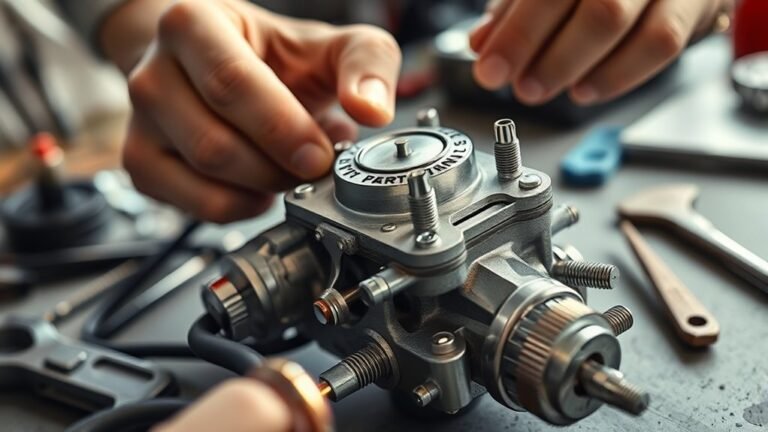
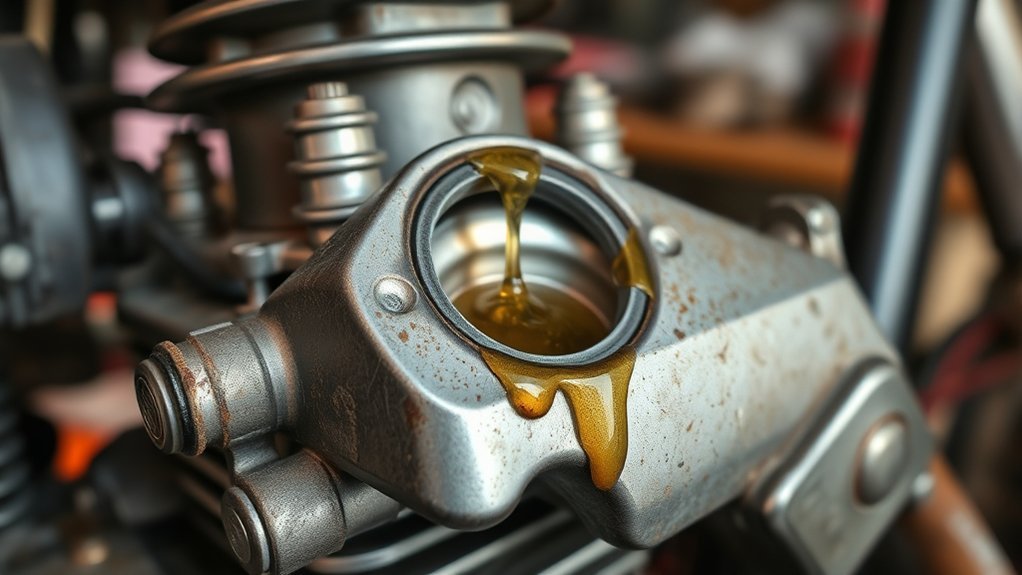
Your carburetor is likely leaking gas due to worn or cracked gaskets, damaged seals, or a stuck float causing fuel overflow. These issues break the tight seal needed to contain fuel, letting it seep or flood out.
Tightening fasteners may help temporarily, but worn parts usually need replacement to stop leaks fully. Identifying whether repair, rebuild, or replacement is best depends on the damage level.
Understanding these causes and fixes can guide your next steps.
How to Spot a Carburetor Leak Early
A key step in preventing carburetor damage is spotting leaks early. You should regularly inspect the carburetor for visible signs of fuel seepage, especially around joints and seals. Pay close attention to wet spots or discoloration on the carburetor body and nearby components.
Smelling gasoline or noticing a drop in engine performance can also indicate a leak. Use a flashlight and a clean cloth during carburetor maintenance to detect subtle leaks. Avoid using open flames or sparks while inspecting to maintain fuel system safety.
Promptly addressing even minor leaks prevents fuel wastage and reduces fire hazards. Early detection ensures you can take corrective measures before the leak worsens, maintaining exemplary carburetor function and prolonging the engine’s lifespan.
Why Worn Gaskets Cause Carburetor Leaks
Why do worn gaskets often lead to carburetor leaks? Gaskets create a tight seal between carburetor components to prevent fuel escape. Over time, gasket wear compromises this seal, causing leaks. Here’s why gasket wear matters:
- Material degradation: Exposure to fuel and heat causes gaskets to harden, crack, or shrink, losing their sealing ability.
- Improper seating: Worn gaskets may not sit flush against mating surfaces, allowing fuel to seep through gaps.
- Pressure fluctuations: Engine vibrations and pressure changes exacerbate leaks where gaskets have deteriorated.
If you notice a leak, gasket replacement is essential to restore integrity. Simply tightening bolts won’t fix gasket wear. Regular inspection and timely gasket replacement prevent fuel leaks and ensure optimal carburetor performance.
How a Stuck Float Causes Carburetor Fuel Overflow
Your carburetor’s float controls fuel flow by rising and falling with the fuel level to close the needle valve when full.
If the float sticks due to debris, wear, or distortion, it won’t seal properly, causing continuous fuel flow. This overflow leads to gas leaks and potential flooding in your carburetor.
Float Mechanism Function
How exactly does the float mechanism control fuel flow in a carburetor? In carburetor design, the float mechanism acts as a fuel level regulator within the fuel bowl. It operates by rising and falling with the fuel level, which directly controls the needle valve opening. Here’s how it works:
- When fuel enters the bowl, the float mechanism rises.
- This upward movement pushes the needle valve closed, stopping fuel flow.
- As fuel is consumed and the level drops, the float lowers, opening the needle valve to allow more fuel in.
If the float gets stuck, it can’t properly regulate fuel flow, causing constant fuel entry and overflow. Understanding this helps diagnose why your carburetor might be leaking gas.
Causes of Float Sticking
A stuck float in the carburetor prevents proper regulation of fuel flow, leading to overflow and gas leakage. According to float theory, the float must move freely to control the needle valve and maintain fuel at the correct level. Problems arise when the float sticks due to debris, corrosion, or damaged gasket material, causing continuous fuel flow.
| Cause | Description | Diagnostic Tip |
|---|---|---|
| Debris | Dirt blocks float movement | Inspect and clean float bowl |
| Corrosion | Metal parts seize float action | Look for rust or discoloration |
| Faulty gasket | Worn gasket material misaligns float | Check gasket for cracks or swelling |
| Float damage | Bent or punctured float | Visually inspect float integrity |
| Needle valve wear | Valve doesn’t seat properly | Test valve seating and replace if needed |
Effects on Fuel Flow
Because the float controls the needle valve that regulates fuel entry, any sticking disrupts this balance, causing continuous fuel flow into the carburetor bowl. This overflow leads to fuel leakage, flooding, and poor engine performance.
When diagnosing this issue during fuel system troubleshooting, focus on these effects:
- Fuel Overflow: Excess fuel floods the carburetor bowl, increasing pressure and causing leaks.
- Engine Flooding: Too much fuel enters the combustion chamber, resulting in hard starts or stalling.
- Fuel Wastage: Continuous fuel flow wastes gas and can damage other engine components.
Regular carburetor maintenance, including float inspection and cleaning, prevents these problems. If you notice fuel leaks, promptly check the float’s movement and needle valve operation to restore proper fuel flow control.
What to Do If Your Carburetor Bowl Is Cracked
Where exactly is the crack located on your carburetor bowl? Identifying the exact position helps determine the severity and the impact on fuel containment. Carburetor materials, typically aluminum or plastic composites, influence how cracks develop and propagate.
Perform leak diagnostics by cleaning the bowl and inspecting it under bright light or with a magnifier. If the crack is small and on a plastic bowl, it might be possible to use a fuel-resistant epoxy for a temporary fix. However, aluminum bowls rarely respond well to patching due to metal fatigue.
Always ensure the crack isn’t near mounting points or fuel passages, as this can cause dangerous leaks. After any repair attempt, recheck for leaks by pressurizing the fuel system carefully to prevent hazards.
When to Repair, Rebuild, or Replace Your Carburetor
When fuel leaks persist despite cleaning and minor fixes, you’ll need to decide whether to repair, rebuild, or replace your carburetor based on the extent of damage and component wear. Proper carburetor maintenance is essential to ensure fuel safety and engine performance. Consider these factors:
- Repair: Opt for repair if leaks stem from simple issues like worn gaskets or a stuck float. This is cost-effective and quick for minor faults.
- Rebuild: Choose rebuilding when multiple parts show wear or corrosion. A rebuild kit replaces seals, needles, and other critical components, restoring function without full replacement.
- Replace: Replace the carburetor if the body is cracked, severely corroded, or previous fixes fail. Replacement guarantees fuel safety by eliminating compromised parts entirely.
How to Quickly Fix a Leaking Carburetor Yourself
Start by pinpointing the exact source of the leak on your carburetor. Next, check and tighten all relevant components to ensure they’re secure.
If seals are cracked or worn, replace them promptly to stop the fuel from escaping.
Identify Leak Sources
How can you quickly pinpoint the source of a carburetor leak? Start by following strict safety precautions: work in a well-ventilated area, avoid open flames, and wear gloves to prevent fuel contact. When identifying leaks, methodically inspect the carburetor to isolate the problem.
- Visual Inspection: Look for obvious signs of fuel pooling around the float bowl gasket, fuel inlet, or fuel lines.
- Smell Test: Detect strong gasoline odors near suspected areas, which often indicate fresh leaks.
- Hand Check: Carefully feel around joints and seals for wetness or residue without causing sparks.
Tighten Carburetor Components
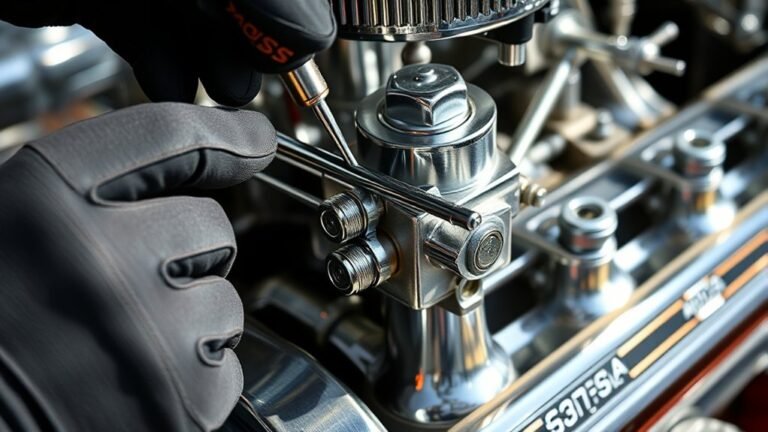
After pinpointing the leak source through careful inspection, the next step is to secure all carburetor components that may have loosened over time. Focus on tightening screws, bolts, and clamps that hold the carburetor body, fuel lines, and float bowl in place.
Use appropriate tools to avoid stripping fasteners, ensuring a snug fit without overtightening. This step addresses common issues caused by vibration and thermal expansion during operation.
During your carburetor maintenance routine, incorporate two word discussion ideas like “tighten fasteners” and “check fittings” to keep your process organized. Properly tightened components prevent fuel seepage by maintaining seal integrity and pressure balance.
This diagnostic action often resolves leaks without needing parts replacement, making it a quick, effective fix for a leaking carburetor.
Replace Damaged Seals
Where exactly are the leaks coming from? If you identify fuel seeping near the carburetor base or around the float bowl, it’s likely due to worn or cracked seals. To fix this, you’ll need to replace damaged seals promptly to prevent further leakage and potential engine damage.
Here’s how to approach seals replacement:
- Disassemble the carburetor carefully, noting the placement of each seal to avoid installation errors.
- Inspect all rubber gaskets and O-rings; discard any that show cracks, brittleness, or deformation.
- Install new seals precisely, ensuring they sit flush in their grooves to create an airtight seal.
Seals replacement is critical for stopping leaks effectively and restoring carburetor functionality. Don’t skip this step when diagnosing persistent fuel leaks.
Safety Tips When Dealing With Carburetor Gas Leaks
Although dealing with a carburetor gas leak can be frustrating, prioritizing safety is essential to prevent fire hazards and health risks. First, follow strict safety protocols: work in a well-ventilated area, avoid open flames or sparks, and wear protective gloves and eyewear.
Immediately contain any spilled fuel using an absorbent material to prevent spreading. Know your emergency procedures. Have a fire extinguisher rated for flammable liquids nearby, and be prepared to evacuate if vapors accumulate.
Disconnect the battery to reduce ignition risks before inspection or repairs. Regularly check for leaks after maintenance to ensure all seals and connections are secure.
Frequently Asked Questions
Can Using the Wrong Fuel Cause Carburetor Leaks?
Yes, using the wrong fuel can increase carburetor leaks by 30%, as improper combustion leads to residue buildup. This also accelerates battery corrosion, harming electrical systems and worsening overall engine performance.
Check fuel type carefully.
Does Altitude Affect Carburetor Fuel Leakage?
Yes, altitude effects can cause carburetor fuel leakage by altering air-fuel mixture density. You might notice hobbyist misfires or flooding due to improper jetting or float settings.
This requires recalibration for optimal performance at higher elevations.
How Does Temperature Impact Carburetor Gas Leaks?
You might think temperature effects are minor, but they directly influence fuel expansion and vapor pressure, increasing leak ignition risks.
Higher temperatures cause fuel to vaporize faster, worsening carburetor gas leaks and potentially triggering ignition hazards.
Can Old Fuel Damage My Carburetor?
Yes, old fuel can cause fuel corrosion, damaging carburetor seals and leading to leaks. Ethanol issues worsen this by absorbing moisture, accelerating seal deterioration.
Regularly replacing fuel helps maintain carburetor integrity and prevents seal failure.
Are Carburetor Leaks Covered by Vehicle Warranties?
Carburetor leaks typically aren’t covered under standard warranty coverage unless caused by a manufacturing defect. For accurate carb troubleshooting, consult your warranty terms and consider professional diagnostics to determine if coverage applies to your specific carburetor issue.