What Does a Carburetor Do
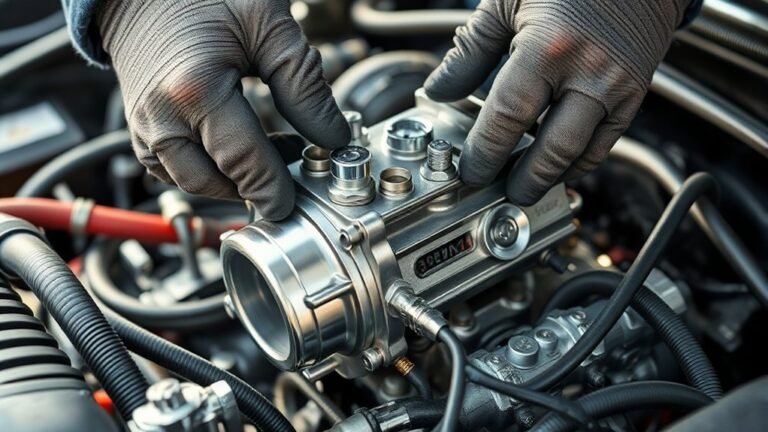
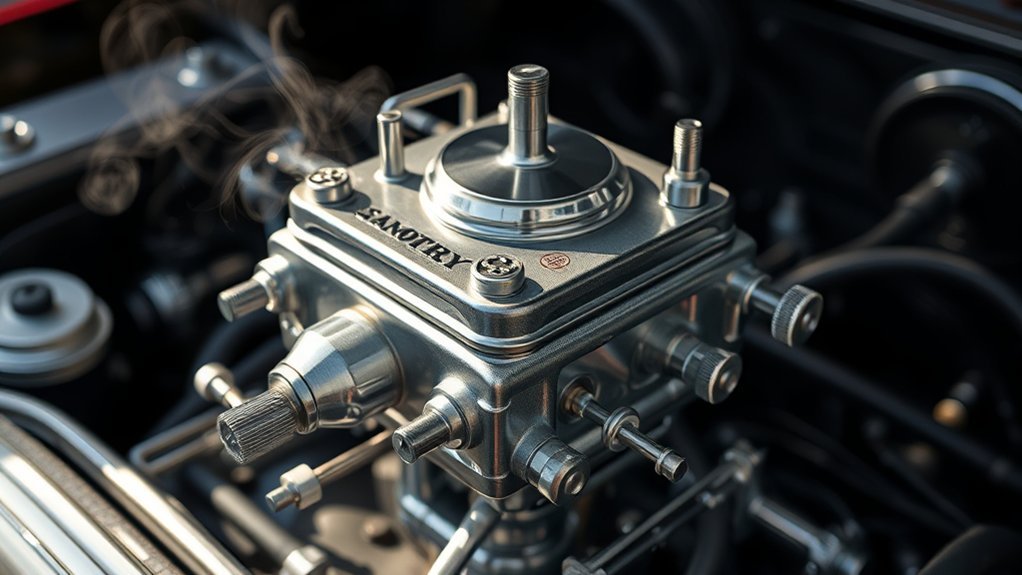
A carburetor is a device that mixes air and fuel to create the right air-fuel ratio for your engine’s combustion. It regulates this mixture using pressure differences, drawing fuel into the airstream through jets and needles.
Positioned close to the engine, the carburetor adjusts flow based on your throttle input, ensuring smooth performance across speeds. While key in older vehicles, understanding how it operates helps you grasp why modern engines evolved beyond carburetors.
There’s more to explore on its types, tuning, and maintenance.
What Is a Carburetor and How Does It Work
How does a carburetor function in an engine? It regulates the air-fuel mixture before combustion, ensuring prime engine performance. The carburetor is typically positioned close to the engine placement to minimize fuel delivery delays and maintain mixture consistency.
By controlling the ratio of air and fuel, it directly impacts fuel economy. Too rich a mixture wastes fuel, while too lean can cause engine inefficiency or damage. You’ll find that carburetors rely on pressure differences to draw fuel into the airstream, adjusting flow based on throttle input.
This precise control ensures the engine receives the right mixture for varying speeds and loads, maximizing power output while conserving fuel. Understanding this mechanism helps you optimize engine tuning and improve overall efficiency.
How Carburetors Mix Air and Fuel
A carburetor mixes air and fuel by drawing air through a venturi, where the narrowed passage creates a pressure drop that pulls fuel from the float chamber into the airstream. Understanding airflow fundamentals is key here: as air velocity increases through the venturi, static pressure decreases, enabling fuel to flow into the airflow efficiently.
The carburetor precisely controls fuel delivery rates using jets and needles that regulate how much fuel enters the air stream based on engine demand. As you accelerate, the increased airflow boosts fuel suction, maintaining the ideal air-fuel ratio for combustion.
This balance ensures efficient engine performance by delivering the correct mixture under varying operating conditions, making the carburetor a critical component in managing fuel atomization and combustion readiness.
Why Older Cars Needed Carburetors
Older cars relied on carburetors because electronic fuel injection systems hadn’t been developed yet. In the carburetor history, these vintage mechanisms were essential for mixing air and fuel in precise ratios to power combustion engines efficiently.
You’d find carburetors in almost every vehicle before the 1980s, as they were simple, mechanical solutions to fuel delivery challenges.
Here’s a quick comparison of vintage mechanisms versus modern systems:
| Aspect | Vintage Carburetor |
|---|---|
| Control Type | Mechanical, manual adjustment |
| Fuel Delivery | Air-fuel mixture through venturi |
| Efficiency | Moderate, reliant on tuning |
Understanding why older cars needed carburetors helps you appreciate the evolution to electronic fuel injection, which offers better precision and efficiency.
Common Types of Carburetors Explained
Understanding the role carburetors played in vintage vehicles sets the stage for recognizing the differences among their common types. You’ll encounter three main varieties: updraft, downdraft, and sidedraft carburetors.
Updraft carburetors draw air upward, suited for early engine designs. Downdraft types push air downward, improving fuel mixing and engine efficiency. Sidedraft carburetors direct air horizontally, often used in performance engines for better throttle response.
Avoid getting sidetracked by unrelated topics like fuel injection systems; that’s a misplaced focus here. Instead, concentrate on how these carburetor types differ in air-fuel delivery methods.
Knowing this helps you diagnose issues or select the right carburetor for restoration projects. Each type’s design impacts fuel atomization and engine performance, so understanding their distinctions is practical and necessary.
Why Modern Engines Use Fuel Injection Over Carburetors
The shift from carburetors to fuel injection systems in modern engines comes down to efficiency and control. If you look at carburetor history, they were once the standard for mixing air and fuel. However, as fuel systems evolution progressed, fuel injection emerged, offering precise fuel delivery managed by electronic controls.
Unlike carburetors, which rely on vacuum pressure and mechanical adjustments, fuel injection adjusts fuel flow based on real-time engine data. This means you get better fuel economy, reduced emissions, and improved engine responsiveness.
For you, this translates to easier cold starts, consistent performance across varying conditions, and less frequent manual tuning. Modern engines rely on fuel injection because it optimizes combustion more accurately than carburetors, aligning with stricter environmental standards and advancing automotive technology.
Maintaining and Tuning Carburetors for Better Performance
To keep your carburetor running efficiently, start by thoroughly cleaning its components to prevent clogs and buildup.
Next, precisely adjust the fuel mixture to ensure ideal air-to-fuel ratios. Finally, check and set the idle speed to maintain smooth engine operation at low RPMs.
Cleaning Carburetor Components
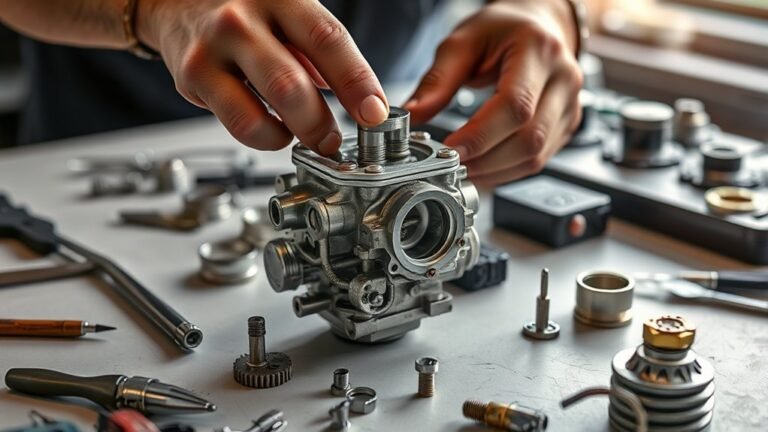
Dirt and varnish buildup inside your carburetor can choke fuel flow and disrupt air-fuel mixture, leading to poor engine performance. Cleaning carburetor components requires careful disassembly, soaking parts in environmentally safe solvents, and scrubbing jets, floats, and passages to respect restoration ethics and reduce environmental impact. Avoid harsh chemicals that harm the environment and degrade parts.
| Component | Cleaning Method | Notes |
|---|---|---|
| Jets | Soak + compressed air | Prevent clogging, ensure flow |
| Float | Gentle brush | Check for damage or wear |
| Passages | Solvent + brush | Clear all fuel and air pathways |
Regular cleaning maintains efficiency and longevity, aligning with sustainable practices and responsible restoration.
Adjusting Fuel Mixture
How do you ensure your engine runs smoothly under varying conditions? Adjusting the fuel mixture is key. Since the early days of carburetor history, tuning the air-fuel ratio has been critical for optimal performance.
You’ll start by locating the mixture screws on your carburetor. Turning them adjusts the balance between fuel and air entering the engine. Lean mixtures improve fuel economy but can cause overheating, while rich mixtures increase power but waste fuel.
When using modern fuel additives, keep in mind they can alter combustion characteristics, requiring you to fine-tune the mixture accordingly. Make small adjustments, then test performance and emissions.
Properly adjusting the fuel mixture minimizes engine knocking, improves throttle response, and extends engine life, ensuring your carburetor delivers consistent, efficient operation.
Checking Idle Speed
Idle speed is a critical parameter that keeps your engine running smoothly at low throttle without stalling. When performing idle speed checks, ensure the engine is at operating temperature and the throttle linkage is properly adjusted. Watch for vacuum leaks, as they can cause erratic idle and false readings.
Use a tachometer to measure RPM, adjusting the idle screw for the manufacturer’s specified idle speed.
| Step | Tool Needed | Purpose |
|---|---|---|
| Warm engine | Thermometer | Ensure accurate idle speed |
| Inspect for leaks | Vacuum gauge | Detect vacuum leaks |
| Measure RPM | Tachometer | Verify idle speed setting |
| Adjust idle screw | Screwdriver | Set correct idle RPM |
Consistent idle speed checks help maintain optimal carburetor performance and engine stability.
Frequently Asked Questions
Can a Carburetor Be Used With Alternative Fuels?
You can use alternative fuels with a carburetor, but you’ll need to adjust for fuel compatibility to maintain carburetor efficiency. Some fuels require modifications to jet sizes or materials to ensure proper mixing and prevent damage.
How Does Altitude Affect Carburetor Performance?
You’ll notice altitude effects cause carburetors to run leaner due to thinner air. This reduces engine performance, so you’ll need to adjust the air-fuel mixture or jet size to maintain proper combustion and avoid damage.
What Are Common Signs of a Failing Carburetor?
You’ll notice rough idling and stalling, contrasting sharply with smooth starts, classic signs of failure. Poor acceleration and black smoke also indicate trouble.
Regular carburetor maintenance helps prevent these issues and keeps performance consistent.
Are Carburetors Environmentally Friendly?
No, carburetors aren’t very environmentally friendly due to less precise fuel-air mixing, causing higher emissions.
You’ll find their fuel efficiency inferior compared to modern fuel injection, which reduces environmental impact by optimizing combustion and lowering pollutants.
Can Carburetors Be Converted to Fuel Injection Systems?
Thinking about upgrading? Yes, you can convert a carburetor to fuel injection, but considering carburetor history and fuel delivery evolution, it’s often easier and more efficient to replace the whole system rather than retrofit old tech.