How to Bleed Coolant System
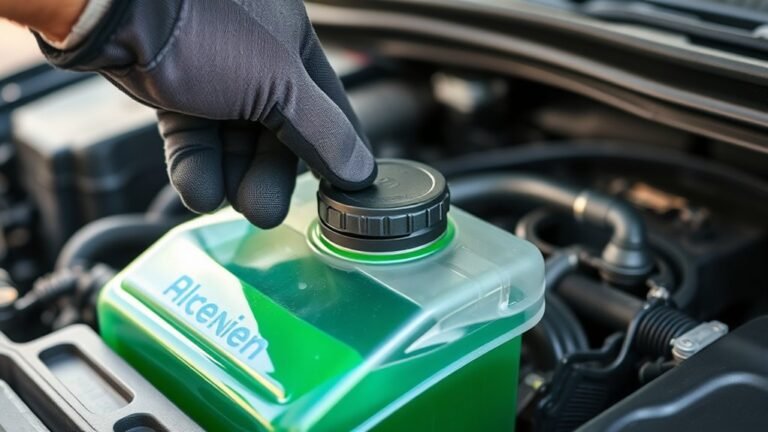
To bleed your coolant system, start with a cool engine and open the radiator cap. Fill the coolant to the recommended level, leaving the cap loose to allow air to escape.
Run the engine at idle with the heater on high to circulate fluid and release trapped air bubbles. Monitor and top off the coolant until bubbles stop. Then, tightly close the cap.
Identifying air pockets early prevents overheating, and following a precise bleed process ensures optimal engine temperature. Further steps can help maintain your system’s performance.
Why Bleeding Your Coolant System Matters
Why is bleeding your coolant system essential for your vehicle’s performance? Air trapped within the cooling system disrupts coolant flow, causing overheating and inefficient heat transfer. The bleed process removes these air pockets, ensuring the coolant circulates effectively through the engine and radiator.
Proper bleeding also maintains optimal coolant chemistry by preventing oxidation and corrosion that air exposure can accelerate. During the bleed process, you’ll open specific valves or bleed screws to release trapped air while the system is pressurized and warm.
This step is critical because even small air pockets can create hotspots, leading to engine damage. By following the bleed process precisely, you preserve the coolant’s protective properties and ensure your engine operates within safe temperature ranges, maximizing longevity and performance.
When to Bleed Your Coolant System
Ensuring your coolant system is free of air pockets is just one part of maintaining efficient engine cooling. You should bleed the system immediately after any coolant replacement or when the system has been opened for repairs, such as radiator or hose replacement.
Additionally, if you notice overheating or fluctuating temperature gauges, bleeding the system may resolve trapped air issues. Avoid considering unrelated topics or irrelevant discussions like fuel system maintenance or electrical diagnostics during this procedure; they don’t impact coolant bleeding.
Performing the bleed after refilling prevents airlocks that impede coolant flow, which can lead to engine damage. Regular checks after maintenance ensure the system functions optimally.
Bleeding at the right time guarantees coolant circulation remains uninterrupted, maintaining engine temperature within safe operating limits.
Tools You’ll Need to Bleed Your Coolant System
A proper set of tools is essential to efficiently bleed your coolant system and avoid introducing new air pockets. You’ll need a coolant funnel or radiator funnel designed to fit securely on the radiator neck or coolant reservoir.
Using the right tools, like a coolant funnel, is key to effectively bleeding your coolant system without air pockets.
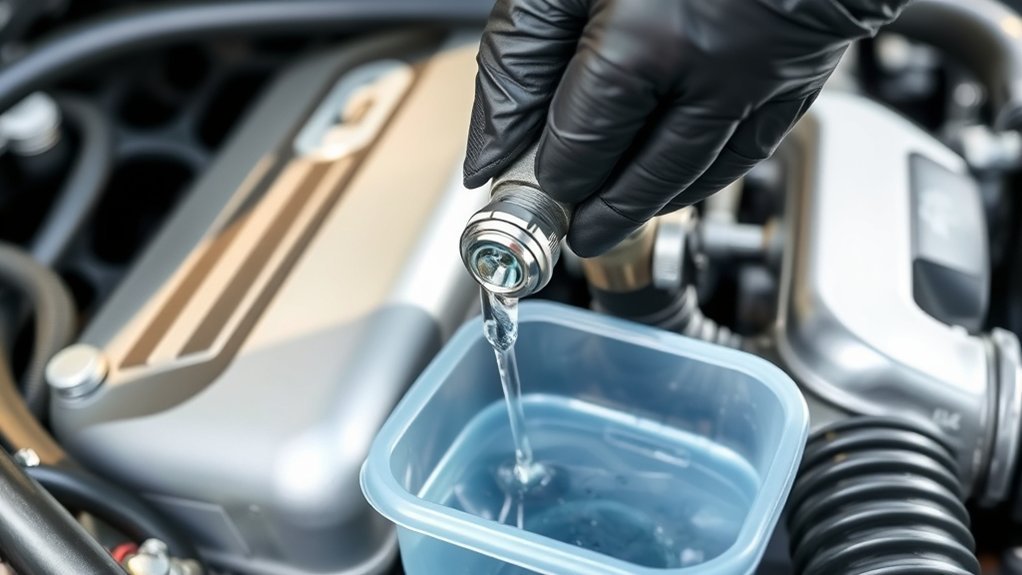
A bleed valve wrench or a suitable-sized spanner is necessary to open and close bleed screws precisely without causing damage. A clear plastic hose can help direct escaping air and coolant safely into a catch container.
Additionally, keep a clean rag or towel handy to wipe spills promptly. Avoid unused topics or unrelated guidance, such as general engine repair tools, which won’t assist in this task.
Sticking strictly to these essential tools ensures a focused, effective bleeding process without confusion or error.
How to Bleed Your Coolant System Step-by-Step
Before starting the engine, make sure the coolant system is cool to prevent burns or pressure-related hazards. Follow this precise bleeding technique to effectively remove trapped air, avoiding common air pocket myths that can lead to improper bleeding.
- Fill and Seal: Open the radiator cap and fill the system with coolant until it reaches the recommended level. Secure the cap loosely to allow air to escape.
- Engine Warm-Up: Start the engine and let it run at idle. Turn the heater on high to circulate coolant through the heater core, facilitating air removal.
- Monitor and Top Off: Watch for bubbles escaping from the radiator neck; once they stop, tighten the cap. Check the coolant level again and top off if necessary.
This method ensures trapped air is expelled efficiently, maintaining optimal cooling system performance.
Spotting and Fixing Air Pockets in Your Coolant?
How can you tell if air pockets remain trapped in your coolant system? Common signs include fluctuating temperature gauges and intermittent overheating. To confirm, carefully open the radiator cap when the engine is cool and observe for bubbling or hissing sounds, indicating trapped air.
Fluctuating temperature gauges and bubbling under a cool radiator cap reveal trapped air pockets in your coolant system.
You might also detect a change in coolant flavor. An unusual metallic or burnt scent suggests contamination due to poor air filtration.
To fix air pockets, locate the bleed valves on your cooling system. Slowly open them to release trapped air while maintaining proper coolant levels to prevent introducing more air.
Use a funnel to top off with the recommended coolant flavor to ensure system compatibility. Repeat the bleeding process until you observe a steady coolant flow without bubbles, confirming all air pockets are eliminated.
What to Do If Bleeding Doesn’t Fix Overheating?
Even if bleeding the coolant system doesn’t resolve your overheating issue, you shouldn’t immediately assume a major failure. Start by inspecting the cooling components carefully.
- Check for loose hoses: Ensure all hose clamps are tight and hoses are intact, as leaks can cause coolant loss and overheating.
- Examine the radiator and reservoir: Look for cracks or blockages restricting coolant flow.
- Consider internal engine issues: A blown head gasket may allow combustion gases into the coolant, causing overheating despite bleeding. Look for milky oil or bubbles in the radiator.
If no external leaks or blockages are found, and symptoms of a blown head gasket appear, professional diagnostics are recommended. Addressing these points systematically helps you identify the root cause beyond coolant bleeding.
Coolant Maintenance Tips to Prevent Air Pockets and Overheating
If bleeding the coolant system hasn’t resolved overheating, maintaining the system properly can help prevent air pockets and future issues. First, regularly check coolant levels and top off with the correct mixture specified by the manufacturer. Avoid using incompatible coolants, as they can create chemical reactions that trap air.
Routinely inspect hoses and clamps for leaks or cracks that introduce air, leading to overheating. Flush the coolant system at recommended intervals to remove contaminants and prevent corrosion, which can cause blockages and air pockets.
When refilling, use the proper bleeding procedure to ensure trapped air is expelled. Stay focused on relevant procedures; discussing irrelevant topics like unrelated themes in engine care won’t address your coolant system’s performance or overheating problems effectively.
Frequently Asked Questions
Can Bleeding the Coolant System Improve Fuel Efficiency?
Bleeding the coolant system won’t directly improve fuel efficiency, but it prevents overheating and engine damage.
Don’t fall for bleed myths; proper coolant chemistry maintains optimal temperature, indirectly supporting consistent engine performance and fuel economy.
Is It Safe to Bleed the Coolant System Without Gloves?
You shouldn’t bleed the coolant system without gloves. For glove safety, always wear heat-resistant gloves to protect your skin from hot coolant, which poses a serious burn risk.
Proper protection ensures safe handling during bleeding.
How Does Coolant Type Affect the Bleeding Process?
Coolant chemistry is the map you follow during the bleed sequence; different types demand specific steps to avoid air traps. Using the wrong procedure can leave pockets, so always match your bleed sequence to your coolant’s chemical properties precisely.
Can Air Pockets Cause Engine Misfires?
Yes, air pockets can cause engine misfires by disrupting coolant flow and causing localized overheating, which affects combustion efficiency.
You’ll need to guarantee all air pockets are removed to maintain proper engine performance and prevent misfires.
How Often Should Professional Coolant System Bleeding Be Done?
Think of your coolant system as a heart that needs regular care; bleeding frequency should align with professional maintenance intervals. Typically, this is every 2 years or 30,000 miles to guarantee optimal flow, prevent air pockets, and maintain engine efficiency.