How Do You Fix Burn Holes in Car Seat
To fix burn holes in your car seat, start by measuring the size of the hole and identifying the material type—fabric or leather—to choose the appropriate repair method.
For small holes in fabric seats, use an automotive-specific repair kit that includes adhesive patches. For leather seats, flexible fillers combined with grain paper work best.
Before applying any repair materials, clean the damaged area thoroughly to ensure good adhesion. Then, apply patches or fillers carefully and use color-matching techniques to blend the repair seamlessly with the original seat.
If the burn hole is deep or large, it’s often best to seek professional repair services or consider seat replacement. Following detailed repair steps helps ensure your fix is both durable and visually effective.
Assess Burn Hole Size and Severity
How large and deep is the burn hole in your car seat? To assess damage accurately, start by measuring the hole’s diameter and examining its depth. Use a ruler or tape measure for precision.
Begin by measuring the burn hole’s size and depth with a ruler or tape measure for precise damage assessment.
Next, compare materials—fabric, leather, or synthetic—since each responds differently to heat and requires distinct repair approaches. Inspect the surrounding area for discoloration, brittleness, or weakening fibers, which indicate severity beyond the visible hole.
Assess damage thoroughly to determine if the repair can be localized or if replacement is necessary. Documenting the extent helps you plan the repair method and gather appropriate materials.
Avoid guessing; a detailed evaluation ensures you address both the surface and underlying damage effectively.
Fix Small Burn Holes Yourself (Fabric & Leather)
First, measure the burn hole carefully to confirm it’s small enough for a DIY fix. Next, gather essential repair materials like fabric or leather patches, adhesive, and a fine applicator.
Finally, follow a precise step-by-step process to clean, patch, and blend the damaged area for a seamless repair.
Assess Damage Size
When you notice a burn hole in your car seat, the initial step is to evaluate its size and severity accurately. To assess fabric burn, examine the affected area under good lighting, measuring the hole’s diameter and inspecting surrounding fibers for weakening or discoloration.
Small holes, typically under half an inch, are usually repairable at home. When you evaluate leathers, check not only the hole size but also the depth of the damage and whether the leather’s protective finish is compromised.
A shallow hole with intact edges can be fixed with proper materials, while extensive burns may require professional intervention. Document the damage clearly before proceeding, as this assessment guides your repair approach and determines whether you can handle the fix yourself or need expert help.
Gather Repair Materials
Where do you start gathering materials to repair small burn holes in your car seat? Begin by identifying the fabric or leather type to select suitable products. Consider topic ideas about compatibility and durability when choosing repair kits.
You’ll need:
- A fabric or leather repair kit designed for automotive use.
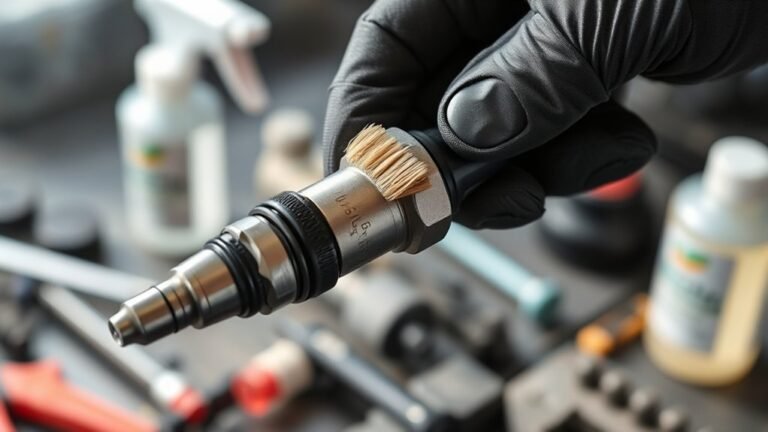
- Fine sandpaper or a small brush to prepare the damaged area.
- Alternative materials like color-matched thread or adhesive patches if kits aren’t available.
These essentials ensure a seamless fix. Check product instructions for compatibility with your seat material. If you opt for alternative materials, verify their heat resistance and flexibility to prevent future damage.
Gathering precise materials tailored to your car seat’s fabric type streamlines the repair process and ensures a durable, professional-looking result.
Step-by-Step Repair Process
How do you effectively restore small burn holes in your car seat without professional help? Begin with thorough seat cleaning to remove dirt and oils, ensuring proper adhesion during burn care.
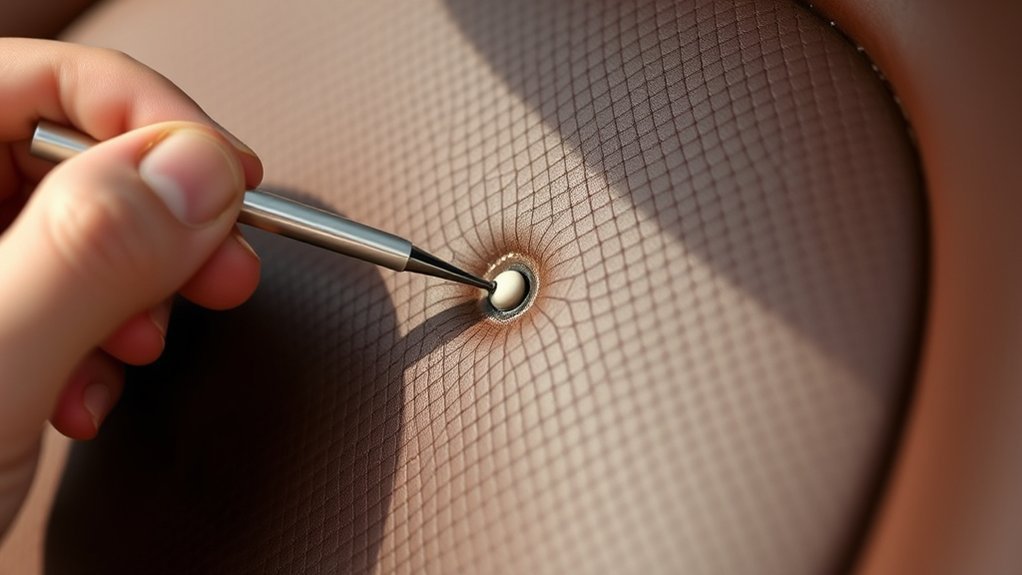
For fabric seats, trim any loose fibers around the hole. Apply a fabric adhesive patch beneath the damaged area, then carefully press the fabric back into place. Use a heat-activated bonding agent if available for stronger results.
For leather seats, gently sand the edges of the hole, apply a leather filler, and smooth it evenly. Once dry, color-match with a leather dye to blend the repair seamlessly.
Finish by applying a protective sealant suitable for your seat material. Follow these precise steps to restore your car seat efficiently and maintain its integrity without professional intervention.
Repair Burn Holes With Kits: Easy DIY Methods
Why choose a repair kit to fix burn holes in your car seat? Repair kits offer a precise, cost-effective solution that suits both fabric and leather materials, helping maintain your seat’s integrity while supporting burn prevention. These kits come with tailored tools and compounds designed for specific seat types, ensuring a seamless fix.
Here’s why you should use a repair kit:
- Material-specific solutions: Kits include patches and adhesives matched for fabric or leather.
- Ease of use: Step-by-step instructions guide you through a controlled, efficient repair.
- Durability: Properly applied kits restore strength and prevent further burn damage.
Know When to Get Professional Help or Replace Seats
You need to assess the burn hole’s size and depth to determine if a DIY repair is feasible. Compare the repair kit costs against professional services to decide if it’s worth fixing.
If the damage compromises seat structure or safety, consider replacing the seat entirely.
Assess Damage Severity
When should you consider seeking professional repair or replacing a car seat after a burn? Assessing burn severity is essential before proceeding. Minor surface burns with intact padding often can be repaired at home, while deeper damage requires expert intervention. Use this checklist to guide your decision:
- Depth and Size of Burn: Small, shallow burns under 1 inch are typically manageable with DIY patches. Extensive or deep burns compromising the cushion demand professional assessment.
- Material Damage: Evaluate if the synthetic or leather surface is melted or cracked beyond repair. Severe material degradation affects choosing repair materials and may necessitate replacement.
- Structural Integrity: Check for damage to foam padding or seat frame. If structural elements are compromised, replacement is the safest option.
Evaluate Repair Costs
After assessing the severity of the burn damage, the next step involves evaluating the repair costs to determine whether professional assistance or seat replacement is more economical. Burn hole causation often affects repair complexity; smaller burns from cigarettes may require simple patching, whereas larger holes from embers or chemicals can demand extensive labor.
Consider seat material comparison carefully. Leather repairs typically cost more due to specialized dyes and fillers, while fabric seats might be cheaper to patch but less durable. Obtain quotes from professionals and compare them with the price of replacement seats.
If repair costs approach or exceed 50-60% of the seat’s value, replacement is usually more cost-effective. You’ll save time and ensure structural integrity by choosing the option that best balances cost and durability.
Prevent Burn Holes on Your Car Seats
How can you effectively minimize the risk of burn holes on your car seats? To prevent damage and maintain your seats’ integrity, you need a proactive approach. Follow these steps:
- Avoid smoking or placing hot objects like lighters or cigarettes inside the vehicle to eliminate direct heat sources.
- Use seat covers made from heat-resistant materials to provide an additional protective layer, reducing the chance of burns.
- Regularly clean your seats using appropriate stain removal methods to avoid residue buildup, which can weaken the fabric and make it more susceptible to damage.
Implementing these measures helps you prevent damage and maintain your car seats’ appearance and durability. Prioritizing prevention is more efficient and cost-effective than repairing burn holes after the fact.
Best Products for Car Seat Burn Hole Repair
Which products deliver the most reliable results for repairing burn holes in car seats? You should prioritize specialized leather or fabric repair kits designed for automotive upholstery. These kits include adhesives, fillers, and color compounds that ensure seamless burn hole aesthetics.
Look for products offering precise fabric color matching to blend repair areas with the original seat material, preventing visible mismatches. For fabric seats, patch kits with heat-activated adhesives provide durable fixes without bulk.
Leather repair kits typically contain grain papers and flexible fillers that restore texture alongside color. Avoid generic household glues or fillers, as they compromise durability and appearance.
Investing in automotive-specific repair products guarantees structural integrity and a near-invisible finish, allowing you to maintain your car seat’s original look effectively.
Frequently Asked Questions
Can Burn Holes in Car Seats Affect Vehicle Resale Value?
Yes, burn holes in car seats reduce your vehicle’s resale value considerably. You should prioritize burn hole prevention and upholstery care to maintain interior quality.
Avoiding costly repairs helps prevent deterring potential buyers.
Are There Any Health Risks From Burn Holes in Car Seats?
You don’t want burn hazards turning your car into a fiery trap. Burn holes can expose sharp edges or harmful fumes.
Prompt fabric repair prevents health risks like respiratory irritation or skin contact with toxic residues.
How Long Does It Take for a Professional to Repair Burn Holes?
A professional typically spends 1 to 3 hours repairing burn holes, depending on the burn hole causes and damage extent.
Repair timeframes vary with material type and severity, ensuring precise restoration for durability and aesthetics.
Can Pets Cause Burn Holes Similar to Cigarette Burns?
You might think pets cause burn holes like cigarettes, but they usually don’t. Pets can damage seats, but burn holes result from heat or flame.
Are Car Seat Heaters Responsible for Causing Burn Holes?
Car seat heating can cause burn holes if the system malfunctions or overheats. You should inspect wiring and temperature settings regularly, since improper use or defects are common burn hole causes in your car seat heating system.
Conclusion
You might think a tiny burn hole is just a minor flaw, but ignoring it can turn your seat into a costly, unsightly mess. Luckily, you don’t need a mechanic’s degree to fix it yourself—just the right tools and patience.
If the damage’s beyond your skill set, don’t hesitate to call a pro before it worsens. Ironically, preventing these burns is often easier than fixing them, so keep that cigarette away and protect your investment.
Remember, knowing how to fix burn holes in car seat can save you time and money while keeping your vehicle looking its best.