What Is a Wheel and Axle
A wheel and axle is a simple machine that helps you move or lift heavy loads with less effort. It consists of a large wheel attached to a smaller axle at the center. When you turn the large wheel, it rotates the smaller axle, reducing friction and making movement smoother.
The key to its effectiveness is the size difference—the bigger the wheel compared to the axle, the easier the task becomes. This setup is common in everything from cars to household gadgets. You can unearth how this clever system has evolved and functions in various technologies.
Key Takeaways
- A wheel and axle is a simple machine consisting of a large wheel attached to a smaller cylindrical axle that rotate together.
- It works by turning the wheel, which causes the axle to spin, reducing effort needed to move or lift loads.
- The mechanical advantage comes from the larger wheel radius compared to the axle, increasing output force.
- It changes the direction of force and enables smoother, continuous motion for easier task execution.
- The wheel reduces friction, while the axle supports rotation, ensuring efficient power transmission without slipping.
What Is a Wheel and Axle and How Does It Work?
How does a wheel and axle make work easier? When you use this simple machine, it reduces the effort needed to move or lift objects. The wheel is a large circular frame connected to a smaller cylinder, the axle.
When you turn the wheel, the axle spins too, magnifying your force. This mechanical advantage means you can move heavier loads with less effort. Imagine pushing a heavy cart; the wheels help distribute the weight and allow smoother movement.
The wheel and axle also change the direction of force, letting you apply power more efficiently. By understanding how these parts work together, you can appreciate why this simple machine remains essential in everyday tools and transportation.
A Brief History of the Wheel and Axle
You’ll find that the wheel and axle started as simple tools in ancient times and quickly evolved through various civilizations. As you explore their development, you’ll see how these innovations transformed transportation.
Understanding this history helps you appreciate the impact these inventions still have today.
Origins of Early Wheels
Inventors crafted the first wheels thousands of years ago, revolutionizing transportation and machinery. You can trace the earliest wheels back to Mesopotamia around 3500 BCE, where potters used them for shaping clay.
Soon, this circular innovation moved from pottery to transport, enhancing carts and chariots. These early wheels were solid wooden disks, often carved from a single piece of timber.
You’ll find that their simplicity was key; they didn’t need spokes or complex designs yet. By understanding how these early wheels worked, you see how they laid the foundation for the wheel and axle mechanism.
This simple yet effective design helped reduce friction and made moving heavy loads easier, marking a pivotal step toward technological progress in human history.
Evolution Through Ancient Civilizations
As ancient civilizations expanded, they refined the wheel and axle to meet growing demands for transportation and industry. You’ll see how different cultures adapted this simple machine to fit their unique needs. The Mesopotamians improved wheel designs for pottery and carts, while the Egyptians used them in construction projects. The Indus Valley civilization integrated wheels and axles into their drainage and transport systems, showing their engineering skills.
Here are key developments you should know:
- Mesopotamians crafted spoked wheels, reducing weight and increasing efficiency.
- Egyptians employed solid wheels for heavy loads, aiding monumental building.
- Indus Valley civilization standardized wheel sizes for better compatibility in trade.
These improvements laid the groundwork for future innovations in wheel and axle technology.
Impact on Transportation Development
How did the wheel and axle transform transportation throughout history? They revolutionized the way you move goods and people, making travel faster and less exhausting. Before their invention, you relied on dragging loads or carrying them manually.
With wheels, carts and chariots became practical, allowing you to cover longer distances with heavier cargo. This innovation sparked trade expansion, connecting distant communities and boosting economies. It also changed warfare, giving armies greater mobility.
Over time, improvements like spoked wheels and better axles enhanced speed and durability. Today, the wheel and axle remain fundamental in vehicles, from bicycles to cars, proving their lasting impact. Understanding this development helps you appreciate how a simple mechanism reshaped transportation and shaped civilization’s progress.
The Main Parts of a Wheel and Axle System
What makes a wheel and axle system work effectively? It’s the interaction of its main parts, each playing an essential role. When you understand these parts, you’ll see how they combine to transfer force smoothly and efficiently.
Here are the three key components you’ll find in every wheel and axle system:
Wheel: The larger circular part you turn or that rolls, designed to reduce friction.
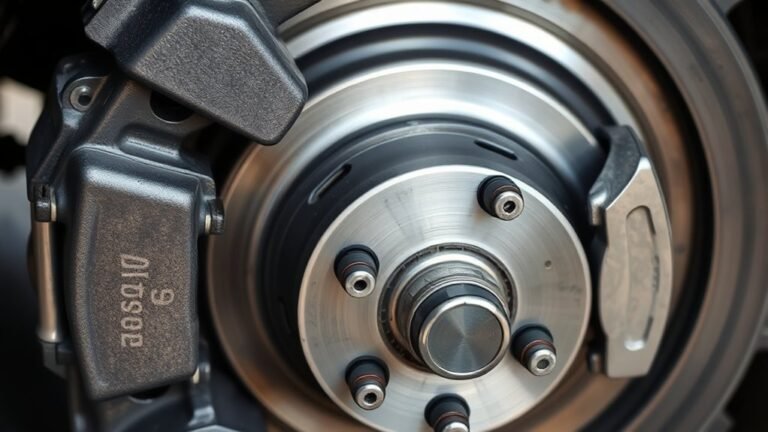
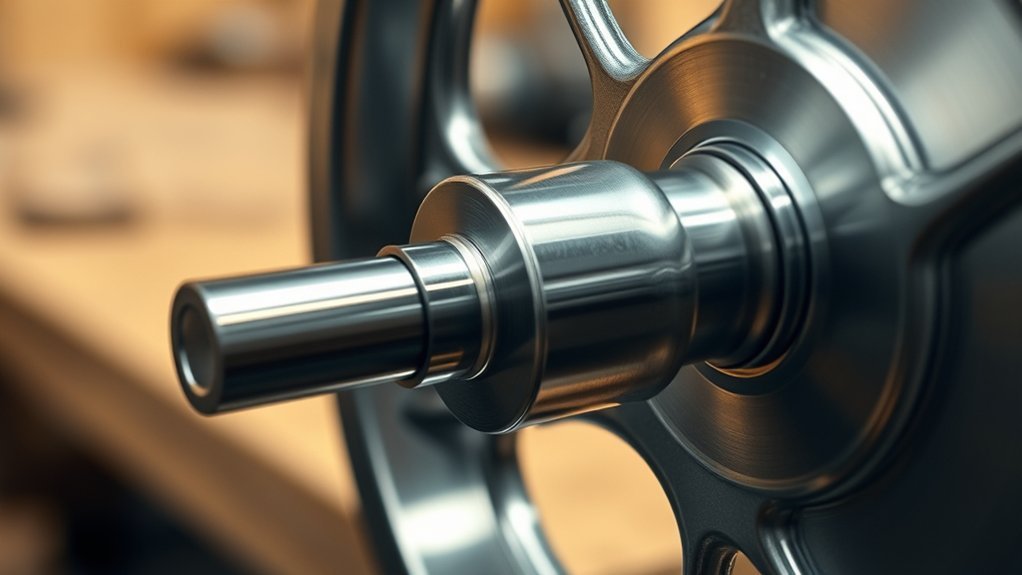
Axle: The smaller rod or shaft passing through the wheel’s center, supporting and enabling rotation.
Connection point: Where the wheel firmly attaches to the axle, ensuring they rotate together without slipping.
How Does a Wheel and Axle Make Work Easier?
Understanding the main parts of a wheel and axle system helps you see how these components work together to make tasks easier. When you turn the wheel, it rotates the axle, allowing you to move or lift objects with less effort.
The larger the wheel compared to the axle, the greater the mechanical advantage you get. This means you can apply less force over a longer distance to achieve more work.
| Wheel Diameter | Axle Diameter | Mechanical Advantage |
|---|---|---|
| Large | Small | High |
| Medium | Medium | Moderate |
| Small | Large | Low |
Common Wheel and Axle Examples You See Every Day
Where do you encounter wheel and axle systems in your daily life? You actually come across them more often than you might think. These simple machines help make tasks easier by reducing friction and increasing efficiency.
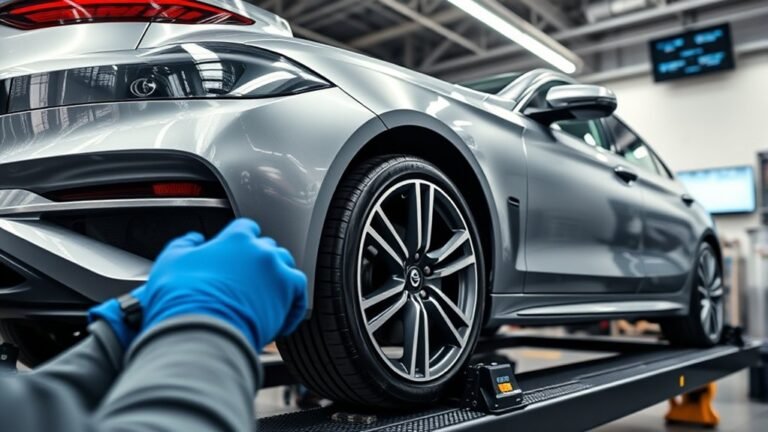
For example, when you ride a bicycle, the wheels and axles work together to help you move smoothly. In your car, the wheels attached to axles allow for effortless travel. Even your office chair uses a wheel and axle system to let you glide across the floor without lifting.
Common examples include:
- Bicycle wheels and pedals
- Car tires and drive shafts
- Rolling office chairs
Next time you use these items, you’ll recognize how the wheel and axle plays a vital role in making everyday activities easier.
How Does the Wheel and Axle Compare to Other Simple Machines?
How does the wheel and axle stack up against other simple machines you use every day? Unlike a lever or pulley, the wheel and axle combines rotation and movement, making it ideal for reducing friction and transporting loads efficiently.
You’ll find it especially useful when you need smooth, continuous motion, unlike the back-and-forth action of a lever. Compared to an inclined plane, the wheel and axle allows for faster and more versatile movement.
While pulleys change the direction of force, wheels and axles multiply force while enabling easy rolling. When you use a wheel and axle, you’re tapping into a system that’s simple but incredibly effective, helping you do tasks faster and with less effort than many other simple machines.
Understanding Mechanical Advantage in Wheel and Axle Systems
Why does the wheel and axle make work feel easier? It’s all about mechanical advantage, the ratio of output force to input force. When you turn the wheel, you apply force over a larger distance, which multiplies the force exerted by the axle. This means you can move heavier loads with less effort.
Turning the wheel applies force over a greater distance, making it easier to move heavy loads.
You can understand mechanical advantage in wheel and axle systems by considering:
- The radius of the wheel compared to the axle: a larger wheel radius increases mechanical advantage.
- How far you turn the wheel versus how far the axle moves.
- The direction and amount of force you apply.
Troubleshooting Common Wheel and Axle Problems
When your wheel and axle system isn’t working smoothly, the first step is spotting common issues like wobbling or resistance. You’ll want to check the alignment carefully, since misaligned wheels can cause major problems.
Fixing these issues early keeps everything running efficiently and prevents bigger repairs later.
Identifying Common Issues
What signs should you watch for to know your wheel and axle system needs attention? You’ll want to keep an eye out for unusual noises, resistance when turning, or visible damage. Catching these early helps prevent bigger problems.
Here are common issues you might face:
- Squeaking or grinding sounds: This often means the axle or bearings need lubrication or replacement.
- Wobbling wheels: This could indicate a loose or bent axle causing instability.
- Difficulty in rotation: If the wheel doesn’t turn smoothly, dirt, rust, or damage might be interfering.
Fixing Wheel Alignment
Noticing signs like wobbling wheels or difficulty in rotation often points to misaligned wheels. To fix this, first check the axle and wheel for any bends or damage.
Tighten loose bolts and ensure the wheel sits properly on the axle. If the problem persists, adjust the axle position to correct the alignment.
Here’s a quick guide to help you troubleshoot:
| Issue | Solution |
|---|---|
| Wobbling Wheel | Tighten bolts, check for bends |
| Difficulty Rotating | Lubricate axle, realign wheel |
| Uneven Wear | Adjust axle position |
How Are Wheels and Axles Used in Modern Technology?
How do wheels and axles continue to power the devices and machines you rely on every day? They form the backbone of countless technologies, making movement and function smoother and more efficient.
When you drive your car, the wheels and axles convert engine power into motion. In factories, conveyor belts use wheels and axles to transport goods swiftly. Even your computer’s cooling fans depend on small axles to spin the blades that keep components cool.
Here are some key modern uses:
- Automobiles: Wheels and axles enable vehicle mobility and control.
- Industrial machinery: They drive conveyor systems and robotic arms.
- Household appliances: Fans, washing machines, and vacuum cleaners use them for smooth operation.
You see, wheels and axles remain essential in today’s tech-driven world.
What’s Next? Future Innovations With the Wheel and Axle
Where will the wheel and axle take us next? You’ll see them playing a bigger role in smart transportation and robotics. As materials get lighter and stronger, wheels and axles will help vehicles become more energy-efficient and faster.
You can expect innovations like self-healing tires and axles that adjust their shape for different terrains. In robotics, these parts will enable smoother, more precise movements, making machines more adaptable to complex tasks.
Even in renewable energy, wheels and axles will improve wind turbines and other devices. By embracing new technologies like sensors and AI integration, the classic wheel and axle will evolve, helping you experience safer, smarter mobility solutions.
The future is rolling toward exciting possibilities, and you’re right in the middle of it.
Frequently Asked Questions
Can a Wheel and Axle System Be Used Underwater?
Yes, you can use a wheel and axle system underwater, but you’ll need materials that resist corrosion and guarantee proper sealing to prevent water damage. Otherwise, water might cause rust and reduce efficiency over time.
What Materials Are Best for Building a Durable Wheel and Axle?
Don’t grab cotton candy. Steel and hardwood are your go-tos for a durable wheel and axle. They laugh at wear and tear while plastic just cries.
You want strength? Choose materials that actually work, not fluff.
How Do Wheel and Axle Systems Impact Energy Consumption?
You’ll reduce energy consumption by using wheel and axle systems because they decrease friction and make moving objects easier. This efficiency means you’ll use less force and save energy during tasks like transportation or machinery operation.
Are There Any Cultural Significances of the Wheel and Axle?
You’ll find the wheel and axle symbolize progress and innovation in many cultures, representing movement and connection. They’re often linked to cycles of life, technology, and even spiritual journeys, showing their deep cultural importance worldwide.
Can Wheel and Axle Mechanisms Be 3D Printed at Home?
You can absolutely 3D print wheel and axle mechanisms at home; it’s like having a miniature factory at your fingertips. Just design or download a model, use your printer, and watch your ideas come to life smoothly.
Conclusion
Now that you’ve rolled through the essentials of the wheel and axle, you see how this simple invention keeps the world turning smoothly. It’s not just a tool but a trusted partner, making heavy work feel like a gentle breeze.
As technology speeds forward, the wheel and axle will continue to spin new possibilities your way, proving that even the oldest ideas can drive the future with unstoppable momentum. The wheel and axle remain fundamental in shaping innovation and progress.