
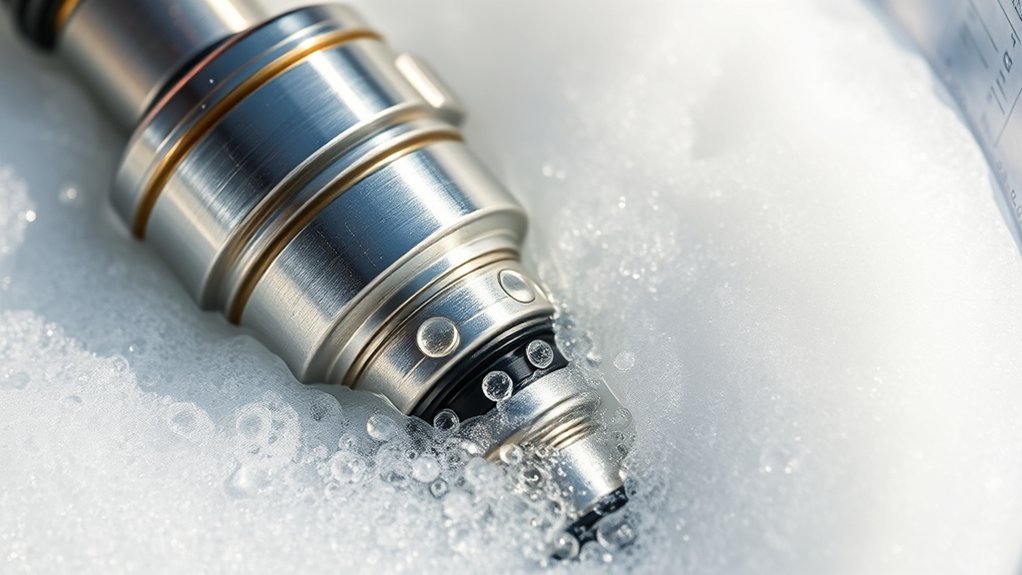
Does Seafoam Clean Fuel Injectors
Yes, Seafoam cleans fuel injectors by dissolving varnish, gum, and carbon buildup that disrupts spray patterns and engine performance. When you add it to your fuel tank, it mixes with gasoline and travels to the injectors, breaking down deposits to restore smooth fuel delivery and better combustion.
Seafoam works well for mild to moderate buildup, helping to improve engine efficiency and reduce emissions. However, severe clogs might require professional attention to fully resolve the issue.
Keep going to contemplate how to maximize its effectiveness and when to contemplate other options.
Key Takeaways
- Seafoam cleans fuel injectors by breaking down varnish, gum, and carbon deposits to restore proper spray patterns.
- It improves atomization and combustion efficiency when added to the fuel tank or used as a direct intake cleaner.
- Seafoam is effective for mild to moderate injector deposits but cannot fix severe clogging or mechanical damage.
- Using Seafoam typically results in smoother idling, better throttle response, and improved fuel efficiency.
- Regular Seafoam use helps maintain injector cleanliness and engine performance, especially under harsh driving conditions.
What Are Fuel Injectors and Why Clean Them?
What exactly do fuel injectors do, and why should you bother cleaning them? Fuel injectors spray fuel into your engine’s combustion chamber in a fine mist, ensuring efficient burning and optimal power.
When they get clogged or dirty, the spray pattern changes, causing poor fuel atomization. You’ll notice symptoms like rough idling, reduced fuel efficiency, and sluggish acceleration.
Cleaning fuel injectors removes deposits that build up over time from impurities in fuel, helping restore proper spray patterns. This maintenance prevents engine misfires and keeps your vehicle running smoothly.
Neglecting injector cleaning can lead to costly repairs down the line. So, keeping your injectors clean means better performance, lower emissions, and longer engine life—all worth your attention.
How Does Seafoam Work on Fuel Injectors?
Keeping your fuel injectors clean is important, and Seafoam offers a popular solution to tackle buildup. When you add Seafoam to your fuel tank, it mixes with gasoline and travels through the fuel system, reaching the injectors.
Seafoam’s formula breaks down varnish, gum, and carbon deposits that accumulate in the injectors, helping restore proper spray patterns. This process allows fuel to atomize better, improving combustion efficiency.
You can also use Seafoam as a direct cleaner by introducing it through the intake manifold, targeting injectors more aggressively. Either way, Seafoam works by loosening stubborn deposits and carrying them out through combustion.
Does Seafoam Really Clean Fuel Injector Deposits?
How effectively does Seafoam clean fuel injector deposits? When you use Seafoam as directed, it can dissolve and remove many types of carbon buildup in your injectors, improving spray patterns and fuel atomization. You’ll often notice smoother idling and better throttle response after treatment.
However, it’s important to understand that Seafoam isn’t a magic fix for severe clogging or mechanical issues. It works best on mild to moderate deposits, helping maintain injector efficiency over time. If your injectors are heavily gummed up or damaged, professional cleaning or replacement might be necessary.
When and How Should You Use Seafoam for Fuel Injector Cleaning?
Since Seafoam works best on mild to moderate injector deposits, knowing when and how to use it can maximize its benefits. You should use Seafoam as a preventive measure or at the first signs of rough idling or poor fuel economy.
Add it to your fuel tank when it’s about a quarter full to ensure proper mixing. For stubborn deposits, use it as a direct fuel system cleaner following the product instructions.
| When to Use Seafoam | How to Use It |
|---|---|
| Mild to moderate deposits | Add to fuel tank (1-2 oz per gallon) |
| Preventive maintenance | Use every 3,000 miles during fill-up |
| Initial performance issues | Use Seafoam spray for direct injector cleaning |
Do Experts Think Seafoam Really Works?
What do experts say about Seafoam’s effectiveness on fuel injectors? Many mechanics and automotive specialists acknowledge that Seafoam can help remove minor deposits in fuel systems, improving injector performance.
They point out that it’s not a miracle cure but a useful maintenance product that supports cleaner injectors when used properly. You’ll find that experts recommend Seafoam mainly for preventative care rather than fixing severe injector clogs.
They also emphasize following the product instructions carefully, as overuse or improper application won’t yield better results and might cause issues. Overall, if you’re looking to maintain injector cleanliness or address mild buildup, experts agree Seafoam can be a practical option, but it’s not a substitute for professional cleaning when serious problems arise.
Alternatives to Seafoam for Cleaning Fuel Injectors
Looking for alternatives to Seafoam for cleaning fuel injectors? You have several effective options. Fuel injector cleaners like Chevron Techron or BG 44K are popular because they’re specifically formulated to remove deposits and improve injector performance.
You can also consider professional fuel injector cleaning services that use ultrasonic cleaning, which thoroughly removes buildup without damaging parts. Another choice is using fuel additives containing polyether amines (PEA), known for their strong cleaning properties.
If you prefer a DIY approach, some recommend using higher-quality fuels with built-in detergents to maintain cleaner injectors over time. Whatever you choose, make sure it’s compatible with your engine type and follows manufacturer recommendations to avoid damage or voiding warranties.
How Often Should You Clean Your Fuel Injectors?
You should clean your fuel injectors every 30,000 miles or as recommended in your vehicle’s manual.
If you notice rough idling, poor acceleration, or decreased fuel efficiency, it might be time for a cleaning. Paying attention to these signs helps you keep your engine running smoothly.
Recommended Cleaning Intervals
How often should you clean your fuel injectors to keep your engine running smoothly? Generally, it’s a good idea to clean them every 30,000 to 50,000 miles. This interval helps prevent buildup that can reduce performance and fuel efficiency.
If you drive in harsh conditions, like frequent stop-and-go traffic or dusty environments, consider cleaning them more often. Using a product like Seafoam can be part of regular maintenance, but it’s best to follow your vehicle manufacturer’s recommendations.
Signs Fuel Injectors Need Cleaning
Regularly cleaning your fuel injectors helps keep your engine efficient, but sometimes signs indicate it’s time for maintenance sooner than planned. You might notice reduced fuel economy, rough idling, or hesitation during acceleration. These symptoms suggest your injectors could be clogged or dirty.
Ignoring them can lead to poor engine performance and costly repairs.
| Sign | What It Means |
|---|---|
| Reduced fuel efficiency | Clogged injectors wasting fuel |
| Rough idle | Uneven fuel spray causing shakes |
| Engine misfires | Inconsistent fuel delivery |
| Poor acceleration | Insufficient fuel flow |
| Check engine light on | Sensor detects injector issues |
If you experience these signs, consider cleaning your injectors regardless of your last service.
Frequently Asked Questions
Can Seafoam Harm My Engine if Used Incorrectly?
Yes, Seafoam can harm your engine if you use too much or apply it incorrectly. You might cause fuel system damage or engine issues.
Always follow the instructions carefully to avoid problems and keep your engine safe.
Is Seafoam Safe for All Types of Fuel Engines?
You’ll find Seafoam is safe for gasoline, diesel, and even two-stroke engines, used by over 90% of mechanics. Just follow instructions carefully, or you might risk damaging seals or components in sensitive engines.
How Long Does It Take for Seafoam to Show Results?
You’ll usually notice Seafoam’s effects within a few minutes to an hour after use. It starts breaking down deposits quickly, but for best results, give your engine a thorough run to fully clean fuel system components.
Can Seafoam Improve Fuel Economy Significantly?
You won’t see a radical jump in fuel economy with Seafoam, but it can gently clear buildup, letting your engine breathe better.
Think of it as a tune-up that helps your car run smoother, not a miracle fix.
Where Can I Purchase Genuine Seafoam Products?
You can purchase genuine Seafoam products at auto parts stores like AutoZone, O’Reilly, or Advance Auto Parts.
You’ll also find them online through Amazon, Walmart, or Seafoam’s official website for guaranteed authenticity and deals.
Conclusion
So, does Seafoam really clean your fuel injectors? You might think it’s just another additive, but its ability to break down deposits could surprise you. Yet, the real question is whether it’s enough for your engine’s long-term health.
Before you decide, consider how often you drive, your injector’s condition, and expert opinions. The answer isn’t always clear-cut, but one thing’s certain: your fuel system deserves attention—don’t wait until problems catch you off guard.
When it comes to maintaining optimal performance, using Seafoam to clean fuel injectors can be a helpful part of your routine.