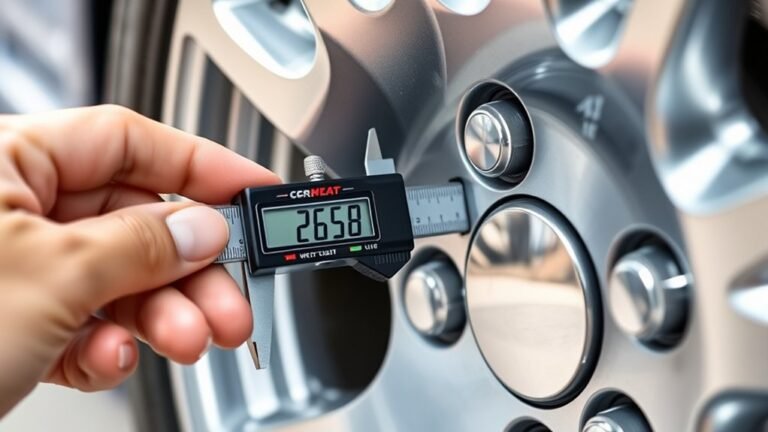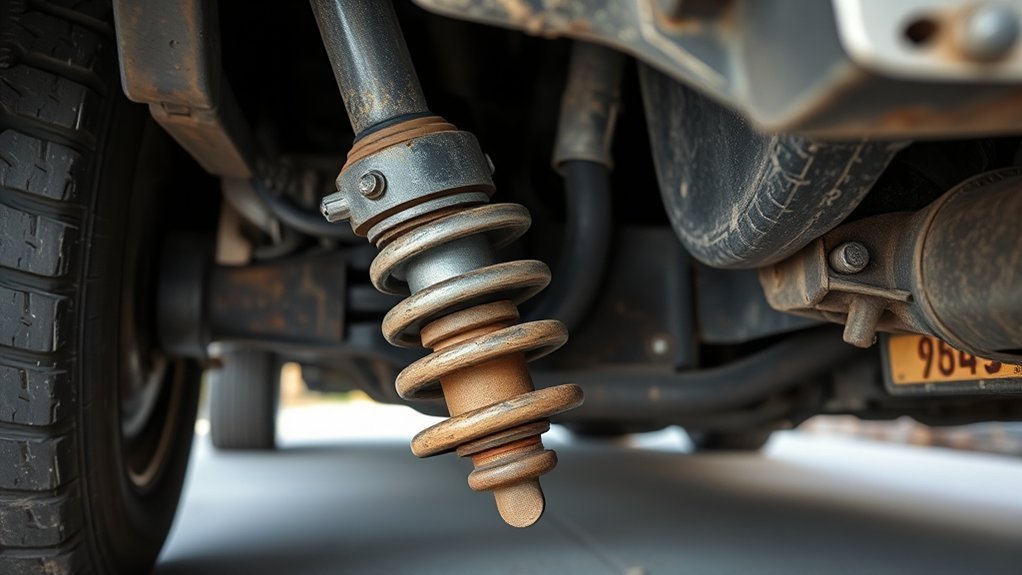
How to Tell if Shocks Are Bad
You can tell your shocks are bad if your vehicle bounces excessively after hitting bumps or feels unstable on turns. Shocks play a crucial role in maintaining your car’s stability and comfort, so recognizing these signs early is important.
Look for uneven tire wear, unusual noises like clunking or squeaking, and visible leaks or corrosion. These symptoms often indicate that your shocks are worn out and need attention.
Perform a bounce test: if your car continues to oscillate after pressing down on a corner, your shocks likely need replacing. Ignoring these signs can compromise safety and handling.
Discover how detailed inspections and timely replacements improve your ride and control, keeping your vehicle safe and comfortable on the road.
Key Takeaways
- Excessive bouncing after pressing down on a corner indicates worn shocks with poor damping performance.
- Uneven tire wear, like cupping or scalloping, signals shocks failing to maintain proper road contact.
- Unusual noises such as clunking, squeaking, knocking, or hissing point to deteriorated shock components.
- Visual signs like fluid leaks, corrosion, or structural damage suggest shocks need inspection or replacement.
- Declined vehicle stability, increased body roll, and longer stopping distances are performance indicators of bad shocks.
What Do Shock Absorbers Do in Your Car
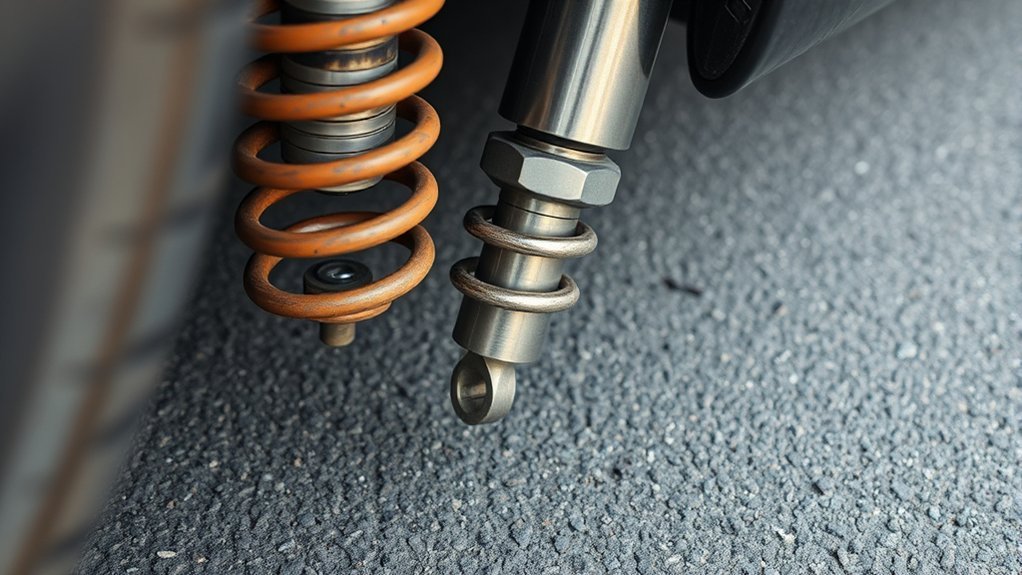
How exactly do shock absorbers function in your vehicle? Shock absorbers play a critical role within the suspension components by controlling the impact and rebound movement of your car’s springs and suspension.
They dampen the oscillations caused by road irregularities, preventing excessive bounce and maintaining tire contact with the road surface. Understanding shock basics, these hydraulic devices convert kinetic energy from suspension movement into heat, which dissipates through the shock body.
This precise energy absorption ensures stability, improves handling, and enhances ride comfort. Without properly functioning shock absorbers, your vehicle’s suspension components would allow uncontrolled motion, compromising control and safety.
Common Signs Your Shocks Are Going Bad (Noise, Tire Wear, and More)
You might notice unusual noises like clunking or rattling when your shocks start to fail. Pay close attention to uneven tire wear patterns, as they often indicate poor shock absorption.
These signs directly affect your vehicle’s handling and safety.
Unusual Noises While Driving
Why might your vehicle start making unusual noises while driving? In shocks diagnostics, these sounds provide critical clues for noise interpretation, signaling shock absorber issues.
When shocks wear out, they can cause clunking or knocking sounds over bumps due to loose or damaged mounts. Squeaking during suspension movement can occur from worn bushings or seals.
Rattling at high speeds happens as internal components fail to dampen vibrations. Hissing noises indicate fluid leaks within the shock absorber.
Pay close attention to these noise patterns, as they directly reflect the shock’s condition. Diagnosing based on these distinct sounds helps you identify failing shocks early, preventing further suspension damage and maintaining safe handling.
If you notice any of these noises persistently, it’s time to inspect or replace your shocks promptly.
Uneven Tire Wear Patterns
Noises from worn shocks often coincide with uneven tire wear patterns, both signaling suspension issues. When your shocks deteriorate, they fail to properly absorb road impacts, causing excessive tire movement. This leads to uneven tire wear, such as cupping or scalloping, where tread wears irregularly across the tire surface.
You might notice patches of worn tread alternating with less worn areas, indicating your shocks are no longer damping vibrations effectively. Shock noises like clunking or rattling often accompany these wear patterns, highlighting suspension component stress.
Ignoring uneven tire wear can compromise vehicle handling, reduce traction, and increase stopping distances. To maintain safety and tire longevity, inspect your shocks regularly and replace them if you observe both shock noises and uneven tire wear patterns.
How to Perform a Bounce Test for Bad Shocks at Home

How can you quickly determine if your vehicle’s shocks are worn without specialized tools? The bounce test offers a straightforward method to assess shock absorber functionality by observing your car’s response to motion, akin to bouncing ballads and spring serenades of suspension behavior. Here’s how to perform it:
Press down firmly on one corner of the vehicle, compressing the suspension. Release and watch how the vehicle rebounds.
A healthy shock absorber will dampen motion quickly, typically settling after one or two bounces. Excessive bouncing indicates worn shocks that fail to control spring oscillations effectively.
This test relies on detecting the spring serenades your shocks should suppress. If the suspension continues to oscillate, it signals diminished damping performance, requiring shock inspection or replacement.
Why Uneven Tire Wear Means Your Shocks Need Attention
Uneven tire wear often signals that your shocks aren’t performing properly and can’t maintain consistent tire contact with the road. When shocks lose their damping ability, tires experience irregular pressure distribution, causing accelerated wear patterns such as cupping or scalloping.
This uneven wear directly impacts handling and safety. It’s important to verify shocks authenticity since counterfeit or substandard replacements may fail prematurely, exacerbating tire issues.
Be cautious of diagnostic myths that attribute uneven tire wear solely to alignment or tire balance; worn shocks are a critical factor often overlooked. Regularly inspect shocks for signs of leakage or damage and correlate findings with tire wear patterns to ensure accurate diagnosis.
Addressing shock problems promptly can extend tire life and improve overall vehicle stability.
What Noisy Shocks Mean for Your Ride and Safety
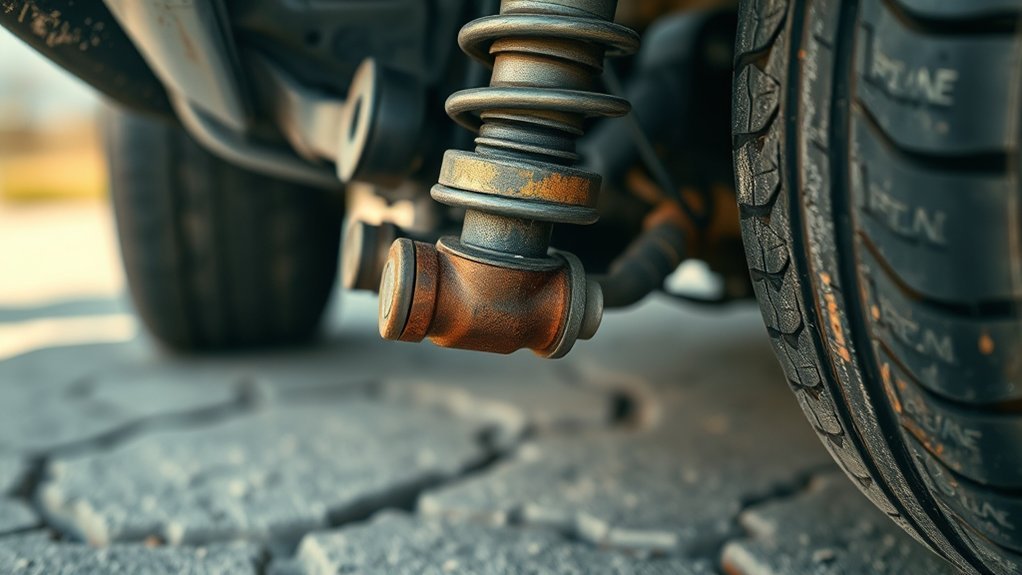
If your shocks produce clunking, squeaking, or rattling noises, it signals worn or damaged components affecting suspension performance. These sounds can reduce your vehicle’s control and response, especially during turns or braking.
Ignoring noisy shocks increases safety risks by compromising stability and traction on the road.
Types Of Shock Noises
What causes your shocks to produce distinct noises during driving? Various factors, including mechanical wear and interaction of components, generate specific sound signatures. Understanding these noises helps diagnose shock issues accurately.
- Clunking: Indicates worn mounts or bushings failing to absorb vibrations, often due to degraded synthetic lubricants.
- Squeaking: Results from friction in dry or deteriorated bushings, affected by insufficient lubrication.
- Knocking: Caused by loose internal components or broken valves, producing sharp sounds during compression.
- Humming or Resonance: Arises from specific types of resonance within the shock absorber, linked to damaged seals or fluid degradation.
Each noise type signals particular mechanical faults, so identifying them can guide timely maintenance and prevent further damage.
Impact On Vehicle Control
How exactly do noisy shocks affect your vehicle’s control and safety? When shocks produce noise, it often signals internal wear or fluid leakage, which directly impairs their damping ability.
This reduced damping compromises your vehicle’s stability by allowing excessive body roll, longer braking distances, and unpredictable handling during maneuvers. Ignoring these noises might lead you to topic drift, focusing on unrelated concerns like tires or brakes while the core issue remains faulty shocks.
Recognizing that noisy shocks degrade suspension performance helps you address control issues promptly. By maintaining effective shock absorbers, you ensure consistent tire contact with the road surface, enhancing steering response and overall ride quality.
Don’t overlook shock noise; it’s a precise indicator that your vehicle’s control systems need attention.
Safety Risks From Noise
Noisy shocks signal more than just an annoyance; they directly jeopardize your vehicle’s safety. When shocks produce unusual noise, it indicates compromised damping ability, which affects your ride’s stability and vibration perception. This noise safety concern can mask other critical issues, reducing your awareness of road conditions.
Key safety risks from noisy shocks include:
- Impaired vibration perception, leading to delayed reaction times
- Increased body roll and reduced traction during maneuvers
- Accelerated wear on suspension components, risking sudden failure
- Distracting noises that divert your focus from driving tasks
Address noisy shocks promptly to maintain precise vehicle control and ensure your safety on the road. Ignoring these sounds can escalate hazards and compromise overall ride integrity.
When to Get a Professional Shock Inspection
When should you schedule a professional shock inspection to guarantee your vehicle’s suspension system remains reliable? You should book an inspection if you notice a decline in shocks performance, such as excessive bouncing, uneven tire wear, or unusual noises while driving.
Additionally, if you’ve surpassed the manufacturer’s recommended interval for shock maintenance, it’s time to consult a technician. A professional inspection involves precise diagnostics, including visual checks for leaks, corrosion, and structural damage, as well as performance tests to assess damping efficiency.
Early detection of wear or failure helps maintain optimal shocks performance and prevents further suspension issues. Scheduling regular inspections ensures your vehicle’s suspension system functions safely and effectively, preserving ride comfort and handling stability under various driving conditions.
The Risks of Driving With Worn-Out Shocks
What happens if you continue driving with worn-out shocks? Over time, shocks lose efficiency, reducing shocks longevity and compromising your vehicle’s stability. This degradation directly impacts road feedback, making it harder to control your car.
Driving with worn shocks reduces vehicle stability and road feedback, making control increasingly difficult.
Ignoring worn shocks leads to several risks:
- Increased stopping distances due to decreased tire contact with the road
- Excessive body roll, causing poor handling in turns
- Accelerated tire wear from inconsistent road feedback
- Higher chances of hydroplaning on wet surfaces
Driving under these conditions strains suspension components and jeopardizes safety. Understanding these risks emphasizes why monitoring shocks longevity and responding promptly to poor road feedback is crucial for maintaining control and preventing accidents.
How Replacing Shocks Improves Safety and Comfort
Continuing to drive with worn shocks compromises both safety and comfort, but replacing them restores your vehicle’s stability and responsiveness. During shocks installation, your suspension system regains its ability to absorb road irregularities effectively, reducing body roll, brake dive, and uneven tire wear.
This precise suspension tuning enhances traction and steering control, allowing you to maintain better contact with the road surface. As a result, you experience smoother rides with less vibration and jolting, markedly improving comfort.
Additionally, fresh shocks improve braking efficiency by stabilizing weight transfer, which is critical for safe stopping distances. Proper shocks installation ensures that all suspension components function harmoniously, optimizing your vehicle’s dynamic performance.
Ultimately, timely shock replacement is essential for maintaining both your vehicle’s handling precision and your personal safety on the road.
Frequently Asked Questions
Can Bad Shocks Affect My Car’s Fuel Efficiency?
Yes, bad shocks can reduce your car’s fuel economy by causing uneven tire wear and increased rolling resistance. They also make your suspension less efficient, forcing the engine to work harder and consume more fuel.
Are Shock Absorbers the Same as Struts?
You might say struts and shocks share duties, but they’re not the same. Struts combine suspension support with damping, while shocks focus solely on controlling motion. Replacement reasons differ due to these distinct roles.
How Long Do Shock Absorbers Typically Last?
Shocks longevity typically ranges between 50,000 to 100,000 miles, depending on driving conditions and maintenance intervals. Regular inspections and timely replacement ensure optimal performance and vehicle safety throughout their service life.
Can I Replace Shocks Myself or Need a Mechanic?
You can replace shocks yourself if they’re replaceable, but integrated units often demand a mechanic’s tools and expertise. DIY replacement saves money but risks improper installation; weigh your skill level against the complexity before deciding.
Do All Vehicles Require the Same Type of Shocks?
No, you can’t use the same shocks for every vehicle. Your car suspension design dictates specific shock types to maintain optimal ride quality, handling, and safety.
Always select shocks matching your vehicle’s specifications for best performance.
Conclusion
So, if your ride feels like a bouncy castle or your tires look like they’ve been through a war zone, it’s time to face the music—your shocks are toast. Don’t wait for a full-on suspension meltdown to realize shocks aren’t just for comfort; they’re your safety net.
Replace them before your car’s dance with danger becomes a headline. Because who needs smooth rides when you can audition for a demolition derby?
Remember, knowing how to tell if shocks are bad can save you from costly repairs and keep you safe on the road.