Do Fuel Cleaners Work
Yes, fuel cleaners work when used properly. Fuel cleaners dissolve carbon deposits in injectors, valves, and combustion chambers, improving fuel flow and engine efficiency. They help prevent buildup that causes rough idling, poor acceleration, and misfires.
However, their effectiveness depends on the product and your vehicle’s condition. Fuel cleaners support maintenance but don’t fix major mechanical issues. If you want to understand their types, risks, and best uses, keep exploring this topic further.
Key Takeaways
- Fuel cleaners remove carbon deposits from injectors, valves, and chambers, improving fuel flow and combustion efficiency.
- Scientific studies confirm detergents in fuel cleaners reduce deposits, aiding maintenance but not fixing mechanical issues.
- Performance improves mainly when engines have deposit-related problems like rough idling or poor acceleration.
- Effectiveness depends on product formulation, engine type, contamination level, and proper use according to manufacturer guidelines.
- Incorrect or excessive use can harm fuel system components, so fuel cleaners should supplement routine maintenance, not replace it.
What Are Fuel Cleaners? How Do They Work?
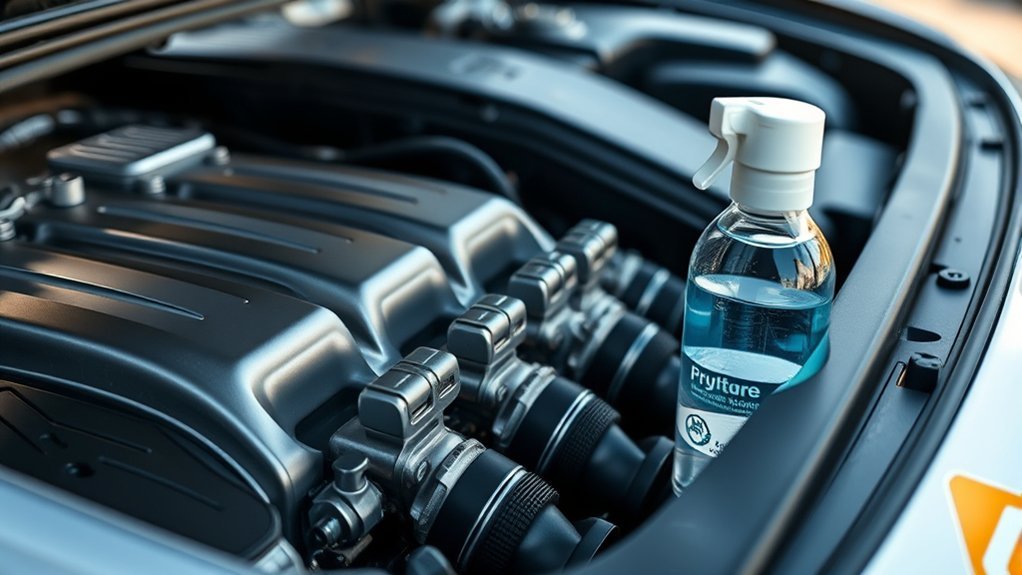
What exactly are fuel cleaners, and how do they work? Fuel cleaners are additives you pour into your gas tank to help remove deposits from your fuel system. When you add them, they mix with the gasoline and travel through your engine, breaking down gunk and buildup on fuel injectors, intake valves, and combustion chambers.
This process helps keep your engine running smoothly by improving fuel flow and combustion efficiency. You don’t have to do anything special besides adding the cleaner before filling your tank; the engine does the rest while you drive.
These additives contain detergents and solvents designed to dissolve carbon deposits and prevent new ones from forming, so your engine stays cleaner over time without extra maintenance on your part.
What Engine Problems Can Fuel Cleaners Fix?
Fuel cleaners work by breaking down and removing buildup in your engine, which can help resolve various performance issues. When deposits clog fuel injectors or valves, your engine might misfire, hesitate, or stall. Using a fuel cleaner can restore smooth fuel flow and improve combustion efficiency.
They also help reduce carbon deposits on intake valves and combustion chambers, which can cause rough idling and poor acceleration. Additionally, fuel cleaners can prevent corrosion and protect your fuel system components, extending their lifespan.
| Engine Problem | How Fuel Cleaner Helps |
|---|---|
| Rough Idling | Removes carbon deposits |
| Engine Hesitation | Clears clogged fuel injectors |
| Reduced Fuel Economy | Improves combustion efficiency |
| Stalling | Breaks down buildup in fuel system |
Do Fuel Cleaners Really Work? What Science Shows
Anyone curious about improving their engine’s performance might wonder if fuel cleaners really deliver on their promises. Scientific studies show that fuel additives containing detergents can effectively reduce deposits in fuel injectors and intake valves.
When these deposits build up, they restrict fuel flow and hurt combustion efficiency. By breaking down and preventing buildup, fuel cleaners help restore smoother fuel delivery. However, their effectiveness depends on the product formulation and the severity of contamination.
Research also indicates that while fuel cleaners help maintain engine cleanliness, they don’t fix underlying mechanical problems. So, if your engine runs well, using fuel cleaners might offer preventive benefits but won’t dramatically boost performance.
Science supports their role in maintenance rather than as a quick fix for serious engine issues.
When and How Can Fuel Cleaners Improve Performance?
Wondering when you’ll actually notice a difference after using a fuel cleaner? You’ll often see improvements when your engine is struggling due to deposits or poor fuel quality. Fuel cleaners work best by targeting specific issues, so here’s when and how they can boost performance:
- When your vehicle has been sitting unused for a while, leading to fuel degradation and buildup.
- If you experience rough idling, hesitation, or reduced acceleration caused by clogged injectors or valves.
- When you’re using lower-quality fuel that leaves more residue inside the system.
- As a preventive measure during regular maintenance to keep fuel components clean and efficient.
Using fuel cleaners as directed helps restore smooth operation, better fuel economy, and lower emissions.
What Types of Fuel Cleaners Are Available?
You’ll find different fuel cleaners designed for gasoline engines, diesel treatments, and even specialty equipment. Each type targets specific issues to keep your engine running smoothly.
Let’s explore what options are available and how they work.
Additives For Gasoline Engines
What types of fuel cleaners can you use to keep your gasoline engine running smoothly? You’ll find several additives designed to tackle deposits and improve performance. These products help clean fuel injectors, combustion chambers, and intake valves, preventing buildup that can cause rough idling or reduced fuel economy.
Common types include:
- Injector Cleaners: Remove deposits in fuel injectors for better spray patterns.
- Octane Boosters: Increase fuel’s octane rating to prevent knocking.
- Combustion Chamber Cleaners: Target carbon deposits inside the engine.
- Fuel Stabilizers: Keep fuel fresh during storage, preventing gum and varnish.
Using the right additive regularly can restore power and improve efficiency, making it a smart choice for maintaining your gasoline engine.
Diesel Fuel Treatment Options
How can you keep your diesel engine running efficiently and reliably? You can choose from several diesel fuel treatment options designed to clean and protect your engine.
Common types include fuel stabilizers, which prevent fuel degradation during storage, and injector cleaners that remove deposits from fuel injectors, improving spray patterns. You’ll also find cetane boosters that enhance combustion quality, leading to smoother starts and better performance.
Anti-gel additives are essential in cold climates to keep diesel from gelling and clogging filters. Lastly, water removers help eliminate moisture that can cause corrosion and microbial growth.
Specialty Cleaners For Equipment
Specialty fuel cleaners target specific issues in your equipment to keep it running smoothly. Depending on what your engine needs, you can find a cleaner designed to tackle particular problems and improve performance.
Here are some common types you might consider:
- Injector Cleaners: Remove deposits that clog fuel injectors, restoring spray patterns and fuel efficiency.
- Octane Boosters: Increase fuel octane rating to prevent knocking and improve combustion in gasoline engines.
- Diesel Additives: Enhance cetane levels for better ignition and reduce soot buildup in diesel engines.
- Stabilizers: Prevent fuel degradation during long storage periods, keeping your equipment ready to start anytime.
How Do You Choose the Right Fuel Cleaner?
You’ll want to contemplate the different types of fuel cleaners and their key ingredients to find one that fits your needs. Make sure the product matches your vehicle’s requirements for the best results.
Understanding these factors helps you choose a cleaner that actually works.
Types Of Fuel Cleaners
What makes one fuel cleaner better suited for your vehicle than another? It boils down to the type of cleaner and your engine’s needs. You’ll find various fuel cleaners designed for specific purposes, so choosing the right one means matching it to your vehicle’s condition and fuel system.
Here are common types you might consider:
- Injector Cleaners: Target fuel injectors to remove deposits and improve spray patterns.
- Carburetor Cleaners: Focus on cleaning carburetor parts for older vehicles.
- Fuel System Cleaners: Provide a broader clean, addressing injectors, valves, and combustion chambers.
- Octane Boosters: Enhance fuel quality and performance, often combined with cleaning agents.
Select based on your vehicle type and symptoms for the best results.
Key Ingredients To Consider
Choosing the right fuel cleaner comes down to understanding the key ingredients it contains. Look for detergents like polyetheramine (PEA), which effectively remove carbon deposits and improve engine performance. PEA is widely regarded as the most powerful ingredient in fuel cleaners.
You’ll also find polyisobutylene (PIB), which helps prevent gum and varnish buildup. Some cleaners include corrosion inhibitors to protect metal components, so check for those if your engine is older or prone to rust. Additionally, additives like lubricants can reduce wear on fuel system parts.
Avoid products with excessive solvents that might damage seals or sensors. By focusing on these ingredients, you’ll choose a cleaner that not only revives your engine but also maintains long-term fuel system health.
Vehicle Compatibility Factors
How can you be sure a fuel cleaner suits your particular vehicle? First, check your engine type, such as gasoline, diesel, or hybrid, since some cleaners target specific fuels. Next, consider your vehicle’s age; older engines might need different formulations than newer models.
Don’t forget emission standards; some cleaners are designed for vehicles with stricter regulations. Also, look at the manufacturer’s recommendations to avoid voiding warranties or causing damage.
When choosing a fuel cleaner, focus on:
- Engine type compatibility
- Vehicle age and condition
- Emission system requirements
- Manufacturer guidelines and warranty terms
What Are the Risks of Using Fuel Cleaners?
When you add fuel cleaners to your tank, you might wonder if they could cause more harm than good. Using the wrong type or too much fuel cleaner can damage your engine’s fuel system, leading to clogged filters or deteriorated seals.
Some additives contain harsh chemicals that might wear down rubber components or sensors. Overuse can also disrupt your engine’s air-fuel mixture, causing rough idling or reduced performance.
Additionally, fuel cleaners aren’t always compatible with every vehicle; using one not suited for your engine type can backfire. If you rely too heavily on these products instead of regular maintenance, you might overlook underlying mechanical issues.
To minimize risks, always follow the manufacturer’s instructions and check if the cleaner matches your vehicle’s specifications.
Are Fuel Cleaners Worth It for Everyday Drivers?
Is it really worth adding fuel cleaners to your routine if you drive every day? If your car runs smoothly and you follow regular maintenance, you might not see a big difference. However, fuel cleaners can help prevent buildup that’s hard to spot until it causes problems.
They’re especially useful if you:
- Use lower-quality or ethanol-blended fuels frequently
- Drive in stop-and-go traffic, causing more deposit buildup
- Own an older vehicle prone to carbon deposits
- Want to maintain exemplary fuel efficiency over time
For everyday drivers with well-maintained, newer cars, fuel cleaners aren’t always essential. But if you want extra protection and peace of mind, using them occasionally can keep your engine cleaner and running efficiently.
Frequently Asked Questions
Can Fuel Cleaners Be Used in Diesel Engines?
Yes, you can use fuel cleaners in diesel engines. They help remove deposits, improve fuel efficiency, and reduce emissions.
Just make sure you choose a cleaner specifically designed for diesel to get the best results.
How Often Should I Use a Fuel Cleaner?
You should use a fuel cleaner every 3,000 to 5,000 miles or during your regular oil changes. This keeps your engine running smoothly and prevents buildup, ensuring better fuel efficiency and performance over time.
Will Fuel Cleaners Harm Modern Fuel Injection Systems?
Fuel cleaners won’t sabotage your modern fuel injection system; they’re like gentle rain nourishing a garden. Just use them as directed, and they’ll help keep your engine’s heart beating strong without causing harm or buildup.
Can Fuel Cleaners Help With Cold Starts?
Yes, fuel cleaners can help with cold starts by removing deposits that clog injectors and intake valves. You’ll notice smoother engine performance and easier starts, especially in older vehicles or those with neglected fuel systems.
Are Fuel Cleaners Safe for All Types of Fuel Additives?
You shouldn’t assume fuel cleaners are safe for all additives. Some formulas might react differently with specific fuel types or additives.
Always check compatibility on the label or consult your vehicle’s manual before using any fuel cleaner.
Conclusion
Fuel cleaners can help solve specific engine issues, but they’re not magic fixes for every problem. If you’re dealing with clogged injectors or buildup, they might improve performance and efficiency. However, for everyday driving, their benefits are often minimal.
Science shows they work best when used as preventative maintenance rather than a cure-all. So, if you choose the right cleaner and use it correctly, it’s worth a try—but don’t expect miracles. In conclusion, fuel cleaners can be effective when used appropriately, but they are not a guaranteed solution for all engine troubles.