How Do You Drain a Fuel Tank
To drain a fuel tank, start by gathering essential tools like a siphon pump, clean container, and safety gear.
Draining a fuel tank requires careful preparation to ensure safety and efficiency.
Park your vehicle on a flat surface, cool the engine, and disconnect the battery.
Locate the drain plug or use a siphon pump to transfer fuel into your container, working carefully to avoid spills or sparks.
After draining, store fuel properly and dispose of it safely.
Follow these steps closely, and you’ll gain a deeper understanding of the process and safety precautions.
Key Takeaways
- Park the vehicle on a flat surface, ensure the engine is cool, and disconnect the battery before starting.
- Use a fuel siphon pump or locate the drain plug to transfer fuel into a clean, approved container.
- Loosen the drain plug slowly or operate the siphon pump, placing a container underneath to catch the fuel.
- Keep a fire extinguisher nearby, avoid sparks, and check for blockages or venting issues during draining.
- Store drained fuel safely in a labeled container, avoid mixing liquids, and dispose of it at a hazardous waste facility.
Essential Tools and Materials for Draining a Fuel Tank
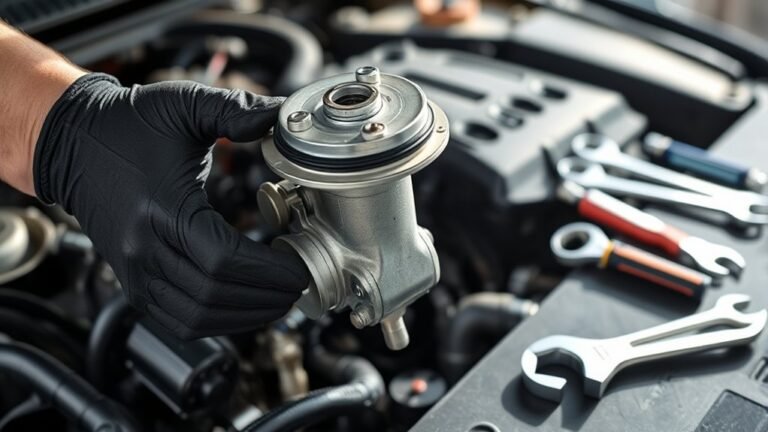
Gathering the right tools and materials is essential before you start draining a fuel tank. You’ll need a fuel siphon pump or a hand pump to safely transfer the fuel without spills.
Having the right tools, like a fuel siphon pump, is key to safely draining a fuel tank.
Have a clean, approved container ready to collect the drained fuel. Never use just any container, as it needs to be designed for fuel storage.
Keep a wrench or socket set handy to remove the fuel tank drain plug or fuel lines if necessary. Gloves and safety goggles protect you from harmful fuel contact.
Additionally, having rags or absorbent pads nearby helps manage any accidental spills. Make sure you have a fire extinguisher within reach for safety.
With these tools and materials prepared, you’ll be ready to drain the fuel tank efficiently and safely.
How to Prepare Your Vehicle Safely Before Draining
Before you begin draining your fuel tank, make sure your vehicle is parked on a flat, stable surface and the engine is completely cool. This prevents accidents and ensures safety. Next, disconnect the battery to avoid sparks.
Wear protective gloves and goggles to shield yourself from fuel exposure. Also, keep a fire extinguisher nearby just in case.
| Step | Reason |
|---|---|
| Park on flat surface | Prevents vehicle movement |
| Engine cool | Avoids burns and ignition risk |
| Disconnect battery | Eliminates electrical sparks |
| Wear protective gear | Protects from fuel contact and fumes |
Following these steps will set you up for a safe and effective fuel draining process.
How to Drain Gasoline and Diesel Fuel Tanks Step-by-Step
Draining a gasoline or diesel fuel tank requires careful attention to detail and the right tools. First, locate the fuel tank’s drain plug or fuel line; if there isn’t one, you’ll need a siphon pump. Place a suitable container beneath the drain point to catch the fuel safely.
If using a drain plug, loosen it slowly to let fuel flow out. For siphoning, insert the pump’s hose into the tank and start the suction process, directing fuel into the container. Keep a fire extinguisher nearby and avoid sparks or open flames.
Once drained, securely tighten the drain plug or remove the siphoning hose. Dispose of the old fuel properly, following local regulations. Always wear gloves and eye protection during the process.
Troubleshooting Common Fuel Tank Draining Issues
Why won’t the fuel drain smoothly from your tank? Several common issues might be causing the problem. First, check if the drain hose is kinked or blocked. This restricts flow.
Second, ensure the fuel outlet or drain valve isn’t clogged with debris or rust. Third, verify that the tank is properly vented. Without venting, air can’t replace the fuel, causing a vacuum.
Lastly, inspect the fuel pump or siphon tool if you’re using one. A malfunction can slow or stop draining. By systematically checking these four areas, you’ll quickly identify and fix the issue, making your fuel draining process efficient and hassle-free.
Handling and Disposing of Fuel Safely After Draining
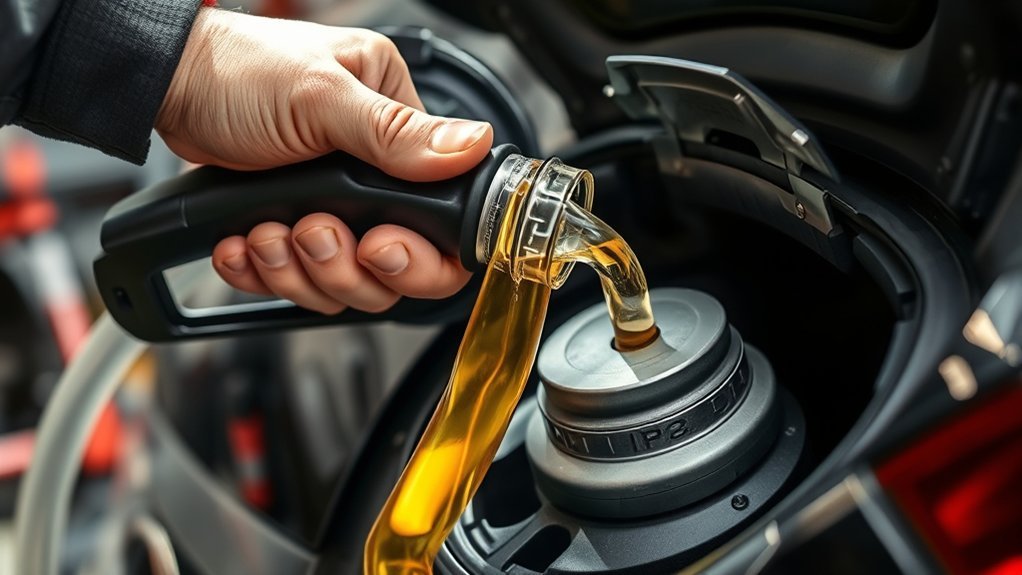
Once you’ve successfully drained the fuel tank, handling and disposing of the fuel properly becomes your next priority. First, store the drained fuel in an approved, clearly labeled container to prevent leaks and fire hazards. Keep it away from heat sources and out of direct sunlight.
Never mix fuel with other liquids, as this complicates disposal. Contact your local hazardous waste disposal facility or recycling center to find out where to safely drop off the fuel. Avoid pouring it down drains, on the ground, or into water sources, as this causes severe environmental harm.
Always wear gloves and work in a well-ventilated area to protect yourself from harmful vapors. By following these steps, you ensure safety for yourself and the environment after draining your fuel tank.
Frequently Asked Questions
Can I Drain a Fuel Tank in Cold Weather Conditions?
Yes, you can drain a fuel tank in cold weather, but you’ll need to work quickly and wear gloves.
Cold temperatures make fuel thicker, so warming the tank slightly helps the fuel flow out more easily and safely.
How Long Does It Take to Drain a Typical Fuel Tank?
Draining a fuel tank is like emptying a water balloon, quick if you act fast. Typically, it takes about 15 to 30 minutes, depending on the tank’s size and the method you’re using to get the fuel out.
Is It Legal to Drain Fuel Tanks on Public Property?
No, you can’t legally drain fuel tanks on public property without proper permits. Doing so risks environmental damage and legal penalties.
Always check local laws and use authorized facilities to handle fuel safely and responsibly.
Can I Reuse the Drained Fuel for Other Purposes?
Yes, you can reuse drained fuel for other purposes, but only if it’s clean and uncontaminated. Always filter and test it first, and avoid using old or degraded fuel to prevent engine damage or safety risks.
What Are the Signs of a Damaged Fuel Tank?
You’ll notice signs like fuel odors, visible leaks, rust spots, or dents on your tank.
Coincidentally, these often show up when your engine sputters or stalls, signaling you’ve got a damaged fuel tank needing attention.
Conclusion
Draining your fuel tank is like giving your vehicle a fresh breath—clear out the old to make way for the new. With the right tools and safety steps, you’ll flow through the process smoothly, like a river finding its path.
Remember, handling fuel responsibly keeps both you and the environment safe. So, take your time, follow each step carefully, and you’ll have your tank emptied without a hitch.
By following these guidelines, you’ll successfully complete the job of how do you drain a fuel tank, ready for the next journey ahead.