How to Replace Tire Pressure Sensor
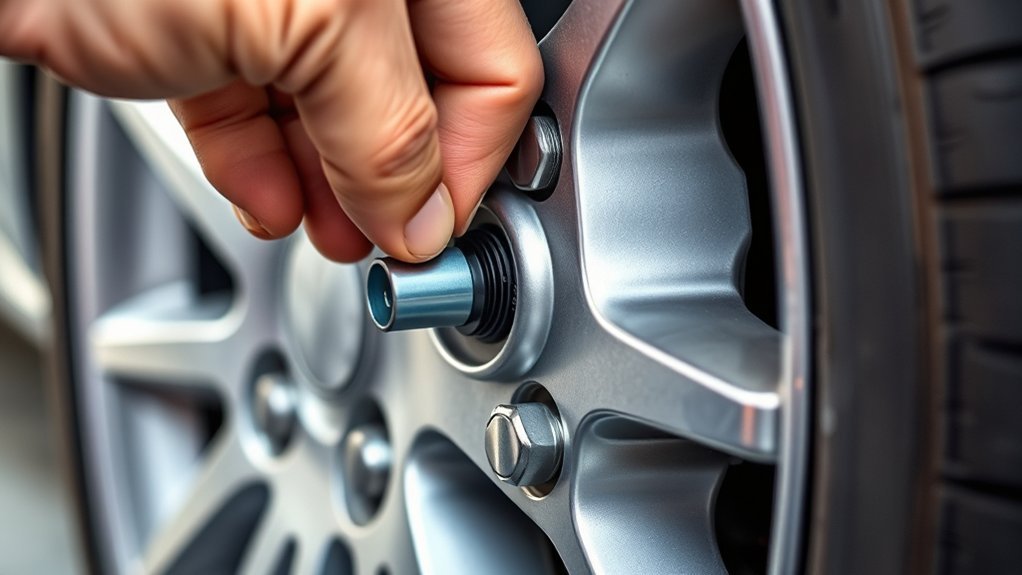
To replace your tire pressure sensor, start by deflating the tire and removing the wheel. Unscrew the valve core, then carefully remove the sensor from the valve stem without bending it.
Install the new sensor by securing it with the retaining nut, then reinstall the valve core. Once done, reset the TPMS system by pressing the reset button and driving at 20 mph to recalibrate.
Following these steps ensures accurate readings and safety—there’s more to know about maintenance and troubleshooting ahead.
Key Takeaways
- Deflate the tire completely and remove the wheel using a lug wrench before starting sensor removal.
- Unscrew the valve core and retaining nut, then gently pull the old sensor from the valve stem.
- Install the new sensor by placing it inside the valve stem and tightening the retaining nut with a torque wrench.
- Reset the TPMS system by pressing the reset button with ignition ON, then drive at 20-50 mph for about 10 minutes.
- Verify sensor accuracy with a tire pressure gauge and consult the vehicle manual for any model-specific reset instructions.
Why Tire Pressure Sensors Matter for Your Vehicle’s Safety
Safety plays an essential role in every aspect of driving, and tire pressure sensors are key to maintaining it. These sensors constantly monitor your tire pressure, alerting you when levels drop below the safe threshold.
When tire pressure is too low, it compromises your vehicle’s handling, fuel efficiency, and increases the risk of tire blowouts. Without properly functioning sensors, you might not notice a slow leak or sudden pressure drop until it’s too late.
How to Identify a Faulty Tire Pressure Sensor
You’ll want to watch for common warning signs like the tire pressure light staying on or flickering. If you notice inaccurate or no readings from your sensors, it’s a strong indicator something’s wrong.
Let’s go over how to diagnose these sensor malfunctions so you can confirm the issue.
Common Sensor Warning Signs
How can you tell if your tire pressure sensor is failing? One common sign is a persistent warning light on your dashboard, even after you’ve checked and adjusted your tire pressures.
If the light flickers or stays on inconsistently, the sensor might be malfunctioning. You may also notice inaccurate pressure readings, either unusually high or low, that don’t match your manual gauge.
Another clue is if your vehicle alerts you to a flat tire when all tires seem fine. Sometimes, sensors fail after driving through rough terrain or hitting a pothole, causing damage you can’t see.
If you experience any of these signs, it’s a strong indication that your tire pressure sensor needs attention or replacement.
Diagnosing Sensor Malfunctions
Wondering whether your tire pressure sensor is truly faulty or just giving a false alarm? Start by checking the tire pressures manually with a gauge. If the readings are accurate but the warning light stays on, the sensor might be malfunctioning.
Next, inspect the sensor for physical damage or corrosion, which can interfere with its signal. You can also use a diagnostic scanner to read sensor codes; a persistent error code often confirms a faulty sensor.
Pay attention to inconsistent or fluctuating pressure readings while driving. If you notice sudden drops or spikes without a real cause, that’s another sign.
Finally, consider the sensor’s age. Batteries typically last 5-10 years. If yours is older, replacement is likely the best option.
Essential Tools for Replacing a Tire Pressure Sensor
To successfully replace a tire pressure sensor, gathering the right tools is essential. You’ll need a tire pressure gauge to check the sensor’s accuracy before and after replacement.
A valve core tool helps you remove and install the valve core without damaging it. Don’t forget a torque wrench; it ensures you tighten bolts and nuts to the manufacturer’s specifications.
A flathead screwdriver and a small socket set will assist in handling various screws or nuts during the process. Lastly, a tire iron or bead breaker is useful for accessing the sensor inside the tire. Having these tools ready will make the replacement smoother and prevent unnecessary damage or delays.
How to Remove an Old Tire Pressure Sensor Safely
Removing the old tire pressure sensor requires careful handling to avoid damaging the sensor or the tire. First, ensure the vehicle is parked on a flat surface and the tire is deflated completely to relieve pressure.
Then, remove the wheel from the vehicle using a lug wrench. Locate the valve stem where the sensor is attached. Use a valve core tool to remove the valve core, allowing all remaining air to escape.
Next, unscrew the retaining nut securing the sensor to the valve stem. Gently pull the sensor away from the rim, taking care not to bend or damage it. Keep track of any small parts like nuts or washers.
Avoid forcing the sensor, as rough handling can cause tire damage or sensor breakage.
How to Install a New Tire Pressure Sensor
How exactly do you install a new tire pressure sensor without causing damage? Follow these steps carefully to ensure a secure fit and accurate readings:
- Position the sensor: Place the new sensor inside the tire valve stem, aligning it properly.
- Secure the sensor: Tighten the sensor’s nut by hand, then use a torque wrench to the manufacturer’s specified torque to avoid overtightening.
- Mount the tire back: Carefully remount the tire onto the rim, making sure not to damage the sensor.
- Inflate the tire: Inflate it to the recommended pressure, checking for leaks around the valve stem.
How to Reset Your Vehicle’s Tire Pressure Monitoring System
Once you’ve installed a new tire pressure sensor, you’ll need to reset your vehicle’s Tire Pressure Monitoring System (TPMS) so it can recognize the updated information. Start by turning the ignition to the “ON” position without starting the engine.
After installing a new tire pressure sensor, reset your TPMS by turning the ignition to the ON position without starting.
Locate the TPMS reset button, usually found beneath the steering wheel or in the glove box. Press and hold the button until the TPMS indicator light blinks three times, then release it.
Drive your vehicle at 20 mph or higher for about 10 minutes to complete the reset process. Some models might require you to use the vehicle’s infotainment system or a diagnostic tool to reset the TPMS.
Consult your owner’s manual for specific instructions tailored to your car. This ensures accurate tire pressure readings moving forward.
Troubleshooting Your New Tire Pressure Sensor
After installing your new tire pressure sensor, you’ll need to ensure it’s properly calibrated to avoid false alerts. If you notice any issues, such as inconsistent readings or warning lights, troubleshooting common sensor problems can save you time.
Finally, resetting the TPMS system helps your vehicle recognize the new sensor and keeps everything running smoothly.
Sensor Calibration Process
Why isn’t your new tire pressure sensor showing accurate readings? Often, it’s because the sensor needs proper calibration after installation. Without this step, the system can’t correctly interpret the data.
To calibrate your sensor, follow these steps:
- Check tire pressure: Inflate all tires to the manufacturer’s recommended pressure.
- Turn on ignition: Start your vehicle without driving it.
- Activate calibration mode: Use your car’s infotainment system or a diagnostic tool to enter tire pressure sensor calibration.
- Drive the vehicle: Drive at 30 mph for about 10 minutes to allow the system to register new sensor data.
Completing this process ensures your sensor provides accurate and reliable readings. Don’t skip calibration; it’s essential for your safety and sensor performance.
Common Sensor Issues
How can you tell if your new tire pressure sensor isn’t working properly? If your dashboard warning light stays on or flashes after installation, that’s a clear sign. You might also notice inconsistent or no pressure readings on your display.
Sometimes, sensors fail due to poor battery life, physical damage during installation, or faulty connections. Interference from other electronic devices can cause inaccurate signals as well.
Additionally, if the sensor’s valve stem is damaged or leaking, it won’t provide correct data. Keep an eye out for sudden pressure drops that don’t match real conditions.
If you encounter these issues, double-check your sensor’s installation and inspect for visible damage before moving on to system resets or further diagnostics.
Resetting The TPMS System
Wondering what to do when your new tire pressure sensor still triggers warnings? Resetting the TPMS system often fixes this issue. Here’s how you can troubleshoot it:
- Check the sensor installation: Make sure the sensor is properly installed and compatible with your vehicle.
- Drive your car: Sometimes, the system needs to recalibrate. Drive at 50 mph for about 10 minutes.
- Use the reset button: Locate the TPMS reset button, usually near the steering wheel or fuse box, and hold it until the indicator blinks.
- Consult your vehicle’s manual: Follow specific reset instructions for your model, as some require a scan tool or professional help.
Following these steps should clear false warnings and get your TPMS working smoothly again.
Should You Repair or Replace Your Tire Pressure Sensor?
When your tire pressure sensor starts acting up, you might ask yourself whether fixing it is worth the effort or if replacing it outright makes more sense. Generally, if the sensor’s battery is dead or the sensor is physically damaged, replacement is the better choice since most sensors aren’t designed for repair.
However, if the issue is minor, like a loose connection or sensor misalignment, you might be able to fix it without swapping the entire unit. Keep in mind, repairing can save money but might not guarantee long-term reliability.
Replacing the sensor ensures accuracy and reduces the chance of repeated problems. Ultimately, weigh the cost, time, and reliability factors before deciding whether to repair or replace your tire pressure sensor.
Tips to Maintain Your Tire Pressure Sensor Longer
To keep your tire pressure sensor working well, make sure you clean it regularly to prevent dirt buildup. You should also monitor your tire pressure consistently to catch any issues early.
These simple habits can help extend the life of your sensor and improve safety.
Regular Sensor Cleaning
Regular sensor cleaning plays an essential role in keeping your tire pressure sensor accurate and functional. Dirt, grime, and road debris can interfere with the sensor’s ability to send correct readings.
To maintain your sensor effectively, follow these steps:
- Remove the tire valve cap and inspect the sensor for dirt buildup.
- Use a soft cloth or brush with mild soap and water to gently clean the sensor surface.
- Avoid harsh chemicals or abrasive tools that can damage the sensor’s delicate components.
- After cleaning, dry the sensor thoroughly before replacing the valve cap.
Monitor Tire Pressure Consistently
Keeping your tire pressure sensor clean helps maintain accuracy, but you also need to check your tire pressure consistently to assure the sensor stays reliable. Regular monitoring lets you catch pressure drops early, preventing sensor errors caused by underinflation or overinflation.
Use a quality gauge to verify tire pressure at least once a month and before long trips. Avoid relying solely on your vehicle’s dashboard alerts, as sensors can sometimes delay warnings.
By staying proactive, you reduce strain on the sensor and extend its lifespan. Remember, consistent checks help you maintain optimal tire performance and safety while protecting your investment in the sensor itself.
Make monitoring a routine part of your vehicle maintenance to keep everything running smoothly.
Common Mistakes to Avoid When Replacing Tire Pressure Sensors
Although replacing tire pressure sensors might seem straightforward, many people make avoidable mistakes that lead to sensor malfunction or inaccurate readings. To ensure a smooth replacement, watch out for these common errors:
Replacing tire pressure sensors may seem easy, but common mistakes can cause malfunctions and inaccurate readings.
- Not disconnecting the battery This can cause electrical issues or sensor damage.
- Ignoring sensor programming New sensors often require programming to sync with your vehicle’s system.
- Over-tightening the valve stem It may crack or damage the sensor, causing leaks.
- Failing to check for leaks after installation Skipping this step can lead to inaccurate pressure readings.
Avoiding these pitfalls helps you get accurate data and prolongs your sensor’s life. Take your time, follow instructions, and double-check your work for the best results.
Frequently Asked Questions
How Much Does Replacing a Tire Pressure Sensor Typically Cost?
You’ll typically pay between $50 and $150 per tire pressure sensor, including parts and labor. Costs vary by vehicle and location, so it’s smart to get a quote from your mechanic before proceeding.
Can Tire Pressure Sensors Work With Aftermarket Wheels?
Think of your tire pressure sensor as a key. Yes, it can open the right fit with aftermarket wheels, but only if you match the right key to the lock. Otherwise, it won’t communicate properly with your car’s system.
How Long Do Tire Pressure Sensors Usually Last?
Tire pressure sensors usually last about 5 to 10 years, but their lifespan depends on driving conditions and battery life.
You’ll want to replace them when they start giving inaccurate readings or fail to communicate with your car.
Are Tire Pressure Sensors Compatible Across Different Vehicle Brands?
You can’t judge a book by its cover. Tire pressure sensors aren’t universally compatible across brands. You’ll need to check your vehicle’s make and model to guarantee the sensor matches perfectly before buying or installing one.
Can I Drive Safely if a Tire Pressure Sensor Is Not Working?
You shouldn’t drive long with a faulty tire pressure sensor because it won’t alert you to low tire pressure. This increases the risk of accidents or tire damage. Get it fixed promptly to stay safe on the road.
Conclusion
Replacing your tire pressure sensor is like tuning a delicate instrument—it ensures your vehicle sings safely on every road. By spotting issues early and handling the sensor with care, you keep your tires—and your journey—balanced and secure.
Remember, a well-maintained sensor is the silent guardian of your ride’s health. So, treat it right, and it’ll keep watching your tires, guiding you smoothly through every mile ahead. Properly replacing your tire pressure sensor is key to maintaining this crucial protection.