What Is All Wheel Drive
All-wheel drive (AWD) automatically sends power to all four wheels to boost your traction and control, especially on slippery or uneven surfaces. AWD improves stability without any input from the driver. It senses wheel slip and adjusts torque to keep you steady.
This system works great for everyday driving and light off-road conditions, unlike 4WD which requires manual control. AWD provides seamless power distribution for better handling in various situations.
If you want to know how different AWD systems work and when it really helps your safety, keep exploring the details. Understanding AWD can help you make smarter choices for your driving needs.
Key Takeaways
- AWD automatically distributes power to all four wheels for improved traction without driver input.
- It uses differentials or electronic clutches to adjust torque based on wheel slip.
- AWD systems provide better grip on slippery roads and enhance acceleration and cornering control.
- Types include full-time AWD, part-time AWD, and automatic AWD that switch power based on conditions.
- AWD differs from 4WD by being simpler, automatic, and suited for everyday driving and light off-road use.
What Is All-Wheel Drive And How Does It Work?
How does all-wheel drive (AWD) actually work? AWD systems automatically distribute power to all four wheels to maximize traction. You don’t have to switch anything on; the system senses when one or more wheels slip and adjusts power accordingly.
This means you get better grip during acceleration, especially on slippery or uneven surfaces. AWD uses a center differential or an electronic clutch to split torque between front and rear axles.
Some advanced AWD setups even send power side to side within an axle for improved control. By constantly monitoring wheel speed and road conditions, AWD helps keep your vehicle stable and responsive, giving you confidence whether you’re driving in rain, snow, or light off-road situations.
What’s The Difference Between AWD And 4WD?
Why choose between AWD and 4WD? It depends on how you plan to use your vehicle. AWD automatically distributes power to all four wheels, improving traction on slippery roads without any input from you.
4WD, on the other hand, is usually manually engaged and is designed for off-road or rugged conditions where maximum power is needed.
Here’s a quick breakdown:
- AWD: Always active, great for everyday driving and light off-road use.
- 4WD: Driver-controlled, best for serious off-roading and tough terrain.
- Complexity: AWD systems are generally simpler to use, while 4WD offers more control but requires manual switching.
Understanding these differences helps you pick the right system for your driving needs.
Types Of AWD Systems
Choosing between AWD and 4WD sets the stage for understanding the different types of AWD systems available. You’ll mainly encounter three types: full-time AWD, part-time AWD, and automatic AWD. Each offers unique ways to distribute power to all wheels, enhancing control based on your driving needs.
| Type | Description |
|---|---|
| Full-Time AWD | Powers all wheels constantly |
| Part-Time AWD | Engages AWD manually or under certain conditions |
| Automatic AWD | Uses sensors to switch between 2WD and AWD |
| Mechanical AWD | Uses driveshafts and differentials to split power |
| Electronic AWD | Employs sensors and computers for power distribution |
Understanding these helps you pick the right system for your driving style.
Key Benefits Of AWD For Traction And Stability
You’ll notice AWD gives you enhanced road grip, helping you stay steady in tricky conditions. It also improves your cornering control, so you can handle turns with confidence.
Plus, AWD boosts your off-road performance, making rough terrain easier to tackle.
Enhanced Road Grip
An all wheel drive system boosts your vehicle’s traction by distributing power to all four wheels, helping you maintain better control on slippery or uneven surfaces. This enhanced road grip means you’re less likely to get stuck or lose control when the road conditions worsen.
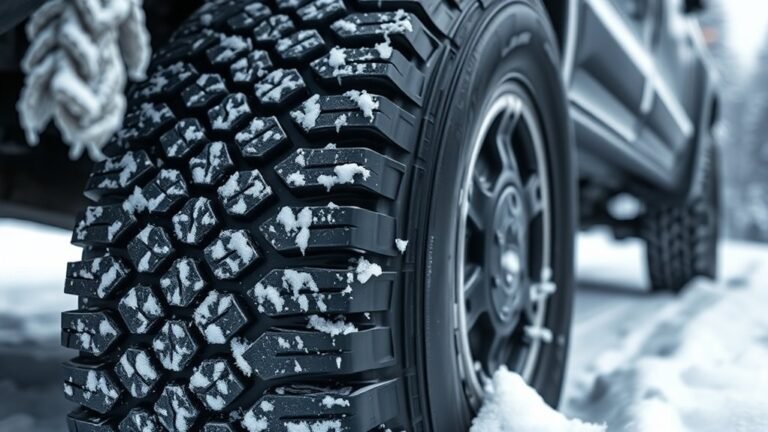
Whether you’re driving through rain, snow, or gravel, AWD adjusts to keep your tires firmly planted.
With enhanced road grip, you can expect:
- Improved stability on wet or icy roads
- Better acceleration from a standstill on loose terrain
- Reduced chances of wheel slip during sudden maneuvers
Improved Cornering Control
How does all wheel drive help you take corners more confidently? AWD distributes power to all four wheels, giving you better traction when turning. This means each tire maintains more consistent grip, reducing the chance of slipping or losing control.
As you steer through curves, AWD adjusts power delivery to the wheels with the most traction, helping you stay on your intended path. You’ll notice smoother, more stable handling, especially on wet or uneven roads.
Instead of feeling your vehicle slide or understeer, AWD keeps you planted, allowing you to navigate turns with greater precision. This improved cornering control not only boosts your confidence but also enhances overall safety, letting you focus on the road ahead without worrying about losing stability during tight or fast corners.
Superior Off-Road Performance
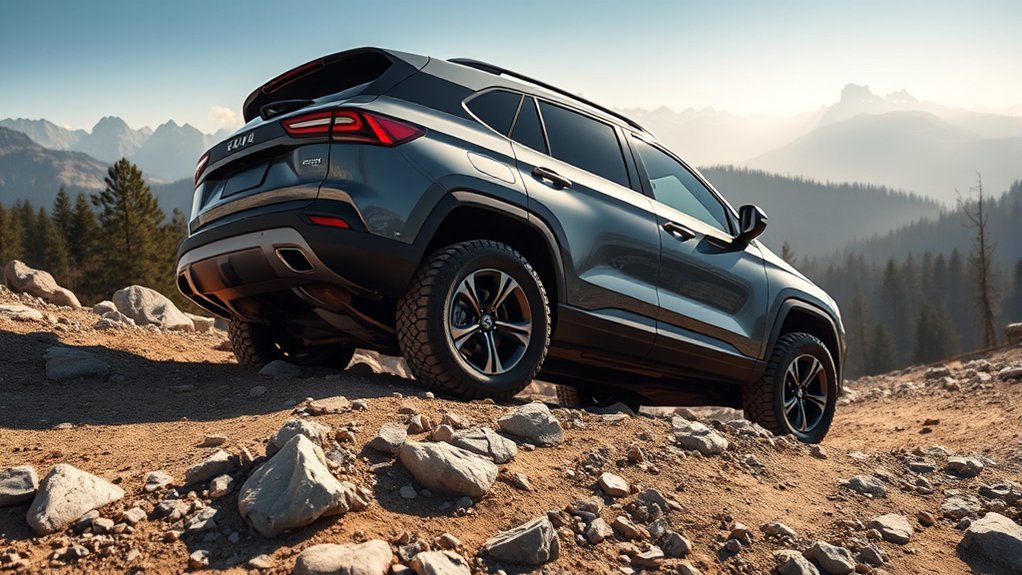
When tackling rugged trails or slippery surfaces, all wheel drive gives you the traction and stability you need to keep moving forward. AWD systems distribute power to all four wheels, helping you maintain control on uneven terrain where two-wheel drive vehicles might struggle.
This means you can confidently navigate mud, rocks, or snow without getting stuck. With AWD, you get enhanced grip and better weight distribution, which translates to safer, smoother off-road adventures.
Here are some key benefits of AWD for off-road performance:
- Improved traction on loose or slippery surfaces
- Better handling on uneven, rocky paths
- Increased vehicle stability during steep climbs or descents
With AWD, your vehicle adapts to challenging conditions, making off-road driving more accessible and enjoyable.
When Does AWD Improve Safety?
Although all-wheel drive (AWD) doesn’t make your vehicle invincible, it can considerably enhance your control on slippery or uneven surfaces. AWD improves traction by distributing power to all four wheels, helping you maintain stability during rain, snow, or light off-road conditions.
However, it’s important to remember AWD aids in acceleration and cornering but doesn’t reduce stopping distances.
Here’s when AWD improves safety:
| Condition | How AWD Helps | Safety Benefit |
|---|---|---|
| Wet Roads | Better grip on slick pavement | Reduces slipping |
| Snow/Ice | Power to all wheels | Enhances traction |
| Gravel/Mud | Balanced power distribution | Prevents wheel spin |
| Light Off-Road | Adjusts to uneven terrain | Maintains vehicle control |
Understanding this helps you use AWD effectively for safer driving.
Common AWD Myths: Busted
Wondering if all-wheel drive (AWD) guarantees perfect traction or makes your vehicle unstoppable? It doesn’t. AWD improves grip but can’t defy physics or road conditions. Here are some common AWD myths busted:
Myth: AWD makes you invincible on icy roads. AWD helps with traction, but you still need proper tires and cautious driving.
Myth: AWD increases fuel consumption drastically. While AWD can use more fuel, modern systems are efficient and often only engage when needed.
Myth: AWD eliminates the need for good driving skills. AWD assists traction but doesn’t replace careful driving or awareness.
Understanding these myths helps you set realistic expectations about AWD capabilities and limitations.
How To Decide If All-Wheel Drive Is Right For You
You’ll want to start by evaluating the driving conditions you face most often, like weather and terrain. Next, consider how all-wheel drive might affect your vehicle’s maintenance costs over time. These factors will help you decide if AWD fits your needs.
Evaluate Your Driving Conditions
How often do you find yourself driving in challenging weather or on rough terrain? If you frequently encounter slippery roads, steep hills, or unpaved paths, all-wheel drive (AWD) might be a smart choice.
AWD enhances traction and stability, giving you better control in tricky conditions. Consider these key factors when evaluating your driving environment:
- Climate: Do you face heavy rain, snow, or ice regularly? AWD helps maintain grip in slippery weather.
- Road Type: Are your routes often gravel, dirt, or uneven surfaces? AWD improves handling off-road.
- Driving Frequency: How often do you drive in these conditions? Occasional bad weather might not justify AWD, but frequent exposure does.
Assessing these elements will help you decide if AWD fits your needs and driving style.
Consider Vehicle Maintenance Costs
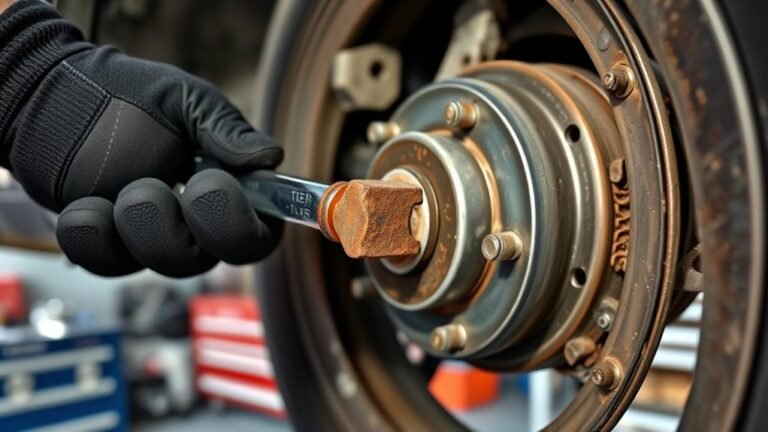
When weighing the benefits of all-wheel drive, have you considered how it might impact your vehicle’s maintenance costs? AWD systems add complexity with extra components like differentials and transfer cases, which can raise repair and upkeep expenses.
You’ll need to regularly check and change fluids specific to these parts, adding to routine maintenance. Tires may wear unevenly because all four wheels are engaged, so rotating them frequently is essential to avoid premature replacement.
While AWD offers better traction and safety, it’s important to budget for these additional costs. If you prefer lower maintenance expenses and simpler repairs, a two-wheel-drive vehicle might suit you better.
Ultimately, understanding these factors helps you decide if the benefits of AWD outweigh the extra maintenance costs for your lifestyle.
Frequently Asked Questions
How Does AWD Affect Fuel Efficiency?
You’ll notice AWD usually lowers fuel efficiency because it adds weight and drivetrain complexity. It sends power to all wheels, increasing energy use, so you’ll burn more fuel compared to two-wheel-drive vehicles.
Can AWD Be Added to a Vehicle Later?
You can add AWD later, but it’s complex and costly, around 30-50% of your car’s value. Most prefer buying AWD models instead, saving time and avoiding extensive modifications that might affect safety and performance.
Does AWD Increase Vehicle Maintenance Costs?
Yes, AWD can increase your vehicle maintenance costs since it adds complexity with extra components like differentials and driveshafts.
You’ll need more frequent fluid changes and inspections to keep everything running smoothly and avoid costly repairs.
How Does AWD Impact Tire Wear?
AWD can cause more even tire wear since all four tires share power, but you’ll need to rotate them regularly to prevent uneven wear.
Neglecting rotation could lead to premature tire replacement and higher costs.
Are AWD Vehicles More Expensive to Insure?
Yes, you’ll generally pay more to insure AWD vehicles because they often cost more upfront and can be pricier to repair.
However, insurance rates also depend on your location, driving history, and specific vehicle model.
Conclusion
Choosing all-wheel drive is like having a reliable co-pilot on every journey—it’s there to boost your confidence and control when the road gets tricky. Whether you face rain, snow, or rough terrain, AWD helps keep you steady and safe.
By understanding how it works and its benefits, you can decide if AWD fits your driving style and needs. So, trust your instincts and let all-wheel drive guide you with extra grip and peace of mind.