How to Reset Coolant Temp Sensor
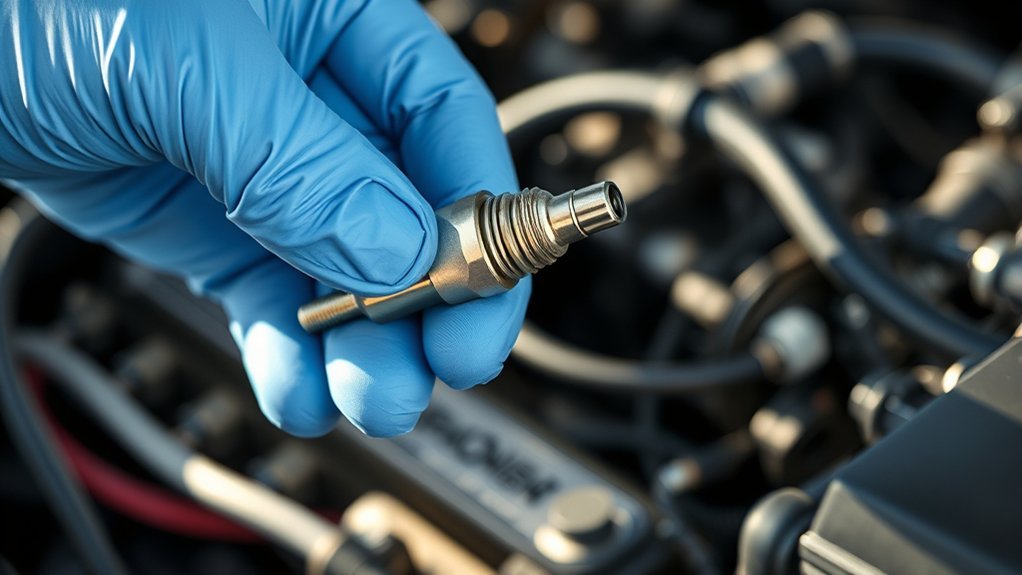
To reset your coolant temp sensor, first locate the sensor near the engine block, cylinder head, or thermostat housing. This sensor monitors the engine’s temperature and helps regulate performance. Carefully disconnect the sensor to avoid any damage during the process.
Next, clear stored data using an OBD-II scanner or follow the manufacturer’s specific reset procedure. Another way to reset the system is to disconnect the negative battery terminal for about 15 minutes. This will reset the ECU.
After reconnecting the battery, start the engine to allow the system to recalibrate. Use the scanner to clear any error codes and verify the sensor’s accuracy. For full guidance on diagnosis, tools, and maintenance, keep exploring these essential steps.
How to Tell If Your Coolant Temp Sensor Is Faulty
How can you determine if your coolant temperature sensor is faulty? Begin with sensor testing using a multimeter to measure resistance across the sensor terminals. Compare readings to manufacturer specifications at varying temperatures; discrepancies indicate sensor faults.
Next, inspect electrical grounding, as poor grounding can mimic sensor failure symptoms. Ensure the sensor’s ground connection is clean, secure, and corrosion-free. Check wiring harness continuity and look for damaged insulation or loose connectors that might affect signal integrity.
Additionally, you can monitor live sensor data via an OBD-II scanner to verify if temperature readings fluctuate appropriately with engine heat. By systematically performing sensor testing and evaluating electrical grounding, you can accurately diagnose whether the coolant temperature sensor is malfunctioning before proceeding to reset or replace it.
Signs Your Coolant Temp Sensor Needs Replacement
If you notice your engine overheating without clear cause or the temperature gauge fluctuates unpredictably, your coolant temp sensor may be failing. These symptoms indicate the sensor is sending inaccurate data to the engine control unit.
Replacing the sensor promptly can prevent further engine damage and restore accurate temperature readings.
Engine Overheating Symptoms
When does your engine start showing signs of overheating? Typically, you’ll notice the temperature gauge rising rapidly or hitting the red zone, accompanied by steam from the radiator or an unusual burning smell.
Your vehicle might also experience reduced power or unexpected shutdowns as the engine struggles to maintain optimal temperature. These symptoms indicate the coolant temp sensor could be failing to provide accurate data to the engine control unit.
While discussing cooling system issues, avoid unrelated topics like fuel efficiency or brake performance, which don’t directly relate to overheating. Focus your discussion ideas on coolant flow, thermostat function, and sensor accuracy.
Recognizing these symptoms early helps prevent severe engine damage and ensures you address sensor replacement before the problem worsens.
Erratic Temperature Gauge
Why does your temperature gauge jump erratically without warning? This erratic behavior often signals a failing coolant temperature sensor. The sensor’s inconsistent readings cause the gauge to fluctuate unpredictably, making it difficult to trust the temperature data.
Key discussion ideas1 include electrical issues such as wiring corrosion or loose connections disrupting sensor signals. Discussion ideas2 focus on sensor degradation over time, which leads to inaccurate voltage outputs sent to the engine control unit.
When you notice these gauge anomalies, it’s crucial to inspect the sensor and its wiring promptly. Ignoring erratic temperature readings can result in misdiagnosed overheating or unnecessary repairs.
Replacing a faulty coolant temp sensor restores accurate temperature monitoring and prevents potential engine damage.
Tools You Need to Reset the Coolant Temp Sensor
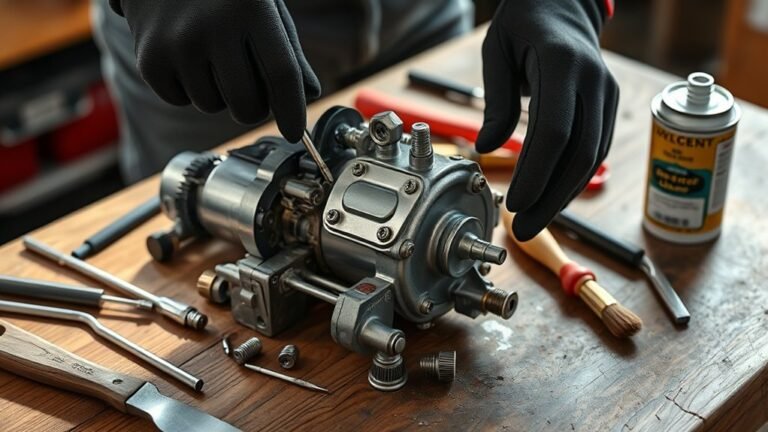
What tools do you need to reset the coolant temperature sensor effectively? You’ll require specific equipment to ensure accuracy and prevent damage. Idea one involves a digital multimeter for testing sensor resistance and voltage. Idea two is an OBD-II scanner to read and clear error codes. Additionally, basic hand tools help you access and remove the sensor.
| Tool | Purpose |
|---|---|
| Digital Multimeter | Measures sensor resistance/voltage |
| OBD-II Scanner | Reads/clears sensor error codes |
| Socket Set | Removes/install sensor securely |
Having these tools ready will streamline the reset process and allow accurate diagnostics. Each tool plays a critical role in verifying sensor function before and after resetting.
How to Reset the Coolant Temp Sensor Step-by-Step
First, you’ll need to locate the coolant temperature sensor, typically found near the engine block or radiator. Once identified, disconnect the sensor carefully to avoid damage.
Then, perform the reset by either clearing error codes with a diagnostic tool or following the manufacturer’s specific reset procedure.
Locate The Sensor
Where exactly is the coolant temperature sensor located in your vehicle? Typically, this sensor is mounted on the engine block, cylinder head, or thermostat housing. Finding it quickly avoids irrelevant topics and random thoughts distracting you. Use this guide to pinpoint it precisely:
| Location Type | Common Placement | Notes |
|---|---|---|
| Engine Block | Near coolant passages | Sensor reads engine temp |
| Cylinder Head | Adjacent to coolant outlet | Sensitive to temperature spikes |
| Thermostat Housing | Close to thermostat | Monitors coolant entering radiator |
| Wiring Harness | Connected to sensor | Check for corrosion or damage |
Locating the sensor is essential before resetting. Identify it correctly to ensure effective troubleshooting and maintenance.
Perform Sensor Reset
Resetting the coolant temperature sensor involves clearing stored data and recalibrating the system to recognize accurate temperature readings. First, ensure your vehicle is off and the key is removed.
Disconnect the negative terminal of the battery to prevent electrical shorts. This step is essential for battery maintenance and system safety. Wait about 15 minutes to allow the vehicle’s ECU to reset.
Reconnect the battery terminal securely. Next, start the engine and let it reach operating temperature without driving. This lets the sensor recalibrate and the ECU register correct readings.
If your vehicle has heated seats, be aware that sensor resets may temporarily affect their operation. Consult tips for heated seats to confirm normal function post-reset. Finally, verify sensor accuracy with a diagnostic tool.
How to Clear Error Codes After Resetting the Coolant Temp Sensor
How do you ensure that your vehicle’s onboard diagnostics reflect the updated status after replacing the coolant temperature sensor? To clear error codes, connect an OBD-II scanner to your vehicle’s diagnostic port. Avoid irrelevant topic or unrelated discussion about sensor installation or engine issues here; focus strictly on code clearance.
Once connected, power on the ignition without starting the engine, access the scanner’s menu, and select “Read Codes” to identify stored trouble codes. Then, choose “Clear Codes” or “Erase Codes” to reset the system. This action clears the stored fault related to the coolant temp sensor replacement.
Afterward, turn off the ignition, disconnect the scanner, and start the engine to confirm the check engine light remains off, indicating successful error code clearance.
How to Prevent Coolant Temp Sensor Problems
Although coolant temperature sensors are designed to be durable, neglecting regular maintenance can lead to inaccurate readings or sensor failure. To prevent issues, routinely inspect the sensor and wiring for corrosion, damage, or loose connections.
Ensure the cooling system operates within specified parameters by maintaining proper coolant levels and using manufacturer-recommended coolant types. Regularly flushing the coolant system prevents sediment buildup that can impair sensor function.
Adopting eco friendly driving habits minimizes engine overheating risks, indirectly protecting the sensor. Additionally, optimizing your driving with creative fuel efficiency techniques reduces engine stress and temperature fluctuations, extending sensor lifespan.
When to See a Mechanic for Coolant Temp Sensor Issues
Even with proper maintenance and careful driving, coolant temperature sensors can still fail or provide inaccurate readings. You should see a mechanic if you notice persistent engine overheating, erratic temperature gauge behavior, or frequent check engine lights. These symptoms often indicate sensor malfunction or wiring issues beyond simple resets.
| Symptom | Action Needed |
|---|---|
| Engine overheating | Immediate inspection |
| Erratic temperature readings | Diagnostic testing |
| Check engine light on | Scan for error codes |
| Poor fuel efficiency | Sensor/wiring check |
Idea one: Don’t ignore intermittent sensor faults, as they can escalate to engine damage. Idea two: Regular diagnostic scans can detect early sensor failures, saving costly repairs. Trust a professional mechanic to accurately diagnose and resolve these issues when sensor resets don’t restore normal function.
Frequently Asked Questions
What Does a Coolant Temp Sensor Do in My Vehicle?
Your coolant temp sensor measures engine temperature, informing the ECU for fuel and ignition adjustments.
Don’t fall for coolant sensor misconceptions; accurate ECU diagnostics rely on this data to optimize performance and prevent overheating.
Can a Faulty Coolant Temp Sensor Affect Fuel Economy?
Yes, a faulty coolant temp sensor disrupts engine recalibration, affecting emission control and fuel system diagnostics.
Sensor wiring issues can mislead vehicle diagnostics, causing improper coolant storage management and reduced fuel economy due to inaccurate temperature readings.
Are Coolant Temp Sensors Universal or Vehicle-Specific?
Coolant temp sensors aren’t universal; they have vehicle-specific variations. You’ll need one matching your car’s make, model, and engine type to guarantee accurate readings and proper engine management.
Universal compatibility is rare in these sensors.
How Long Does It Take to Replace a Coolant Temp Sensor?
Replacing a coolant temp sensor typically takes 30 to 60 minutes, depending on your vehicle’s design.
Coolant temp sensor repair timing varies with accessibility, but it’s usually a straightforward, quick procedure requiring basic tools and minimal disassembly.
Can Extreme Weather Damage the Coolant Temp Sensor?
Like Icarus flying too close to the sun, extreme weather can exceed your coolant temp sensor’s durability, causing damage.
Prolonged exposure to intense heat or freezing cold compromises accuracy, leading to potential engine performance issues and sensor failure.