What Color Is Coolant
Coolant comes in various colors like green, orange, yellow, pink, red, and blue, each signaling its chemical formula and engine compatibility. Understanding what color is coolant helps identify the type and ensure proper use in your vehicle.
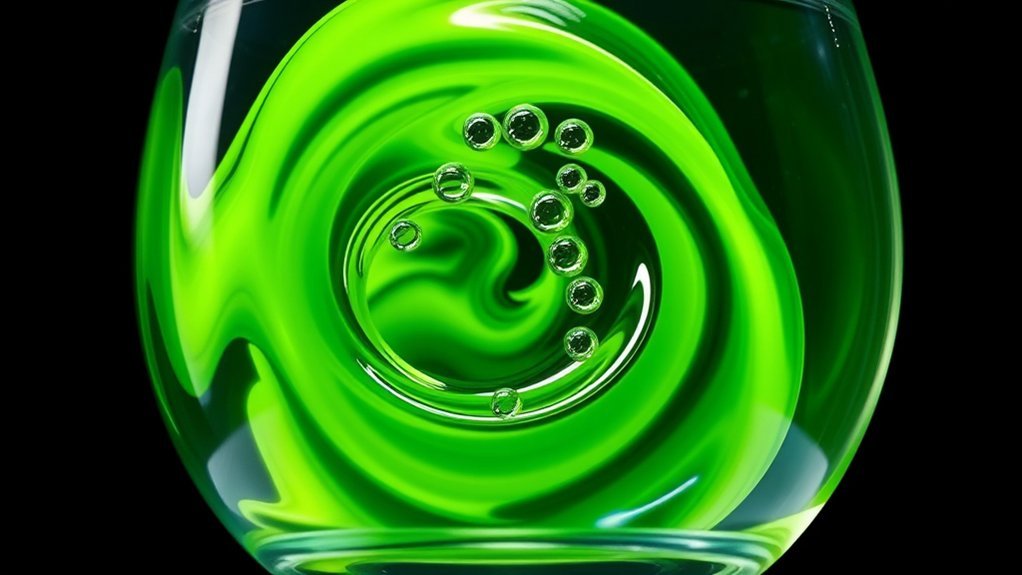
Green usually means traditional Inorganic Additive Technology (IAT). Orange or red indicates Organic Acid Technology (OAT), while yellow and blue often represent Hybrid Organic Acid Technology (HOAT) or phosphate-free options.
Matching the right color prevents corrosion and overheating. Color shifts can signal contamination or failure. Understanding these details ensures reliable cooling and points to what’s next for maintenance.
What Coolant Does and Why Color Matters
Why does coolant color matter when it comes to your vehicle’s performance? Coolant color serves as a quick visual indicator of the fluid’s composition and condition, which directly impacts engine cooling efficiency.
You rely on coolant to transfer heat away from your engine, preventing overheating and corrosion. Different formulations use specific additives, reflected by color, that influence properties like freeze point, boiling point, and corrosion resistance.
Recognizing the coolant color helps you identify compatibility with your engine’s system, avoiding chemical reactions that degrade performance. Using the wrong coolant or mixing incompatible types can reduce heat transfer efficiency, leading to engine damage.
Therefore, understanding coolant color is essential for maintaining optimal engine cooling, ensuring your vehicle operates reliably under varying temperature conditions.
Common Coolant Colors and Their Meanings
You’ll notice coolant comes in several traditional colors, each linked to specific chemical formulations designed for different engine types. Understanding these color codes helps you identify the right coolant and detect possible contamination.
Let’s examine the common coolant colors and what they signify for your vehicle’s cooling system.
Traditional Coolant Colors
How can you quickly identify the type of coolant in your vehicle? Understanding traditional coolant colors is essential, especially considering the engine coolant history where dye chemistry played a pivotal role. These colors aren’t random; they help you recognize the formulation and compatibility.
| Coolant Color | Meaning |
|---|---|
| Green | Inorganic Additive Tech (IAT), traditional formula |
| Orange | Organic Acid Technology (OAT), longer life |
| Yellow | Hybrid Organic Acid Tech (HOAT), hybrid formulation |
Each color corresponds to specific corrosion inhibitors and additives, reflecting the coolant’s chemical structure and intended use. When checking your coolant, matching the color to your vehicle’s requirements can prevent engine damage and maintain optimal thermal regulation.
Color-Coded Chemical Types
What do the various coolant colors actually signify in terms of chemical composition? Each color typically corresponds to a specific chemical formulation designed to optimize performance and prevent irreversible corrosion.
For instance, green coolant often contains inorganic additive technology (IAT), using silicates and phosphates to protect metal surfaces but with a shorter service life. Orange and pink coolants usually employ organic acid technology (OAT), providing extended protection by forming a robust barrier against corrosion while maintaining stable coolant viscosity over time.
Yellow and blue coolants may indicate hybrid organic acid technology (HOAT), combining inhibitors for diverse protection. Understanding these color-coded chemical types helps you select the appropriate coolant, ensuring effective heat transfer and preventing damage due to improper additive compatibility or changes in coolant viscosity that could impair system function.
Identifying Coolant Contamination
When dealing with coolant systems, understanding the significance behind abnormal coolant colors is important for diagnosing contamination issues. Common coolant colors like green, orange, pink, or blue generally indicate specific chemical formulations, but deviations often signal contamination sources affecting system performance.
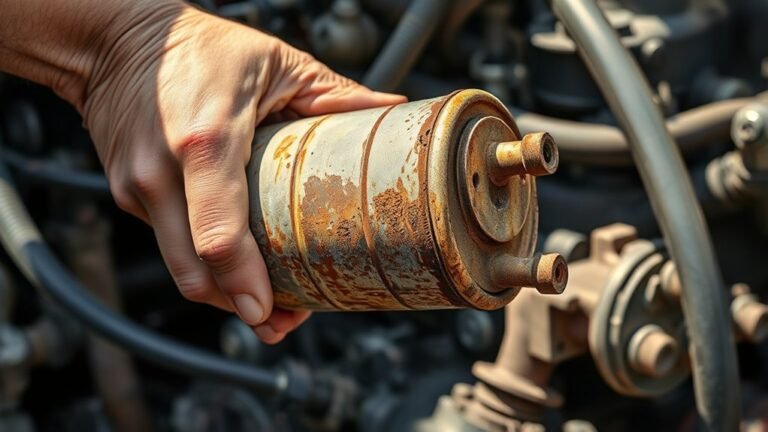
For example, a brown or rusty hue usually points to rust or corrosion byproducts, while a milky or creamy appearance often indicates oil contamination, possibly from a head gasket leak. Color interpretation helps you quickly identify whether the coolant has mixed with foreign substances such as fuel, rust, or debris.
Regular inspection and proper color analysis are essential for early detection, allowing timely maintenance to prevent overheating, corrosion, or mechanical failure. Recognizing these color changes lets you address contamination before it compromises engine integrity.
Which Coolant Color Works Best for Your Engine
Choosing the right coolant color guarantees compatibility with your engine’s materials and design. Different colors indicate specific formulations tailored for various engine types, helping prevent corrosion and overheating.
Understanding these color codes lets you select the most effective coolant for your vehicle’s performance and longevity.
Common Coolant Colors
Several distinct coolant colors are commonly used in automotive engines, each formulated with specific additives tailored to different cooling system requirements. You’ll encounter green, orange, yellow, pink, and blue coolants, each indicating different inhibitor chemistries and lifespans.
Green usually represents traditional inorganic additive technology (IAT), while orange and yellow often signify organic acid technology (OAT) or hybrid formulations. Understanding dye provenance is key to debunking common coolant myths. Color alone doesn’t guarantee compatibility or performance.
The dye primarily helps identify coolant type but isn’t a direct indicator of chemical composition. When selecting coolant, focus on the specific additive package suited for your engine’s cooling system rather than relying solely on color, which varies by manufacturer and formulation standards.
Compatibility With Engine Types
How do you determine which coolant color suits your engine best? Compatibility considerations are essential since engine compatibility varies by coolant type. Different engines require specific formulations to prevent corrosion and maintain peak performance.
Here’s a quick reference:
| Coolant Color | Engine Type Compatibility |
|---|---|
| Green | Older vehicles with iron engines |
| Orange | GM vehicles with aluminum parts |
| Pink | Asian makes, newer models |
| Yellow | Heavy-duty diesel engines |
Selecting the correct coolant color ensures chemical balance with engine materials, preventing damage like gasket failure or radiator corrosion. Always check your vehicle’s manual for recommended coolant colors to guarantee compatibility.
Using an incompatible coolant can reduce system longevity and efficiency, leading to costly repairs. So, matching coolant color to engine type is not just about aesthetics; it’s about preserving engine health through informed compatibility choices.
Benefits Of Color Coding
Matching the right coolant color to your engine type isn’t just about compatibility. It also simplifies maintenance and troubleshooting.
Color coding serves as a quick visual guide to identify the coolant’s chemical composition and ensure coolant compatibility. This reduces the risk of mixing incompatible formulas that can cause corrosion or reduced cooling efficiency.
When you use the correct color-coded coolant, you help maintain optimal engine performance and extend the lifespan of your cooling system components.
Additionally, color coding aids mechanics by streamlining diagnostics, allowing them to quickly assess whether the coolant matches the manufacturer’s specifications. By relying on established color standards, you minimize errors during refills or flushes, ultimately protecting your engine from damage caused by improper coolant mixtures.
How Climate Affects the Coolant You Need
Why does climate play an essential role in selecting the right coolant for your vehicle? Because coolant must adapt to local temperature extremes, climate adaptation becomes critical.
In colder regions, you need a coolant with low viscosity to ensure it circulates easily at freezing temperatures, preventing engine block damage. Conversely, in hotter climates, the coolant must maintain optimal viscosity to resist boiling and effectively dissipate heat.
Using a coolant that doesn’t match your environment can cause overheating or freezing, leading to costly engine repairs. Additionally, additives in coolants vary to protect against corrosion or scaling depending on humidity and mineral content in your area’s water supply.
Understanding how climate influences coolant properties ensures your vehicle’s cooling system performs reliably year-round.
Finding the Right Coolant for Your Car
Where do you start when selecting the right coolant for your car? Begin by consulting your vehicle’s owner manual for manufacturer recommendations.
Coolant storage conditions also matter; improper storage can degrade additives, affecting performance. Color testing helps identify the coolant type and its condition, ensuring compatibility and avoiding contamination.
| Coolant Type | Common Colors |
|---|---|
| Inorganic Acid Technology (IAT) | Green |
| Organic Acid Technology (OAT) | Orange, Red |
| Hybrid Organic Acid Technology (HOAT) | Yellow, Green |
| Phosphate-Free OAT | Blue |
| Dex-Cool | Orange |
Always verify coolant specifications via color testing and maintain proper coolant storage to preserve effectiveness and protect your engine.
Risks of Mixing Different Coolant Colors
Although it might seem convenient to mix different coolant colors, doing so can cause chemical reactions that reduce the coolant’s effectiveness and potentially damage your engine. Different coolant formulations contain varying additive packages and corrosion inhibitors, which can react adversely when combined.
This leads to the breakdown of protective layers, increasing the risk of corrosion and scale buildup within the cooling system. These two word ideas, chemical incompatibility and additive degradation, highlight the dangers of mixing coolants.
Additionally, mixing colors can dilute the coolant’s freeze and boil-over protection, compromising engine temperature regulation. By understanding these two word ideas, system contamination and performance loss, you’ll appreciate why maintaining a consistent coolant type is critical.
Avoid mixing to ensure your engine’s longevity and optimal cooling system function.
How to Check and Top Up Coolant Safely
Mixing different coolant types can jeopardize your engine’s protection, so it’s important to regularly check the coolant level and condition to maintain ideal performance. Start by guaranteeing the engine is cool to avoid burns.
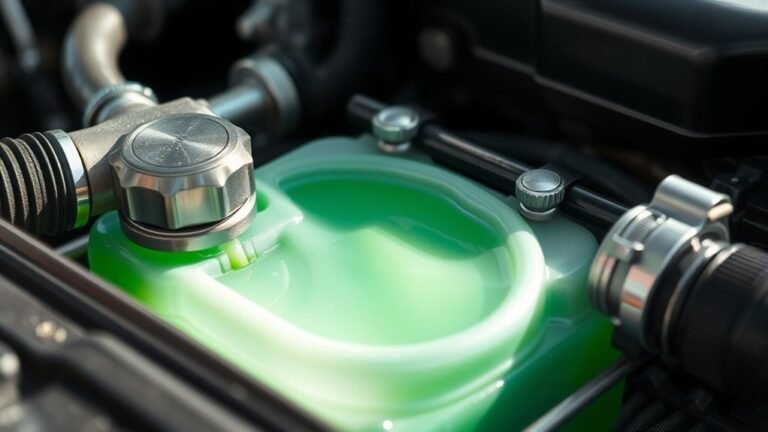
Locate the coolant reservoir and inspect the level against the “min” and “max” markers. If topping up is necessary, use the recommended coolant type and avoid mixing with water unless specified by the manufacturer, as incorrect dilution can reduce effectiveness.
When adding coolant, pour slowly to prevent air pockets. Properly seal the reservoir cap afterward.
For how to store coolant, keep it in a sealed container, away from direct sunlight and extreme temperatures to maintain chemical stability. Following these steps ensures your cooling system operates efficiently and prolongs engine life.
When Coolant Color Means Replace or Flush
How can you tell when it’s time to replace or flush your coolant based on its color? If the coolant appears rusty, brown, or has darkened significantly, it indicates contamination and the breakdown of corrosion inhibitors.
This degradation compromises sealed system integrity, allowing moisture and air ingress that accelerates irreversible corrosion within the engine and radiator. Additionally, coolant that looks cloudy or has particles suspended signals deposits forming inside the system, further impairing heat transfer efficiency.
When you observe these color changes, flushing and replacing the coolant is essential to restore proper protection and prevent costly damage. Ignoring these signs risks permanent corrosion damage, reducing your vehicle’s lifespan and performance.
Regular monitoring of coolant color helps maintain optimal engine health and system reliability.
How to Choose the Right Coolant Color
Why does the color of coolant matter when selecting the right type for your vehicle? Coolant color serves as a quick visual indicator of its chemical formulation, compatibility, and intended use. Different colors correspond to specific additives and base chemicals, such as ethylene glycol or organic acid technology, which affect corrosion protection and lifespan.
Ignoring coolant color can lead to mixing incompatible fluids, risking engine damage or reduced cooling efficiency. It’s an irrelevant topic to consider unrelated concepts like aesthetic preferences or arbitrary color choices when selecting coolant.
Instead, always consult your vehicle’s manual or manufacturer guidelines to identify the correct coolant color. This ensures optimal performance and prevents costly repairs. Remember, color isn’t merely cosmetic; it’s a technical marker for proper coolant selection.
Signs Your Coolant Needs Attention and What Color Changes Mean
You should regularly check your coolant’s color, as changes can signal underlying issues like contamination or corrosion. A shift from its original hue, whether it’s turning rusty, cloudy, or oily, often indicates the coolant needs attention.
Recognizing these signs early helps prevent engine damage and maintains optimal cooling system performance.
Coolant Color Indicators
When should you be concerned about the color of your vehicle’s coolant? Color changes in coolant serve as critical indicators of its condition and system health. Typically, coolant is bright green, orange, pink, or yellow, depending on its chemical composition.
If you notice it turning rusty brown or cloudy, that signals corrosion or contamination. A milky appearance often suggests coolant mixing with oil, indicating a serious engine issue.
It’s important to avoid irrelevant discussion or off topic ideas like coolant smell or texture here; focus strictly on color changes. Monitoring these color indicators helps you assess whether the coolant is degrading, contaminated, or if the cooling system requires maintenance.
Timely attention prevents engine overheating and costly repairs.
Signs of Coolant Issues
How can you tell if your coolant is signaling a problem? One primary sign coolant needs attention is a noticeable color change, such as shifting from bright green, orange, or pink to a rusty brown or milky white. These issues often indicate contamination, corrosion, or the presence of oil due to leaks.
Additionally, if you detect a sweet smell or notice overheating, these can also be signs coolant is compromised. You should monitor for sediment or debris in the reservoir, as this buildup points to deteriorated coolant or system corrosion.
Timely identification of coolant issues prevents engine damage and maintains efficient heat transfer. Regular inspection and testing ensure your coolant remains within optimal parameters, safeguarding your vehicle’s cooling system.
Frequently Asked Questions
Can Coolant Color Fade Over Time Without Indicating a Problem?
Yes, coolant color can fade over time due to color aging, which doesn’t always indicate a problem. Changes often result from coolant chemistry breakdown rather than contamination.
You should analyze chemical properties, not just rely on color alone.
Does Coolant Color Affect Engine Performance?
Coolant color itself doesn’t affect engine performance directly, but it helps you identify the coolant type and its condition. Using the correct coolant maintains ideal engine temperature, preventing overheating or corrosion that could degrade performance over time.
Are There Eco-Friendly Coolant Color Options Available?
Yes, you’ll find eco-friendly coolant color options designed to minimize environmental impact. These coolants use biodegradable additives, and their distinctive colors help guarantee proper identification and disposal.
This maintains both engine performance and ecological responsibility.
How Long Does Coolant Typically Last Once Opened?
Coolant longevity after opening typically ranges from 1 to 3 years if stored properly. You’ll notice color fade indicators signaling degradation, so monitor these changes carefully to ensure optimal performance and prevent engine damage.
Can Coolant Color Help Detect Specific Engine Issues?
Wondering if coolant color reveals engine staining or problems? Yes, it does. Dye diagnostics use coolant hues to pinpoint leaks or corrosion, helping you detect engine staining early and maintain optimum performance through precise troubleshooting.