How to Check a Car Seat
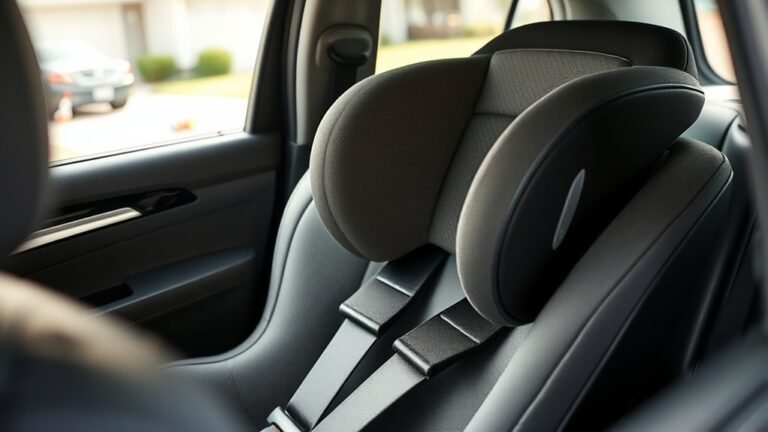
To check a car seat, first ensure it fits your child’s age, height, and weight by reviewing manufacturer guidelines and measuring your child. Confirm the seat hasn’t expired or been recalled by locating the labels and checking online databases.
Securely install the car seat in the back seat using either the seat belt or LATCH, and test for minimal movement. Adjust the harness snugly at the proper height and set the recline angle as recommended.
Keep these steps in mind as you explore deeper safety tips.
Verify Your Car Seat Fits Your Child’s Age and Size
How do you ensure your car seat is the right fit for your child? First, check if the seat is age appropriate by reviewing the manufacturer’s guidelines. Car seats are designed for specific age ranges, so using one that matches your child’s stage is crucial for safety.
Next, focus on size fit. Measure your child’s height and weight and compare them to the seat’s limits. An improperly sized seat won’t offer the protection your child needs.
Make sure your child fits comfortably without slouching or excessive room. Remember, a snug harness and proper recline angle are essential for secure positioning.
Check Your Car Seat’s Expiry Date and Recall Status
Start by locating the expiry date printed on your car seat’s label or manual, as using an expired seat can compromise safety.
Next, check for any recalls by entering your car seat’s model number and manufacture date on the manufacturer’s website or a trusted recall database. Staying up to date ensures your child’s seat meets current safety standards and hasn’t been flagged for defects.
Locate Expiry Date
Since car seats undergo wear and safety standard updates, you need to locate and check the expiry date before use. The expiry date is typically molded into the plastic shell or printed on a label attached to the seat, often found on the back or bottom.
This date reflects the manufacturer’s expiry guidelines based on rigorous durability testing. These tests assess how materials hold up over time, exposure to heat, and potential degradation that could compromise safety.
Using a car seat past its expiry date puts your child at risk because it may no longer meet current safety standards or provide adequate protection. Always locate this date first, and if it’s missing or illegible, avoid using the seat.
Checking the expiry date ensures your child’s safety and compliance with evolving regulations.
Verify Recall Information
Why should you verify recall information before using a car seat? Because a safety recall indicates a defect that could compromise your child’s protection. Conducting recall verification ensures the car seat you have isn’t subject to any manufacturer or government-issued safety recalls.
Start by locating the model number and manufacture date on the car seat’s label. Then, visit the National Highway Traffic Safety Administration (NHTSA) website or the manufacturer’s site to enter this information.
If your car seat is under a safety recall, follow the recommended steps immediately. This could involve repairs, replacement parts, or a full replacement.
Never ignore recall notices, as using a recalled car seat puts your child at risk. Regular recall verification is essential for maintaining the highest safety standards for your child’s travel.
Confirm Car Seat Safety Labels and Certifications
You’ll want to locate the safety certification labels on your car seat, usually found on the side or back. Check the expiration date printed on the label to ensure the seat is still valid for use.
Finally, verify that the seat meets current compliance standards set by regulatory authorities to guarantee maximum protection.
Locate Safety Certification Labels
Where can you find proof that your car seat meets essential safety standards? The key is locating the safety certification labels, which confirm labeling compliance and verify the seat’s safety certification. These labels are crucial for ensuring your child’s protection.
Check these three common spots for official certification labels:
- On the back or bottom of the car seat shell. Manufacturers typically place compliance labels here.
- Attached to the harness or fabric covers. Look for sewn-in tags with safety certification details.
- On the instruction manual. It often includes certification and regulatory information.
Always verify that the labels indicate compliance with current federal safety standards. If you can’t find these labels or they look altered, the car seat may not be safe for use.
Understand Expiration Dates
How can you be sure your car seat remains safe as time passes? Start by understanding expiration dates, which are essential for expiration tracking. Car seats have a limited lifespan, usually around six to ten years, because material durability degrades over time.
The plastic shell can weaken, and the harness may lose strength, compromising safety during a crash. Check the label on the seat or the manufacturer’s manual to find the exact expiration date. Never use a car seat past this date, even if it looks undamaged.
Keeping track of these dates ensures you replace the seat before material wear affects protection. By prioritizing expiration tracking, you maintain your child’s safety and adhere to essential product guidelines.
Verify Compliance Standards
Knowing when to replace your car seat based on expiration dates is just one part of ensuring safety. You also need to verify compliance standards by confirming the car seat’s safety labels and certifications. This ensures the seat meets federal regulations and has passed rigorous crash tests.
When checking compliance, consider these steps:
- Locate the certification label. Look for the JPMA seal or the FMVSS 213 compliance tag.
- Confirm the manufacturing date and model number to verify it hasn’t been recalled or discontinued.
- Review the seller’s shipping options and data privacy policies to ensure you’re purchasing from a reliable source that handles your information responsibly.
Position the Car Seat Correctly in Your Vehicle
Why does the car seat’s placement matter so much? Proper positioning ensures maximum safety by minimizing injury risks during sudden stops or collisions. Always install the seat in the back row, ideally in the middle, away from airbags. This location offers the most protection and keeps your child secure.
Before placing the seat, clear any portable storage items that might interfere with a snug fit. Loose objects can shift, compromising safety. When traveling, use travel tips like checking your vehicle’s manual for specific car seat placement guidance.
Secure Your Car Seat With Seat Belt or LATCH
You’ll need to secure your car seat using either the seat belt or the LATCH system, depending on your vehicle and car seat model. Make sure you choose the method that offers the tightest, most stable installation without any movement.
Properly fastening the seat is essential to keep your child safe during every ride.
Choosing Between Seat Belt
How do you decide whether to secure your car seat with a seat belt or the LATCH system? Your choice depends on several factors, including seat selection and vehicle compatibility. Understanding these helps ensure a safe, stable installation.
- Check seat selection: Some car seats perform better with seat belts, especially if they have tight belt paths designed for a secure fit.
- Assess vehicle compatibility: Not all vehicles support LATCH in every seating position; your owner’s manual will clarify this.
- Consider ease of installation: Seat belts may be preferable if LATCH anchors are hard to reach or if you’re switching seats between vehicles often.
Using the LATCH System
Where exactly do you attach the car seat when using the LATCH system? You connect the lower anchors found in the vehicle’s seat bight, the space between the seat cushion and backrest. Look closely for metal bars, often hidden beneath upholstery patterns that might make them tricky to spot.
Before attaching, familiarize yourself with disassembly techniques of your car seat, as some models require loosening or removing covers to access LATCH connectors properly. Once aligned, clip the lower anchors securely, ensuring both sides engage with the car’s anchors.
The top tether, found behind the vehicle seat, must also be fastened to limit forward movement. Following these precise steps helps you install the car seat safely using the LATCH system every time.
Ensuring Tight Installation
Why does ensuring a tight installation matter so much when securing your car seat? A snug fit is crucial to protect your child during sudden stops or impacts. Much like airport security checks, where precision and thoroughness are vital, your car seat needs to be firmly anchored to prevent movement.
To ensure tight installation:
- Use either the seat belt or LATCH system, never both simultaneously unless specified by the manufacturer.
- Apply color theory by checking indicators: green means secure, red means adjustment needed.
- Test for less than one inch of side-to-side or front-to-back movement at the belt path.
Test That Your Car Seat Is Tightly Secured and Stable
A securely installed car seat is essential for your child’s safety during every trip. After selecting the right car seat based on your child’s age guidelines, you need to test its stability.
Grab the seat at the base near the belt path and give it a firm shake. It shouldn’t move more than one inch side to side or front to back. If it does, tighten the seatbelt or LATCH system and retest.
Firmly shake the seat at the belt path; it should move less than one inch in any direction.
Double-check that the car seat doesn’t rock or shift when you push or pull it. Confirm the seat is installed at the correct recline angle as specified in the manual.
Ensuring a tightly secured and stable car seat reduces injury risk and maximizes protection for your child in a crash.
Adjust Your Car Seat Harness for a Proper Fit
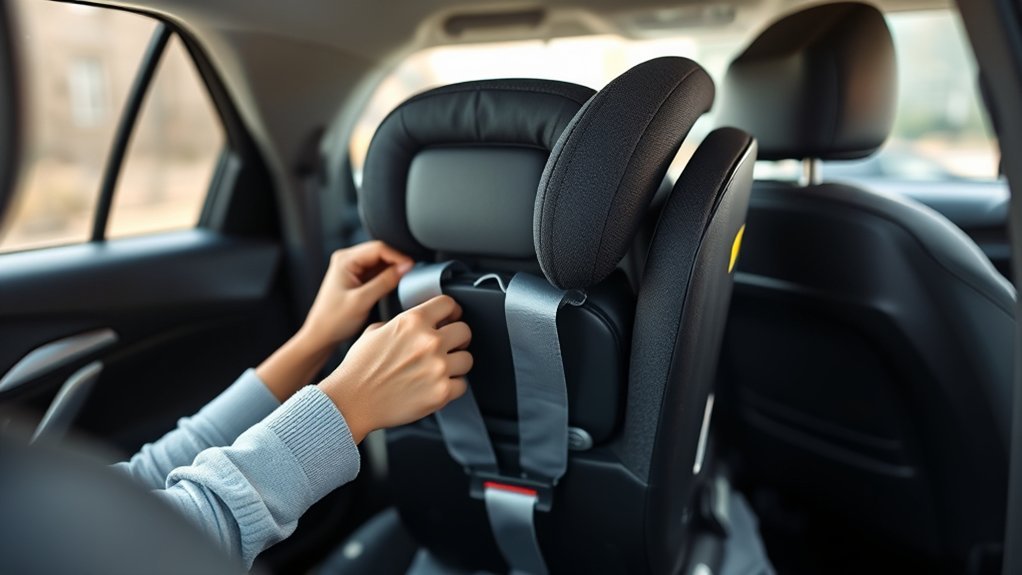
How tightly should your car seat harness fit to keep your child safe? The harness should be snug enough to hold your child securely against the car seat materials without causing discomfort. Proper adjustment balances safety and child ergonomics.
Follow these steps to adjust the harness correctly:
- Position the harness straps at or just below your child’s shoulders for rear-facing seats, or at or above for forward-facing seats.
- Pull the harness straps snugly so you can’t pinch any slack at the shoulders.
- Ensure the chest clip sits at armpit level to maintain proper strap positioning.
Check and Set the Car Seat Recline Angle for Safety
Once you’ve secured the harness snugly, the next step is to check the car seat’s recline angle. The recline angle is essential for your child’s safety and comfort, especially for infants who need proper head and neck support.
Start by locating the angle indicator on the seat, which might be a bubble level or a marked line. Adjust the seat until the indicator aligns with the recommended position according to the car seat’s safety guidelines.
If the seat is too upright, your child’s head might flop forward, restricting their airway. Too reclined, and the seat won’t provide adequate protection in a crash.
Always double-check your vehicle’s manual for any specific recline angle requirements to guarantee you’re meeting both the car seat and vehicle safety guidelines precisely.
Avoid Common Car Seat Installation Mistakes
Why do so many car seat installations fail to provide maximum protection? Often, it’s because people overlook critical details or misunderstand instructions. To avoid common mistakes, focus on these key points:
- Secure Attachment: Ensure the seat is tightly anchored using either the seat belt or LATCH system, with minimal movement. Loose installation compromises safety.
- Correct Car Seat Materials: Use only original parts specified by the manufacturer. Avoid substitutes, as incompatible materials can weaken the structure and void manufacturer warranties.
- Follow Manufacturer Instructions: Always read the manual carefully. Ignoring specific guidelines can lead to improper angles or harness adjustments, reducing effectiveness.
Maintain and Clean Your Car Seat Safely
When should you clean your car seat to keep it both safe and comfortable? Ideally, you should clean it regularly, every few weeks or after spills, to prevent buildup that can compromise safety.
Start by removing the seat cover and washing it according to the manufacturer’s instructions. Opt for eco friendly materials when replacing covers or padding to ensure your child’s health and reduce environmental impact. Choose color options that resist fading and stains to maintain appearance longer.
Remove and wash covers per instructions; choose eco-friendly, stain-resistant materials for health and lasting appearance.
Wipe down the plastic and metal parts with mild soap and water, avoiding harsh chemicals that can degrade the seat’s integrity. Always allow all components to dry completely before reassembling.
Regular maintenance not only preserves comfort but ensures your car seat functions properly in protecting your child.
Frequently Asked Questions
Can I Use a Car Seat From Another Country?
You can use a car seat from another country, but you’ll need to ensure it meets your local international regulations for travel safety.
Check certifications and compatibility carefully to keep your child safe during travel.
How Do I Choose Between a Convertible and an Infant Car Seat?
When choosing between convertible vs infant seat, remember “measure twice, cut once.” You’ll want an infant seat for newborns and easy portability but a convertible seat offers longer use and cost-efficiency as your child grows.
Choose based on your lifestyle.
Are Aftermarket Car Seat Accessories Safe to Use?
You shouldn’t use aftermarket car seat accessories because they often don’t meet accessory regulations or aftermarket safety standards.
These items can interfere with your car seat’s effectiveness, putting your child at risk during a crash.
What Should I Do if My Child Outgrows the Car Seat Early?
If you notice your child seems uncomfortable, it’s no coincidence. They might be outgrowing the seat. Check the height and weight limits carefully, and upgrade to a bigger car seat to address outgrowing concerns safely and promptly.
Can I Install a Car Seat in the Front Passenger Seat?
You generally shouldn’t place a car seat in the front seat due to safety risks. If you must, assure the seat back height allows the airbag to be disabled, and follow your vehicle’s manual for proper front seat placement.
Conclusion
To keep your child cozy and completely protected, consistently check your car seat’s condition, compatibility, and correct installation. Confirm certifications, control harness comfort, and carefully calibrate the recline angle. Avoid avoidable errors by following these steps faithfully and frequently.
With vigilant verification and valuable maintenance, you’ll ensure safe, secure, and snug journeys every time. Remember, responsible routines result in reliable road readiness for your little one’s safety. Regularly checking a car seat is essential to maintaining the highest level of protection for your child.