
When to Switch From Infant Car Seat
You should switch from your infant car seat once your baby outgrows the height or weight limits set by the manufacturer.
When the head touches the seat’s top, shoulders rise above harness slots, or the harness won’t tighten properly, it’s time to make the change.
Always check these signs carefully.
Confirm all limits in your car seat manual, and consult a pediatrician or car seat technician to ensure your child’s safety.
Choosing the right convertible seat and installing it correctly are key next steps to protect your child.
Learn how to make this transition smoothly and safely by following expert guidance and recommendations.
Taking these steps helps keep your baby secure during every trip.
When Should You Switch From an Infant Car Seat?
When should you switch from an infant car seat? The key is prioritizing your baby’s safety while considering growth milestones. Infant seats are designed for newborns and smaller babies, but they have limits, usually by weight or height.
To ensure you make the best choice, start with discussion ideas involving your pediatrician or a certified car seat technician. Safety tips emphasize switching before your baby outgrows the seat’s limits to prevent injury risks.
Don’t wait too long; prolonged use beyond recommended limits compromises protection. Remember, switching on time means transitioning to a convertible or toddler seat that better suits your baby’s size and offers enhanced safety features.
Staying informed and proactive protects your little one every mile.
How to Recognize Your Baby Has Outgrown Their Seat
You’ll know it’s time to switch when your baby exceeds the car seat’s height and weight limits listed in the manual. Also, if their head is touching the top of the seat or their shoulders are above the harness slots, the fit isn’t safe anymore.
Paying attention to these physical signs helps you keep your baby secure on every ride.
Height And Weight Limits
How can you tell if your baby has outgrown their infant car seat? The key is to check the height and weight limits specified by the manufacturer. Ignoring these limits or engaging in unrelated topic or off topic discussion won’t keep your baby safe. Focus on the seat’s guidelines to know when it’s time to switch.
Here’s a quick reference for typical infant car seat limits:
| Seat Model | Max Weight (lbs) | Max Height (inches) |
|---|---|---|
| Model A | 22 | 30 |
| Model B | 25 | 32 |
| Model C | 35 | 32 |
Always follow your specific seat’s limits to ensure your baby’s safety and comfort.
Physical Fit Indicators
Why does your baby’s physical fit in their car seat matter just as much as the height and weight limits? Because a proper fit directly impacts motion safety during travel.
If your baby’s head is pushing against the top of the seat or their shoulders are above the harness slots, it’s a clear sign they’ve outgrown their seat. Also, if their body feels cramped or the harness can’t be tightened securely, motion safety is compromised.
Even with correct seat installation, an ill-fitting seat can’t protect your child effectively. Watch for signs like difficulty buckling or your baby’s chin resting on their chest; both indicate it’s time to switch.
Prioritizing physical fit ensures the harness stays positioned correctly, keeping your baby safe and comfortable on every ride.
Understanding Infant Car Seat Weight and Height Limits
A pivotal step in knowing when to switch from your infant car seat is understanding its specific weight and height limits. These limits are set by manufacturers to guarantee infant safety by providing proper support and protection in a crash.
You should check the seat’s labels or manual regularly to verify your child hasn’t outgrown the maximum weight or height. If your baby exceeds these limits, the seat belts and harnesses may no longer secure them adequately, increasing risk during travel.
Why Rear-Facing Car Seats Are Important After Infancy
Once your child has outgrown the infant car seat’s limits, keeping them rear-facing remains one of the safest choices you can make. Rear-facing seats better protect your child’s head, neck, and spine by distributing crash forces more evenly.
This positioning is essential as their bodies are still developing, making them more vulnerable in frontal collisions. As you plan activities or road trips, remember that rear-facing seats might limit visibility but provide unmatched safety benefits.
To keep your child comfortable and engaged, consider preparing simple snack ideas and interactive toys within reach. Staying patient while your child remains rear-facing can be challenging, but prioritizing their safety over convenience ensures you’re making the best decision for their well-being during these early stages.
Choosing the Right Convertible Car Seat After Infant Seats
How do you know when it’s time to switch from an infant car seat to a convertible car seat? You’ll want to consider your child’s weight, height, and developmental stage.
Convertible car seats offer extended use, adapting from rear-facing to forward-facing as your child grows. When choosing one, focus on models that pass rigorous alternative car seat tests, ensuring enhanced safety beyond standard requirements.
Convertible car seats grow with your child, offering superior safety by meeting strict alternative testing standards.
Familiarize yourself with techniques for converting seats to maximize usability and maintain proper fit during transitions. Look for adjustable harness heights and recline options that accommodate your child’s comfort and safety.
Selecting the right convertible car seat means balancing ease of use, durability, and certified safety performance, giving you confidence that your child remains secure through every stage of growth.
Tips to Safely Switch Your Baby to a New Car Seat
Before switching your baby to a new car seat, always check their height and weight to make sure they fit safely. You’ll want to install the seat properly, following the manufacturer’s instructions closely.
Taking these steps helps keep your little one secure and comfortable during every trip.
Check Height And Weight
Several key measurements play a vital role when deciding to switch your baby to a new car seat, with height and weight topping the list. You need to check your child’s current height against the maximum limits specified by the car seat manufacturer.
Use height tips like measuring from head to toe and comparing with the seat’s guidelines to ensure a comfortable fit. Similarly, weigh your baby accurately and confirm that their weight falls within the seat’s range.
Ignoring these factors can compromise seat safety and increase risk during travel. Always prioritize your child’s comfort and protection by adhering strictly to height and weight recommendations before making the switch.
This step is essential to keep your baby secure and supported in their new car seat.
Ensure Proper Installation
Once you’ve confirmed your baby meets the height and weight requirements, the next step is making sure the new car seat is installed correctly. Proper installation is crucial for your child’s safety, so don’t rush this process.
Start by carefully reading the installation manuals provided with the car seat. These guides offer essential details tailored to your specific model. Pay close attention to the child seat labels, which often include important information about weight limits, harness adjustments, and recline angles.
Double-check that the seat is securely fastened in your vehicle, with minimal movement when you try to wiggle it. If you’re unsure, many local fire stations or car seat inspection centers offer free installation checks.
Taking these steps ensures your baby travels safely and comfortably in their new seat.
Follow Manufacturer Guidelines
How do you guarantee a smooth and safe transition when switching your baby to a new car seat? The key is to closely follow the manufacturer guidelines. Each infant car seat has specific weight thresholds and outgrown limits that determine the ideal switch timing. Ignoring these can compromise your baby’s safety.
Refer to the following table for crucial points to check before making the switch:
| Factor | Infant Car Seat Limit | New Car Seat Requirement |
|---|---|---|
| Weight Threshold | 4-35 lbs | Minimum 20 lbs |
| Height Limit | Up to 32 inches | Check model specifics |
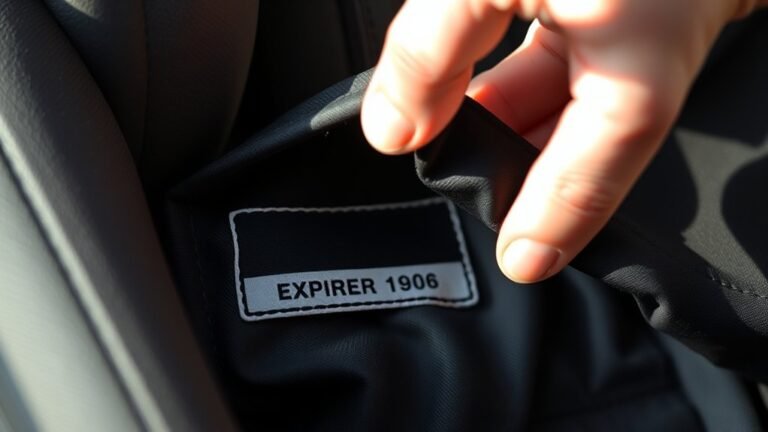
| Expiration Date | Typically 6 years | Confirm date |
| Harness Fit | Snug on baby | Adjustable for growth |
| Installation Type | Rear-facing | Follow instructions |
Always prioritize manufacturer instructions to ensure your baby’s safety during the switch.
Mistakes to Avoid When Switching Car Seats
Why do so many parents struggle when switching car seats? It often comes down to confusion over switch types and neglecting seat maintenance. When you transition from an infant car seat to a convertible or booster seat, it’s crucial to choose the right type based on your child’s size and developmental stage.
Avoid rushing this decision; each switch type has specific weight and height limits, which you must follow carefully. Also, don’t overlook seat maintenance. Regularly inspect the car seat for wear, clean it according to manufacturer instructions, and check that harnesses and buckles work properly.
Skipping these steps can compromise safety and lead to costly mistakes. By understanding these common pitfalls, you’ll ensure a smoother, safer switch for your child.
How to Install and Use Your Child’s Next Car Seat
Where should you start when installing your child’s next car seat? Begin by confirming the switch timing. Make sure your child has outgrown the infant seat’s weight or height limits.
Start installing your child’s next car seat by confirming they’ve outgrown the infant seat’s weight or height limits.
Next, check seat compatibility with your vehicle; not all car seats fit every car model, so consult both manuals. Position the seat according to manufacturer instructions, typically rear-facing for toddlers, until they reach the recommended limits.
Use the LATCH system or seat belt firmly, ensuring minimal movement. Adjust harness straps snugly at or below your child’s shoulders for rear-facing seats.
Finally, double-check every step and practice using the seat before trips. If you’re unsure, many local fire stations or safety organizations offer installation help. Installing correctly ensures safety and peace of mind during this important transition.
Frequently Asked Questions
How Often Should Car Seats Be Replaced Due to Expiration?
You should replace your car seat once it’s expired, usually after six to ten years. Don’t ignore expiration dates; timely replacement guarantees your child’s safety.
Always check the label for accurate replacement timing.
Can Car Seats Be Transferred Between Vehicles Safely?
Like fitting puzzle pieces, you can transfer car seats between vehicles, but you’ll want to check car seat compatibility and vehicle compatibility carefully.
Ensuring both match keeps your child safe and your peace of mind intact.
Are There Regulations for Car Seat Use During Air Travel?
Yes, air travel rules require you to use FAA-approved car seats for infants. Regulations mandate securing your child properly during flights for safety.
Always check airline policies to assure compliance and smooth travel.
How Do Temperature Changes Affect Car Seat Safety?
Like a knight’s armor weakened by time, inconsistent temperature causes material degradation in your car seat, reducing safety.
You’ll want to regularly inspect it, ensuring it stays sturdy and protective through every season’s change.
What Are the Best Cleaning Practices for Car Seats?
You should clean your car seat regularly, ideally every few weeks, using mild soap and water. For stains, gently blot with a soft cloth and avoid harsh chemicals to protect the fabric and maintain safety.
Conclusion
Switching from an infant car seat is like turning a new page in your baby’s safety story. You’ll know it’s time when your little one outgrows height or weight limits. Moving to a convertible seat keeps them secure facing rear.
Remember, safety isn’t just about the seat—it’s about correct installation and avoiding common mistakes. Trust your instincts and the guidelines to keep your child protected every mile of the journey.
When to switch from an infant car seat is an important decision that ensures your baby’s continued safety on the road.