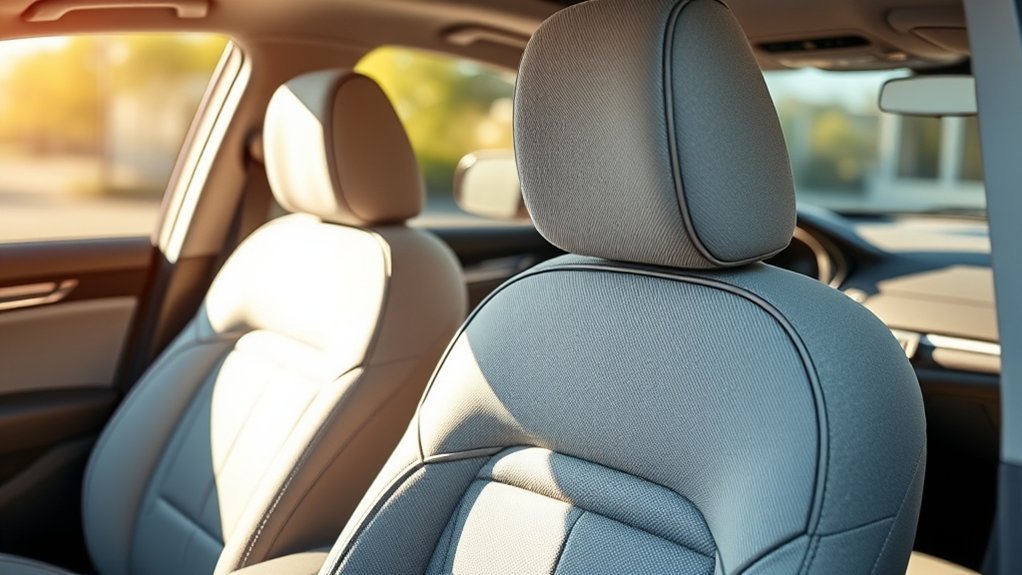
Are Car Seat Covers Safe
Car seat covers can be safe if you choose and install them carefully. You’ll want covers labeled “airbag compatible” to avoid interfering with airbags or seatbelt sensors. Avoid thick or ill-fitting covers that might block safety features or affect child seat anchors.
Prioritize manufacturer-approved, non-toxic materials with fire resistance. Improper covers might reduce protection or comfort, so follow installation instructions precisely. Understanding these details will help you maintain both safety and functionality in your vehicle.
Are Car Seat Covers Safe to Use?
How safe are car seat covers when it comes to protecting your child? The truth is, there’s insufficient information to definitively say whether all car seat covers are safe. Some covers might interfere with the seat’s built-in safety features or affect the harness’s fit, which could compromise protection during a crash.
You need to be cautious and avoid assuming every cover is designed with safety in mind. Many discussions online mix safety concerns with unrelated topics like style or comfort, which can cloud your judgment.
Before using a car seat cover, check if the manufacturer explicitly states it’s compatible with your car seat model. Prioritize safety certifications over aesthetics to ensure your child’s protection isn’t compromised by an ill-fitting or unapproved cover.
How Do Car Seat Covers Affect Airbag Deployment?
You need to understand how car seat covers can influence airbag sensor functionality and deployment. The material and thickness of the cover may interfere with the sensors, potentially delaying or blocking airbag inflation.
Proper installation is essential to guarantee the cover doesn’t obstruct the airbag’s path or sensors.
Airbag Sensor Functionality
Understanding the impact of car seat covers on airbag sensor functionality is essential for your safety. Car seat covers can interfere with the sensors that detect weight and position, which are critical for proper airbag performance.
If a cover obstructs or alters sensor readings, it may delay or prevent airbag deployment during a collision. Additionally, seat belt sensing systems rely on similar mechanisms that can be affected by improper covers.
You need to ensure your seat covers are designed to accommodate these sensors without hindering their function. Using covers incompatible with your vehicle’s safety technology could compromise both airbag and seat belt systems, reducing overall protection.
Always choose seat covers tested for compatibility to maintain optimal airbag performance and reliable seat belt sensing.
Cover Material and Thickness
While ensuring your seat covers don’t interfere with sensor functionality is important, the material and thickness of those covers play an equally significant role in airbag deployment. Thicker, less flexible materials may delay or obstruct airbag inflation, increasing risk during a collision.
You need to select covers with appropriate fabric durability that won’t degrade over time or affect adhesive installation methods, which could add unintended bulk.
| Material Type | Thickness (mm) | Flexibility | Fabric Durability | Airbag Compatibility |
|---|---|---|---|---|
| Leather | 2-3 | Medium | High | Moderate |
| Neoprene | 3-4 | Low | High | Low |
| Polyester | 1-2 | High | Medium | High |
| Mesh Fabric | 1 | Very High | Medium | Very High |
| Vinyl | 2-3 | Low | Low | Low |
Choose wisely to maintain safety.
Installation Impact on Deployment
The way you install car seat covers can substantially influence airbag deployment during a collision. Improper installation may obstruct sensors embedded in your vehicle’s seats, including seat belt sensors that communicate with the airbag system.
If these sensors are blocked or interfered with, the airbags might not deploy as intended, compromising your safety. Always ensure the seat covers are designed specifically for your car model and allow full sensor functionality.
Avoid covers that require cutting or altering the original upholstery, as this can damage sensor wiring. Remember, your vehicle’s safety features rely on precise sensor data to activate airbags correctly.
Taking care during installation helps maintain the integrity of airbag deployment and keeps you protected in critical moments.
Can Seat Covers Interfere With Seatbelt Sensors?
How might seat covers affect the functionality of seatbelt sensors in your vehicle? Seatbelt sensors play a vital role in triggering airbag deployment during a collision. Improperly designed or installed seat covers can interfere with these sensors, risking delayed or failed airbag activation.
Consider these potential issues:
- Compression of seatbelt sensor mechanisms
- Blocking sensor signals with thick materials
- Misalignment caused by loose or ill-fitting covers
- Added pressure triggering false sensor readings
- Insufficient sensor exposure to occupant weight
To guarantee safety, you must choose seat covers that do not obstruct or distort seatbelt sensors. Always verify compatibility with your vehicle’s sensor system before installation. Maintaining sensor integrity is essential for reliable airbag deployment and your overall safety.
Which Seat Cover Materials Are Safest for Your Car?
You need to choose seat cover materials that balance safety, comfort, and durability. Breathable fabrics help prevent overheating, while avoiding toxic chemicals is vital for your health.
Focus on materials that protect your car seats without compromising safety features or your well-being.
Breathable Fabric Benefits
Why should you prioritize breathable fabrics when choosing car seat covers? Breathable fabrics offer essential moisture wicking properties that keep you comfortable and prevent sweat buildup during long drives. By allowing air circulation, these materials help regulate temperature and reduce discomfort.
When selecting car seat covers, consider these benefits of breathable fabrics:
- Enhanced comfort through improved airflow
- Prevention of moisture accumulation and mildew
- Reduced risk of skin irritation and overheating
- Better durability as fabrics stay dry and fresh
- Maintained safety by avoiding slippery surfaces caused by trapped sweat
Choosing breathable fabrics ensures that your car seats stay dry and comfortable while supporting your health and safety. Prioritize moisture wicking materials to create a safer, more pleasant driving environment without compromising on protection.
Toxic Chemical Concerns
Which materials in car seat covers pose hidden health risks? Synthetic fabrics like vinyl and certain plastics often contain chemicals such as phthalates and flame retardants, raising toxic concerns. These substances can off-gas harmful compounds, especially in hot environments, impacting your health over time.
When choosing seat covers, prioritize natural fibers like cotton or wool, which generally avoid these toxic concerns. Another two word discussion idea is “chemical exposure,” highlighting how prolonged contact with treated materials increases risk.
You should also watch for certifications that guarantee low chemical emissions. Being cautious about what your car seat covers are made from helps you minimize exposure to potential toxins. Informed choices keep your vehicle safer for you and your passengers without sacrificing comfort.
Durability And Protection
Although comfort is important, durability and protection are critical factors when selecting car seat covers. You want materials that withstand wear and tear while safeguarding your original seats. Prioritize covers that have undergone rigorous durability testing to ensure long-lasting performance.
Beyond toughness, consider the aesthetic design to maintain your car’s interior appeal without compromising safety.
Look for these features in safe car seat covers:
- High resistance to abrasion and tearing
- Water and stain repellency for easy cleaning
- Non-toxic materials certified through durability testing
- Secure fit that prevents slipping during use
- Breathable fabric that avoids trapping heat
Are Universal Seat Covers Safe for Your Car?
How well do universal seat covers fit your car’s seats, and can they compromise safety? Universal seat covers are designed to fit a wide range of vehicles, but this one-size-fits-all approach can mean they don’t snugly conform to your specific seat shape.
While this might seem like an unrelated topic to safety, a poor fit can affect how the cover interacts with integrated features like side airbags or seatbelt anchors. It’s an important consideration, not an irrelevant concern.
You should carefully check that the universal cover doesn’t block or interfere with safety mechanisms. Manufacturers often include warnings or labels specifying compatibility.
Ultimately, choosing a seat cover that aligns closely with your car’s design helps maintain safety and functionality without sacrificing protection or comfort.
Why Ill-Fitting or Cheap Seat Covers Can Be Dangerous
When you choose ill-fitting or cheap seat covers, you risk compromising your car’s safety features. These covers might interfere with airbag deployment or seatbelt function, putting you at greater risk during a collision.
Poorly designed covers often lack glove compatibility, making it harder to grip controls safely. They can also void your vehicle’s warranty, leading to costly repairs you’d otherwise avoid. Here are key dangers to consider:
- Restricts proper airbag deployment
- Obstructs seatbelt sensors
- Reduces seat comfort and support
- Limits glove compatibility for driving control
- Causes warranty impact due to unauthorized modifications
Always prioritize quality and fit to maintain your car’s built-in safety systems and avoid unforeseen hazards.
How Can You Install Seat Covers Without Compromising Safety?
To install seat covers safely, you need to ensure they’re compatible with your car’s airbags and won’t obstruct their deployment. Always use secure attachment methods that keep the covers firmly in place without interfering with seat functions.
Taking these steps helps protect you without compromising safety features.
Proper Airbag Compatibility
Why should you pay close attention to airbag compatibility when installing car seat covers? Because improper covers can interfere with airbag deployment, risking your safety. Your seat covers must allow airbags to deploy without obstruction and avoid disrupting seatbelt sensors’ function.
Here’s what to keep in mind:
- Choose covers labeled “airbag compatible” or “side airbag safe.”
- Avoid materials that restrict airbag inflation speed.
- Ensure seams align with airbag deployment zones.
- Confirm covers don’t interfere with seatbelt sensor signals.
- Follow manufacturer instructions precisely for installation.
Ignoring these points can delay or block airbag deployment, reducing protection during a crash. Always prioritize airbag and seatbelt sensor compatibility to maintain your vehicle’s safety systems intact while enjoying your seat covers.
Secure Attachment Methods
How can you ensure your car seat covers stay firmly in place without jeopardizing your safety? To maintain secure attachment, you must follow manufacturer instructions closely and avoid incompatible installation methods that could interfere with airbags or seat sensors.
Use straps, hooks, or Velcro designed for your vehicle model to prevent shifting during use. Improper installation can create hazards by obstructing safety features.
| Attachment Method | Benefits | Cautions |
|---|---|---|
| Elastic Straps | Easy to install | May loosen over time |
| Hooks | Strong hold | Risk of seat damage if forced |
| Velcro | Adjustable fit | Can weaken with frequent use |
| Integrated Clips | Manufacturer approved | Use only if compatible |
Always prioritize secure attachment to prevent safety compromises.
Do Seat Covers Affect Child Safety Seat Compatibility?
Does using seat covers interfere with the proper installation of child safety seats? Yes, it can, depending on the seat materials and fabric thickness of the covers you choose. Not all seat covers are created equal, and some may compromise the fit and security of your child’s seat.
Using seat covers can affect child safety seat installation depending on material and thickness.
Before installing, consider these factors:
- Fabric thickness that alters seatbelt routing or latch connectors
- Slippery seat materials reducing friction and causing shifting
- Covers that block access to anchor points or seat belt buckles
- Non-compatible designs that prevent tight, secure attachment
- Covers not approved by child seat manufacturers
Always check your child seat manual and test the fit after adding covers. Ensuring compatibility is crucial for your child’s safety on every ride.
Are Your Seat Covers Fire-Safe and Non-Toxic?
When selecting seat covers, have you considered their fire safety and chemical content? Your car seat’s material safety is essential to protect you and your passengers from toxic fumes or fire hazards. Not all seat covers meet strict safety standards, so always check product labels and certifications.
Look for materials that resist ignition and avoid those treated with harmful chemicals.
| Feature | What to Look For |
|---|---|
| Fire Resistance | Meets FMVSS 302 standards |
| Chemical Content | Free from VOCs and phthalates |
| Material Type | Natural fibers or safe synthetics |
| Certification | OEKO-TEX or equivalent |
Prioritize seat covers designed with safety in mind to ensure your car seat remains both comfortable and secure.
When Should You Replace Seat Covers for Safety Reasons?
Why should you pay close attention to the condition of your car seat covers? Because worn or damaged covers can compromise your safety and comfort. Regularly replacing them ensures they meet security testing standards and function properly.
Watch for these signs indicating it’s time for new seat covers:
- Visible tears, holes, or fraying fabric
- Loss of fire-safety or non-toxic certification
- Fading or discoloration affecting color coordination
- Reduced grip or slipping that affects seatbelt effectiveness
- Unpleasant odors or mold growth
Ignoring these issues can undermine your protection during a crash or cause discomfort. Always choose covers that have passed rigorous security testing and maintain proper color coordination with your vehicle’s interior for optimal safety and aesthetics.
Replace promptly to keep your driving environment secure.
Frequently Asked Questions
Can Seat Covers Help Protect Against Spills and Stains?
Yes, seat covers provide excellent spill protection and stain resistance, helping you maintain cleanliness. They enhance your car’s durability by shielding the seats from damage, but choose high-quality covers to ensure long-lasting effectiveness and proper fit.
Do Seat Covers Improve Overall Vehicle Interior Aesthetics?
Imagine your worn seats transformed by a vibrant red cover; aesthetic psychology shows this boosts mood and comfort.
Color psychology supports bold hues enhancing energy, so yes, seat covers can improve your vehicle’s interior aesthetics noticeably.
How Do Seat Covers Impact Seat Heating and Cooling Features?
Seat covers can reduce seat heating and cooling efficiency if they lack seat compatibility or use unsafe materials.
Choose covers designed for your seats with breathable, heat-safe fabrics to maintain functionality and ensure material safety.
Are There Seat Covers Designed Specifically for Pet Owners?
Yes, you’ll find pet-focused seat covers designed with fabric durability to resist claws, spills, and fur. These covers protect your seats effectively, but always check compatibility with your car’s features before installing to assure safety and comfort.
Can Seat Covers Reduce Seat Wear and Tear Over Time?
If you drive a delivery van, you’ll see how seat covers improve wear durability and provide spill protection. They reduce seat wear and tear over time, but choose quality covers to ensure long-lasting protection and comfort.
Conclusion
When choosing car seat covers, remember they can impact airbag deployment and seatbelt sensors—critical safety features. Studies show that improperly installed seat covers increase injury risk by up to 30%. To stay safe, pick covers designed for your vehicle and avoid obstructing airbags.
Make sure the seat covers guarantee compatibility with child seats. Regularly check for wear and replace covers as needed to maintain safety. Being cautious about materials and installation helps protect you and your passengers every time you drive.
In conclusion, selecting the right car seat covers is essential for maintaining vehicle safety. Always prioritize covers that do not interfere with safety mechanisms to ensure your protection on the road.