Does 4 Wheel Drive Use More Gas
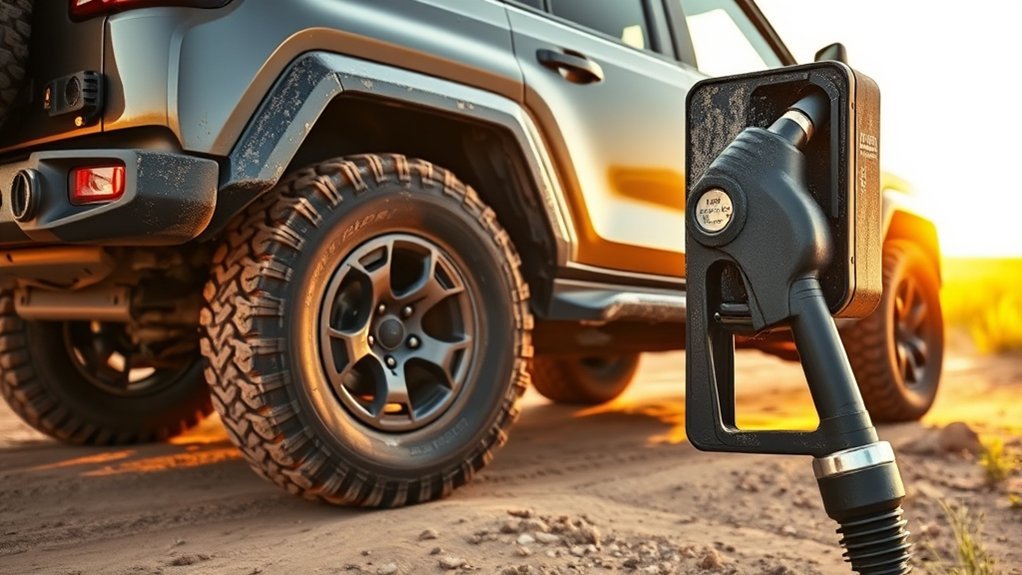
Yes, 4 Wheel Drive does use more gas because it powers all four wheels, which adds extra weight and mechanical resistance. This means your engine works harder, especially on dry, paved roads where 4WD isn’t really needed.
To save fuel, you should only switch to 4WD in slippery or rough conditions, then switch back to 2WD when the road is stable. If you want to learn how to get the best mileage while using 4WD, keep exploring these smart strategies.
Key Takeaways
- Engaging 4WD increases fuel consumption by powering all four wheels instead of two, adding mechanical workload.
- 4WD systems add weight and drivetrain friction, reducing fuel efficiency compared to 2WD.
- Using 4WD unnecessarily on dry, paved roads causes a noticeable drop in miles per gallon.
- Fuel loss from 4WD is balanced by improved traction and safety in snow, mud, or rough terrain.
- Best fuel economy occurs by switching to 4WD only when needed and reverting to 2WD on stable surfaces.
Does 4WD Really Use More Gas?
How much more gas does 4WD really use? When you engage four-wheel drive, your vehicle sends power to all four wheels instead of just two. This extra mechanical work can lead to increased fuel consumption, but the difference isn’t always huge.
If you’re driving on dry pavement and using 4WD unnecessarily, yes, you’ll likely see a noticeable drop in miles per gallon. However, when conditions demand it, like on snow or rough terrain, the fuel cost might be worth the improved traction and safety.
Modern vehicles with advanced 4WD systems often optimize power delivery, minimizing wasted energy. So, while 4WD can use more gas than 2WD, how much more depends on your driving conditions and how often you engage the system.
Why Using 4WD Sometimes Means More Fuel
While 4WD offers better traction when you need it, it also demands more energy from your engine. Engaging 4WD means your engine has to power all four wheels instead of just two, increasing the mechanical workload. This extra effort requires more fuel to maintain speed and torque.
Additionally, 4WD systems typically add weight to your vehicle, making your engine work harder. The drivetrain components create more friction and resistance, which also reduces fuel efficiency.
When you use 4WD unnecessarily on dry or smooth roads, you’re essentially asking your vehicle to do more work than needed, leading to higher gas consumption. So, while 4WD improves control and safety in tough conditions, it can cause your fuel economy to take a hit when you don’t really need it.
When’s the Best Time to Turn On 4WD to Save Gas?
When should you engage 4WD to keep fuel use in check? You should switch to four-wheel drive only when conditions demand it, like on slippery roads, loose gravel, snow, or mud. Using 4WD on dry, paved surfaces increases drivetrain resistance and fuel consumption unnecessarily.
Engage 4WD just before you hit challenging terrain to avoid wasting gas. Once you’re back on a stable, dry road, switch back to 2WD to save fuel.
Avoid leaving 4WD on all the time; it adds weight and mechanical drag, cutting your mileage. By timing your 4WD use precisely, you’ll get the traction you need without sacrificing efficiency.
Staying mindful about when to turn it on helps you balance control and fuel economy effectively.
Easy Tips to Get Better Mileage With 4WD
Wondering how to squeeze more miles out of your 4WD vehicle without sacrificing performance? Start by engaging 4WD only when necessary. Using it on dry pavement wastes fuel.
Maximize your 4WD mileage by using it only when needed—avoid engaging it on dry pavement.
Keep your tires properly inflated; underinflated tires increase rolling resistance and lower mileage. Regularly maintain your vehicle, including timely oil changes and air filter replacements, to ensure efficient operation.
Drive smoothly by avoiding rapid acceleration and hard braking, which drain gas quickly. Remove excess weight and unnecessary roof racks to reduce drag and improve fuel economy.
Lastly, plan your trips to avoid heavy traffic and idling, as stop-and-go driving uses more fuel. By following these simple steps, you’ll enjoy the benefits of 4WD while keeping your fuel consumption in check.
Frequently Asked Questions
How Does 4WD Affect Vehicle Handling in Different Terrains?
Four-wheel drive improves your vehicle’s handling on slippery or rough terrains by distributing power to all wheels, giving you better traction and control.
On dry pavement, it can feel less responsive and might cause slight understeer.
What Maintenance Is Required for a 4WD System?
You’ll need to regularly check and change the transfer case fluid, inspect the differential oils, and assure your drive shafts and CV joints are in good shape.
Don’t forget to test the 4WD engagement system occasionally.
Can 4WD Improve Vehicle Safety in Adverse Weather?
Like a knight’s armor in battle, 4WD boosts your safety in bad weather by improving traction and control.
You’ll feel more confident traversing slippery roads, helping you avoid skids and stay firmly on your path.
How Does 4WD Impact Tire Wear?
Four-wheel drive can increase tire wear if you use it on dry pavement because it causes more friction.
You’ll want to switch to two-wheel drive when conditions are good to help your tires last longer.
Are There Different Types of 4WD Systems?
Imagine switching gears like choosing hiking trails. Yes, you’ve got part-time, full-time, and automatic 4WD systems. Each suits different terrains, so you can tackle mud, snow, or rocky paths with confidence and control.
Conclusion
When you switch on 4WD, imagine your truck’s engine working a bit harder, like a runner pushing uphill—it uses more fuel to gain that extra grip. But don’t worry, turning it on only when you really need it keeps your gas tank happy.
Picture yourself cruising smoothly on dry roads, saving every drop of fuel, then confidently flipping on 4WD only when the terrain demands it.
That’s how you get the best mileage without sacrificing control. So, does 4 wheel drive use more gas? Yes, but using it wisely helps you balance fuel efficiency and performance.