Does Diesel Fuel Evaporate
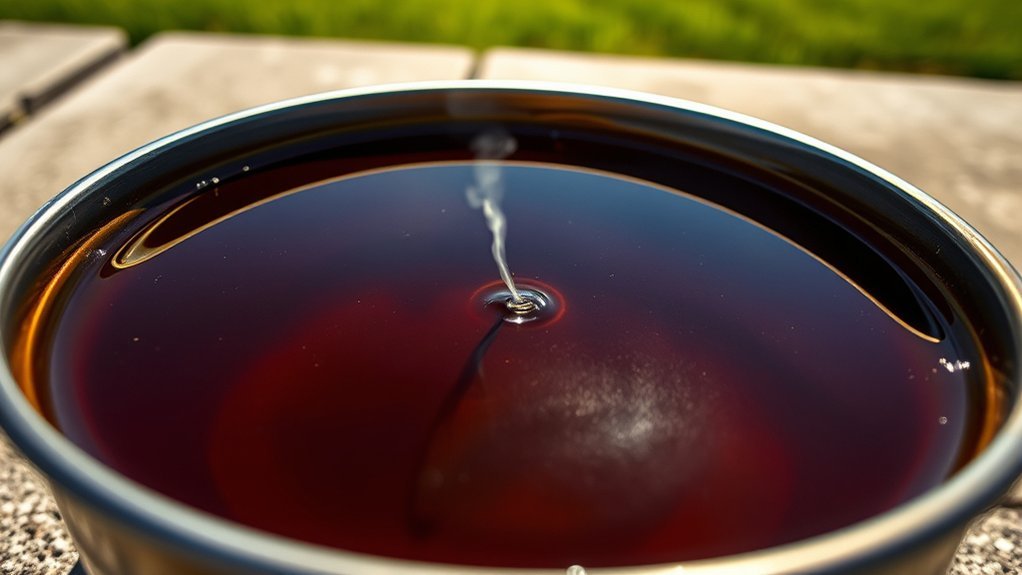
Yes, diesel fuel does evaporate, but it happens much more slowly than gasoline because its heavier hydrocarbon chains have higher boiling points and lower vapor pressure. You’ll notice diesel can remain liquid for days after a spill, unlike gasoline vapors that form quickly.
Temperature speeds up evaporation, so keeping diesel cool helps minimize loss. Knowing how evaporation affects storage, safety, and the environment can help you manage diesel fuel more effectively.
Key Takeaways
- Diesel fuel evaporates much more slowly than gasoline due to its heavier hydrocarbons and higher boiling points.
- Diesel’s lower vapor pressure means it has less tendency to vaporize at normal temperatures.
- Higher temperatures accelerate diesel evaporation, but it still evaporates slower than lighter fuels.
- Diesel can remain liquid for days after a spill because of its slow evaporation rate.
- Proper storage in cool, sealed containers helps minimize diesel evaporation and preserve fuel quality.
What Diesel Fuel Is Made Of and Why It Matters for Evaporation
What exactly makes diesel fuel different from other fuels, and how does that affect its evaporation? Diesel is made up of longer hydrocarbon chains compared to gasoline. These chains are heavier and have a higher boiling point.
Because of this, diesel doesn’t evaporate as easily or as quickly. You’ll notice diesel’s chemical makeup includes compounds that are less volatile, meaning they resist turning into vapor at normal temperatures. This composition influences how diesel behaves, especially regarding evaporation.
When you handle diesel, you’ll see it tends to stay liquid longer, which impacts storage and safety considerations. Understanding these differences helps you appreciate why diesel fuel behaves uniquely compared to lighter fuels, setting the stage for how it evaporates under various conditions.
Does Diesel Fuel Evaporate? How Fast Compared to Gasoline?
How quickly diesel fuel evaporates compared to gasoline depends largely on their chemical differences. Diesel contains heavier hydrocarbons with higher boiling points, so it evaporates much more slowly than gasoline.
When you spill gasoline, it quickly turns into vapor due to its lighter molecules and lower boiling range, often within minutes or hours. Diesel, on the other hand, can linger as a liquid for days because its molecules require more energy to break free into the air.
This slower evaporation means diesel poses a different set of risks, like longer-lasting spills and odors. So, if you’re handling these fuels, remember that gasoline evaporates fast and diesel hangs around, influencing how you manage spills and storage safety.
How Temperature Affects Diesel Fuel Evaporation
Temperature plays an essential role in determining how quickly diesel fuel evaporates. When you increase the temperature, diesel molecules gain energy, making it easier for them to escape into the air as vapor.
So, on hot days, you’ll notice diesel evaporates faster compared to cooler conditions. Conversely, lower temperatures slow this process down because the molecules have less energy to break free from the liquid state.
However, even at higher temperatures, diesel evaporates much slower than gasoline due to its chemical makeup. If you’re storing diesel, keeping it in a cool, shaded place helps minimize evaporation.
Understanding this temperature relationship helps you manage fuel storage better and reduces waste caused by evaporation in warm environments.
Vapor Pressure and Diesel Fuel Evaporation Explained
You might wonder what role vapor pressure plays in diesel fuel evaporation. Vapor pressure determines how easily diesel molecules escape into the air, and it changes with factors like temperature and fuel composition.
Understanding this helps you see why diesel evaporates slower than more volatile fuels.
Diesel Fuel Vapor Pressure
Why does diesel fuel evaporate more slowly than gasoline? It comes down to vapor pressure. Vapor pressure measures how readily a liquid turns into vapor.
Diesel fuel has a much lower vapor pressure compared to gasoline, meaning it doesn’t vaporize as easily at normal temperatures. When you expose diesel to air, fewer molecules escape into the gas phase, so evaporation happens slowly.
This low vapor pressure also makes diesel less prone to forming flammable vapors, which is why it’s safer to handle in many cases. Understanding diesel’s vapor pressure helps you realize why spills don’t evaporate quickly and why diesel engines require different fuel system designs than gasoline engines.
Factors Affecting Evaporation
How quickly diesel fuel evaporates depends on several key factors beyond just vapor pressure. Temperature plays a major role. Higher temperatures increase evaporation rates by giving fuel molecules more energy to escape into the air.
Airflow also matters. When air moves over the diesel surface, it carries away vapor molecules, speeding evaporation. Surface area affects how much fuel is exposed to air; the larger the area, the faster it evaporates.
Humidity can slow evaporation since moist air holds less additional vapor. Lastly, diesel’s composition influences evaporation. Lighter hydrocarbons evaporate faster than heavier ones.
Understanding these factors helps you manage diesel storage and minimize fuel loss effectively.
Diesel Evaporation’s Impact on Storage and Shelf Life
You need to understand how factors like temperature and container type affect diesel evaporation during storage. These conditions directly influence the fuel’s shelf life and quality over time.
Let’s explore how you can prevent evaporation losses to keep your diesel fresh longer.
Factors Affecting Diesel Evaporation
When does diesel fuel start to lose its quality during storage? Several factors influence how quickly diesel evaporates and degrades. You need to understand these to manage your fuel effectively. Temperature plays a big role. Higher heat speeds up evaporation and chemical changes.
Air exposure causes oxidation, which breaks down the fuel. The fuel’s composition, including additives and sulfur content, also affects evaporation rates. Additionally, the size and material of your storage container impact how much diesel evaporates.
Finally, the fuel’s age matters; older diesel tends to evaporate more readily.
Key factors affecting diesel evaporation:
- Ambient temperature
- Exposure to air and oxygen
- Diesel fuel formulation and additives
- Storage container type and size
- Fuel age and previous handling conditions
Storage Conditions And Shelf Life
Understanding the factors that speed up diesel evaporation helps you create better storage conditions to extend its shelf life. You should store diesel fuel in tightly sealed containers to minimize exposure to air, which accelerates evaporation.
Keep the fuel in a cool, shaded area to reduce temperature fluctuations that increase vapor loss. Avoid storing diesel near heat sources or in direct sunlight, as higher temperatures speed up evaporation and degrade fuel quality.
Proper storage also means using containers made from materials that don’t react with diesel, preventing contamination. While diesel evaporates slowly compared to gasoline, improper storage can shorten its effectiveness over time.
Preventing Evaporation Losses
How can you effectively prevent diesel evaporation losses to protect your fuel’s quality and longevity? Start by minimizing your fuel’s exposure to air and high temperatures, which accelerate evaporation.
You should store diesel in tightly sealed, opaque containers placed in cool, shaded areas to reduce heat and light exposure. Regularly inspect your storage tanks for leaks or damage that might increase evaporation risk.
Additionally, consider using vapor recovery systems in large storage setups to capture evaporated fuel. Finally, avoid storing diesel for extended periods without rotation to maintain freshness.
- Use airtight, sealed containers
- Store diesel in cool, shaded locations
- Inspect storage tanks frequently
- Employ vapor recovery systems when possible
- Rotate stock to prevent long-term storage losses
Why Diesel Fuel Evaporation Matters for Safety
Why should you care about diesel fuel evaporation in terms of safety? When diesel evaporates, it releases vapors that can accumulate and pose fire hazards, especially in confined spaces. These vapors are flammable and can ignite if exposed to sparks or open flames, putting you and others at risk.
Additionally, evaporated diesel fuel can create slippery surfaces, increasing the chances of accidents. You also need to be aware that inhaling diesel vapors can irritate your respiratory system and cause dizziness or headaches.
Handling and storing diesel properly minimizes evaporation, reducing these safety risks. By understanding why diesel fuel evaporation matters, you can take the right precautions to protect yourself, your workplace, and the people around you from potential harm.
Environmental Effects of Diesel Fuel Evaporation
Besides safety concerns, diesel fuel evaporation also impacts the environment in several ways. When diesel evaporates, it releases volatile organic compounds (VOCs) into the atmosphere, contributing to air pollution. These emissions can lead to smog formation and harm local air quality.
Diesel evaporation releases VOCs that worsen air pollution and contribute to harmful smog formation.
You should also consider how evaporated diesel affects ecosystems, as VOCs can deposit onto soil and water, disrupting plant and aquatic life. Additionally, evaporated diesel contributes to greenhouse gas emissions, accelerating climate change.
Here’s what you need to know about its environmental effects:
- Increases ground-level ozone, worsening smog.
- Pollutes soil and water through chemical deposition.
- Harms plants and aquatic organisms.
- Contributes to greenhouse gas buildup.
- Affects human health via poor air quality.
Understanding these impacts helps you appreciate why controlling diesel evaporation is crucial.
Tips to Reduce Diesel Fuel Evaporation During Storage
To keep your diesel fuel from evaporating, choose containers that seal tightly and are designed for fuel storage. Store them in cool, shaded areas to minimize heat exposure.
These simple steps help maintain fuel quality and reduce evaporation losses.
Proper Container Selection
How you store diesel fuel plays an essential role in minimizing evaporation. Choosing the right container helps keep your fuel fresh and reduces losses. You want containers that seal tightly and resist corrosion, so the fuel stays protected from air and moisture.
When selecting a container, consider these tips:
- Use containers made from materials compatible with diesel, like high-density polyethylene or metal with proper coatings.
- Ensure the container has a secure, airtight cap or lid to prevent vapor escape.
- Avoid containers with vents or weak seals that allow air exchange.
- Choose containers sized appropriately to minimize empty space, reducing air exposure.
- Select containers designed for fuel storage, meeting safety and regulatory standards.
These steps help maintain diesel quality and reduce evaporation effectively.
Optimal Storage Conditions
Choosing the right container sets the foundation for preserving your diesel fuel, but storage conditions also play a big role in reducing evaporation. Keep your fuel in a cool, shaded area to minimize temperature fluctuations, which accelerate evaporation.
Ensure containers are tightly sealed to prevent air exposure. Avoid direct sunlight and humidity, as they degrade fuel quality and boost evaporation rates.
| Condition | Recommendation | Benefit |
|---|---|---|
| Temperature | Store below 77°F (25°C) | Slows evaporation |
| Light Exposure | Keep in dark place | Prevents fuel breakdown |
| Container Seal | Use airtight caps | Minimizes air contact |
| Humidity | Store in dry area | Reduces moisture ingress |
Following these tips keeps your diesel fuel fresh and minimizes loss.
How Additives Affect Diesel Fuel Evaporation
Why do additives matter when it comes to diesel fuel evaporation? Additives can significantly influence how diesel behaves, including its evaporation rate. When you add specific chemicals, they can either slow evaporation or help maintain fuel stability.
Understanding these effects is crucial to preserving diesel quality during storage.
Additives affect evaporation by:
Additives influence evaporation by reducing volatility, enhancing stability, and preventing moisture and microbial issues.
- Reducing volatility, which lowers evaporation loss
- Enhancing fuel stability to prevent breakdown
- Minimizing moisture accumulation that can alter evaporation
- Improving cold flow properties without increasing evaporation
- Acting as biocides to prevent microbial growth that affects fuel quality
Common Myths About Diesel Fuel Evaporation
When you hear that diesel fuel evaporates quickly like gasoline, it’s easy to believe, but is that really true? One common myth is that diesel evaporates just as fast, but diesel actually has a much higher boiling point and evaporates much slower.
Another myth is that diesel’s smell means it’s evaporating rapidly; in reality, the odor comes from specific compounds, not evaporation rate. Some also think that diesel evaporation causes fuel loss in storage, but evaporation is minimal compared to leaks or spills.
Lastly, many assume additives can stop evaporation completely, but they only slow it down. Understanding these myths helps you handle diesel fuel more safely and effectively, without overestimating evaporation risks.
Frequently Asked Questions
Can Evaporated Diesel Fuel Be Recycled or Recovered?
Yes, you can recover evaporated diesel fuel through condensation or specialized recovery systems. However, the process may not fully restore fuel quality, so you should test and treat it before reuse to guarantee safety and performance.
Does Diesel Fuel Evaporation Affect Engine Performance?
Yes, diesel fuel evaporation can affect your engine’s performance by reducing fuel volume and altering the fuel-air mixture. You’ll notice harder starts, rough idling, or decreased efficiency if evaporation occurs frequently or fuel is improperly stored.
How Does Diesel Fuel Evaporation Differ in Winter Versus Summer?
You might think diesel evaporates equally year-round, but in winter, it evaporates slower due to cold temperatures, while in summer, heat speeds up evaporation.
Are There Regulations on Diesel Fuel Evaporation Emissions?
Yes, you’ll find regulations limiting diesel fuel evaporation emissions, like those from the EPA and CARB. They set standards to reduce volatile organic compounds, helping you comply with environmental laws and minimize pollution effectively.
Can Diesel Fuel Evaporation Cause Health Issues if Inhaled?
Inhaling diesel fumes is like breathing in a smoky fog; it can irritate your lungs, cause headaches, dizziness, and long-term exposure may harm your nervous system.
Conclusion
When it comes to diesel fuel evaporation, you should remember that “slow and steady wins the race.” Diesel evaporates much slower than gasoline due to its chemical makeup and lower vapor pressure.
While temperature plays a role, proper storage and additives can help you minimize evaporation and extend shelf life. By understanding these factors, you’ll protect your fuel’s quality and reduce environmental impact.
Keeping your diesel engine running smoothly depends on managing diesel fuel evaporation effectively.