How to Put Air in a Tire
To put air in your tire, first remove the valve cap from the tire’s stem. This step is essential to access the valve and allow airflow. Attach your air compressor or portable inflator nozzle tightly to create a good seal.
Add air in short bursts while pressing the nozzle firmly and listening for airflow. Check the tire’s firmness or use a pressure gauge to avoid overinflation. Once the tire reaches the recommended PSI, carefully remove the nozzle and replace the valve cap.
Keep going to uncover tips for proper pressure maintenance and safety. Properly inflating your tires ensures better performance and extends their lifespan.
Key Takeaways
- Remove the valve cap from the tire’s valve stem before starting inflation.
- Press the air pump nozzle firmly onto the valve stem to create a tight seal.
- Add air in short bursts while frequently checking tire firmness with a gauge.
- Stop inflating when tire pressure matches the vehicle’s recommended PSI.
- Replace the valve cap securely after inflation to protect the valve from dirt and moisture.
How to Add Air to Your Tire: Step by Step
Wondering how to add air to your tire without hassle? First, remove the valve cap from your tire’s valve stem. Next, take the air hose and firmly press the nozzle onto the valve stem to create a tight seal.
You’ll hear air flowing in as you activate the pump. Keep the nozzle in place and add air in short bursts, checking the tire’s firmness as you go. When you feel the tire is firm enough, release the nozzle carefully to avoid air loss.
Finally, screw the valve cap back on to protect the valve from dirt and debris. By following these simple steps, you can quickly and efficiently add air to your tire without any trouble.
How to Check Tire Pressure Before Adding Air
How do you know when your tire needs more air? The best way is to check its pressure regularly. First, find the recommended tire pressure for your vehicle, usually listed on a sticker inside the driver’s door or in the owner’s manual.
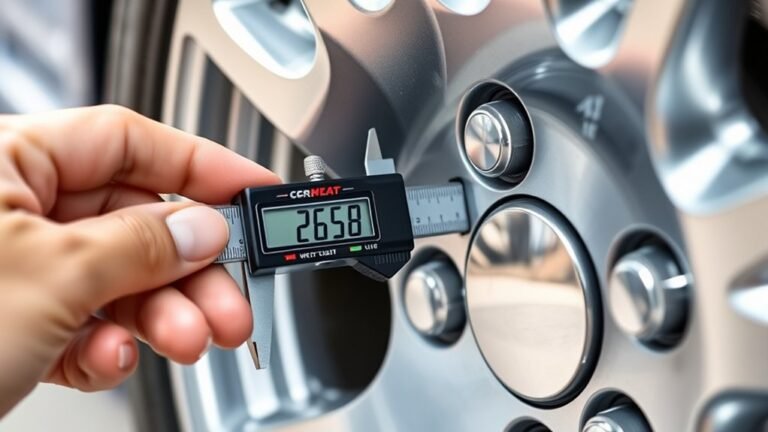
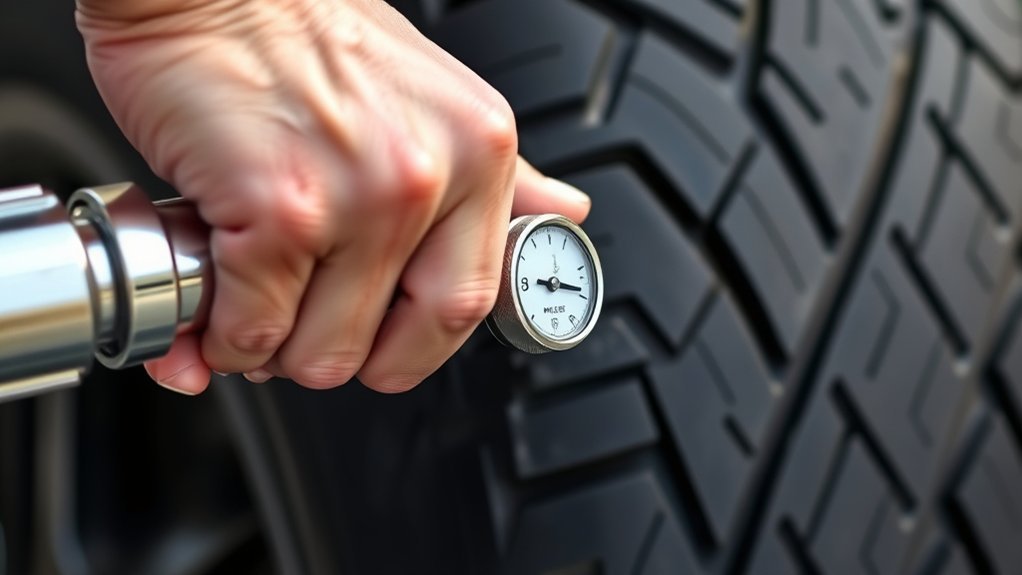
Next, remove the valve cap from the tire and press a tire pressure gauge firmly onto the valve stem. The gauge will give you a reading in PSI (pounds per square inch). Compare this number to the recommended pressure. If it’s lower, your tire needs air.
Be sure to check the pressure when the tires are cold, as driving heats them up and can give an inaccurate reading. This simple step ensures you add the right amount of air for safe driving.
Tools You Need to Inflate Your Tire
Once you’ve determined your tire needs more air, gathering the right tools makes the process quick and straightforward. First, you’ll need an air compressor or a portable tire inflator, which provides the airflow required to fill the tire.
Determining your tire needs air? Grab an air compressor or portable inflator to get the job done quickly.
If you’re at home, a stationary air compressor works well; on the road, a compact, battery-powered inflator is handy. Next, have a tire pressure gauge ready to measure the pressure before and after inflation.
Many portable inflators come with a built-in gauge, but a separate one ensures accuracy. Additionally, keep the valve stem cap from your tire nearby. It protects the valve and should be replaced after inflation.
With these tools in hand, you’re set to add air efficiently and safely to your tire.
How to Tell When Your Tire Is Properly Inflated
Knowing when your tire is properly inflated is essential for safety and performance. First, use a reliable tire pressure gauge to check the pressure. Remove the valve cap, press the gauge firmly onto the valve stem, and read the measurement.
Compare it to the recommended pressure listed in your vehicle’s owner manual or on the sticker inside the driver’s side door. If the pressure matches the recommended level, your tire is properly inflated.
Avoid relying on visual checks alone, as tires can look fine but still have incorrect pressure. Overinflated or underinflated tires can affect handling, fuel efficiency, and tire wear.
Once you confirm the pressure is right, replace the valve cap securely to keep dirt and moisture out.
Tips for Maintaining Proper Tire Pressure Over Time
Why should you regularly maintain proper tire pressure? It keeps you safe, improves fuel efficiency, and extends tire life. Over time, tires naturally lose air, so checking them monthly is essential.
Use a reliable gauge and inflate tires to the manufacturer’s recommended pressure, found in your owner’s manual or on the door jamb.
To stay motivated, consider this:
| Action | Benefit |
|---|---|
| Check pressure monthly | Avoid unexpected flats |
| Inflate to recommended psi | Improve gas mileage |
| Inspect tires visually | Catch wear early |
| Use quality air source | Ensure accurate inflation |
| Keep a maintenance log | Track pressure trends |
Following these simple steps helps you drive confidently and save money in the long run.
Frequently Asked Questions
What Causes Tire Pressure to Drop Quickly?
You’re losing tire pressure quickly because of leaks, punctures, valve stem issues, or temperature changes. Driving on rough roads or hitting potholes can also cause sudden drops.
Check for damage and fix it promptly.
Can I Put Air in a Tire Without a Gauge?
You can put air in a tire without a gauge, but it’s risky. You won’t know the exact pressure, which might cause over- or under-inflation.
It’s best to use a gauge for safety and proper performance.
How Often Should I Check Tire Pressure?
You should check your tire pressure at least once a month, or it could feel like your tires are as flat as pancakes in a rainstorm!
Also, check before long trips or when temperature changes drastically.
Does Temperature Affect Tire Pressure?
Yes, temperature definitely affects tire pressure. As it gets colder, the air inside your tires contracts, lowering pressure.
When it’s warmer, air expands, increasing pressure. So, you should check tire pressure regularly with changing seasons.
What Is the Safest Tire Pressure for Winter Driving?
You should keep your tire pressure at the manufacturer’s recommended level, usually found on the door jamb. Cold weather lowers pressure, so check it regularly to ensure safe traction and handling during winter driving conditions.
Conclusion
Now that you know how to add air to your tire, keeping it properly inflated is easier than ever. Did you know that underinflated tires can reduce fuel efficiency by up to 3%?
By regularly checking your tire pressure and adding air when needed, you’ll not only improve your car’s performance but also save money at the pump. Make it a habit—you’ll drive safer and smarter every time.
Proper tire maintenance, including how to put air in a tire, is key to ensuring your vehicle runs efficiently and safely on the road.