How to Check Tire Pressure
You should check your tire pressure when the tires are cold, using a reliable gauge. Checking tire pressure regularly is essential for safety and vehicle performance. Find the recommended pressure on your driver’s door jamb or owner’s manual, not the sidewall.
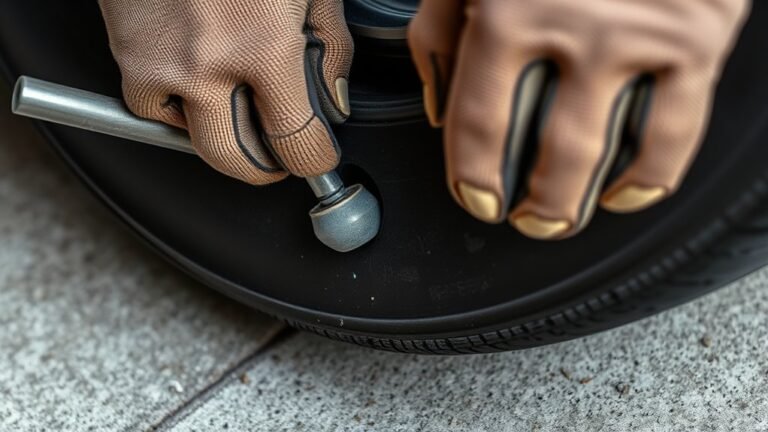
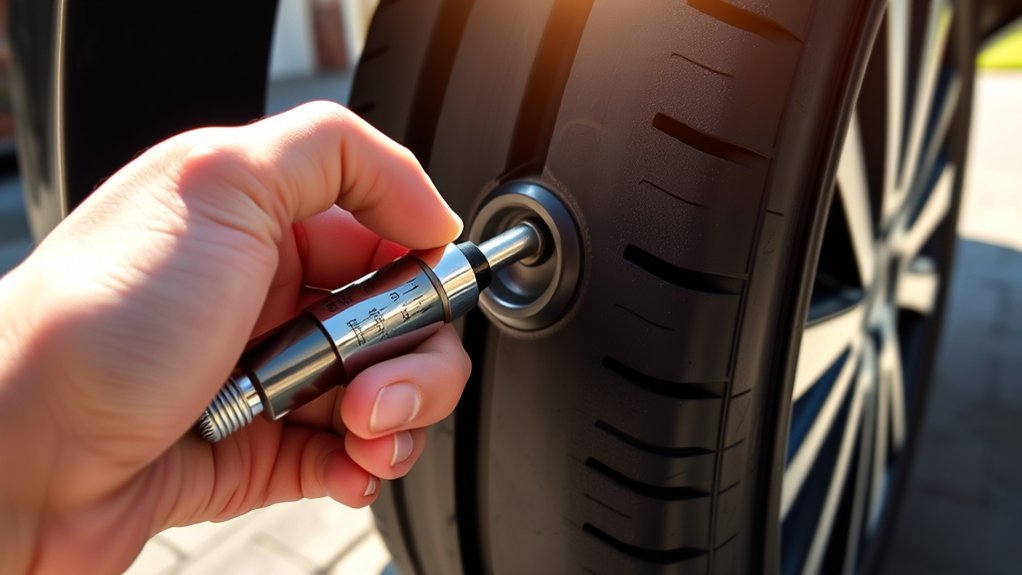
Remove the valve cap, press the gauge on the valve stem, and read the measurement. Adjust air pressure as needed—add air if low or release air if overinflated. Replace valve caps afterward.
Checking regularly keeps you safe, improves fuel efficiency, and extends tire life. Keep following for simple tips and detailed steps.
Key Takeaways
- Locate the recommended tire pressure on the driver’s side door jamb or owner’s manual before checking.
- Use a reliable tire pressure gauge on cold tires, removing the valve cap and pressing the gauge onto the valve stem.
- Read the pressure immediately, then repeat for all tires, including the spare if available.
- Adjust pressure by adding air in short bursts or releasing air slowly if overinflated.
- Recheck pressure after adjustments, then replace valve caps to protect the valve from dirt and moisture.
Why Tire Pressure Matters for Safety and Gas Mileage
Proper tire pressure is essential because it directly affects your vehicle’s safety and fuel efficiency. When your tires are underinflated, they create more rolling resistance, which means your engine has to work harder and burns more fuel. This not only wastes gas but also increases your carbon footprint.
On the safety side, low tire pressure reduces your tires’ grip on the road, making it easier to lose control, especially in wet or slippery conditions. Overinflated tires, on other hand, can wear unevenly and increase the risk of a blowout.
Keeping your tires properly inflated ensures you have better handling, shorter stopping distances, and improved fuel economy, saving you money and keeping you safe every time you drive.
How to Find Your Vehicle’s Recommended Tire Pressure
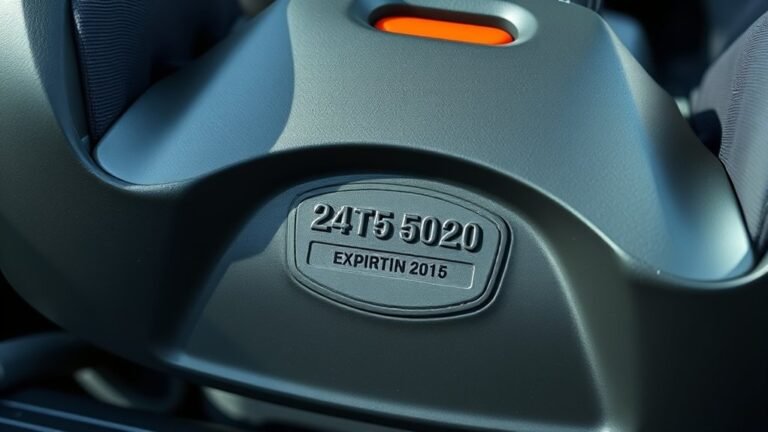
Where can you find the ideal tire pressure for your vehicle? Start by checking the driver’s side door jamb. You’ll find a sticker listing the recommended tire pressures for the front and rear tires.
This sticker provides the manufacturer’s precise specifications to keep your ride safe and efficient. If the sticker’s missing or unreadable, your owner’s manual is the next best source. It includes detailed information about tire pressure tailored to your specific model.
Avoid relying on the numbers printed on the tire sidewalls. They show the maximum pressure, not the recommended pressure. By following the recommended tire pressure, you ensure optimal handling, tire wear, and fuel economy. Make it a habit to verify these numbers before you check your tires.
Best Tools to Check Tire Pressure Easily
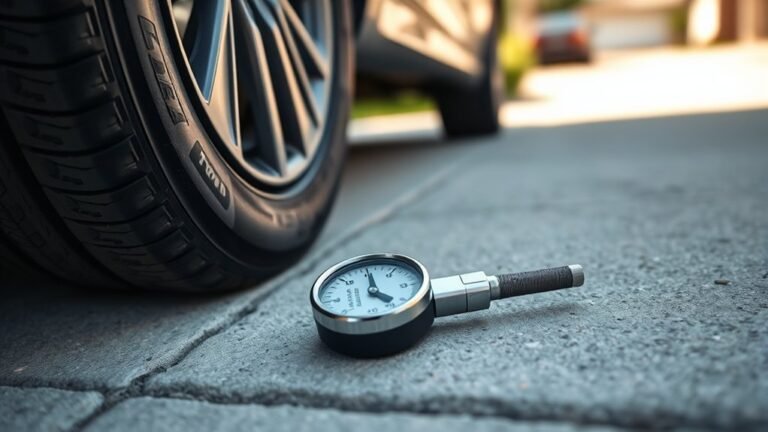
You’ll want the right tool to check your tire pressure quickly and accurately. Digital gauges offer easy-to-read displays, while analog gauges are simple and reliable.
Portable tire pressure tools make it convenient to check your tires anywhere, anytime.
Digital vs Analog Gauges
How do you decide between digital and analog tire pressure gauges? Both types get the job done, but your choice depends on what you value most. Digital gauges offer quick, easy-to-read displays, so you can check pressure in a snap. Analog gauges, meanwhile, are durable and don’t rely on batteries, making them reliable long-term.
Consider these points when choosing:
- Digital gauges provide precise readings with a backlit display for low-light use.
- Analog gauges are often more affordable and have simple, mechanical parts.
- Digital models can store previous readings for tracking tire health over time.
- Analog gauges tend to be bulkier but are less prone to damage from drops.
Pick the gauge that fits your routine and preferences best.
Portable Tire Pressure Tools
Choosing between digital and analog gauges is just the start. Having the right portable tire pressure tool makes checking your tires even easier. Compact tire pressure gauges fit in your glove box or pocket, so you can quickly check your tires anywhere.
Digital gauges offer quick, accurate readings with a clear display, while analog gauges don’t need batteries and tend to be more durable. For convenience, consider a portable air compressor with a built-in gauge; it lets you both check and adjust pressure on the spot.
Some models even have rechargeable batteries and LED lights for nighttime use. Whichever tool you pick, portability ensures you won’t skip tire checks, helping maintain safety and improve fuel efficiency on every drive.
When Should You Check Your Tire Pressure?
You should check your tire pressure before long trips to assure safety and efficiency. Make it a habit to inspect them at least once a month for regular maintenance.
Also, check your tires during temperature changes, as pressure can fluctuate with the weather.
Before Long Trips
When’s the best time to check your tire pressure before hitting the road for a long trip? You want to make sure your tires are properly inflated to avoid issues like poor handling, decreased fuel efficiency, or even blowouts. Here’s when to check:
- Before you pack your car, so you can adjust pressure with the added weight in mind.
- After the vehicle has been parked for a few hours, ensuring tires are cold for an accurate reading.
- Right before you leave, as a final safety check.
- If you notice a change in handling or ride quality during your trip, stop and recheck.
Checking at these times helps keep your trip safe and smooth, letting you focus on the journey ahead.
Monthly Routine Checks
How often should you check your tire pressure to keep your vehicle running safely and efficiently? Aim to check it at least once a month. Tires naturally lose air over time, so monthly checks help you catch any slow leaks or pressure drops before they become a problem.
Make it part of your routine, like when you fill up with gas or clean your car. Always check when the tires are cold for the most accurate reading. Keeping your tires properly inflated improves fuel efficiency, extends tire life, and warrants better handling.
Don’t rely solely on the warning light; it only comes on when pressure is dangerously low. Staying proactive with monthly checks helps you avoid unexpected issues and keeps your drive smooth and safe.
During Temperature Changes
Monthly checks keep your tires in good shape, but changes in temperature demand extra attention. When the weather shifts significantly, tire pressure can drop or rise, affecting your vehicle’s safety and performance.
You should check your tire pressure:
- After a temperature swing of 10°F or more
- Before long trips during seasonal changes
- When you notice your vehicle feels off while driving
- If your tire pressure warning light comes on
Cold air contracts, lowering pressure, while heat expands it, increasing pressure. Checking at these times ensures your tires maintain optimal grip and wear evenly.
Keep a reliable pressure gauge handy, and always check tires when they’re cold for the most accurate reading. This habit will help you stay safe and extend your tires’ lifespan during temperature fluctuations.
How to Check Your Tire Pressure Step by Step
Wondering how to keep your tires in top shape? Start by finding your car’s recommended tire pressure, usually listed on a sticker inside the driver’s door. Next, grab a reliable tire pressure gauge.
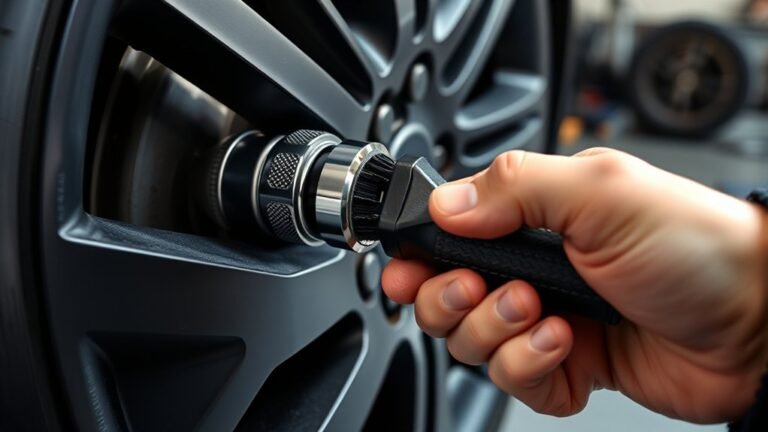
Make sure your tires are cold. Checking pressure after driving can give inaccurate readings. Remove the valve cap from the tire and press the gauge firmly onto the valve stem.
Read the pressure measurement on the gauge immediately. Repeat this for all four tires, including the spare if your vehicle has one. After checking, screw the valve caps back on to protect the valves.
If you notice any tires are under or overinflated, plan to adjust them soon. Regular checks help extend tire life and improve safety and fuel efficiency.
How to Read and Understand Tire Pressure Gauge Results
When you check your tire pressure, you’ll want to know exactly what those numbers mean. The gauge reading tells you the current pressure inside the tire, measured in PSI (pounds per square inch).
To interpret it correctly:
- Compare the reading to your vehicle’s recommended PSI, usually found on the driver’s door jamb or owner’s manual.
- Understand that too low pressure can cause poor handling, while too high pressure may lead to uneven tire wear.
- Check if the gauge needle or digital display stabilizes before noting the number.
- Remember, temperature affects pressure readings; check when tires are cold for accuracy.
How to Fix Low or High Tire Pressure
How do you correct tire pressure once you’ve identified it as too low or too high? If the pressure is too low, find an air compressor at a gas station or use a portable inflator. Remove the valve cap, press the hose fitting onto the valve stem, and add air in short bursts.
Frequently check the pressure with your gauge to avoid overinflation. If the tire pressure is too high, press the small metal pin inside the valve stem with a tool or your fingernail to release air slowly. Recheck the pressure often until it reaches the recommended level.
Always replace the valve cap when finished to protect the valve from dirt and moisture. Properly adjusting tire pressure ensures better handling, fuel efficiency, and tire longevity.
How Often Should You Check and Adjust Tire Pressure?
Why should you check your tire pressure regularly? Keeping your tires at the right pressure ensures safety, improves fuel efficiency, and prolongs tire life. You should make it a habit to check and adjust your tire pressure often, especially under certain conditions.
Regular tire pressure checks boost safety, fuel efficiency, and tire longevity—make it a routine habit.
Here’s when you should check:
- At least once a month, as tire pressure naturally decreases over time
- Before long trips, to avoid unexpected issues on the road
- When there’s a noticeable change in temperature, since cold air lowers pressure
- After hitting potholes or curbs, which can cause sudden pressure loss
Tips for Keeping Your Tire Pressure Just Right
Wondering how to keep your tire pressure spot-on? Start by checking it monthly and before long trips. Use a reliable tire pressure gauge when the tires are cold for the most accurate reading. Don’t forget to check the spare tire, too.
Adjust the pressure to match the manufacturer’s recommended levels found in your vehicle’s manual or on the driver’s side door jamb. Avoid overinflating or underinflating, as both can cause uneven tire wear and affect handling.
Keep a portable air compressor in your car for quick adjustments. Finally, pay attention to changes in temperature, since cold weather lowers tire pressure. By staying consistent with these simple habits, you’ll improve safety, fuel efficiency, and tire longevity.
Frequently Asked Questions
Can Tire Pressure Affect Tire Wear Unevenly?
Yes, tire pressure can cause uneven tire wear. If your tires are underinflated or overinflated, certain areas wear out faster, reducing tire life and affecting your vehicle’s handling and safety.
Keep pressure balanced regularly.
How Does Altitude Impact Tire Pressure Readings?
Altitude affects tire pressure because air pressure decreases as you go higher. You’ll notice your tire pressure reads lower at high elevations, so you should adjust it accordingly to maintain proper inflation and safe driving conditions.
Are There Smartphone Apps to Monitor Tire Pressure?
You know what they say, “An ounce of prevention is worth a pound of cure.” Yes, you can use smartphone apps paired with TPMS sensors to monitor tire pressure in real-time, helping you stay safe and save money effortlessly.
Can Overinflated Tires Cause Damage to the Suspension?
Yes, overinflated tires can damage your suspension by causing a harsher ride and putting extra stress on suspension components. You’ll want to keep your tire pressure within the recommended range to avoid costly repairs and maintain comfort.
Does Tire Pressure Vary Between Summer and Winter Tires?
Yes, tire pressure can vary between summer and winter tires because winter tires often require slightly higher pressure for better traction and performance in cold conditions.
You should always check your vehicle’s recommended pressure for each season.
Conclusion
Keeping your tire pressure in check is like giving your car a steady heartbeat—crucial for safety and fuel efficiency. By regularly using a reliable gauge and knowing your vehicle’s recommended pressure, you’ll avoid unexpected flats and improve gas mileage.
Make it a habit to check your tires monthly or before long trips. With these simple steps, you’ll keep your ride smooth, safe, and ready to hit the road without a hitch.
Regularly checking tire pressure is key to maintaining your vehicle’s performance and safety.