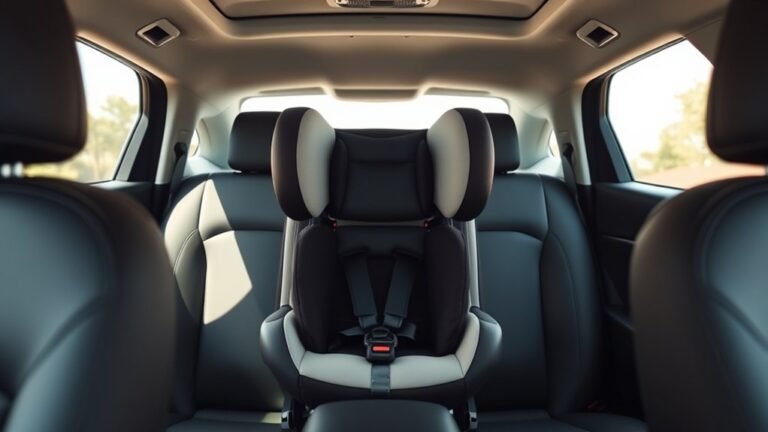

What Age for Forward Facing Car Seat
You should keep your child rear-facing at least until they’re 2 years old or until they outgrow the car seat’s height or weight limits. When deciding the age for a forward facing car seat, it’s important to remember that rear-facing provides better protection for their head and spine in a crash.
Only switch to forward-facing when your child has steady head control, can sit upright, and fits securely in the new seat with proper harness and tethering. Following these guidelines helps keep your child safe as they grow.
There’s more to consider for timing and laws ahead to ensure you are fully compliant and prioritizing your child’s safety.
When Is the Right Age to Switch to a Forward-Facing Car Seat?
When should you switch your child to a forward-facing car seat? The right time depends on your child’s age, weight, and height, but primarily on safety considerations. Experts agree that children should remain in a rear-facing seat as long as possible, usually until at least 2 years old or until they reach the maximum size limit set by the car seat manufacturer.
This ensures an age-appropriate future transition, prioritizing spinal and head protection during crashes. Switching too early can compromise these protections. You must also consider your child’s developmental milestones and physical growth rather than just age alone.
Always check the car seat’s guidelines and your local laws to make informed decisions that align with proven safety standards.
What Experts Recommend for Forward-Facing Car Seats
Understanding the right moment to move your child into a forward-facing car seat sets the stage for following expert recommendations that enhance safety. Experts emphasize adhering to child seat regulations, which often prioritize rear facing limits to maximize protection during early years. Moving too soon can increase injury risks, so it’s crucial to respect these guidelines.
Here’s what experts advise:
- Keep your child rear-facing until they reach the upper weight or height limits allowed by the car seat.
- Transition only when your child surpasses rear facing limits, ensuring the forward-facing seat fits securely.
- Always install the forward-facing seat with a harness and tether system to reduce movement during impact.
Timing for Forward-Facing Car Seats Based on Weight and Height
How do you determine the right time to switch your child to a forward-facing car seat? It’s essential to follow age benchmarks alongside weight guidelines to ensure safety. Most experts recommend waiting until your child reaches at least 2 years old, but weight and height are equally critical.
Your child must meet the minimum weight and height requirements specified by the car seat manufacturer.
| Age Benchmarks | Weight Guidelines |
|---|---|
| Minimum 2 years | Typically 20-40 lbs |
| Up to 4 years | Depends on height |
| Follow seat specs | Height 30-40 inches |
Always prioritize your child’s physical growth over age alone. Ensuring your child fits correctly in the seat will maximize protection during travel.
Signs Your Child Is Ready to Face Forward
You can tell your child is ready to face forward by observing key physical and developmental signs alongside age and weight guidelines. Before switching, ensure your child can support their head steadily and sit upright without assistance. They should also have outgrown the rear-facing height or weight limits.
Monitoring these signs helps maintain safety standards and aligns with broader safety practices like helmet safety and playground rules discussions.
Look for these indicators:
Observe steady head control, proper seating posture, and outgrown rear-facing limits before switching forward.
- Consistent head and neck control during rides
- Ability to remain seated properly without slouching
- Reaching or exceeding your car seat’s rear-facing height or weight limits
Recognizing these signs ensures you make a safe transition, protecting your child during travel while reinforcing essential safety principles applicable beyond the car seat.
Forward-Facing Car Seat Laws by Age and Size
When should you transition your child to a forward-facing car seat according to the law? Regulations vary by state, but generally, children must remain rear-facing until at least age 2 or until they reach the maximum height and weight limits of their rear-facing seat.
Laws then require you to use a forward-facing car seat with a harness until your child achieves the car seat maturity necessary, usually around ages 4 to 7, depending on size. Pay close attention to your child’s height and weight, as these factors dictate when you can safely move to the booster transition.
Booster seats are designed for children who have outgrown forward-facing seats but still need extra support for proper seat belt fit. Always follow your state’s specific guidelines to ensure optimal safety.
Frequently Asked Questions
How Do I Install a Forward-Facing Car Seat Correctly?
You’ll start by reading your car seat manual for forward facing basics. Secure the seat using the seat belt or LATCH system tightly.
Ensure the harness fits snugly, and the top tether is anchored correctly.
Can a Forward-Facing Car Seat Be Used on an Airplane?
Yes, you can use a forward-facing car seat during plane travel if it’s FAA-approved. Check airline safety guidelines beforehand, secure the seat properly, and guarantee it fits the airplane seat for your child’s protection.
What Are the Safest Car Seat Brands for Forward-Facing Use?
You’ll find Britax, Graco, and Chicco leading in safety features. Their brand comparisons highlight superior side-impact protection and easy installation,
ensuring your forward-facing car seat keeps your child secure and comfortable on every trip.
How Long Should a Child Remain in a Forward-Facing Car Seat?
You’ll want to keep your little adventurer in a forward-facing car seat until they outgrow the car seat weight limit or reach the recommended child height. This guarantees their safety while they explore the world with confidence.
Are Booster Seats Necessary After Forward-Facing Car Seats?
Yes, booster necessity depends on your child’s size and seat belt fit. You’ll need a booster seat until the seat belt fits properly across the chest and hips, ensuring maximum safety during car rides.
Conclusion
You might worry your child is ready for a forward-facing seat as soon as they hit a certain age, but remember, safety depends on more than age alone. Always check your child’s weight and height against the seat’s limits before making the switch.
Following expert guidelines ensures your child stays protected during every ride. By waiting until they truly meet all criteria, you’re giving them the safest journey possible when it comes to what age for forward facing car seat.