
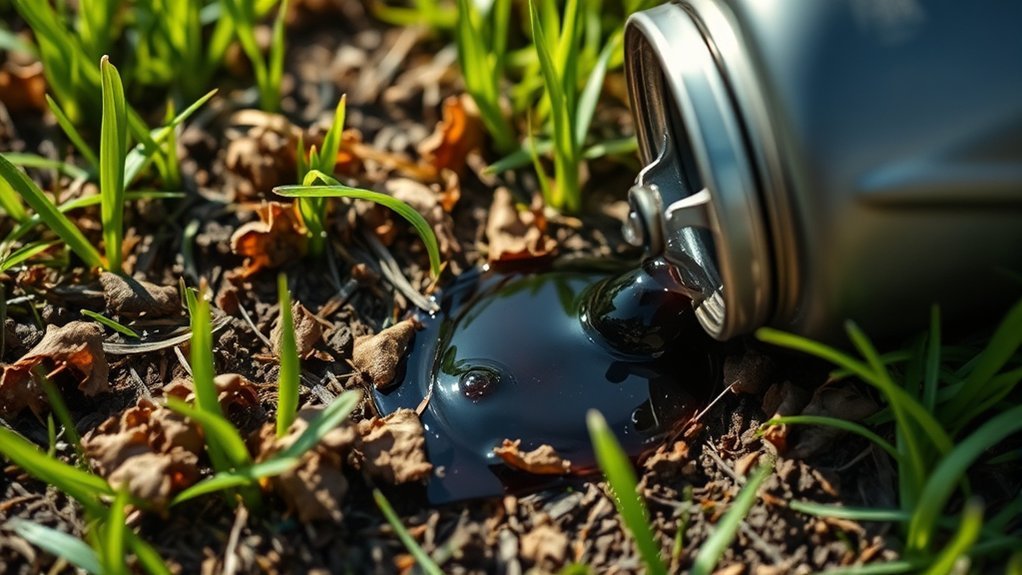
Can Diesel Fuel Kill Weeds
You can kill some weeds with diesel fuel since it suffocates plants and disrupts water absorption, working best on young or small weeds.
However, diesel fuel is unreliable because roots may survive, causing regrowth.
It also harms soil health by killing beneficial microbes.
Plus, diesel poses environmental risks and legal issues due to its toxicity and flammability.
If you want to explore safer, more effective weed control methods and learn how to protect your garden, keep going for details.
Key Takeaways
- Diesel fuel can kill some weeds by suffocating plants and disrupting water absorption but is unreliable for complete weed control.
- It works faster on young or small weeds, while established weeds often resist diesel treatment.
- Diesel may not kill roots completely, allowing weeds to regrow after initial dieback.
- Using diesel risks soil contamination, harming beneficial microbes and potentially damaging desirable plants.
- Safer, approved alternatives like vinegar-based herbicides and boiling water are recommended over diesel for weed control.
Effectiveness of Diesel Fuel as a Weed Killer
How well does diesel fuel work as a weed killer? You might find that diesel fuel can kill some weeds, but it’s not the most reliable or safe option. It acts as a herbicide by suffocating the plants and disrupting their ability to absorb water.
However, it doesn’t always kill the roots completely, so some weeds might grow back. You’ll notice quicker results on smaller or younger weeds, but established ones may resist the effects.
Diesel fuel can also be highly flammable and toxic, posing risks to you and the environment. If you’re considering it, be aware that its effectiveness varies widely and it’s generally better to use products designed specifically for weed control to achieve consistent results without unwanted side effects.
What Diesel Fuel Does to Your Soil and Plants
While diesel fuel might kill some weeds on contact, it can also cause lasting damage to your soil and nearby plants. When diesel seeps into the ground, it disrupts the natural balance of microorganisms essential for healthy soil.
Without these microbes, your soil loses fertility, making it harder for plants to thrive. Diesel’s toxic compounds can linger, poisoning roots and stunting growth in plants you want to keep.
If you apply diesel fuel carelessly, it might harm flowers, shrubs, or vegetables around the treated area. Plus, contaminated soil can remain unhealthy for months or even years, limiting what you can grow.
Environmental Risks of Using Diesel Fuel on Weeds
What happens to the environment when you use diesel fuel to kill weeds? Diesel seeps into the soil, contaminating it and harming beneficial microorganisms essential for healthy plant growth.
When you apply diesel, it doesn’t just target weeds. It risks poisoning nearby plants and disrupting local ecosystems. Rain can carry diesel residues into waterways, putting aquatic life in danger and polluting drinking water sources.
Using diesel also contributes to air pollution through volatile organic compounds released during application. Over time, these environmental impacts accumulate, degrading soil quality and biodiversity.
If you’re looking to control weeds, consider safer alternatives that protect your garden and local environment instead of causing lasting harm with diesel fuel.
Personal and Legal Safety Concerns When Applying Diesel Fuel
Beyond the environmental damage, using diesel fuel to kill weeds poses significant personal and legal risks. You put yourself at risk of skin irritation, respiratory issues, and long-term health problems from prolonged exposure to toxic fumes and chemicals.
Diesel is highly flammable, so applying it without proper precautions increases the chance of accidental fires or explosions. Legally, many regions ban using diesel as a herbicide because it contaminates soil and groundwater.
If you apply diesel fuel illegally, you could face hefty fines or legal action. Always check local regulations before considering diesel for weed control. Protect yourself by wearing gloves, masks, and eye protection, and avoid inhaling fumes.
Prioritize safer, approved methods to manage weeds and stay within the law.
Using Diesel Fuel for Weed Control
How exactly do people use diesel fuel to tackle weed problems? Typically, you apply diesel fuel directly onto the leaves of unwanted weeds, usually with a spray bottle or a brush. The fuel works by suffocating the plant and disrupting its ability to photosynthesize, which eventually kills it.
You should target young, actively growing weeds for the best results, as mature plants may be more resistant. It’s important to apply diesel fuel carefully to avoid harming desirable plants or soil health.
Many users combine diesel with other methods like manual removal for more effective control. Remember, this method is quick and inexpensive but requires caution due to diesel’s toxicity and environmental risks. Always wear protective gear and apply only where necessary.
When to Avoid Diesel Fuel and Call a Professional
You should avoid using diesel fuel if you’re near desirable plants or in areas with strict environmental regulations. When weeds are extensive or in sensitive locations, it’s safer to call a professional who knows how to handle these hazards.
Don’t risk damage or legal trouble by tackling tough weed problems on your own.
Hazardous Situations Warning
Although diesel fuel can kill weeds in some cases, you should avoid using it in certain hazardous situations to prevent harm to yourself, others, and the environment. Be cautious and don’t take risks when:
- You’re near water sources like ponds, streams, or wells, as diesel can contaminate water and harm aquatic life.
- You’re working close to buildings or wooden structures since diesel is flammable and could cause fires or damage.
- You’re handling large areas or dense vegetation without proper protective gear, increasing the risk of skin irritation or inhalation of harmful fumes.
In these cases, it’s safer to choose alternative weed control methods or seek advice to avoid accidents or long-term damage. Your safety and the environment’s health should always come first.
When Experts Are Needed
When should you avoid using diesel fuel for weed control and call a professional instead? If you’re dealing with large weed infestations, sensitive plants nearby, or uncertain soil conditions, it’s best to seek expert help. Professionals can assess risks and use safer, more effective methods.
Also, if local regulations restrict diesel use for herbicidal purposes, a specialist’s advice is essential to avoid legal trouble.
| Situation | Why Call a Professional |
|---|---|
| Large infestation | Requires specialized, large-scale control |
| Proximity to desirable plants | Prevents accidental damage |
| Soil contamination concerns | Ensures safe soil management |
| Legal restrictions | Avoids fines and complies with laws |
When in doubt, choosing professional guidance keeps your property safe and your weeds controlled effectively.
Safer and More Effective Alternatives to Diesel Fuel
Finding effective ways to control weeds without harming the environment has become a priority for many gardeners and farmers. Instead of using diesel fuel, which poses risks, you can choose safer and more effective alternatives.
Here are three options to consider:
- Vinegar-based herbicides: These natural solutions work by breaking down plant cell membranes, effectively killing weeds without leaving harmful residues.
- Boiling water: Pouring boiling water directly onto weeds is a simple, chemical-free method that scalds and kills unwanted plants.
- Corn gluten meal: This natural pre-emergent prevents weed seeds from germinating, offering long-term control without toxicity.
Tips for Preventing Weeds Without Harsh Chemicals
You can prevent weeds without turning to harsh chemicals by focusing on natural methods that support your garden’s health. Improving your soil and using mulch not only keep weeds at bay but also nourish your plants.
Let’s explore simple tips that make your garden thrive while staying chemical-free.
Natural Weed Prevention Methods
How can you keep weeds at bay without resorting to harsh chemicals? You can rely on natural weed prevention methods that are both effective and eco-friendly. Start by focusing on these three strategies:
- Mulching: Apply a thick layer of organic mulch around your plants. It blocks sunlight, preventing weed seeds from sprouting and retains soil moisture.
- Manual Removal: Regularly pull weeds by hand or use a hoe to remove young weeds before they establish deep roots.
- Dense Planting: Plant ground covers or dense crops to compete with weeds for nutrients and space, reducing their chances to grow.
Soil Health Improvement Tips
Why does healthy soil matter when it comes to keeping weeds under control? When your soil is rich and balanced, it supports strong, competitive plants that naturally crowd out weeds.
You can improve soil health by regularly adding organic matter like compost or aged manure, which boosts nutrients and encourages beneficial microbes. Avoid over-tilling; it disrupts soil structure and can bring weed seeds to the surface.
Rotate crops or plant cover crops to keep soil fertile and less hospitable to weeds. Also, maintain proper soil pH by testing regularly and adjusting as needed, so your plants thrive and outcompete unwanted growth.
Mulching Benefits For Gardens
Where can you find an effective, natural way to keep weeds at bay while enriching your garden? Mulching offers a simple solution that benefits both your plants and soil.
By applying a layer of organic material over your garden beds, you create a barrier that discourages weed growth without harsh chemicals.
Here are three key benefits of mulching:
- Suppresses Weeds: Mulch blocks sunlight, preventing weed seeds from germinating.
- Retains Moisture: It keeps soil moist longer, reducing the need for frequent watering.
- Improves Soil Health: As mulch breaks down, it adds nutrients and improves soil structure.
Frequently Asked Questions
How Long Does Diesel Fuel Take to Kill Weeds?
Diesel fuel usually takes a few days to start killing weeds, but you’ll see full results within one to two weeks.
Be careful applying it, as it can harm surrounding plants and soil health.
Can Diesel Fuel Harm Pets or Wildlife in the Area?
Yes, diesel fuel can harm pets and wildlife around your yard. It’s toxic if ingested or absorbed through the skin, so you shouldn’t use it near animals or where they might come into contact with it.
Is Diesel Fuel Flammable When Used for Weed Control?
Like a dragon’s breath, diesel fuel is highly flammable when used for weed control.
You shouldn’t light it near plants or structures, or you risk sparking dangerous fires that can quickly get out of control.
How Should Diesel Fuel Be Stored Safely at Home?
You should store diesel fuel in a well-ventilated, cool area away from flames or sparks. Use approved containers, keep them tightly sealed, and place them out of children’s reach to assure safety at home.
Can Diesel Fuel Be Mixed With Other Herbicides for Better Results?
You wouldn’t mix fire and water to cook, right? Similarly, you shouldn’t blend diesel fuel with herbicides. It can backfire, harming plants and soil.
Stick to recommended herbicides alone for safer, more effective weed control results.
Conclusion
You might think diesel fuel is a quick, cheap way to kill weeds, but it can harm your soil, plants, and the environment. Using diesel can disrupt the natural balance of your garden, making it harder for desirable plants to thrive.
Instead, try safer, more effective alternatives like vinegar or mulch that protect your garden’s health. These options target weeds without causing long-term damage to your soil or surrounding plants.
If weeds get out of hand, don’t hesitate to call a professional. Taking these steps helps you maintain a healthy yard without risking lasting harm.
You’ll save time and keep your space green and safe by avoiding diesel fuel to kill weeds.