What Is Wheel Backspacing
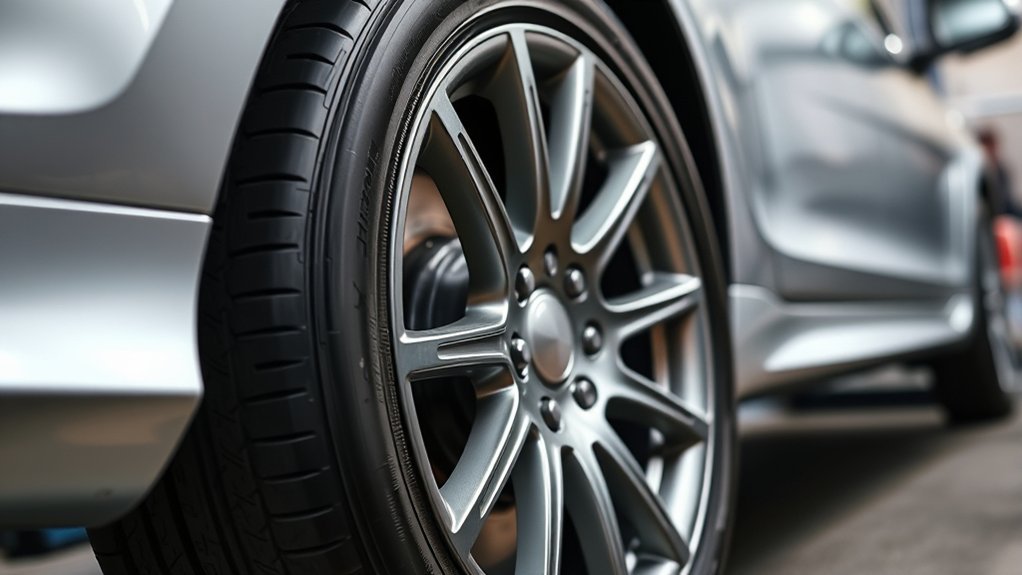
Wheel backspacing is the distance from your wheel’s mounting surface to its back edge, essential for ensuring the wheels fit properly inside your vehicle’s wheel wells. This measurement is crucial for maintaining proper clearance and preventing your tires from rubbing against suspension parts or fenders.
It also influences your vehicle’s handling and alignment. If your backspacing is off, you could experience steering issues or uneven tire wear.
Getting this measurement right is key to both safety and performance. There’s plenty more to explore about how it works and why it matters.
Key Takeaways
- Wheel backspacing is the distance from the wheel mounting surface to the back edge of the wheel.
- It determines how the wheel fits within the wheel well and affects clearance from suspension components.
- Proper backspacing prevents tires from rubbing fenders or suspension parts, ensuring safe fitment.
- Incorrect backspacing can cause steering issues, uneven tire wear, and poor handling.
- Backspacing helps position wheels correctly for alignment, stability, and overall vehicle safety.
What Is Wheel Backspacing and Why It’s Critical for Your Vehicle
Why does wheel backspacing matter for your vehicle? Because it directly affects how your wheels fit within the wheel wells, influencing clearance and handling. Wheel backspacing is the distance from the mounting surface of the wheel to the back edge of the wheel.
When you understand this measurement, you can avoid issues like tires rubbing against suspension components or fenders. If the backspacing is too large or too small for your vehicle, it can cause steering problems or uneven tire wear.
Getting the right backspacing ensures your wheels sit correctly, maintaining proper alignment and safety. So, paying attention to wheel backspacing helps you choose wheels that fit perfectly, keeping your vehicle stable and your ride smooth.
Backspacing vs. Offset: What’s the Difference?
You might be wondering how backspacing and offset differ and why both matter for your wheels. They measure wheel fitment from different points, affecting how your wheels sit on your vehicle.
Understanding these distinctions helps you choose the right setup to avoid clearance issues.
Definition Comparison
Understanding the difference between backspacing and offset is essential when selecting the right wheels for your vehicle. Both terms describe how the wheel sits in relation to the hub, but they’re not the same.
- Backspacing measures the distance from the wheel’s mounting surface to the inside edge of the wheel. It tells you how far the wheel sits inward toward the suspension.
- Offset is the distance from the wheel’s centerline to the mounting surface. It can be positive, negative, or zero, affecting how the wheel aligns with the fender.
- While backspacing focuses on the inner clearance, offset impacts the wheel’s outward appearance and fitment.
Knowing these definitions helps you avoid clearance issues and ensures proper wheel positioning.
Measurement Methods
Both backspacing and offset deal with how the wheel aligns with the vehicle, but they use different measurement methods. Backspacing measures the distance from the mounting surface of the wheel to the inner edge of the wheel’s back lip. You measure this by placing a ruler or tape against the mounting surface and measuring straight back to the inner edge.
Offset, on the other hand, is the distance from the wheel’s centerline to the mounting surface. It can be positive, negative, or zero. Positive offset means the mounting surface is toward the front, while negative means it’s toward the back. You’ll find offset measured in millimeters, whereas backspacing is usually in inches. Understanding these methods helps you pick the right wheel for your ride.
Impact On Fitment
How does backspacing versus offset affect your wheel’s fitment on a vehicle? Understanding both helps you avoid clearance issues and ensures proper alignment. Here’s what you should consider:
- Tire Clearance: Backspacing measures the distance from the mounting surface to the inner wheel edge, while offset is the distance from the hub centerline. Too much backspacing can push wheels inward, causing tire rub on suspension parts.
- Appearance and Stance: Offset impacts how far your wheel sticks out or tucks in, affecting your vehicle’s look and track width.
- Handling and Performance: Incorrect fitment due to mismatched backspacing or offset can alter suspension geometry, affecting steering response and tire wear.
Knowing both helps you pick wheels that fit safely and perform well on your ride.
How to Measure Wheel Backspacing at Home
Measuring wheel backspacing at home is simpler than you might think. You’ll just need a few basic tools like a ruler and a flat surface to get started.
Follow these easy steps to guarantee you get an accurate measurement.
Tools Needed
Getting an accurate wheel backspacing measurement requires just a few simple tools you likely already have at home. Before you start, gather the essentials to make the process smooth and precise.
Here’s what you’ll need:
- Tape measure or ruler to measure the distance accurately from the mounting surface to the wheel’s back edge.
- Straight edge or ruler to ensure you measure in a straight line and avoid any angle errors.
- Marker or pencil to mark reference points on the wheel for consistent measurements.
With these tools ready, you’ll be set to measure your wheel backspacing accurately without any guesswork. Having the right equipment helps ensure your measurements are reliable and easy to replicate.
Step-by-Step Process
With your tools laid out, you can now take precise steps to measure your wheel backspacing. First, place your wheel face-up on a flat surface.
Next, lay a straight edge across the back of the wheel, ensuring it touches the wheel’s mounting surface. Then, use your ruler or tape measure to determine the distance from the straight edge down to the mounting surface. This is your backspacing measurement.
Make sure the straight edge is perfectly level for accuracy. Repeat this process a couple of times to confirm consistency.
How to Choose the Right Backspacing Based on Fit and Performance
How do you determine the right backspacing for your wheels? Start by considering your vehicle’s clearance needs. You want enough space to avoid rubbing against suspension parts or the fender.
Next, think about the wheel’s position relative to the hub, which affects handling and appearance. To choose the right backspacing:
- Measure existing backspacing on your current wheels to understand your baseline.
- Match backspacing to tire size and width, ensuring the wheel sits properly within the wheel well.
- Consult manufacturer guidelines or experts for recommendations specific to your vehicle model.
Choosing the right backspacing ensures your wheels fit correctly and support optimal performance without causing damage or alignment issues.
How Wheel Backspacing Affects Your Vehicle’s Fit and Handling
Selecting the right backspacing doesn’t just affect whether your wheels fit. It also influences how your vehicle handles on the road.
When your wheels have too much backspacing, they sit further inward, which can reduce your vehicle’s track width. This often leads to less stability during cornering and a tighter turning radius.
On the other hand, too little backspacing pushes the wheels outward, increasing the track width but potentially causing rubbing against fenders or suspension components.
Proper backspacing helps maintain ideal clearance and balance, ensuring your tires contact the road evenly. This balance directly impacts steering responsiveness, ride comfort, and overall control.
Common Wheel Backspacing Mistakes and How to Avoid Them
Even experienced enthusiasts can slip up when selecting wheel backspacing, leading to fitment issues or compromised handling. To avoid common mistakes, focus on these key points:
1. Ignoring Manufacturer Specs
Don’t assume any wheel fits your vehicle. Always check your car’s recommended backspacing to ensure proper clearance.
2. Overlooking Suspension and Brake Clearance
Make sure the backspacing doesn’t cause the wheel to rub against suspension components or brake calipers. Rubbing can damage parts or reduce performance.
3. Neglecting Tire Width Impact
Wider tires need different backspacing to prevent rubbing on fenders or inner wheel wells. Adjust backspacing accordingly for tire size changes.
Frequently Asked Questions
Can Wheel Backspacing Affect Tire Wear?
Yes, wheel backspacing can affect tire wear. If it’s off, your tires might wear unevenly or prematurely.
You’ll want to guarantee proper backspacing to keep your tires balanced and extend their lifespan.
Does Backspacing Impact Fuel Efficiency?
Yes, backspacing can impact fuel efficiency. If your wheels stick out too far or sit too far in, it changes aerodynamics and rolling resistance, making your engine work harder and lowering your miles per gallon.
Are There Specific Tools for Professional Backspacing Measurement?
Yes, you’ll find professional backspacing tools like wheel spacers, calipers, and specialized measuring gauges. These tools help you get precise measurements for proper wheel fitment, ensuring safety and optimal vehicle performance.
How Does Backspacing Relate to Wheel Width?
Backspacing relates to wheel width by determining how far the mounting surface sits from the wheel’s inner edge. You’d think it’s rocket science, but it simply affects fitment and clearance inside your wheel well.
Can Incorrect Backspacing Cause Suspension Damage?
Yes, incorrect backspacing can cause suspension damage. If your wheels sit too far in or out, they stress suspension components, affecting alignment and causing premature wear.
You’ll want to ensure proper backspacing for safe, smooth driving.
Conclusion
Now that you know what wheel backspacing is and why it matters, you’re better equipped to choose wheels that fit and perform perfectly. Did you know that even a 1/4-inch change in backspacing can notably affect your vehicle’s handling and tire wear?
That’s why getting it right isn’t just about looks—it’s about safety and performance too. Take the time to measure carefully, and avoid common mistakes for a smoother, safer ride.
In conclusion, understanding wheel backspacing is essential for maintaining optimal vehicle performance and safety.