
How Do You Fuel a Hydrogen Car
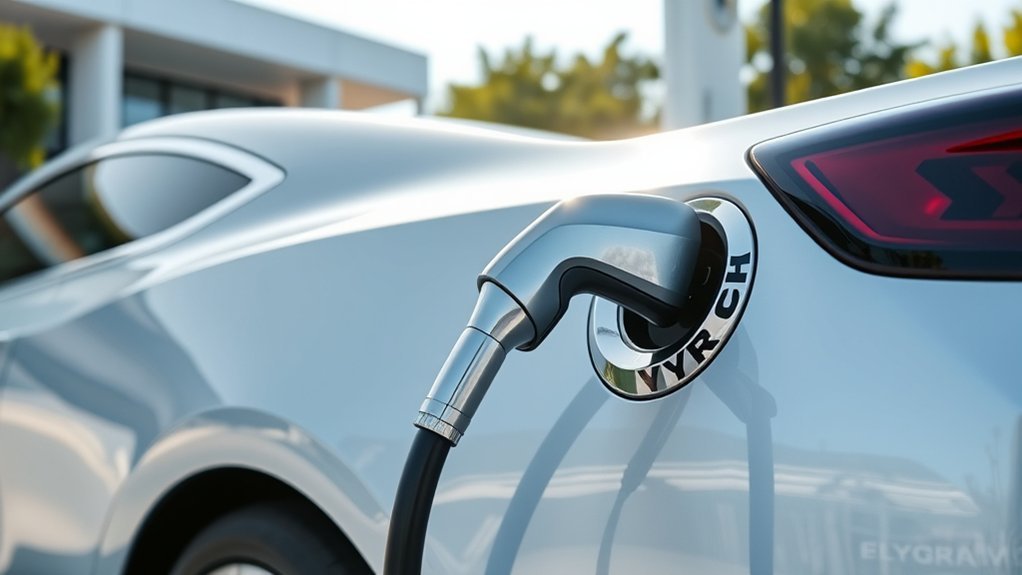
To fuel your hydrogen car, you connect a specialized high-pressure nozzle to the fueling port, much like a gas pump.
Compressed hydrogen quickly fills your car’s storage tank at around 700 bar, and the nozzle automatically stops once full.
This fast process takes about 3 to 5 minutes, letting you get back on the road with clean energy.
If you want, you can explore what makes this fueling method unique and how station locations, costs, and safety measures come into play.
Key Takeaways
- Connect the hydrogen nozzle securely to the car’s fueling port, similar to using a gasoline pump.
- The station pumps compressed hydrogen gas at around 700 bar (10,000 psi) into the car’s high-pressure storage tank.
- Specialized nozzles with automatic locking and leak-proof seals ensure safe and efficient fueling.
- Fueling typically takes 3 to 5 minutes, with the nozzle automatically stopping when the tank is full.
- After fueling, disconnect the nozzle and you’re ready to drive with clean hydrogen energy.
How Does Fueling a Hydrogen Car Work?
How exactly do you fuel a hydrogen car? You start by connecting the hydrogen nozzle to your car’s fueling port, much like you would with a gasoline pump. Once securely attached, the station pumps compressed hydrogen gas into your car’s storage tank.
Fueling a hydrogen car is as simple as connecting the nozzle and filling the tank with compressed gas.
This process happens quickly, usually within five minutes. The car’s tank is specially designed to hold hydrogen at very high pressure, ensuring you get enough fuel for a decent driving range.
You don’t have to worry about spills or flames because hydrogen fueling systems have strict safety measures. After filling, the nozzle automatically stops, and you simply disconnect it.
Then, you’re ready to hit the road with clean energy powering your vehicle.
What Equipment Is Needed for Hydrogen Refueling?
What kind of equipment do you need to refuel a hydrogen car safely and efficiently? First, you’ll need a hydrogen dispenser, similar to a gas pump but designed to handle high-pressure hydrogen gas. This dispenser connects to your car’s hydrogen tank via a specialized nozzle with a secure, leak-proof seal.
The nozzle uses automatic locking mechanisms to guarantee a safe connection during fueling. Additionally, the refueling station includes compressors to pressurize the hydrogen to around 700 bar (10,000 psi) for storage in your car’s tank.
Cooling systems are also essential to manage the temperature rise caused by rapid gas compression, preventing overheating. Finally, safety sensors and emergency shut-off valves monitor for leaks or malfunctions, protecting both you and the environment during the refueling process.
How Long Does It Take to Fill a Hydrogen Tank?
Wondering about the time it takes to fill a hydrogen tank? Typically, refueling a hydrogen car is quick. You can expect it to take around 3 to 5 minutes. This speed rivals filling up a conventional gasoline vehicle, so you won’t be waiting long.
The process involves connecting the nozzle to the car’s tank, where hydrogen gas is compressed and transferred at high pressure. The fueling system carefully controls this to ensure safety and efficiency.
Factors like the station’s equipment and the tank’s capacity can cause slight variations in time, but overall, the experience is designed to be fast and convenient. So, when you stop at a hydrogen station, you can fuel up and get back on the road almost immediately.
Where Can You Find Hydrogen Fueling Stations?
You’ll find hydrogen fueling stations mostly in specific regions where infrastructure is more developed, like California and parts of Europe. Since these stations aren’t everywhere yet, it’s important to check their availability before you hit the road.
Luckily, there are apps that help you locate the nearest hydrogen stations quickly and easily.
Hydrogen Station Locations
Where can you find hydrogen fueling stations for your car? These stations are strategically located to support hydrogen vehicle drivers, often near major highways, urban centers, and places with high vehicle traffic.
You’ll typically spot them in states or regions that have invested in hydrogen infrastructure, such as California in the U.S. Each station features specialized equipment to safely dispense hydrogen fuel quickly.
Since the network is still growing, you won’t find as many stations as gas or electric charging stations, so planning your route is essential. Many apps and online maps let you check station locations and availability in real time.
Regional Station Availability
Hydrogen fueling stations aren’t evenly spread across the country, so knowing their regional availability helps you plan better. Currently, California leads with the highest concentration, making it the easiest place to fuel your hydrogen car.
Other states like New York and Massachusetts have limited stations, mostly clustered in urban areas. Here’s what to keep in mind:
- California: Over 50 stations mainly in major cities and along highways.
- Northeast Corridor: A growing but sparse network connecting Boston, New York, and Washington D.C.
- Other Regions: Few to no stations, requiring careful trip planning or alternative fueling options.
Understanding this helps you avoid range anxiety and ensures you can refuel conveniently on your routes.
Apps for Finding Stations
Wondering how to quickly locate a nearby fueling station when you’re on the road? Several apps make finding hydrogen fueling stations easy and efficient. These apps provide real-time updates, directions, and station status to keep your trip smooth.
You just enter your location, and the app shows the nearest stations, saving you time and hassle.
Here’s a quick comparison of popular apps for finding hydrogen stations:
| App Name | Key Features |
|---|---|
| H2Stations | Real-time status, route planner |
| Fuel Finder | User reviews, nearby amenities |
| PlugShare | Multi-fuel types, community tips |
| Hydrogen Map | Coverage in US, Canada |
| Open Charge Map | Global database, open-source |
Using these apps, you’ll never struggle to find hydrogen fuel again.
What Safety Measures Are Involved in Hydrogen Refueling?
When you refuel a hydrogen car, safety systems like leak detection quickly spot any issues to keep you protected. Stations are equipped with emergency shutdown procedures that activate instantly if something goes wrong.
These measures guarantee your refueling experience stays safe and smooth.
Leak Detection Systems
How can you be sure that fueling your car with hydrogen is safe? Leak detection systems play a crucial role in ensuring safety during refueling. These systems continuously monitor the environment for any hydrogen leaks, alerting you and operators to potential dangers immediately.
Here’s how they work:
- Sensors: Specialized hydrogen sensors detect even the smallest concentrations of gas in the air around the fueling station.
- Alarm Systems: If a leak is detected, alarms sound to warn you and stop fueling instantly.
- Automatic Ventilation: The system activates ventilation fans to disperse hydrogen quickly, preventing accumulation and reducing fire risks.
With these measures, you can confidently fuel your hydrogen car knowing safety is a top priority.
Emergency Shutdown Procedures
What steps do fueling stations take to protect you in case something goes wrong during hydrogen refueling? They employ emergency shutdown procedures designed to immediately stop hydrogen flow and power down equipment if a leak or fault is detected.
You’ll notice automatic sensors linked to control systems that trigger these shutdowns within seconds, preventing gas escape or potential fires. In addition, manual emergency stop buttons let you halt fueling instantly if you spot a problem.
The station’s safety protocols also include venting systems that safely disperse any released hydrogen away from people and ignition sources. By activating these measures, the station ensures your safety and minimizes risk during refueling, so you can confidently fuel your hydrogen car knowing swift action will occur if needed.
How Much Does It Cost to Fuel a Hydrogen Car?
Wondering about the price tag on filling up a hydrogen car? Fueling costs can vary, but here’s a quick breakdown to give you a clear picture.
- Hydrogen Price per Kilogram: Typically, hydrogen costs between $10 and $16 per kilogram. Since most hydrogen cars hold about 5 kg, expect to pay roughly $50 to $80 for a full tank.
- Mileage Efficiency: Hydrogen cars average around 60 miles per kilogram. This means your fueling costs translate to approximately $0.17 to $0.27 per mile driven.
- Regional Variations: Prices fluctuate depending on location, availability, and station infrastructure, so costs might be higher or lower where you live.
What Are the Differences Between Hydrogen and Gasoline Refueling?
Fueling a hydrogen car involves some key differences compared to gasoline vehicles that you should know before hitting the station. Unlike gasoline, hydrogen refueling uses high-pressure tanks and requires specialized pumps.
The process is quick but feels futuristic, and the fueling stations are less common. You’ll notice safety protocols are stricter due to hydrogen’s properties. Here’s a quick comparison to highlight the emotional and practical contrasts:
| Aspect | Gasoline Refueling | Hydrogen Refueling |
|---|---|---|
| Time | 3-5 minutes | About 5 minutes |
| Station Availability | Widely available | Limited, special stations |
| Safety Measures | Standard precautions | Enhanced safety protocols |
| Fuel Storage | Liquid in tank | Compressed gas in tanks |
| Environmental Feel | Familiar, routine | Innovative, clean energy |
Understanding these differences helps you fuel confidently and sustainably.
How Does Hydrogen Fuel Get to Stations?
How exactly does hydrogen fuel make its way to the stations you visit? The journey starts long before you fill up your car. Hydrogen is produced, transported, and stored carefully to ensure safety and efficiency. Here’s how it typically works:
- Production: Hydrogen is generated through methods like electrolysis or natural gas reforming at dedicated plants.
- Transportation: The hydrogen is compressed or liquefied and then transported via trucks, pipelines, or rail to stations.
- Storage and Dispensing: Once at the station, hydrogen is stored in high-pressure tanks, ready for quick, safe dispensing into your car.
Understanding this chain helps you appreciate the infrastructure behind fueling your hydrogen car. It’s a complex but streamlined process designed to keep you moving cleanly and efficiently.
Frequently Asked Questions
How Far Can a Hydrogen Car Travel on a Full Tank?
You can travel about 300 to 400 miles on a full tank of hydrogen, depending on the car model and driving conditions. It’s a convenient range, letting you cover long distances without frequent refueling stops.
What Is the Environmental Impact of Hydrogen Fuel Production?
Imagine a factory using renewable energy to split water, producing clean hydrogen. You’ll reduce carbon emissions substantially, but if the hydrogen comes from fossil fuels, it still harms the environment. Sourcing matters a lot.
Can Hydrogen Cars Be Fueled at Home?
You generally can’t fuel hydrogen cars at home because they require high-pressure hydrogen tanks and specialized equipment.
Instead, you’ll need to visit dedicated hydrogen fueling stations designed for safe and efficient refueling.
How Reliable Are Hydrogen Fuel Cells Over Time?
Think of your hydrogen fuel cell like a trusty old watch. It’s built to keep ticking reliably for years.
You’ll find it maintains efficiency well, though occasional maintenance keeps it running smoothly, just like winding that cherished timepiece.
Are There Any Government Incentives for Hydrogen Car Owners?
Yes, you can often get government incentives for owning a hydrogen car, like tax credits or rebates. Check your local and federal programs since availability varies by region, helping you save money while going green.
Conclusion
Fueling your hydrogen car is like filling a futuristic vessel with the breath of tomorrow. With specialized equipment and swift refueling times, you’ll glide through the process smoothly. Though hydrogen stations may be rare gems, safety is your steadfast guardian.
While costs and logistics differ from gasoline, embracing hydrogen means you’re fueling a cleaner horizon. So, step into this new era—where every fill-up is a spark lighting the road to a sustainable future.
Fueling a hydrogen car is not just about powering your vehicle; it’s about driving change toward a greener planet.