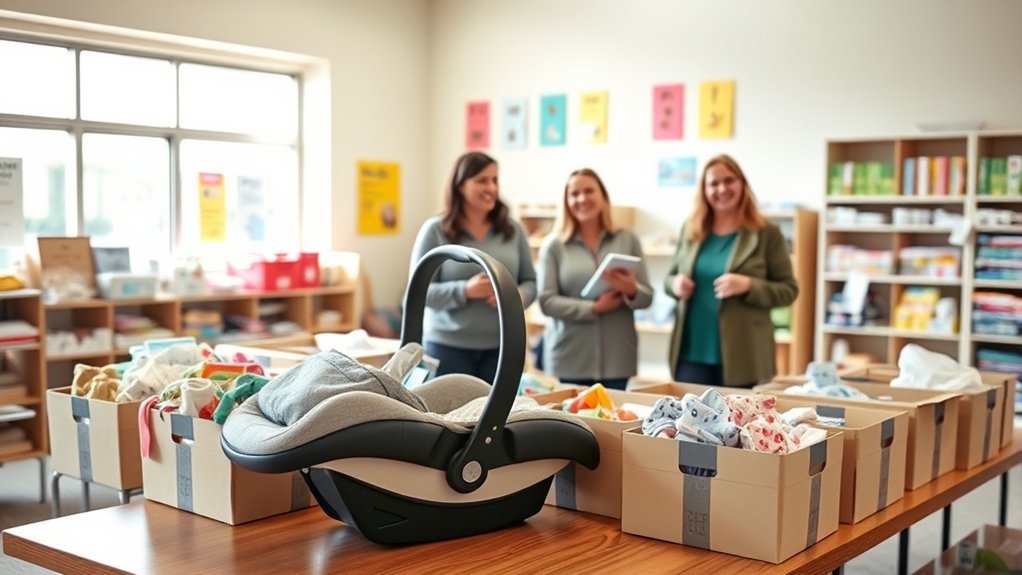
Where to Donate Infant Car Seat
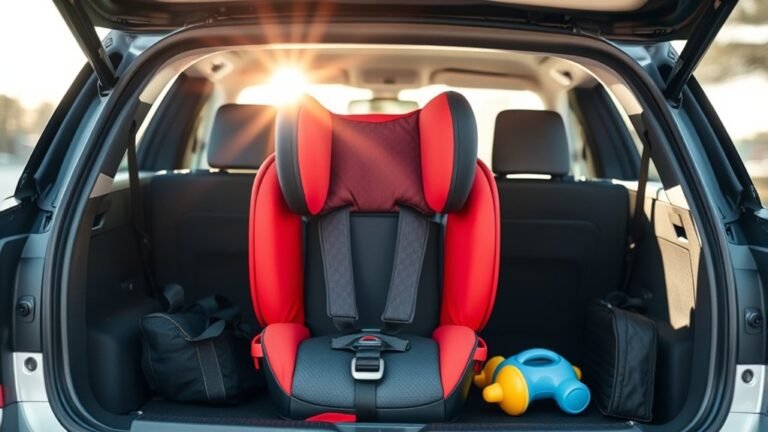
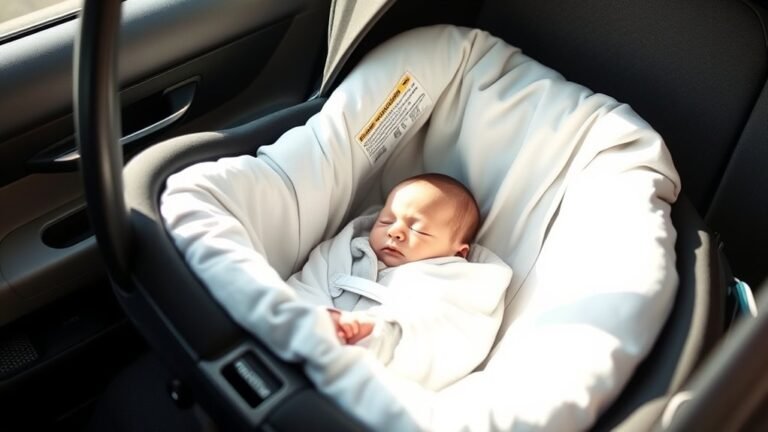
You can donate your infant car seat to local hospitals, trusted nonprofits like Safe Start Network or Caring Hands Center, and community support centers that carefully inspect for safety. Donating infant car seats helps provide essential safety equipment to families in need.
National groups such as Safe Kids Worldwide and Baby2Baby also accept donations, ensuring seats meet current standards and are crash-free. Always check that your seat isn’t expired or recalled and is thoroughly cleaned before donating.
If unsure where to start, there are guidelines and options to help you navigate safe, effective donation. These resources can guide you in making sure your donation is both helpful and safe for the next user.
What Safety Rules Should Your Donated Infant Car Seat Follow?
How can you ensure your donated infant car seat keeps little ones safe? First, adhere to proper donation etiquette by only giving seats that meet current safety standards. Never donate a car seat that’s expired, has been in an accident, or has visible damage.
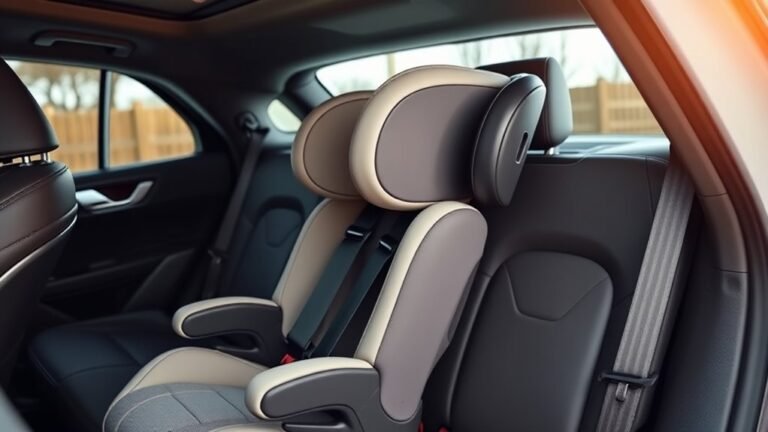
Before you donate, conduct a thorough safety inspection: check the harness for wear, ensure the buckle functions smoothly, and verify that all labels and instructions are intact. Confirm the seat hasn’t been recalled and isn’t past its manufacturer’s expiration date.
Following these safety rules shows respect for the families receiving your donation and helps protect infants during travel. By prioritizing these details, you contribute to a culture of safety and trust in your donation efforts.
How Should You Prepare Your Infant Car Seat Before Donating?
What steps should you take to ensure your infant car seat is ready for its next little passenger? First, thoroughly clean the seat, removing any crumbs or stains that might affect comfort or hygiene, especially considering infant nutrition needs.
Detach all car seat accessories like harness covers or toys, ensuring the seat remains intact and safe without extra parts that might not be approved. Check the expiration date and inspect for damage or recalls to guarantee safety.
Remove the seat from your vehicle carefully, preserving the manual if you still have it. New caregivers will appreciate clear instructions. By preparing your infant car seat with care and attention to detail, you help provide a secure, clean ride for the next family, showing compassion and responsibility in your donation.
What If Your Infant Car Seat Doesn’t Meet Donation Requirements?
If your infant car seat doesn’t meet donation requirements, it’s important to understand why before deciding your next steps. You can explore alternative donation options, like recycling programs or organizations that accept parts.
When donation isn’t possible, following safe disposal methods ensures you protect others from using an unsafe seat.
Understanding Donation Criteria
When your infant car seat doesn’t meet the standard donation requirements, you might wonder about your next steps. Understanding donation criteria helps you decide if your item fits the guidelines or if adjustments are needed. Most organizations require seats to be under a specific age, free from damage, and have intact labels to ensure safety.
| Criteria | Requirement | Why It Matters |
|---|---|---|
| Manufacture Date | Less than 6 years old | Ensures safety standards are current |
| Condition | No cracks or missing parts | Maintains structural integrity |
| Labels | Clear and readable | Confirms proper use and recalls |
Knowing these points supports your fundraising narratives and brand partnerships, assuring donors their contributions meet safety and quality expectations.
Alternative Donation Options
Even if your infant car seat doesn’t meet standard donation criteria, you still have meaningful ways to give it a second life. Consider donation alternatives like offering it to friends, family, or local parenting groups who understand the seat’s history and will use it safely.
You might also explore community workshops that repurpose car seats into other useful items, respecting safety guidelines while extending the product’s usefulness. Before passing it on, clearly communicate any wear or issues to ensure the recipient prioritizes safety.
Some organizations accept seats for parts or recycling, which can prevent waste and promote environmental responsibility. These donation alternatives allow you to contribute positively, even when the seat can’t be used for its original purpose.
Always check safety guidelines to protect children in all cases.
Safe Disposal Methods
How should you handle an infant car seat that no longer qualifies for donation? Prioritize community safety by ensuring proper disposal. Start by checking local regulations for disposing of car seats, as many areas have specific guidelines.
You might need to dismantle the seat, cutting straps and removing padding to prevent reuse, which safeguards other families from potential harm. Some recycling centers accept car seat components, so contact them to confirm.
If disposal options are limited, consider placing a clear “Do Not Use” label on the seat before discarding it in the trash to discourage accidental use. Taking these careful steps not only protects your community but also respects the importance of safe practices when dealing with infant car seats past their usable life.
Which Local Charities Accept Infant Car Seat Donations?
You can donate your infant car seat to trusted local nonprofits that specialize in family support or child safety. Many hospitals also run donation programs to provide essential gear to families in need.
Additionally, community support centers often accept these donations to help ensure every child travels safely.
Trusted Local Nonprofits
Where can you find trusted local nonprofits that accept infant car seat donations? Start by contacting organizations focused on child safety and family support, such as community centers, domestic violence shelters, and family resource nonprofits.
These groups often accept gently used car seats or provide guidelines if they require new ones. Avoid unrelated topics or random discussion forums, which might not offer reliable information. Instead, check official websites or call directly to confirm donation policies.
Local churches and thrift stores partnering with child welfare programs also welcome donations. By choosing reputable nonprofits, you ensure your infant car seat reaches families in genuine need, keeping babies safe during travel.
Always verify that the seat meets current safety standards before donating, as trusted charities prioritize child safety above all.
Hospital Donation Programs
Wondering which local charities accept infant car seat donations through hospital programs? Many hospitals partner with organizations focused on infant safety to guarantee your donation reaches families in need. Here’s how you can navigate donation logistics effectively:
- Contact your nearest maternity or pediatric hospital to inquire about their infant car seat donation policies.
- Ask if they collaborate with specific nonprofits that inspect and distribute car seats.
- Verify the condition requirements to guarantee the seat meets infant safety standards.
- Arrange drop-off or pick-up based on the hospital’s guidelines to simplify logistics.
Community Support Centers
Many community support centers welcome infant car seat donations, offering another way to help families in need. When you choose to donate, these centers handle community logistics efficiently, ensuring seats reach those who require them most.
Your donation also boosts fundraising awareness by inspiring local support for child safety programs. Before donating, check if your car seat meets safety standards and hasn’t expired.
| Center Name | Donation Guidelines | Contact Info |
|---|---|---|
| Safe Start Network | Must be less than 6 years old | safe@start.org |
| Caring Hands Center | Clean, no recalls | 555-123-4567 |
| Family Aid Hub | Includes installation help | faidhub@example.com |
Reach out to these local charities to confirm donation details and support your community effectively.
What National Organizations Take Infant Car Seat Donations?
Which national organizations accept infant car seat donations and ensure they reach families in need? You can trust these groups to prioritize safety testing and ethical sourcing, so your donation makes a real difference.
Trusted national groups accept infant car seats, ensuring safety testing and ethical distribution to families in need.
- Safe Kids Worldwide They rigorously test donated car seats to meet safety standards before distribution.
- Baby2Baby Focuses on providing essential items, including car seats, to low-income families nationwide.
- Goodwill Industries Accepts donations and partners with certified programs to ensure car seat safety compliance.
- National Diaper Bank Network Occasionally accepts infant car seats and distributes them ethically to families in need.
How Can You Donate Infant Car Seats Through Local Community Programs?
How do you guarantee your infant car seat donation reaches families right in your neighborhood? Start by exploring local community programs that accept donations. These organizations often have specific donor eligibility requirements to ensure safety and reliability.
Before donating, your seat may need a thorough seat inspection to confirm it hasn’t been in an accident and meets current safety standards.
Here’s a quick guide to local programs:
| Program Type | Donor Eligibility | Seat Inspection Process |
|---|---|---|
| Fire Departments | Must provide proof of purchase | Visual and structural checks |
| Community Centers | Seats must be less than 6 years | Certified technician inspection |
| Charities | No recalls or damage allowed | Inspection upon receipt |
| Police Stations | Clean, intact seats only | On-site inspection |
| Local Nonprofits | Documentation of seat history | Pre-donation inspection |
Check with programs first to ensure your donation helps safely.
Do Hospitals and Clinics Accept Infant Car Seat Donations?
You might wonder if hospitals and clinics accept infant car seat donations, and the answer depends on their specific policies. Many healthcare facilities have strict safety guidelines and require seats to meet current standards before accepting them.
Checking with each hospital or clinic beforehand ensures your donation is both welcomed and safe for families in need.
Hospital Donation Policies
Wondering whether hospitals and clinics accept infant car seat donations? Many do, but their hospital donation policies often hinge on strict guidelines to ensure brief safety and uphold donation ethics. Before donating, consider these key points:
- Car seats must be new or barely used, never involved in accidents.
- Donation ethics require clear documentation of the seat’s history.
- Hospitals often inspect and approve car seats to meet safety standards.
- Some facilities have partnerships with certified programs for redistribution.
Hospitals prioritize infant safety and comply with regulations, so they may decline donations that don’t meet criteria. It’s best to contact the hospital’s social services or community outreach department to understand their specific policy. This way, your generosity truly benefits families in need, respecting both safety and ethical standards.
Clinic Acceptance Criteria
Where can you donate an infant car seat if hospitals have strict policies? Clinics often offer a more flexible option, but they also have clear donation eligibility requirements.
Most clinics accept car seats only if they meet current safety compliance standards and have never been involved in a crash. Before donating, ensure your car seat isn’t expired, damaged, or missing parts, as clinics prioritize the safety of their patients.
It’s a good idea to contact the clinic directly to confirm their specific criteria. Some clinics partner with local organizations to distribute donated seats to families in need, ensuring proper installation and use.
Can Shelters and Foster Care Groups Accept Infant Car Seats?
How can shelters and foster care groups make the best use of donated infant car seats? They often welcome these donations, but you must consider donation logistics and safety considerations carefully.
Before donating, check if the organization accepts car seats and if they meet current safety standards. Here’s what to keep in mind:
- Confirm the car seat has never been in a crash.
- Ensure it hasn’t expired and meets the latest safety regulations.
- Ask about their storage and distribution process to maintain safety.
- Coordinate donation drop-off or pick-up to fit their logistics.
How To Choose the Best Place to Donate Your Infant Car Seat
Finding the right place to donate your infant car seat guarantees it will be used safely and effectively. Start by researching organizations that prioritize safety logistics, ensuring the seat hasn’t expired or been in an accident.
Check if the recipient group follows strict guidelines for inspecting and installing donated seats. Consider donation etiquette: always clean the car seat thoroughly and include all necessary parts and manuals.
Contact the organization beforehand to confirm they accept infant car seats and inquire about their specific requirements. Choose a place committed to helping families in need, like shelters or certified programs, so your donation makes a meaningful impact.
Where To Find Additional Resources for Infant Car Seat Donations
Once you’ve identified the best organizations to donate your infant car seat, you might want to explore additional resources to support your donation process. These resources guarantee your donation is safe, useful, and compliant with regulations.
Here are four places to find valuable information:
- Local health departments often provide safety training workshops on proper car seat handling and installation.
- Nonprofit organizations’ websites usually offer detailed storage guidelines to maintain the car seat’s integrity.
- Community centers may host sessions on car seat safety and donation protocols.
- Government safety agencies publish up-to-date standards and tips to guarantee your donated seat meets safety requirements.
Utilizing these resources helps you donate confidently, knowing your infant car seat will provide secure protection for its next little passenger.
Frequently Asked Questions
Can I Donate a Car Seat With Expired Safety Labels?
You shouldn’t donate a car seat with expired safety labeling because its donation eligibility is compromised.
Even if it looks fine, old labels mean it might not protect a child properly in a crash.
Are There Tax Benefits for Donating Infant Car Seats?
You can get donation tax credits if you donate an infant car seat, but you’ll need a charity receipt following strict charity receipt rules.
Keep detailed records to ensure you claim your tax benefits properly.
How Do I Transport the Car Seat to the Donation Site?
Think of car seat transport as a gentle journey. Secure it tightly in your vehicle, follow donation guidelines carefully, and cushion it with blankets if needed. This ensures your gift arrives safe, ready to protect another tiny passenger.
Can I Donate Car Seat Accessories Like Bases or Covers?
You should check donation guidelines since accessory acceptability varies. Some places accept bases or covers if they’re clean and undamaged, but many require only the car seat itself for safety reasons.
Always confirm before donating.
What Should I Do if the Car Seat Was in a Minor Accident?
Better safe than sorry. If your car seat’s been in a minor accident, don’t guess. Get a thorough safety inspection to check for hidden damages.
Even small impacts can compromise protection, so prioritize your child’s safety first.
Conclusion
Now that you know the essential safety rules and where to donate your infant car seat, imagine the difference your gift could make. But before you donate, double-check those requirements—you don’t want your seat to go unused.
Whether it’s a local charity, hospital, or shelter, your thoughtful choice can protect a child in need.
Ready to make an impact? The next step might be easier than you think—just take action and find the best place where to donate infant car seat.