Where Is the Expiration Date on a Car Seat
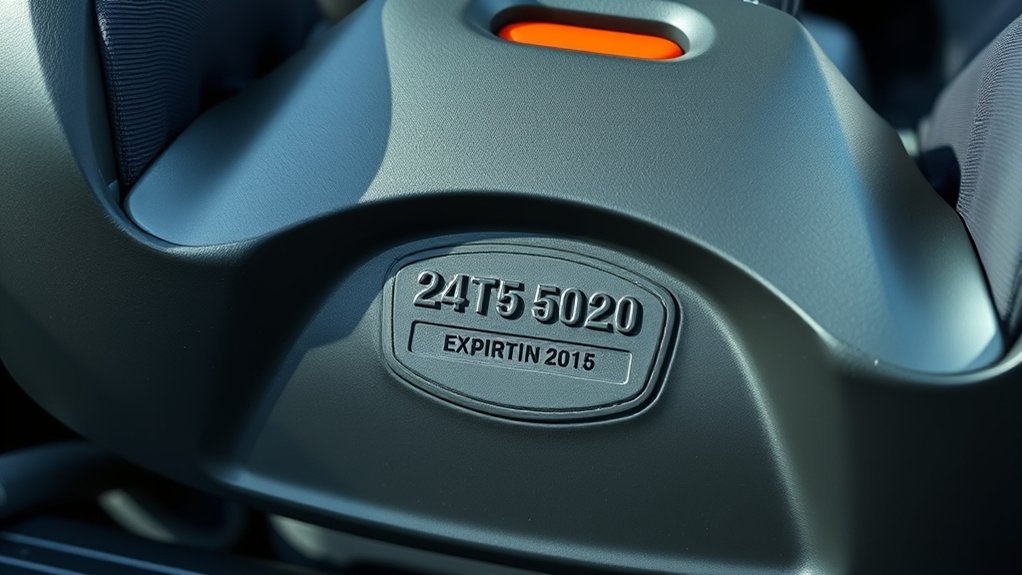
You’ll find the expiration date on a car seat on a sticker or molded into the plastic shell, usually located on the bottom, side, or near the harness slots. Sometimes, it’s under the seat cushion or base, printed alongside model details.
Always check the label before use to ensure safety. If it’s hard to locate, consult the manual or contact the manufacturer with your model info.
Understanding the expiration date on a car seat helps you maintain your child’s safety. There’s more to know about why it matters and what to do next.
Where to Find Your Car Seat’s Expiration Date
Wondering where to locate your car seat’s expiration date? You’ll usually find it on a sticker or molded into the plastic shell, often on the bottom or side of the seat.
It’s crucial to check this date regularly because car seats have a limited lifespan due to wear, material degradation, and evolving infant safety standards. Using a seat past its expiration can compromise protection and increase risks during a crash.
Additionally, expired seats might not meet the latest car seat recalls, which address safety defects discovered after purchase. By locating and adhering to the expiration date, you ensure your child’s seat remains reliable and compliant with current safety regulations, keeping your little one secure on every trip.
How to Read the Expiration Date on Your Car Seat
You’ll find the expiration label on the car seat’s shell or base, often near the manufacturing date. The date format typically shows the month and year, so make sure you read it carefully to avoid confusion.
Knowing how to interpret this information helps you keep your child safe by ensuring the seat is still effective.
Locating The Expiration Label
Where can you find the expiration label on your car seat? For child safety, locating this product labeling is essential. The expiration label ensures your seat’s materials and safety features remain effective.
To find it, check these common spots:
- On the back of the car seat shell, near the harness slots.
- Underneath the seat cushion or base, where the model and manufacturing details usually appear.
- On the side or bottom edge of the seat’s frame, often printed on a sticker or molded into the plastic.
These locations typically house the expiration date, printed clearly to help you avoid using an expired seat. Always inspect this label before purchase or installation to maintain peak child safety standards.
Understanding Date Format
How can you accurately interpret the expiration date on your car seat? First, carefully examine the label where the date is printed. Car seats often use formats like MM/YYYY or MM/DD/YYYY, but some may only show the month and year.
If you encounter unclear timing, such as ambiguous numbers or fading print, refer to the manufacturer’s manual or website for clarification. Be cautious of incompatible labels; some seats have multiple stickers with different dates, which can cause confusion.
Always trust the label that explicitly states “expiration date” or “use by.” Understanding the correct date format ensures you don’t use an expired seat, which could compromise your child’s safety. When in doubt, contact the manufacturer to confirm the exact expiration to keep your car seat reliable and secure.
Why Do Car Seats Have Expiration Dates?
Why does a car seat have an expiration date? It’s not an irrelevant topic or an unrelated concept. The expiration date exists to ensure your child’s safety throughout the seat’s use.
Over time, materials degrade, and safety standards evolve, making older seats less reliable. Here’s why you should pay attention:
Materials wear down and safety rules change, so older car seats may not protect your child as well.
- Material degradation: Plastics and fabrics break down, reducing crash protection.
- Safety standards: Regulations improve, so newer seats often offer enhanced features.
- Recall and damage history: Expired seats might have unknown damage or missed recalls.
What to Do If You Can’t Find an Expiration Date
If you can’t find the expiration date on your car seat, start by checking all manufacturer labels carefully, including under padding or on the frame.
If it’s still unclear, contact the manufacturer directly with your seat’s model and serial number for accurate information. This guarantees you know exactly when to replace the seat for your child’s safety.
Check Manufacturer Labels
Where exactly should you look when the expiration date isn’t clearly visible on your car seat? Start by checking the manufacturer labels carefully. These often contain essential details about the seat’s lifespan and safety.
Follow these steps to locate vital information:
- Inspect the underside or back of the car seat for a white or silver sticker. This label typically includes the manufacture date and expiration period.
- Look for a sewn-in fabric tag, often found near the harness or seat shell, which may list model numbers and safety certifications.
- Review any instruction manuals or warranty cards that came with the seat, as they sometimes provide two word discussion ideas like “expiration date” or “child safety” guidelines.
Always rely on manufacturer labels to ensure your child’s safety and avoid using expired seats.
Contact Manufacturer Directly
When you can’t find an expiration date on your car seat after checking all labels and manuals, reaching out to the manufacturer directly is your next best step. Contacting them helps clarify brand considerations and guarantees you’re aware of safety timelines. It also allows you to compare prices on replacement seats or accessories confidently.
Here’s a quick guide for contacting manufacturers:
| Step | Action |
|---|---|
| Find Contact Info | Check the brand’s official site |
| Provide Details | Share model and serial numbers |
| Ask Specific Questions | Inquire about expiration and warranty |
How Materials Affect Your Car Seat’s Expiration
How do the materials used in your car seat influence its expiration? The durability and safety of your car seat depend heavily on how its materials age over time. As materials aging progresses, the seat integrity can degrade, compromising protection during a crash.
Here’s how different materials affect expiration:
- Plastic Shells: Over time, exposure to heat and UV rays can cause plastic to become brittle, increasing the risk of cracks.
- Metal Components: Rust and corrosion can weaken the frame, reducing the seat’s structural strength.
- Fabric and Foam: These can break down, losing cushioning and affecting comfort and safety.
Understanding how these materials deteriorate helps you recognize why manufacturers set expiration dates to ensure your child’s protection.
When Should You Replace Your Expired Car Seat?
Why should you replace your car seat as soon as it expires? Because the expiration date marks the end of the seat’s safe and reliable use. Once expired, the car seat no longer provides the protection it was designed for, making timely replacement essential.
Don’t get distracted by irrelevant topics or unrelated concepts like style updates or resale value when deciding to replace your car seat. Focus solely on safety and expiration status.
Replace your expired car seat immediately. Waiting or hesitating compromises your child’s security.
Remember, an expired seat can’t be “renewed” or “refreshed.” It’s not a matter of maintenance but a strict safety guideline.
Prioritize your child’s protection by discarding expired seats promptly and switching to a new, certified model.
The Risks of Using an Expired Car Seat
You shouldn’t use a car seat past its expiration date because safety features can weaken over time. The materials, including plastic and straps, may degrade and fail during a crash.
Using an expired seat puts your child at greater risk of injury.
Safety Concerns Over Time
When was the last time you checked your car seat’s expiration date? Understanding date safety is crucial because product longevity directly impacts your child’s protection.
Using an expired car seat can compromise safety in several ways:
- The seat’s structural integrity may weaken over time, reducing its ability to absorb crash forces.
- Safety features like harnesses and buckles can become less reliable, increasing injury risk.
- Older seats might not meet current safety standards, putting your child at a disadvantage.
You rely on your car seat to protect your child, so keeping track of the expiration date is vital. Regularly checking ensures you’re using a seat that maintains its intended safety performance, preventing avoidable risks associated with outdated equipment.
Potential Material Degradation
How does time affect the materials in your car seat? Over months and years, the plastics, fabrics, and foam can degrade, losing their strength and protective qualities. Manufacturers conduct rigorous material testing to ensure durability, but these tests can’t guarantee indefinite performance.
Warning labels on your car seat often indicate the expiration date because using a seat beyond this point risks compromised safety. Materials may become brittle, crack, or lose their ability to absorb impact, undermining the seat’s effectiveness in a crash.
How to Keep Track of Your Car Seat’s Expiration
Where can you find the best way to monitor your car seat’s expiration? Staying on top of your car seat’s lifespan is crucial for car seat safety. Here’s how you can keep track effectively:
- Locate the expiration label: Check the car seat’s base or underside for a manufacturer’s label indicating the expiration date.
- Register your car seat: Registering with the manufacturer ensures you receive notifications about product recalls or safety updates.
- Set reminders: Mark the expiration date on your calendar or set a digital reminder to replace the seat before it expires.
Where to Buy a Safe, Non-Expired Car Seat
Finding a safe, non-expired car seat means knowing exactly which sources you can trust. Avoid secondhand seats without clear expiration dates or history.
Instead, opt for reputable retailers and manufacturers who provide non-technical, transparent information free from confusing marketing messages.
Here’s a quick guide to reliable purchase points:
| Source | Why It’s Safe |
|---|---|
| Authorized Retailers | Sell new seats with clear dates |
| Manufacturer Website | Provides verified, updated models |
| Certified Safety Stores | Offer expert advice and testing |
Tips for Choosing the Right Replacement Car Seat
What should you prioritize when selecting a replacement car seat? Safety and reliability top the list. To make the best choice, consider these key factors:
- Expiration Date & Condition: Always check the expiration date to ensure the seat is still safe to use. Avoid seats with visible damage or missing parts.
- Car Seat Warranties: Opt for a seat with a solid warranty, which reflects the manufacturer’s confidence in product durability and safety.
- Retailer Price History: Research retailer price history to find the best deal without compromising quality. Avoid overly discounted seats that might be outdated or discontinued.
Frequently Asked Questions
Can I Transfer My Car Seat to Another Vehicle Safely?
Yes, you can transfer your car seat to another vehicle safely if you ensure transfer safety by following installation instructions and checking vehicle compatibility.
Always double-check the seat is securely installed before every trip.
Are There Recalls I Should Check for on My Car Seat?
You wouldn’t want any surprises when it comes to safety. Always check recall alerts for your car seat and follow inspection tips carefully.
Staying informed ensures your child’s protection and peace of mind every ride.
How Do I Properly Install a Car Seat?
You’ll ensure proper installation by reading your car seat’s manual and checking vehicle compatibility. Secure the seat tightly using either the seat belt or LATCH system, and confirm there’s less than an inch of movement side-to-side or front-to-back.
What Are the Weight and Height Limits for Car Seats?
You’ll find weight limits usually range from 5 to 65 pounds, while height limits often span 19 to 49 inches. Always check your car seat’s manual to ensure these limits match your child’s size exactly.
Can I Use a Car Seat After a Minor Car Accident?
You shouldn’t use a car seat after a minor car accident, even if it looks fine. Always check the car seat expiration and opt for post accident replacement to guarantee your child’s safety isn’t compromised.
Conclusion
Keeping an eye on your car seat’s expiration date isn’t just smart—it’s a lifeline for your child’s safety. Like a ticking clock, materials degrade and standards evolve, making old seats less reliable. If you can’t spot the date, don’t guess; seek expert advice or consider a new seat.
Staying proactive ensures your child rides protected, turning every trip into a safe journey rather than a gamble with time. Remember, knowing where is the expiration date on a car seat is key to maintaining that safety and peace of mind.