Where Can I Get a Free Car Seat
You can get a free car seat through local health departments, fire stations, community centers, and hospitals partnering with nonprofits. These programs often require proof of income, residency, and child identification. You’ll usually attend a safety session and submit an application online or in person.
Organizations like Safe Kids Worldwide and Kids In Safety Seats also help connect you to free seats and installation guidance. To understand eligibility, application steps, and how to choose the right seat, keep exploring this topic.
How to Get a Free Car Seat: A Quick Overview
Wondering how to get a free car seat for your child? Start by checking local health departments, fire stations, or community centers that often offer free car seat distribution programs. These initiatives focus on child safety and ensure vehicle compliance with state laws.
Check local health departments, fire stations, or community centers for free car seat programs promoting child safety and legal compliance.
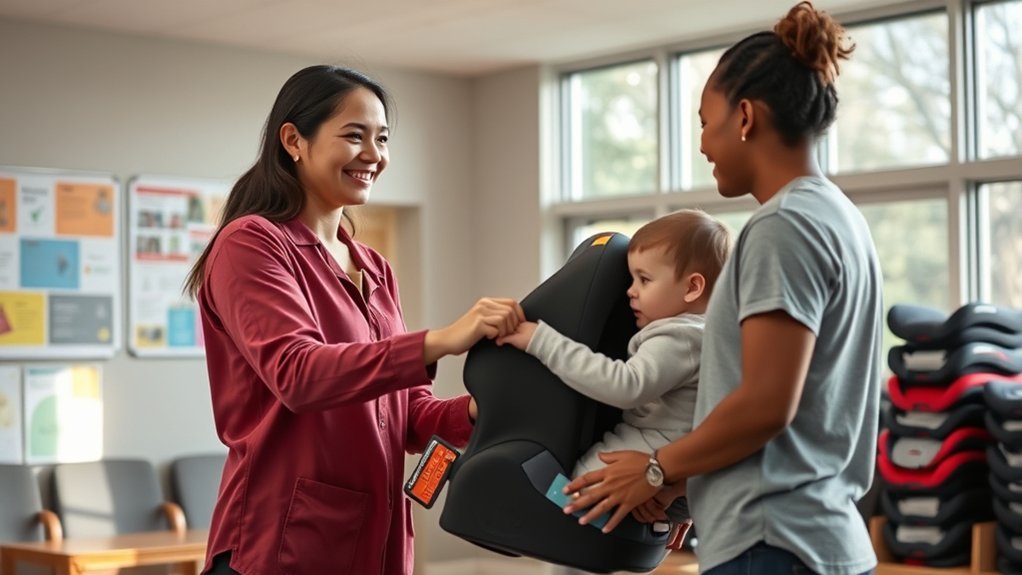
You’ll typically need to attend a brief educational session on proper installation and use. Many programs provide seats that meet current safety standards, so your child travels securely.
You can also ask your pediatrician or local social service agencies about available resources. By taking these steps, you’ll equip your vehicle with a compliant car seat, protecting your child and avoiding fines.
Acting promptly helps maintain safety for your little one, so don’t hesitate to explore these dependable sources.
Eligibility Criteria for Free Car Seat Programs
Once you identify programs offering free car seats, the next step is understanding if you qualify. These programs have specific eligibility criteria to ensure resources reach families who truly need assistance with essential parenting gear.
Typically, you must meet one or more of the following:
- Income Threshold: Your household income should fall below a set limit, often aligned with federal poverty guidelines, to support budget travel and safety needs.
- Residency Requirements: You may need to prove local residency, as programs often serve particular communities or regions.
- Family Status: Some programs prioritize families with infants or young children, recognizing the critical importance of safe car seats during early childhood.
Organizations Offering Free Car Seats
Where can you find reliable sources for free car seats? Various organizations support families through free adoption programs and car seat budgeting assistance. These groups ensure you get safe, certified car seats without financial strain.
| Organization | Program Focus | How to Access |
|---|---|---|
| Safe Kids Worldwide | Car seat safety | Local events, online signup |
| Kids In Safety Seats | Free adoption help | Referral, appointment |
| Children’s Trust Fund | Car seat budgeting | Community centers |
| Local Fire Departments | Safety education | Walk-in distribution |
| United Way | Family support | Partner agencies |
Check eligibility, contact the organizations directly, and prepare necessary documents to streamline your application process effectively.
Free or Low-Cost Car Seats From Local Health Departments
You can often get free or low-cost car seats through your local health department, but you’ll need to meet specific eligibility requirements. The application process usually involves filling out forms and providing proof of income or residency.
Depending on your needs, they may offer various types of car seats, including infant, convertible, or booster seats.
Eligibility Requirements Explained
How can you qualify for a free or low-cost car seat through your local health department? Eligibility typically hinges on specific criteria designed to promote non car safety and compliance with seat belt laws. To ensure you meet requirements, consider these key factors:
- Income Level: You may need to demonstrate that your household income falls below a certain threshold, often aligned with federal poverty guidelines.
- Residency: Proof of residence within the jurisdiction served by the health department is usually required.
- Need Verification: You might have to confirm the absence of a car seat or that your current seat doesn’t meet safety standards or seat belt laws.
Meeting these criteria helps local agencies allocate resources effectively, ensuring children’s safety in vehicles without imposing financial strain on families.
Application Process Steps
When should you begin the application process for a free or low-cost car seat from your local health department? Start as soon as you confirm eligibility. First, gather necessary documents like proof of income, residency, and identification.
Visit the health department’s website or call directly to access the application form. Avoid irrelevant topic searches that lead to off-topic discussion forums.
Complete the form carefully, ensuring all details are accurate to prevent delays. Submit your application online, by mail, or in person, following specific instructions.
After submission, expect confirmation within a few weeks. If approved, you’ll receive instructions on how to pick up or receive your car seat.
Staying focused on these steps saves time and avoids confusion caused by irrelevant topic distractions.
Available Car Seat Types
Once your application is approved, understanding the types of car seats available through local health departments helps you make an informed choice for your child’s safety. These seats prioritize car seat safety and vehicle compatibility to ensure effective protection.
Here are the common types you can expect:
1. Infant Car Seats
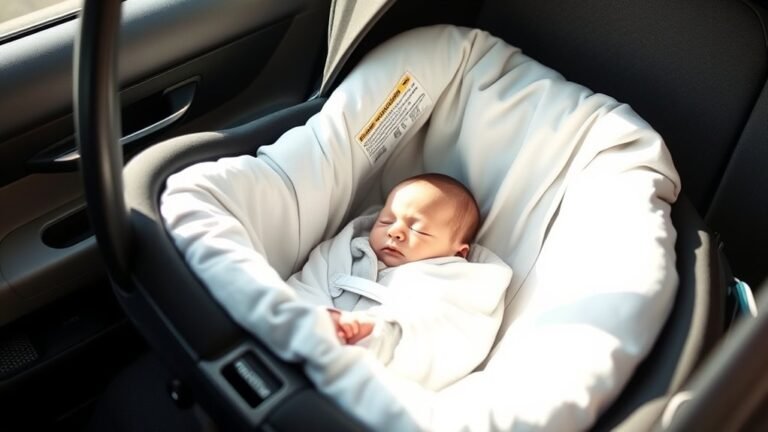
Designed for newborns and small babies, these seats offer rear-facing protection and are often removable with a base that stays in the vehicle.
2. Convertible Car Seats
Suitable for infants and toddlers, these seats transition from rear-facing to forward-facing, accommodating your child’s growth.
3. Booster Seats
For older children who have outgrown forward-facing seats, boosters position the seatbelt correctly for maximum safety.
Each type is selected to match your vehicle’s specifications and your child’s age, weight, and height, ensuring optimal car seat safety.
Find Free Car Seats From Nonprofits
Where can you turn if you need a reliable car seat but can’t afford one? Nonprofit organizations often provide free car seats to families in need.
Many nonprofits focus on child safety but may also address non car topics or unrelated services, so it’s important to find those specifically offering car seat programs. Start by contacting local nonprofits or visiting their websites to see if they distribute car seats or run car seat safety workshops.
Some organizations require proof of income or participation in certain community programs. Remember, these nonprofits aim to ensure your child’s safety on the road, so take advantage of their resources.
Free Car Seats From Hospitals and Clinics
You can often get free car seats through hospital distribution programs designed to ensure newborns leave safely. Many clinics also partner with local organizations to provide car seats to families in need.
Contact your nearby hospital or clinic to learn about available options and eligibility requirements.
Hospital Distribution Programs
How can new parents access free car seats easily? Many hospitals offer distribution programs that provide free car seats along with essential safety information. These programs not only supply equipment but also offer free education to dispel common insurance myths and ensure proper installation.
To take full advantage of hospital distribution programs, you should:
- Contact your hospital’s maternity or pediatric department ahead of delivery to inquire about car seat availability.
- Attend any scheduled car seat safety classes offered, which are often required to receive a free seat.
- Bring necessary documentation like proof of income or insurance details, as eligibility criteria may apply.
Clinic Partnership Opportunities
Wondering how to obtain a free car seat beyond hospital programs? Clinic partnership opportunities might be your answer. Many local clinics collaborate with safety organizations to provide free car seats to families in need.
These clinics often use local advertising to spread the word, so check community boards, social media, or clinic websites regularly. When you visit, staff can also offer guidance on proper car seat maintenance, ensuring your child’s safety extends beyond installation.
To qualify, clinics may ask for proof of income or participation in assistance programs, so come prepared. Taking advantage of these partnerships not only gets you a free, quality car seat but also access to expert advice, making it easier to keep your child secure every time you hit the road.
Free Car Seats From Fire and Police Departments
Where can you turn to find reliable, free car seats? Fire and police departments often provide them as part of community safety initiatives.
Fire and police departments often offer reliable, free car seats through community safety programs.
These agencies understand the critical role of proper car safety equipment in preventing injuries during travel. Here’s how they can help:
- Safety Checks: Many departments offer car seat inspections, ensuring your seat meets safety standards and fits your child correctly.
- Distribution Events: Periodically, fire and police departments host events where you can receive free car seats if you qualify.
- Educational Programs: They often provide training on correct installation, enhancing your knowledge and confidence.
How to Apply for Free Car Seat Vouchers
Looking to secure a free car seat voucher? Start by contacting local health departments, community centers, or nonprofit organizations focused on child safety. These groups often distribute vouchers for infant seats, toddler seats, and booster seats to families in need.
You’ll usually need to apply either online or in person, providing basic information about your household. Once approved, the voucher lets you obtain a car seat at no cost or a discounted price from participating retailers.
Make sure you specify the right type of seat for your child’s age and size to ensure optimal safety. Acting promptly is key, as vouchers are limited and prioritized for families with financial hardships.
What Documents You Need for Free Car Seat Programs
You’ll need to provide specific documents to qualify for free car seat programs, including proof of income to confirm eligibility. Residency verification is also required to ensure you live within the program’s service area.
Additionally, be prepared to show child identification, such as a birth certificate, to verify who the car seat is for.
Proof Of Income
How can you prove your income to qualify for free car seat programs? Providing accurate proof of income is essential for income verification and eligibility. You’ll need to submit official documents that clearly demonstrate your financial status.
Commonly accepted forms of proof of income include:
- Recent pay stubs covering at least one month of earnings.
- A copy of your most recent federal tax return or W-2 form.
- Official benefit award letters from programs like SNAP, TANF, or Social Security.
Make sure the documents are current, legible, and include your name or household information. Income verification helps program administrators assess your need effectively, so gather these materials carefully to avoid delays or denial of assistance.
Residency Verification
After gathering proof of income, confirming your residency is the next key step to qualify for free car seat programs. Residency verification ensures that the program serves local families in need.
To meet documentation requirements, you’ll typically need to provide a government-issued ID with your current address, a recent utility bill, lease agreement, or official mail such as a bank statement. Some programs accept multiple documents to confirm your address, so check their specific guidelines carefully.
Keep in mind, documents must be current, usually within the last 30 to 60 days, to be valid. By preparing accurate residency verification paperwork, you’ll streamline the application process and increase your chances of receiving a free car seat quickly. Always verify which documents are accepted before applying.
Child Identification Requirements
What documents do programs require to verify your child’s identity when applying for a free car seat? Providing accurate identification is crucial to ensure child safety and support parent education initiatives. Most programs require:
- Birth Certificate This official document confirms your child’s full name and date of birth.
- Immunization Records These verify your child’s health status and residency indirectly.
- School or Daycare Enrollment Proof This serves as additional verification of your child’s identity and your role as a caregiver.
Having these documents ready streamlines the application process and helps programs prioritize resources efficiently. Remember, these requirements are designed to protect children and educate parents on proper car seat use, reinforcing community safety standards.
Choosing and Installing the Right Free Car Seat
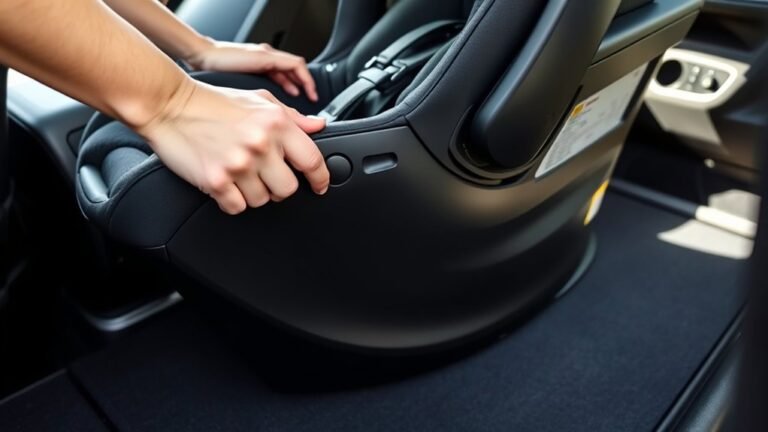
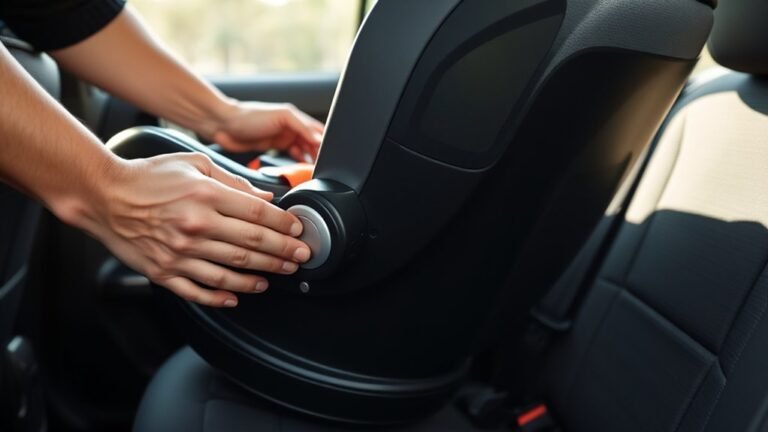
Where should you start when choosing and installing a free car seat? Focus on child safety and car ergonomics first. Select a seat that fits your child’s age, weight, and height. Then, ensure it aligns with your vehicle’s design for a secure fit.
Proper installation is crucial; incorrect setup compromises safety.
| Age Group | Seat Type | Installation Tip |
|---|---|---|
| Infant (0-12 mo) | Rear-facing | Use base or seatbelt firmly |
| Toddler (1-4 yr) | Forward-facing | Harness snug and at shoulders |
| Booster (4-12 yr) | Booster seat | Seatbelt positioned correctly |
Always follow manufacturer instructions and consider professional inspections to guarantee maximum protection.
Frequently Asked Questions
How Often Should Car Seats Be Replaced After Purchase?
You should replace your car seat every 6 to 10 years to guarantee maximum safety. Don’t risk budget safety by extending use.
Check for free seat replacement programs if your seat’s expired or damaged.
What Are Common Car Seat Safety Tips for Parents?
You check expiration dates, install correctly, and secure your child snugly.
For free safety and budget tips, always use certified seats, avoid secondhand without history, and regularly inspect for recalls. Your child’s safety depends on it.
Can I Use a Car Seat on an Airplane?
Yes, you can use a car seat on an airplane, but you’ll need to ensure it meets airline safety rules. Focus on car seat portability. Lightweight, FAA-approved models work best for secure, hassle-free travel.
Are There Recalls on Certain Car Seat Models?
Yes, you should regularly check recall alerts for your car seat’s make and model. Staying updated on model-specific safety issues helps you act quickly to protect your child from potential hazards or defects.
How Do I Properly Clean and Maintain a Car Seat?
You should follow cleaning schedules, vacuum regularly, and spot clean stains promptly using mild soap and water.
Remove covers for deep cleaning per manufacturer instructions, and always check for wear or recalls to maintain safety and hygiene.
Conclusion
Just like a knight needs the right armor, your little one deserves the perfect car seat for safety. By exploring local health departments, nonprofits, and first responders, you can secure a free car seat that fits your needs. Gather your documents, meet eligibility criteria, and apply confidently.
Taking these steps guarantees your child rides protected, giving you peace of mind on every journey. Remember, to ensure your child’s safety, knowing where can I get a free car seat is key to providing the best shield for your little hero.