When Does a Car Seat Expire
Your car seat typically expires between 6 to 10 years from its manufacture date due to material degradation that can compromise safety. Over time, plastic weakens, harnesses lose strength, and foam padding deteriorates, increasing crash risk.
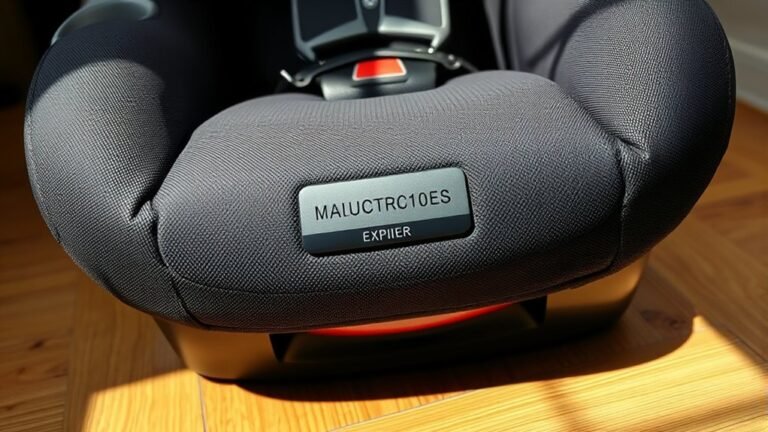
Using a seat past its expiration can mean less protection for your child. You can find the expiration date on a label, usually under or on the side of the seat.
Understanding why and when to replace your seat ensures your child’s safety on every ride.
When Does a Car Seat Expire?
When does a car seat expire, and why does it matter? You might think car seats last forever, but that’s one of many expiration myths. Car seats don’t just wear out; they have specific lifespans due to materials breaking down over time and evolving safety standards.
Knowing these car seat quirks helps you avoid using a seat that may no longer protect your child effectively. Manufacturers set expiration dates, usually found on a label or molded into the plastic, to ensure optimal safety.
Using a seat past this date could mean missing out on crucial safety features and increased risk during accidents. So, always check your car seat’s expiration date to keep your child as safe as possible.
How Long Do Car Seats Typically Last
How long can you expect a car seat to keep your child safe? Typically, car seats last between 6 to 10 years from the date of manufacture. Over time, materials like plastic and padding weaken, which can cause irreversible damage, reducing the seat’s ability to protect your child during a crash.
Even if the seat looks fine, internal components may degrade. Also, as your child grows, their size and weight might outgrow the seat’s limits, making it unsafe regardless of the seat’s age. It’s essential to replace the car seat once it reaches its expiration to ensure optimal safety.
Relying on an expired seat risks exposing your child to harm due to worn parts and improper fit caused by child growth and material wear.
Where to Find the Expiration Date on Your Car Seat
You’ll usually find the expiration date on a label stuck to the car seat’s plastic shell, often near the base or under the seat. The label might show the date in different formats, so make sure you understand the code, whether it’s a month and year or a specific expiration month.
Checking this label carefully helps you know exactly when it’s time to replace your car seat.
Common Expiration Label Locations
Where exactly can you find the expiration date on your car seat? It’s important to know because relying on an irrelevant topic or unrelated theme won’t help you locate it. The expiration label is usually placed where it’s easy to spot, but it varies by manufacturer. Common spots include:
- On the underside or bottom of the car seat
- On the back or side of the seat shell
- Near the belt path or harness adjuster
- Inside the seat’s padding or fabric, sometimes under a flap
Make sure you check these areas carefully, as the label often includes the manufacture date and expiration timeline. Finding this label is crucial to ensure your car seat is safe and hasn’t passed its expiration, avoiding any guesswork or irrelevant information.
Interpreting Date Codes
Once you locate the expiration label on your car seat, the next step is understanding the date codes printed on it. These codes usually include the manufacture date and the expiration date or the number of years the seat is good for.
Pay close attention. Some labels list the date as month/day/year, while others use year/month/day. Don’t confuse the expiration date with unrelated concepts like recall dates or batch numbers; those are irrelevant topics here.
If the label only shows the manufacture date and a lifespan, add the lifespan to the manufacture date to find the expiration date. This way, you’ll know precisely when your seat is no longer safe to use, ensuring your child’s safety isn’t compromised by an expired car seat.
What Makes a Car Seat Expire: Key Factors
You’ll find that manufacturer guidelines play a big role in determining when your car seat expires. Over time, the materials can wear down, which affects the seat’s safety and effectiveness.
Understanding these factors helps you know when it’s time to replace your car seat.
Manufacturer Guidelines
How do manufacturers determine when a car seat should expire? They rely on strict guidelines to ensure safety, avoiding any unrelated topic that might dilute audience engagement. These guidelines consider factors that affect the seat’s reliability over time.
You’ll find expiration dates printed on the seat, based on:
- The expected lifespan of key components
- Regulatory safety standards
- Results from crash testing and durability assessments
- Manufacturer’s liability and warranty policies
Material Wear And Tear
Why does a car seat expire even if it looks fine? The answer lies in material wear and tear aging. Over time, the plastic, foam, and fabric degrade due to repeated use, exposure to sunlight, and temperature changes. This deterioration weakens the car seat’s ability to protect your child in a crash.
Here’s how material wear and tear affect key car seat components:
| Component | Signs of Wear | Impact of Aging |
|---|---|---|
| Plastic Shell | Cracks, brittleness | Reduced crash protection |
| Harness Straps | Fraying, stiffness | Compromised restraint |
| Foam Padding | Compression, crumbling | Less shock absorption |
| Fabric Cover | Fading, tears | Discomfort, hygiene issues |
| Buckles | Rust, malfunction | Insecure fastening |
Pay attention to these factors; they’re crucial for your child’s safety.
Why Car Seat Materials Wear Out Over Time
When did you last consider what happens to a car seat’s materials over time? Unlike an irrelevant topic or unrelated concept, the wear of these materials directly impacts safety.
Car seats face constant exposure to factors that degrade their components. For example, the plastic shell can weaken, the straps may fray, and padding can compress or deteriorate. Here’s what causes this wear:
- Sunlight breaks down plastic and fabric fibers.
- Temperature changes cause materials to expand and contract.
- Everyday friction from buckling, unbuckling, and movement wears surfaces.
- Spills and cleaning chemicals degrade fabrics and straps.
Understanding these effects helps you realize why car seat materials don’t last forever. This gradual breakdown compromises the seat’s ability to protect your child effectively.
How Changing Safety Standards Affect Car Seat Expiration
Have you noticed that car seat expiration dates often change over time? That’s because safety standards evolve, and regulatory changes require manufacturers to update their designs. When safety standards improve, older car seats might not meet the latest crash test requirements, prompting earlier expiration dates.
Here’s how regulatory changes impact car seat expiration:
| Year of Regulation Update | Key Safety Standard Change |
|---|---|
| 2010 | Introduction of side-impact testing |
| 2015 | Enhanced harness strength |
| 2018 | Improved energy-absorbing materials |
| 2022 | Updated labeling and instructions |
Because of these ongoing improvements, your car seat’s expiration date reflects not just material wear but also when it no longer aligns with current safety standards. Staying aware helps you keep your child protected.
What Risks Come With Using an Expired Car Seat
Understanding how safety standards evolve helps explain the dangers of using an expired car seat. When you rely on an outdated seat, you expose your child to risks that manufacturers have since addressed.
Expired seats may have weakened materials and outdated technology, making them less effective in a crash. You might also encounter irrelevant collaboration or unrelated endorsements promoting old models that no longer meet current safety guidelines.
Using an expired car seat can lead to:
- Reduced crash protection due to degraded materials
- Increased risk of harness failure or improper fit
- Lack of compliance with the latest safety regulations
- Potential exposure to recalls or defects no longer supported
For your child’s safety, avoid expired seats and stick to current, tested models.
Is It Safe to Extend Your Car Seat’s Lifespan?
You might wonder if stretching your car seat’s lifespan is safe, but it often isn’t due to wear and outdated safety standards. Ignoring manufacturer guidelines can increase risks during a crash.
Always follow the expiration date to ensure your child’s protection.
Risks of Extended Use
Why should you avoid using a car seat beyond its expiration date? Extending your car seat’s lifespan brings serious risks. Over time, materials degrade, and safety features may fail, making the seat less reliable in a crash.
Don’t get distracted by irrelevant topics or unrelated concerns like aesthetics or cost savings when safety is at stake.
Here are key risks of extended use:
- Plastic components weaken, increasing breakage risk.
- Harness straps lose strength, compromising restraint.
- Foam padding deteriorates, reducing impact absorption.
- Labels and instructions fade, causing misuse.
Using an expired car seat means you’re betting your child’s safety on weakened equipment. It’s best to replace your car seat as recommended to ensure maximum protection.
Manufacturer Guidelines Importance
How can you be sure your car seat still offers the protection your child needs? The best way is to follow the manufacturer guidelines closely. These guidelines specify the exact lifespan of the seat, accounting for materials, design, and safety standards.
Extending your car seat’s lifespan beyond this can compromise its effectiveness, putting your child at risk. Manufacturers also provide important disposal considerations to ensure old seats don’t end up in landfills unnecessarily.
Many include information about recycling options to help you dispose of the seat responsibly. Ignoring these recommendations might save money short-term but could cost your child’s safety.
Always check the expiration date and adhere to the manufacturer’s instructions to keep your child secure during every ride.
When and Why to Replace a Car Seat After an Accident
When should you replace a car seat after an accident? You should always opt for accident replacement because even minor impacts can compromise the seat’s integrity. Car seats undergo expiration testing to ensure safety over time, but a crash can cause unseen damage that expiration testing doesn’t cover.
Replace your car seat if you notice:
- Cracks or broken parts in the frame or shell
- Frayed or damaged harness straps
- Deformation of the seat’s impact-absorbing foam
- Missing or bent components affecting fit or function
Using a car seat after an accident risks your child’s safety, as structural damage reduces crash protection. Don’t take chances; replace the seat promptly to maintain the highest safety standards.
How to Choose a New Car Seat After Expiration
Wondering what to look for in a new car seat after yours expires? First, focus on safety features that meet current standards rather than getting distracted by irrelevant topics like trendy colors or unrelated concepts such as brand popularity.
Check for seats with clear expiration dates, proper weight and height limits for your child, and easy installation systems like LATCH. Avoid seats that lack updated crash-test results or don’t fit well in your vehicle.
Don’t confuse unrelated concepts, such as price alone, with quality; a higher price doesn’t always mean better safety. Prioritize seats certified by recognized safety organizations and those with clear instructions.
This approach ensures you choose a reliable, safe car seat that protects your child effectively beyond the expiration date.
Frequently Asked Questions
Can Car Seat Expiration Dates Vary by Brand or Model?
Yes, you’ll find brand variation and model differences affect car seat expiration dates. Each manufacturer sets specific timelines, so always check your seat’s label or manual to ensure it’s safe and hasn’t passed its expiration date.
How Should I Dispose of an Expired Car Seat Safely?
Think of your expired car seat as a retired guardian ready for peaceful rest. You’ll want to check local disposal methods and community programs, ensuring safe disposal while respecting its expired availability and preventing reuse risks.
Are There Any Legal Regulations About Car Seat Expiration?
Yes, car seat regulations require expiration labeling to ensure safety. You’ll find the expiration date on the seat, and using it past that date can violate safety standards and legal guidelines in many areas.
Can Car Seats Be Recycled or Repurposed After Expiration?
You know what they say, “Better safe than sorry.” Once a car seat’s expired labeling appears, it’s best not to reuse it.
However, you can recycle or repurpose materials, but safety testing ensures it’s no longer safe for kids.
Do Car Seat Expiration Dates Affect Secondhand Sales or Donations?
Yes, expired car seats and those with recall issues lose safety certification, affecting secondhand sales or donations. You shouldn’t accept or sell these because they might compromise safety, so always check expiration and recall status first.
Conclusion
Think of your car seat like a parachute—relying on it past its prime is risky. Just as a parachute’s fabric weakens over time, car seats lose their protective power, often expiring after six to ten years. Ignoring this can put your child in danger.
By checking the expiration date and replacing your car seat when needed, you’re ensuring safety, not just convenience. Don’t gamble with your child’s protection—stay informed and act promptly.
Knowing when does a car seat expire is essential for keeping your little ones safe on every journey.