
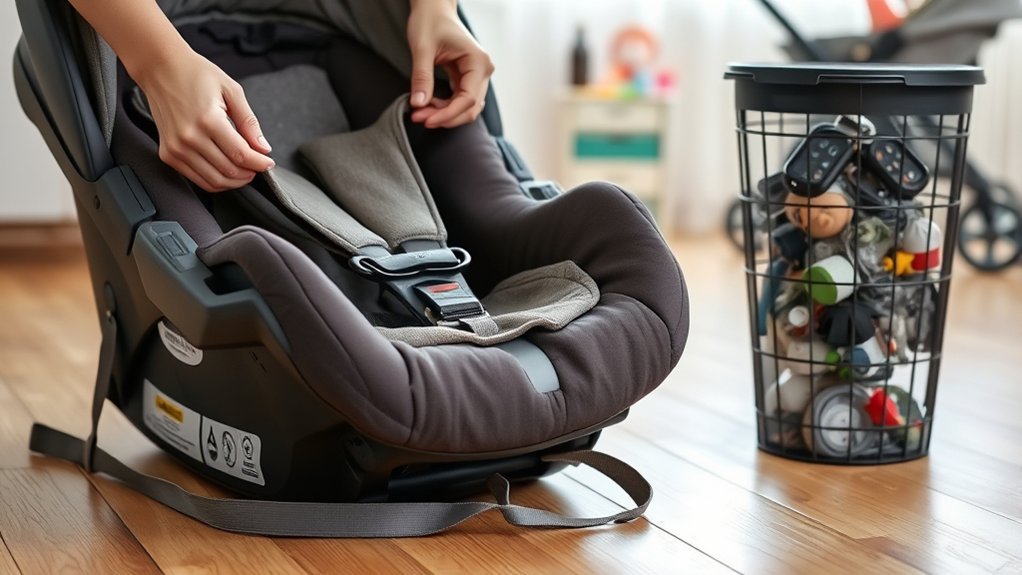
What to Do With Expired Infant Car Seat
If your infant car seat has expired, don’t use it—it’s no longer safe to protect your child. Check the label for the expiry date or any signs of damage before using it. Seats involved in crashes should be replaced immediately to ensure safety.
Dispose of expired seats according to local regulations to avoid environmental harm. Never donate expired seats due to the safety risks involved. Look for manufacturer take-back or specialized recycling programs for proper handling.
You can also explore safe ways to repurpose parts of the seat. Stay informed about best practices for dealing with expired infant car seats to keep your little one safe.
How Do You Know If Your Infant Car Seat Has Expired?
How can you tell if your infant car seat has expired? First, check the label on the seat, usually located on the bottom or side. It clearly states the expiration date or the manufacturing date plus the seat’s lifespan, typically six years.
Using a car seat past this date compromises expired safety standards, risking your child’s protection. Also, inspect for visible wear, cracks, or missing parts.
If the seat’s been involved in a crash, it should be replaced immediately, regardless of age. When disposing of an expired infant car seat, never just toss it in the trash.
Instead, follow local bag disposal guidelines or recycling programs to prevent reuse and ensure environmental safety. Staying informed protects your child and the community.
Why Infant Car Seats Expire and Why It Matters
Knowing when to replace your infant car seat is just the first step; understanding why these seats expire helps you appreciate the importance of sticking to those dates. Infant car seats have expiration dates because materials like plastic and foam degrade over time, reducing their ability to protect your child in a crash.
Additionally, safety standards evolve, so an expired seat may not meet current regulations or address the latest safety findings. Ignoring expiration dates can increase risk, even if the seat looks fine.
Also, an expired recall on your seat might mean you miss critical safety updates. Don’t fall for safety myths that suggest you can extend a seat’s life; using an expired car seat compromises your child’s safety. Replacing the seat on time ensures optimal protection every trip.
Safe Disposal Tips for Expired Infant Car Seats
When disposing of your expired infant car seat, you should first check local regulations to ensure proper handling. Many areas have specific guidelines for recycling or trash disposal to keep safety and environmental concerns in mind.
If the seat is still in good condition, consider donating it to organizations that specialize in safe reuse or recycling programs.
Check Local Disposal Regulations
Before disposing of your expired infant car seat, you should check local disposal regulations to ensure you handle it safely and legally. Many areas have specific rules about how to get rid of items with expired labeling, especially those containing hazardous materials or plastic components.
Knowing the correct disposal timing is crucial; some municipalities require you to wait for designated collection days or drop off at specialized facilities. Ignoring these rules can lead to fines or environmental harm.
Contact your local waste management office or visit their website to find detailed instructions. Following these guidelines helps protect your community and the environment while ensuring your expired car seat is disposed of properly and responsibly.
Always prioritize safety and legality in this process.
Consider Donation or Recycling
After checking local disposal regulations, you might find options to donate or recycle your expired infant car seat. While donation options can be limited due to safety concerns, some organizations accept expired seats for parts or educational purposes.
Always confirm the seat’s condition and expiry status before donating to ensure it’s handled responsibly. For recycling, seek out facilities that offer specialized recycling guidance for car seats, as these often combine plastic, metal, and fabric components.
Avoid placing the seat in regular recycling bins, as improper processing can pose environmental and safety risks. By exploring available donation options and following proper recycling guidance, you ensure the expired car seat is disposed of safely, protecting both your community and the environment.
Common Mistakes to Avoid When Handling Expired Infant Car Seats
Why do many people mishandle expired infant car seats? Often, they overlook expanding safety checks beyond the obvious expiration date, ignoring hidden damage or wear that compromises safety.
Many overlook hidden damage beyond expiration dates, compromising infant car seat safety.
Another common mistake is neglecting labeling requirements; manufacturers include crucial information about expiration and proper disposal that you should always review. Don’t assume an expired seat is safe just because it looks intact or appears unused.
Avoid trying to repair or modify the seat yourself, as this can weaken its structure. Also, never pass an expired car seat to another child for use in a vehicle.
Following these guidelines ensures you handle expired infant car seats responsibly, prioritizing your child’s safety and complying with manufacturer instructions.
Donation and Recycling Options for Expired Infant Car Seats
Handling expired infant car seats responsibly means knowing what to do with them once they’re no longer safe for use. You shouldn’t donate expired seats, as donation ethics demand only safe, functional products be given to families in need.
Instead, check if local recycling programs accept car seats for expired recycling. Many communities offer special disposal events or drop-off points that ensure materials are processed correctly, preventing environmental harm.
If recycling isn’t available, consult manufacturers. Some run take-back programs for expired seats. Always remove or clearly mark expired seats to prevent accidental use.
Creative Ways to Repurpose Expired Infant Car Seat Parts
Transform expired infant car seat parts into practical items while prioritizing safety and environmental responsibility. You can engage in creative upcycling by turning sturdy plastic shells into storage bins or garden planters.
The fabric covers, if clean and intact, make excellent materials for DIY crafts like small cushions or pet beds. Metal buckles and straps can be repurposed as hardware for securing outdoor gear or crafting adjustable straps for bags.
When working on these projects, always ensure that any reused parts won’t pose safety risks, especially sharp edges or worn components. Avoid using parts that held the harness system for children’s safety gear.
Environmentally Friendly Recycling for Infant Car Seats
How can you responsibly dispose of an expired infant car seat without harming the environment? Start by understanding recycling myths. Many believe all car seats can be recycled curbside, but due to mixed materials and safety concerns, that’s not true.
Infant car seats contain plastics, metals, and foam designed to absorb impact, so material safety is essential. To recycle properly, contact local recycling centers or manufacturers that offer take-back programs specifically for car seats.
These programs ensure components are separated safely and recycled appropriately, preventing harmful materials from entering landfills. Avoid simply tossing the seat in regular recycling bins to protect material integrity and public safety.
Frequently Asked Questions
Can Expired Infant Car Seats Be Used for Pets?
You shouldn’t use an expired infant car seat for pets because expired safety standards may compromise protection. Prioritize pet safety by choosing gear specifically designed for animals, ensuring proper restraint and comfort during travel.
Are There Legal Penalties for Using Expired Car Seats?
About 50% of car seats are used past their expiration date. Yes, you can face legal penalties for using expired seats due to safety risks.
Always prioritize your child’s protection by replacing expired car seats promptly.
How Do Car Seat Manufacturers Determine Expiration Dates?
Manufacturers determine expiration dates by conducting expired testing to ensure continued safety. They also review certification labels, considering material degradation and evolving safety standards, so you know when your infant car seat might no longer protect effectively.
Can Expired Car Seat Manuals Be Useful After Expiration?
You might not realize, but 75% of parents keep expired manuals. Expired manuals can still guide you on safety replacements and proper installation, ensuring your new seat’s secure setup. Don’t toss them; they’re handy references.
Are There Insurance Implications for Using Expired Car Seats?
You could face insurance implications and legal penalties if you use an expired car seat during an accident. Insurers may deny claims, and authorities might fine you, so always prioritize safety and adhere to expiration dates.
Conclusion
When your infant car seat expires, don’t just toss it—prioritize safety and the environment. For example, Sarah discovered her son’s seat had expired and safely recycled the plastic parts through a local program, while repurposing the fabric for pet bedding.
By checking expiration dates and avoiding common disposal mistakes, you can prevent potential safety hazards. Exploring donation options or creative reuse ideas also helps reduce waste and benefits others.
Always handle expired seats responsibly to keep safety and sustainability top priorities. Knowing what to do with expired infant car seat ensures you protect your child and the environment effectively.