
What Is the Best Infant Car Seat
To find the best infant car seat, focus on models that meet strict safety standards like FMVSS 213 and include side-impact protection with energy-absorbing foam.
Make sure the seat fits your baby’s current weight and height while allowing growth.
Choose a brand known for reliability and ease of installation, as improper setup can undermine safety.
Balance cost against quality, avoiding off-brand risks.
You’ll want to check warranty, recalls, and comfort features too if you want to make the safest, most practical choice.
Key Factors to Choose the Right Infant Car Seat
To choose the right infant car seat for your baby’s safety and comfort, start by researching reliable topic ideas, focusing on seats that fit your vehicle and meet current safety standards. Avoid common safety myths, such as assuming all expensive seats are the safest or that older models are adequate.
Check the seat’s weight and height limits to match your baby’s size. Look for ease of installation, as improper setup often creates safety risks. Consider the materials used. Breathable fabrics improve comfort during longer rides.
Don’t overlook the seat’s compatibility with your stroller if you plan to use a travel system. By carefully evaluating these key factors, you’ll select an infant car seat that truly protects and supports your baby without falling for misleading safety myths.
Top Safety Features Every Infant Car Seat Should Have
You’ll want to make sure your infant car seat meets essential safety standards set by regulatory authorities to guarantee reliable protection. Look for impact protection features like side-impact airbags and energy-absorbing foam, which help reduce injury risks during a collision. Prioritizing these elements ensures your baby stays as safe as possible on every trip.
Essential Safety Standards
What makes an infant car seat truly safe? You need to ensure it meets essential safety standards set by recognized authorities, like the Federal Motor Vehicle Safety Standard (FMVSS 213) in the U.S. These standards guarantee the seat has undergone rigorous crash testing and performance evaluations.
Don’t be distracted by non parenting or unrelated technology claims; focus on certifications that prove real-world protection for your child. Look for clear labels showing compliance with these regulations, as they confirm the seat’s structural integrity and secure installation features.
Impact Protection Features
Meeting safety standards is just the starting point when choosing an infant car seat. You need to focus on impact protection features that go beyond basic requirements.
Look for seats with side-impact protection, which often include energy-absorbing foam or reinforced shells designed to reduce force during a crash. These features greatly improve your baby’s safety by minimizing movement and shielding the head and torso.
Pay attention to results from independent crash testing, as they provide valuable insights into real-world performance. Avoid models without clear evidence of rigorous testing or those lacking advanced impact protection components.
Choosing an Infant Car Seat by Weight and Size
How do you ensure your infant car seat fits your baby safely and comfortably? Start by focusing on the seat’s weight and height limits, since infant car seats are designed for rear facing only. This position offers the best protection for your baby’s head, neck, and spine.
Ensure your infant car seat fits by checking weight and height limits for safe rear-facing protection.
Follow these steps carefully:
- Check your baby’s current weight and height against the car seat’s specified limits.
- Choose a seat that accommodates your baby’s growth, ensuring it won’t outgrow the seat too quickly.
- Confirm that the seat’s harness system adjusts easily to your baby’s size.
- Verify that the seat fits well in your vehicle and installs securely.
Which Infant Car Seat Brand Is Best for You?
When choosing the best infant car seat brand for you, carefully compare their safety features to guarantee maximum protection for your baby.
You’ll also want to weigh the price against quality to find a seat that fits your budget without compromising reliability. Taking both factors into account helps you make a well-informed decision tailored to your needs.
Safety Features Comparison
Why does the safety of an infant car seat matter so much? Because your baby’s protection depends on it, and every seat must meet strict safety standards and child seat laws. When comparing brands, focus on these crucial safety features:
- Side-impact protection: Look for enhanced padding and energy-absorbing materials to shield your child in a collision.
- Five-point harness: Ensures secure restraint, distributing crash forces evenly.
- Base stability: A sturdy, easy-to-install base reduces movement and enhances crash performance.
- Certification labels: Verify that the seat complies with federal safety standards and local child seat laws.
Price Versus Quality
Which factors should you prioritize when choosing between price and quality in an infant car seat? You need to weigh safety, durability, and features against your budget.
Price trends reveal that premium brands often charge more for advanced safety technology and superior materials. However, a higher price doesn’t always guarantee the best fit for your needs.
Brand loyalty can influence your decision, but it’s essential to research each model’s safety ratings and user reviews carefully. Some trusted brands offer reliable seats at moderate prices without compromising critical safety features.
Ultimately, you should select a car seat that meets current safety standards and fits well in your vehicle while aligning with your budget. Balancing price versus quality requires cautious evaluation to ensure your infant’s protection.
Easy Installation Tips for Infant Car Seats
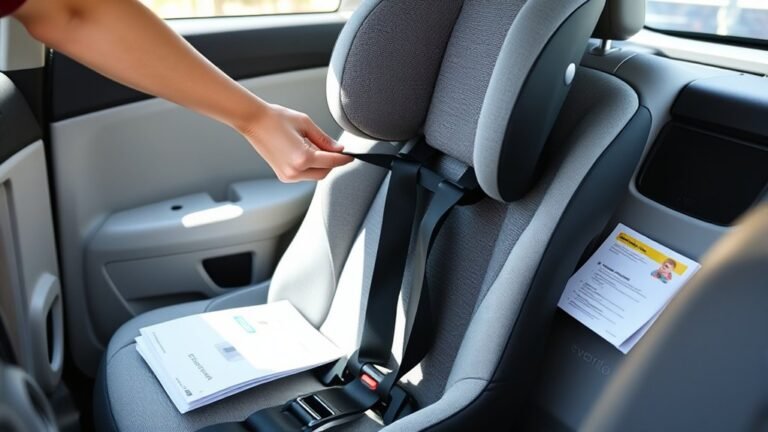
How can you guarantee your infant car seat is installed correctly and safely? Prioritize easy installation by following these detailed steps to secure your infant seat belts and base:
- Read the manual thoroughly. Both your car seat and vehicle guides have specific instructions tailored for safety.
- Choose the right seat belt path. Use the designated infant seat belts route to prevent twisting and ensure a snug fit.
- Use a locking clip if needed. This keeps the seat belts tight and stable, minimizing any movement.
- Perform the tug test. After installation, firmly pull the seat at the belt path; it should not move more than one inch side to side or front to back.
Following these steps ensures your infant car seat is installed with precision, maximizing safety for your baby.
Which Infant Car Seats Offer the Best Comfort for Babies?
Ensuring your infant car seat is installed correctly sets a strong foundation for your baby’s safety, but comfort plays an equally important role during every ride. When assessing which infant car seats offer the best comfort for babies, focus on a thorough comfort comparison, paying close attention to the cushioning and support.
Look for seats that feature high-quality, breathable fabrics with a soft material feel to prevent irritation and overheating. Adjustable padding and ergonomic designs also contribute significantly to your baby’s comfort, allowing for a snug yet gentle fit that supports natural posture.
Keep in mind that some materials may feel plush initially but lack durability, so prioritize seats with tested, hypoallergenic, and moisture-wicking fabrics. This careful evaluation ensures your infant stays comfortable and content on every journey.
How to Transition From Infant Car Seat to Convertible Seat
From an infant car seat to a convertible seat requires careful timing and attention to your child’s growth and safety needs. To ensure a smooth transition, follow this transition timeline and establish a proper aftercare routine:
- Verify your child’s weight and height meet the convertible seat’s minimum requirements.
- Choose a convertible seat with robust side-impact protection and a secure harness system.
- Install the convertible seat rear-facing initially, following the manufacturer’s guidelines precisely.
- Adjust the aftercare routine by regularly checking harness fit and seat installation tightness.
Transitioning thoughtfully helps maintain safety and comfort. Keep monitoring your child’s development and adjust the seat accordingly. This precise approach minimizes risks and maximizes protection during every ride.
Where to Buy Infant Car Seats and How to Prepare
Once your child has outgrown the infant car seat stage, it’s important to know where to find reliable options and how to prepare for the purchase. Avoid off brand safety risks by choosing reputable retailers or manufacturers offering clear warranty coverage.
Familiarize yourself with product recalls and verify expiration dates. Here’s a quick guide:
| Store Type | Pros | Cons |
|---|---|---|
| Specialty Shops | Expert advice, warranty | Higher prices |
| Online Retailers | Convenience, wide choice | Risk of counterfeit items |
| Big Box Stores | Competitive pricing | Limited expert support |
Always check warranty coverage terms and avoid off brand safety compromises. Preparation ensures you select a safe, durable seat that fits your needs and your child’s safety.
Frequently Asked Questions
How Do I Clean and Maintain an Infant Car Seat?
You should follow cleaning tips by removing the fabric cover carefully and using mild soap for stain removal. Avoid harsh chemicals, spot-clean gently, and air-dry thoroughly to maintain your infant car seat’s safety and durability.
Can I Use an Infant Car Seat on an Airplane?
Yes, you can use infant car seats for airplane travel, but ensure they’re FAA-approved and fit the airplane seat. Always check airline policies beforehand, and secure the car seat properly to keep your baby safe during the flight.
What Is the Expiration Date of an Infant Car Seat?
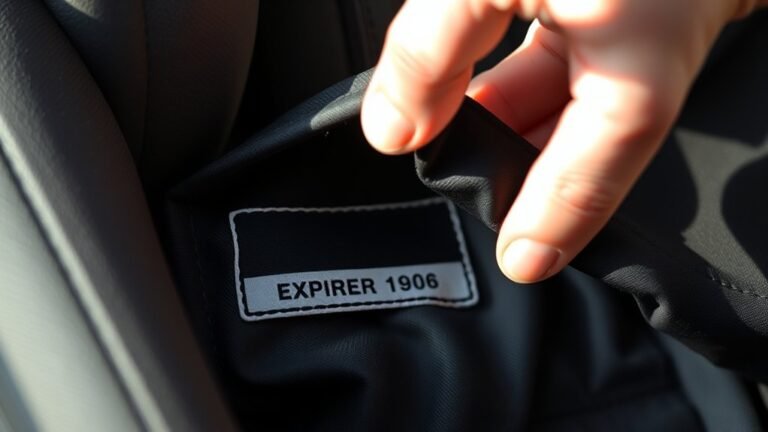
You should check the infant car seat’s expiration date, usually 6-10 years from manufacture, to guarantee safety.
Stay alert for safety recalls and maintain expiration date awareness to keep your child protected during every ride.
Are Used Infant Car Seats Safe to Buy?
You shouldn’t buy used infant car seats unless you’re confident about informed buying. Check safety certifications, expiration dates, and accident history carefully to ensure the seat’s integrity and your baby’s safety isn’t compromised in any way.
How Do I Register My Infant Car Seat for Recalls?
You’d think registering your infant car seat for recalls is rocket science, but it’s simple! Follow registration steps online or by mail, join recalls awareness groups, and keep two word discussion ideas like “safety updates” handy.
Conclusion
Choosing the right infant car seat is like picking the perfect shield for your little knight. You want one that guards with top safety features, fits just right, and offers comfort for every tiny journey.
Remember, installing it correctly is your key to peace of mind. As your baby grows, smoothly transitioning to the next seat keeps protection strong.
With careful choices and preparation, you’ll travel confidently, knowing your child’s safety is always the priority. Finding the best infant car seat ensures that your little one is secure on every ride.