What Is a Convertible Car Seat
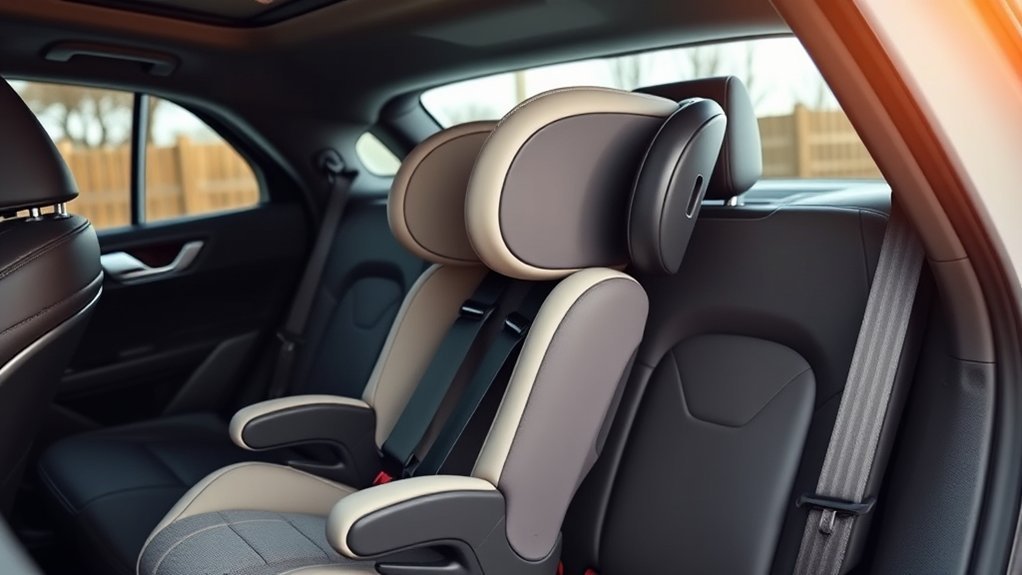
A convertible car seat adjusts to your child’s growth, switching from rear-facing for infants to forward-facing for toddlers, so you don’t need multiple seats.
This type of car seat is designed to grow with your child, providing a safe and comfortable ride through different stages of development.
You install it once, then simply adjust the harness and recline as your child develops, ensuring ongoing safety and comfort.
It offers extended use, better protection, and cost savings.
If you want to understand when to switch positions and key safety features, there’s more valuable information ahead.
What Is a Convertible Car Seat and How Does It Work
How does a convertible car seat keep your child safe as they grow? A convertible seat is designed to adapt to your child’s changing size and needs, providing long-lasting protection.
What is a convertible seat? It’s a car seat that can switch from rear-facing for infants to forward-facing for toddlers, accommodating various stages of growth. You install it once, then adjust the harness and recline positions as your child develops, ensuring a snug fit.
This flexibility means you don’t have to buy multiple seats, saving you time and money while prioritizing safety. By using a convertible seat, you’re choosing a practical, reliable option that evolves with your child, offering continuous support during every car ride.
Why Convertible Car Seats Are a Better Long-Term Choice Than Infant-Only Seats
You’ll appreciate how convertible car seats grow with your child, offering extended use beyond infancy. They save you money over time by replacing multiple seats as your child gets bigger.
Plus, their versatility means you won’t have to worry about switching to a new seat at every stage.
Extended Use Benefits
Why settle for a car seat that only fits your child for a short time? Convertible car seats offer extended use benefits, allowing your child to ride safely from infancy through toddlerhood and beyond.
Unlike infant-only seats, they adapt to your child’s growth, reducing the hassle of constantly switching seats. Some labeling myths suggest convertible seats lack versatility, but modern designs debunk this with clear instructions and multiple dye options for better visibility and user-friendliness.
This adaptability means you can keep your child rear-facing longer, which experts recommend for increased safety. Plus, convertible seats often feature adjustable harnesses and recline positions, so comfort and security evolve with your child.
Choosing a convertible seat means fewer transitions and more peace of mind on every trip.
Cost-Effectiveness Over Time
When considering the long-term costs of child car seats, convertible models often prove to be the smarter investment. Unlike infant-only seats that require replacement as your child grows, convertible car seats adapt from rear-facing to forward-facing, extending their usability.
This flexibility translates directly into cost effectiveness, as you won’t need to buy multiple seats during your child’s early years. You save not only money but also the hassle of frequent transitions.
Versatility Across Ages
How does a convertible car seat accommodate your growing child better than an infant-only seat? Unlike infant-only seats designed for a limited age range, convertible car seats adapt as your child grows, offering rear-facing and forward-facing options.
This flexibility means you won’t need to buy multiple seats, simplifying childproofing efforts since you’re dealing with one reliable, sturdy unit. Convertible seats also often fit seamlessly with strollers known for their durability, ensuring a smooth transition from car to stroller without compromising safety.
How to Choose the Best Convertible Car Seat for Your Family
Although choosing a convertible car seat can feel overwhelming, focusing on your family’s specific needs will make the process much easier. Start by considering your child’s age, weight, and height, ensuring the seat meets safety standards and fits well in your vehicle.
Be aware of discovery bias. Don’t just pick the first option you find; research thoroughly. Compare features like ease of installation, comfort, and durability.
Pricing strategies vary widely, so set a realistic budget but don’t compromise safety for cost. Look for seats with good reviews and warranty support.
When Should You Use Rear-Facing vs. Forward-Facing Convertible Car Seat Positions?
Why does the orientation of your convertible car seat matter so much? It’s about maximizing your child’s safety. You should keep your child rear-facing as long as possible because rear facing efficiency provides the best protection for their developing neck and spine in a crash.
Typically, children remain rear-facing until they reach the seat’s height or weight limit, often around age two or even longer. Once your child outgrows those limits, you can switch to forward-facing. Forward facing flexibility allows older toddlers and preschoolers to ride comfortably while still being secured properly.
What Safety Features Should Your Convertible Car Seat Have?
What features truly make a convertible car seat safe for your child? First, look for a seat with a five-point harness system. It secures your child at the shoulders, hips, and between the legs, offering maximum protection during sudden stops.
Side-impact protection is another essential feature. It cushions your child’s head and torso, reducing injury risk in side collisions. Ensure the car seat meets or exceeds federal safety standards and has undergone rigorous crash testing.
Adjustable straps and a sturdy, easy-to-use latch system help you install the seat correctly, which is crucial for child safety. Finally, choose a seat with energy-absorbing foam that minimizes impact forces.
These features combined ensure your convertible car seat offers reliable protection every time you hit the road.
How Convertible Car Seats Adapt As Your Child Grows
Convertible car seats grow with your child by offering adjustable features that accommodate different sizes and weights. They adapt to your child’s unique growth patterns, allowing you to modify harness heights, recline angles, and headrest positions as they develop.
Thanks to advances in material science, these seats combine durable, flexible materials that provide comfort and safety throughout each stage of growth. You’ll find that many convertible seats transition from rear-facing for infants to forward-facing for toddlers, extending usability without compromising protection.
How to Install Your Convertible Car Seat in Any Vehicle
As your child grows and your car seat adjusts to their needs, ensuring it’s properly installed in your vehicle is the next step to keep them safe. Start by reading both your car seat manual and vehicle owner’s guide carefully.
Use the LATCH system or seat belt to securely anchor the seat, making sure there’s no more than one inch of movement side to side or front to back. Tighten the harness snugly around your child, checking the chest clip is at armpit level.
Regularly inspect the installation as part of your car maintenance routine to maintain optimal kid safety. If you’re ever unsure, many local fire stations or certified technicians offer free car seat checks to help you feel confident that your child’s seat is installed correctly.
Common Convertible Car Seat Mistakes to Avoid
How can you guarantee your child’s car seat offers the best protection? Avoid common mistakes that compromise child safety. First, don’t install the seat at the wrong angle; improper aerodynamics inside the vehicle can reduce effectiveness during a crash. Always check the recline angle recommended by the manufacturer.
Second, ensure the harness is snug. Too loose or too tight can be dangerous. Third, avoid using expired or damaged car seats, as materials degrade over time.
Fourth, don’t switch seat modes prematurely; follow weight and height guidelines carefully. Finally, never place the car seat in a front seat with an active airbag.
Frequently Asked Questions
Can Convertible Car Seats Fit on Airplane Seats?
Yes, you can use convertible seating on airplane seats if it’s FAA-approved. You’ll want to check airline policies beforehand, ensuring the car seat fits securely for safe and comfortable airplane usage during your trip.
Are Convertible Car Seats Compatible With Stroller Systems?
Think of convertible compatibility like fitting puzzle pieces; just as my friend’s seat clicked perfectly into her stroller, you’ll find many convertible car seats offer seamless stroller integration, making outings smoother and keeping your child secure and comfy.
How Do Convertible Car Seats Affect Vehicle Fuel Efficiency?
You might notice a slight drop in how fuel efficiency performs because convertible car seats add extra weight to your vehicle.
While the impact is usually minimal, heavier car seat weight can slightly reduce your miles per gallon.
Can Multiple Children Share the Same Convertible Car Seat?
You shouldn’t use shared seating with convertible car seats for multiple use because they’re designed for one child at a time. Sharing compromises safety, so always provide each child with their own properly installed seat for protection.
Do Convertible Car Seats Expire or Need Replacement Over Time?
Ever wonder if your car seat’s clock is ticking? Yes, convertible car seats have expiration dates, usually 6-10 years.
You should track car seat expiration and plan replacement timing to keep your child safe and secure.
Conclusion
Choosing the right convertible car seat means investing in your child’s safety and comfort for years to come. Remember, “better safe than sorry” isn’t just an adage—it’s a guiding principle when it comes to car seats.
By understanding how to use and install your seat properly, you protect your child as they grow. Stay informed, avoid common mistakes, and choose a seat with strong safety features.
You’ll feel confident every time you hit the road, knowing you have selected the best convertible car seat for your child’s safety.