Should Car Seat Go Behind Driver or Passenger
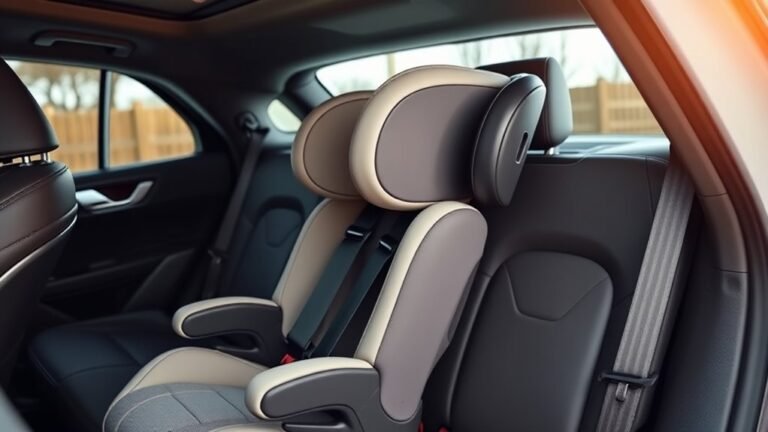
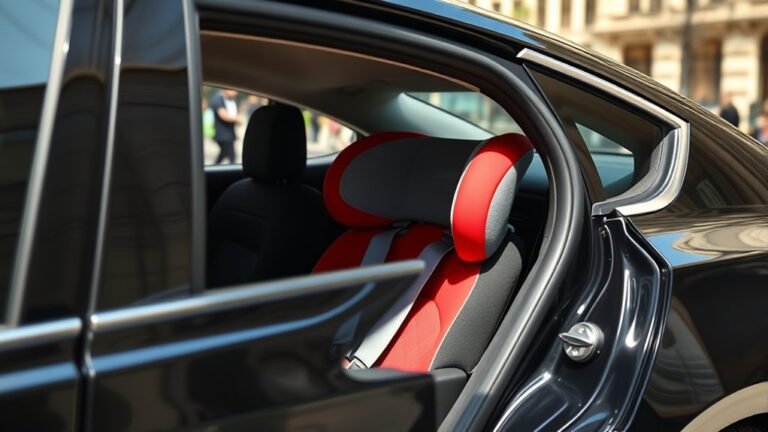
You should place your child’s car seat behind the driver or passenger based on your vehicle’s layout and your priorities.
Behind the driver lets you easily keep an eye on your child, though it may limit seat adjustments and create some blind spots.
Behind the passenger offers safer curbside access and clearer driver visibility but can be harder in tight spaces.
Always prioritize safety, accessibility, and proper installation.
More details can help you decide the best fit for your car and child.
Car Seat Safety Guidelines for Placement
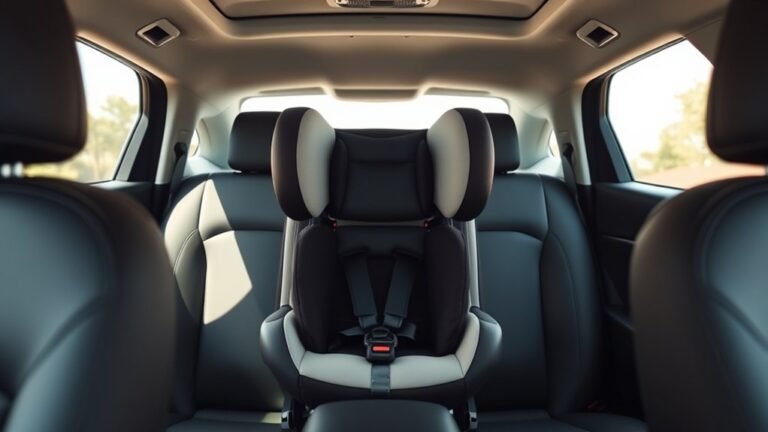
Where should you place your child’s car seat for maximum safety? The safest spot is typically the back seat, centered if possible, to reduce injury risk during side impacts.
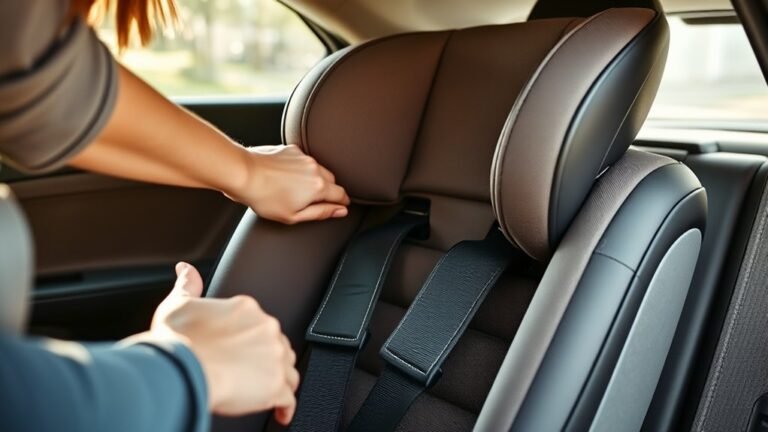
When installing, pay close attention to car seat height; it must align with your child’s size and the vehicle’s seat to ensure proper restraint. Proper base installation is crucial. Secure the base tightly using either the seat belt or LATCH system, avoiding any movement greater than one inch side-to-side or front-to-back.
Double-check that the car seat angle matches the manufacturer’s guidelines to keep your child’s airway open. Following these car seat safety guidelines for placement helps protect your child effectively, minimizing risks in case of a collision.
How Your Vehicle Type Limits Car Seat Placement
Your vehicle’s design directly affects where you can safely install a car seat, as some models limit space or access on one side. You’ll need to consider seat width, door clearance, and how easily you can reach your child in an emergency.
Understanding these constraints helps ensure proper installation and quick response when it matters most.
Vehicle Design Impact
How does the design of your vehicle affect where you can safely install a car seat? Your vehicle’s size, door configuration, and seat layout directly influence car seat placement options.
Compact cars may restrict rear seat space, limiting installation behind the driver or passenger. SUVs and trucks often offer more room but might have higher seats, affecting anchor accessibility.
Remember, car seat laws require installation in designated seating positions with proper anchors, so your vehicle’s design must comply. Additionally, some vehicle designs optimize fuel efficiency by reducing weight and space, which can impact where a car seat fits securely.
Always check your owner’s manual and car seat instructions to ensure you meet both legal requirements and safety recommendations based on your vehicle’s unique design features.
Seat Accessibility Constraints
Why does vehicle type matter when installing a car seat? Because your car’s design directly affects seat accessibility constraints. In smaller vehicles, tight rear seat space can limit how you position the car seat, making car seat rotation difficult.
This rotation is crucial for easily placing your child in the seat and properly adjusting the child harnessing. Larger vehicles or SUVs often offer more room, allowing you to install the seat behind either the driver or passenger with fewer restrictions.
However, even in spacious cars, door width and seat shape can impact your ability to securely fasten the harness. Always assess your vehicle’s layout before deciding on placement. Prioritizing ease of access ensures you can safely and comfortably install the car seat every time.
Pros and Cons of Placing the Car Seat Behind the Driver
When you place the car seat behind the driver, you’ll need to consider how it affects your visibility and comfort while driving. Safety and ease of accessing your child are also important factors to weigh.
Additionally, think about the available space and how convenient it is to install and remove the seat in that position.
Visibility and Driver Comfort
Where should you position a car seat to guarantee both safety and comfort while driving? Placing the car seat behind the driver can impact your visibility and comfort markedly.
You might find that car seat adjustments become limited because the child seat takes up space close to your seating area, restricting your ability to move freely. This can affect your posture and driving ease, potentially distracting you.
However, with careful installation, you can maintain clear sightlines through mirrors and windows, which is essential for safe driving. Prioritizing child safety means balancing secure car seat placement with your comfort to prevent fatigue and distractions.
Ensuring the car seat doesn’t hinder your controls or view supports safer driving for both you and your child.
Safety and Accessibility
How does placing a car seat behind the driver affect safety and ease of access? You’ll find it offers certain safety benefits but also some challenges. From a safety standpoint, this position keeps your child within your peripheral vision, which can help monitor child behavior without turning around too much. However, accessibility can be tricky, especially if your vehicle is tight or you need to reach the child quickly.
Consider these points:
- Easier to shield your child from harsh sunlight or cold drafts based on climate considerations
- Slightly limited access if you’re the primary caregiver and enter from the passenger side
- Safer during side-impact collisions on the passenger side, as the driver’s side is less exposed
Weigh these factors carefully to ensure your child’s safety and your convenience.
Space and Convenience
Why choose to place the car seat behind the driver? This position often optimizes seat ergonomics, allowing the driver to maintain comfortable posture without interference.
You’ll find that it creates a more organized cabin, reducing clutter since the passenger side remains free for bags or other essentials. However, placing the car seat here can limit your reach to the child, making quick adjustments a bit harder.
It also may reduce your ability to monitor the child visually while driving. On balance, if you prioritize keeping the driver’s area ergonomically efficient and want to minimize cabin clutter, this spot works well.
Just ensure you’re comfortable managing the trade-off in immediate accessibility for the sake of space and convenience.
Pros and Cons of Placing the Car Seat Behind the Passenger
What advantages and drawbacks come with placing a car seat behind the passenger? You gain better driving ergonomics since the driver’s side remains clear, reducing distraction risks. However, aisle access may be tighter for rear passengers, potentially complicating entry and exit.
Placing a car seat behind the passenger improves driver focus but may limit rear passenger access.
Consider these key points:
- Improved driver focus: No physical obstruction on the driver’s side enhances concentration on the road.
- Limited aisle access: Passengers might find it harder to reach the rear, especially in tight spaces.
- Safety positioning: The passenger side often offers safer crash protection, particularly from left-side impacts.
Balancing these pros and cons helps you decide the safest, most ergonomic placement for your car seat, ensuring comfort without compromising driver control or passenger accessibility.
Car Seat Placement: Accessibility and Convenience on Each Side
You’ll want to contemplate how easily you can reach your child when choosing which side to place the car seat. The passenger side often offers better access without crossing traffic, making loading and unloading safer and more convenient.
Plus, sitting behind the passenger keeps the driver’s focus clear while still allowing quick attention to your child when needed.
Ease of Access
How easily you can reach your child often influences where you place a car seat. Prioritizing child safety means considering vehicle ergonomics to ensure quick access during emergencies or routine checks.
Placing the seat on the passenger side often offers better accessibility, especially when parked curbside, reducing exposure to traffic.
Consider these key factors for ease of access:
- Quick reach for securing or comforting your child without straining.
- Convenient entry and exit to avoid awkward movements that might compromise safety.
- Access to seat adjustments and harnesses to ensure proper fit every time.
Proximity to Driver
While ease of access often favors placing the car seat on the passenger side, proximity to the driver offers its own set of advantages worth considering. When the car seat is behind the driver, you can keep a closer eye on your child, enhancing child safety during the drive.
This position allows quicker intervention if your child needs attention, reducing distractions and potential hazards. Additionally, for those mindful of budget considerations, placing the car seat behind the driver can eliminate the need for additional accessories like extended mirrors to monitor your child.
It also minimizes the risk of costly accidents caused by driver distraction. Ultimately, choosing this placement balances convenience with safety, ensuring you stay connected to your child while maintaining full control of your vehicle.
Passenger Side Benefits
Where does convenience meet safety when it comes to car seat placement? Placing the car seat behind the passenger side offers distinct benefits that align with many parental preferences and emerging fashion trends in vehicle interiors. You gain easier access to your child from the curb side, reducing the risk of stepping into traffic. This setup also makes loading and unloading simpler in tight parking spaces.
Consider these passenger side benefits:
- Safe curbside access minimizes street hazards.
- Enhanced visibility for supervising your child while driving.
- Compatibility with stylish, modern car interiors reflecting current fashion trends.
Choosing the passenger side can improve convenience without compromising safety, making it a practical option for parents focused on both protection and accessibility.
How Car Seat Placement Affects Driver Visibility
Why does the placement of a car seat matter for your visibility on the road? When you position a car seat behind the driver, it can create blind spots or obstruct your side mirror view, especially if the seat is bulky. This impacts your ability to quickly spot other vehicles, pedestrians, or cyclists, compromising safety.
On the other hand, placing the car seat behind the passenger often provides a clearer line of sight. Additionally, car reflections from a rear-facing car seat can distract or momentarily impair your vision.
Prioritizing child safety means ensuring your visibility remains unobstructed so you can respond promptly to road conditions. Always assess how the seat’s position affects your mirrors and windows before deciding where to install it.
Installing a Car Seat Behind the Driver or Passenger
Considering how car seat placement affects your visibility, the next step is to focus on the actual installation behind either the driver or passenger seat. Properly installing a car seat is crucial for child safety, especially when using a rear facing position.
You want to ensure the seat is secure and doesn’t move more than an inch side-to-side or front-to-back.
Here are key points to remember:
- Use your vehicle’s LATCH system or seat belt according to the car seat manual.
- Position the car seat at the correct recline angle to maintain proper rear facing posture.
- Double-check that the harness fits snugly against your child without slack.
Following these steps helps keep your child safe while ensuring your driving experience remains unobstructed.
Common Mistakes When Choosing Car Seat Placement
How do you choose the safest spot for your child’s car seat? Avoid common mistakes that compromise child ergonomics and safety. Placing the seat where occupied seating limits proper installation or restricts your child’s comfort can increase risk.
Don’t assume the rear middle is always best. Check if it fits your vehicle and car seat. Also, avoid ignoring your child’s physical needs; poor ergonomics cause discomfort and improper positioning.
| Mistake | Impact |
|---|---|
| Ignoring vehicle’s layout | Improper fit, reduced safety |
| Overlooking child ergonomics | Discomfort, poor posture |
| Choosing occupied seating | Interferes with installation |
| Assuming rear middle always best | Not always safest or practical |
| Neglecting seat belt type | Compromises secure attachment |
Be mindful of these to ensure your child’s car seat offers optimal protection.
Tips for Choosing the Best Spot for Your Child’s Car Seat
Choosing the best spot for your child’s car seat requires careful evaluation of both your vehicle’s layout and your child’s needs. You want to prioritize safety without sacrificing convenience.
When considering placement options, focus on areas that maximize protection and ease of use. Here are some tips to guide you:
- Choose the back seat, preferably the middle, as it’s the safest spot away from airbags and side impacts.
- Ensure the car seat fits securely without obstructing seat belts or vehicle controls.
- Consider your child’s age and size, selecting placement options that allow easy access for proper harness adjustment and monitoring.
Final Thoughts: Making the Safest and Most Convenient Choice
Where should you place your child’s car seat to balance safety and convenience? Prioritize the rear middle seat whenever possible, as it offers superior protection in collisions.
However, car seat ergonomics also matter—you need enough space to install the seat securely and comfortably manage rear facing considerations, especially for infants. If the middle isn’t an option, choose the side that allows easier access without compromising safety.
Positioning behind the passenger side often provides better visibility and convenience for you, but the driver’s side may be safer in certain vehicles due to structural differences. Always ensure the seat is installed tightly with no more than one inch of movement.
Frequently Asked Questions
What Age or Weight Requires Switching Car Seat Positions?
You should switch car seat positions when your child outgrows the rear-facing limit, usually around 2 years or 40 pounds.
Don’t believe car seat myths or airbag myths; always follow manufacturer guidelines for safety.
Can Car Seat Placement Affect Airbag Safety?
Yes, car seat placement can affect airbag safety. You should avoid placing a rear-facing car seat in front of an active airbag to prevent injury.
Proper car seat safety ensures safe airbag interaction for your child.
Are There Legal Restrictions on Car Seat Placement?
Yes, car seat legality varies by state, often restricting placement near passenger airbags to prevent injury risk. You should always follow local laws and guidelines to guarantee your child’s safety and comply with passenger airbag impact concerns.
How Often Should Car Seat Installation Be Checked?
You should perform car seat checks every time you install or adjust it, and at least once a month afterward.
Regular installation frequency ensures your child’s safety by confirming the seat remains secure and properly positioned.
Do Different Car Seats Have Specific Placement Recommendations?
Oh, placing a car seat is like fitting a puzzle piece. Each model has specific installation guidelines. You’ll want to check car seat compatibility carefully to ensure a safe, snug fit that keeps your little one secure.
Conclusion
Choosing between placing your car seat behind the driver or passenger might seem simple, but it’s a critical decision balancing safety and convenience. While behind the passenger offers easier access, behind the driver often feels more secure.
Remember, the safest spot depends on your vehicle and daily routine. Don’t let convenience overshadow safety—prioritize your child’s protection every time.
Ultimately, the right choice for your car seat is the one that keeps your little one both secure and within reach.