How to Tell if a Car Seat Is Expired
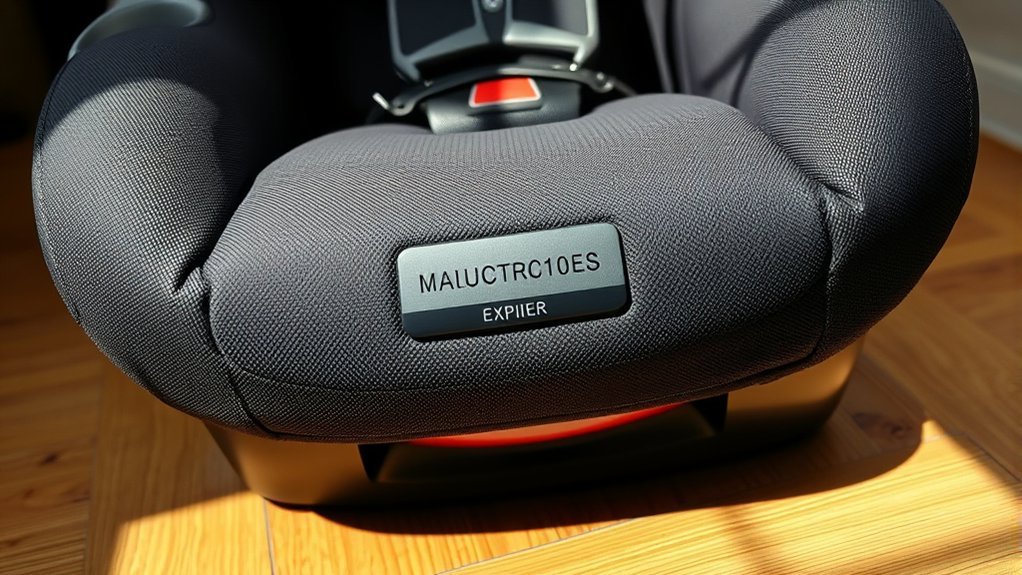
To tell if your car seat is expired, first locate the manufacture or expiration date, usually found on a label or molded into the plastic shell. This is the key step in determining the seat’s safety status.
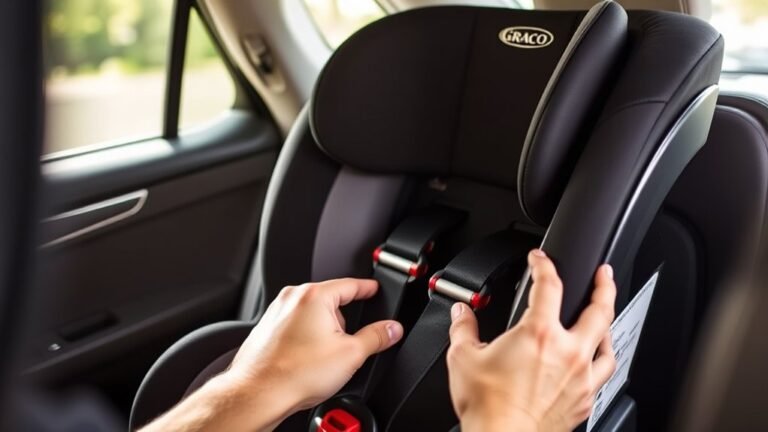
Next, inspect the seat carefully for any cracked plastic, worn straps, fraying, or broken buckles. These are all signs that the seat may be unsafe to use.
Remember, expired seats lose safety integrity due to aging materials and outdated designs. If you’re unsure or can’t find a date, contact the manufacturer for guidance.
Understanding these details will help ensure your child’s safety.
How to Find Your Car Seat’s Expiration Date
Where can you locate your car seat’s expiration date? To find it, start by checking the plastic shell of the seat itself. Manufacturers usually imprint expiration dates directly onto the seat’s frame or on a sticker attached to the base or back.
If you’re unsure how to find this date, look for labels that include the manufacture date and model number. Expiration dates typically appear as a clear month and year, such as “Exp. 08/2027.” Sometimes, the date might be hidden under removable padding or near the belt path.
Knowing how to find expiration dates ensures you don’t miss this critical safety info. Always rely on these markings rather than guesswork to confirm the car seat’s usability.
If You Can’t Find Your Car Seat’s Expiration Date
What should you do if you can’t locate an expiration date on your car seat? First, check every label carefully. Expiration info is often on a sticker or imprinted on the plastic shell.
If you can’t find your car seat’s expiration date, thoroughly check all labels and the plastic shell for details.
If you still come up empty, consult the manufacturer’s website or contact their customer service with your seat’s model number. Avoid getting distracted by unrelated topics or off-topic ideas you might find online; focus solely on manufacturer guidance.
Never assume the seat is safe to use without confirmation. If the manufacturer can’t provide expiration details, consider the seat’s age. Most expire within six to ten years, so err on the side of caution.
Prioritize safety over guesswork to protect your child effectively.
Why Car Seats Expire and Why It Matters
If you’re unsure about your car seat’s expiration and can’t get clear answers, understanding why these seats expire can help you appreciate the importance of sticking to those dates. Car seats contain aging materials that degrade over time, reducing their ability to protect your child in a crash.
Expired labels mark the end of a seat’s safety lifecycle, signaling when its components may no longer perform as intended.
| Reason for Expiration | What Happens | Why It Matters |
|---|---|---|
| Aging Materials | Plastic weakens | Risk of breakage |
| Expired Labels | Indicate unsafe use | Avoid false security |
| Wear and Tear | Straps fray | Compromises restraint |
| Technological Updates | Outdated design | Misses current safety |
| Unknown History | Possible damage | Unpredictable safety |
Respecting expiration dates keeps your child safer.
How to Tell If Your Car Seat Is Expired or Unsafe
You’ll want to start by locating the manufacture date on your car seat to determine its age.
Next, carefully inspect the seat for any cracks, broken parts, or signs of wear that could compromise safety.
Finally, check for any recall notices to ensure your seat meets current safety standards.
Check Manufacture Date
When was your car seat manufactured? The manufacture date is crucial for determining if your car seat is still safe to use. Every car seat has an expires date, usually set 6 to 10 years after the manufacture date, reflecting material degradation and evolving safety standards.
To check the manufacture date:
- Locate the label on the car seat’s underside, back, or bottom edge.
- Find the date stamped as “Manufacture Date,” “Mfg Date,” or similar.
- Compare this date with the expires date listed on the seat or in the manual.
Knowing the manufacture date ensures you don’t unknowingly use an expired seat, which could fail in a crash. Always verify this before trusting your car seat’s safety.
Inspect for Damage
Physical damage serves as a clear indicator that your car seat might be expired or unsafe. When inspecting frame integrity, look closely for cracks, bends, or any signs of stress in the plastic or metal components. These compromises can weaken the seat’s ability to protect your child.
Next, focus on examining straps. Check for fraying, cuts, or worn areas that could reduce their effectiveness during a crash. Make sure the buckles latch securely and release smoothly without sticking.
Also, inspect the padding and fabric for tears or significant wear, as these affect comfort and safety. If you spot any damage while inspecting frame or straps, it’s a strong sign that the car seat is no longer reliable and should be replaced immediately.
Review Recall Notices
How can you be sure your car seat is still safe to use? One essential step is to review recall notices. Manufacturers issue these notices when a car seat no longer meets safety standards or has a specific defect. Ignoring them can put your child at risk.
Here’s how to stay on top of recall notices:
- Visit the National Highway Traffic Safety Administration (NHTSA) website and enter your car seat’s model number.
- Sign up for email alerts from manufacturers to get immediate updates on recalls.
- Check your car seat’s manual and packaging regularly for any recall announcements.
How Car Seat Expiration Affects Your Child’s Safety
Because car seats endure daily wear and exposure to varying temperatures, their materials degrade over time, compromising their ability to protect your child. Car seat materials like plastic shells and foam padding become brittle or less effective, reducing impact absorption in crashes.
Industry regulations set expiration periods to confirm these materials maintain their strength and safety standards. Using an expired car seat means you risk relying on compromised components that no longer meet these strict safety criteria.
Even subtle material breakdown can affect harness integrity or structural stability, increasing injury risk during an accident. By understanding how expiration affects safety, you recognize that an expired seat isn’t just outdated, it’s potentially dangerous.
Prioritizing this knowledge helps you keep your child secure with a car seat that performs as intended.
When and How to Replace an Expired Car Seat
You should always check the expiration date stamped on your car seat before using it. Once expired, replace the seat immediately with one that meets current safety standards and fits your child’s size and weight.
Follow the manufacturer’s installation instructions carefully to ensure maximum protection.
Identifying Expiration Dates
When should you replace a car seat to guarantee your child’s safety? The key is identifying the expiration date, which is essential because materials degrade over time, reducing protection.
To find this date, check the car seat thoroughly:
- Locate the expired label or sticker, usually on the seat’s bottom or side; it clearly states the expiration date.
- If the label is missing or unreadable, consult the manufacturer’s manual or website for the product’s lifespan.
- Inspect for signs of material degradation, such as cracks or brittle plastic, which indicate the seat’s safety is compromised even before the expiration date.
Safe Replacement Guidelines
How do you guarantee your child’s safety by replacing an expired car seat properly? First, follow strict expiration guidelines outlined by the manufacturer. These guidelines specify the exact time frame when the seat’s materials may degrade or safety features may fail.
For safe replacement, immediately stop using the car seat once it hits its expiration date. Never extend its use. Next, choose a new car seat that fits your child’s current size and weight and meets the latest safety standards.
When installing, carefully read the instruction manual and ensure a secure fit in your vehicle. Finally, register your new seat with the manufacturer to receive safety updates. By adhering to these safe replacement steps and expiration guidelines, you ensure maximum protection for your child every time you drive.
Frequently Asked Questions
Can I Use an Expired Car Seat for Pets?
You shouldn’t use an expired car seat for pets because expired safety materials can weaken protection.
For your pet’s safety, always choose a seat designed specifically for pets, ensuring it meets current safety standards.
Do Car Seat Expiration Dates Vary by Brand?
Yes, car seat expiration dates vary by brand due to different materials and safety standards.
You’ll need to check each brand’s expiration labeling carefully to ensure your seat remains safe and compliant with current regulations.
How Do Recalls Affect Car Seat Expiration?
Recalls can shorten a car seat’s expiration timelines, so you’ll want to check if your seat’s affected. The recall impact often means you shouldn’t use the seat past the recall date, even if the original expiration hasn’t passed.
Can Cleaning Affect a Car Seat’s Expiration?
Yes, can cleaning affect your car seat’s expiration if you use harsh chemicals or submerge it, which can weaken seat materials. Stick to manufacturer-approved methods to protect the seat’s integrity and guarantee safe, long-lasting use.
Are Booster Seats Subject to Expiration Dates?
Yes, booster seat validity depends on expiration labeling. You’ll find this info on the seat’s sticker or molded into the plastic.
Always check it carefully to ensure your booster seat remains safe and compliant.
Conclusion
Always assess your car seat’s age to assure absolute safety. Expired seats can crack, crumble, and compromise crucial crash protection. Don’t delay—determine the date, detect damage, and decide when to ditch your outdated device.
Staying sharp on seat standards safeguards your small one from serious harm. Remember, replacing a worn-out seat isn’t just smart; it’s a steadfast step toward stress-free, secure travels. Keep your child’s comfort and care consistently covered.
In conclusion, knowing how to tell if a car seat is expired is essential for protecting your child and ensuring every journey is safe.